Gavi and UNICEF cut the price of the RTS,S malaria vaccine by about 40%, enough for up to a million more children
Gavi and UNICEF have secured a price of €5.50 a dose for the RTS,S malaria vaccine, about 40% lower, saving roughly US$50 million in 2027 to 2029. That could fund the full course for up to one million more children.
The price of the RTS,S malaria vaccine for the world's poorest countries will fall by about 40% to €5.50 a dose, UNICEF said on 22 October, under a deal secured by Gavi, the Vaccine Alliance, and UNICEF. The lower price is expected to save about US$50 million between 2027 and 2029.
Up to a million more children
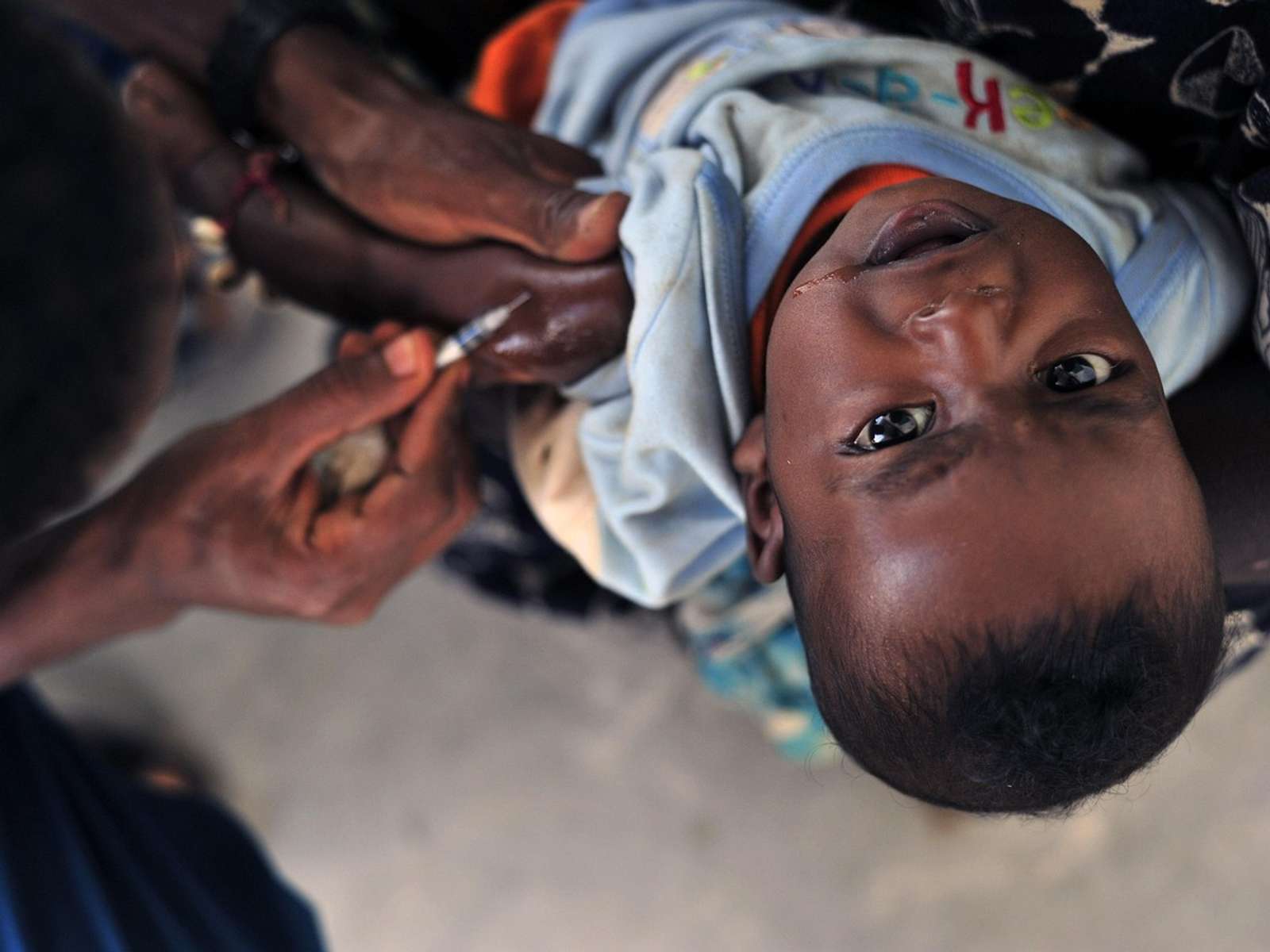
The savings could allow up to one million more children to receive the full four-dose course of RTS,S, or let countries reach more children with other vaccines. The malaria vaccine is part of routine immunization in 25 African countries.
Part of the reduction comes from a change in where the vaccine is made: production of RTS,S is being transferred from GSK to Bharat Biotech in India. The International Finance Facility for Immunisation (IFFIm) was also part of the deal.
The deal is “an important step towards protecting more children from malaria by expanding access to life-saving vaccines.” — Leila Pakkala, Director, UNICEF Supply Division
A disease that kills hundreds of thousands of children
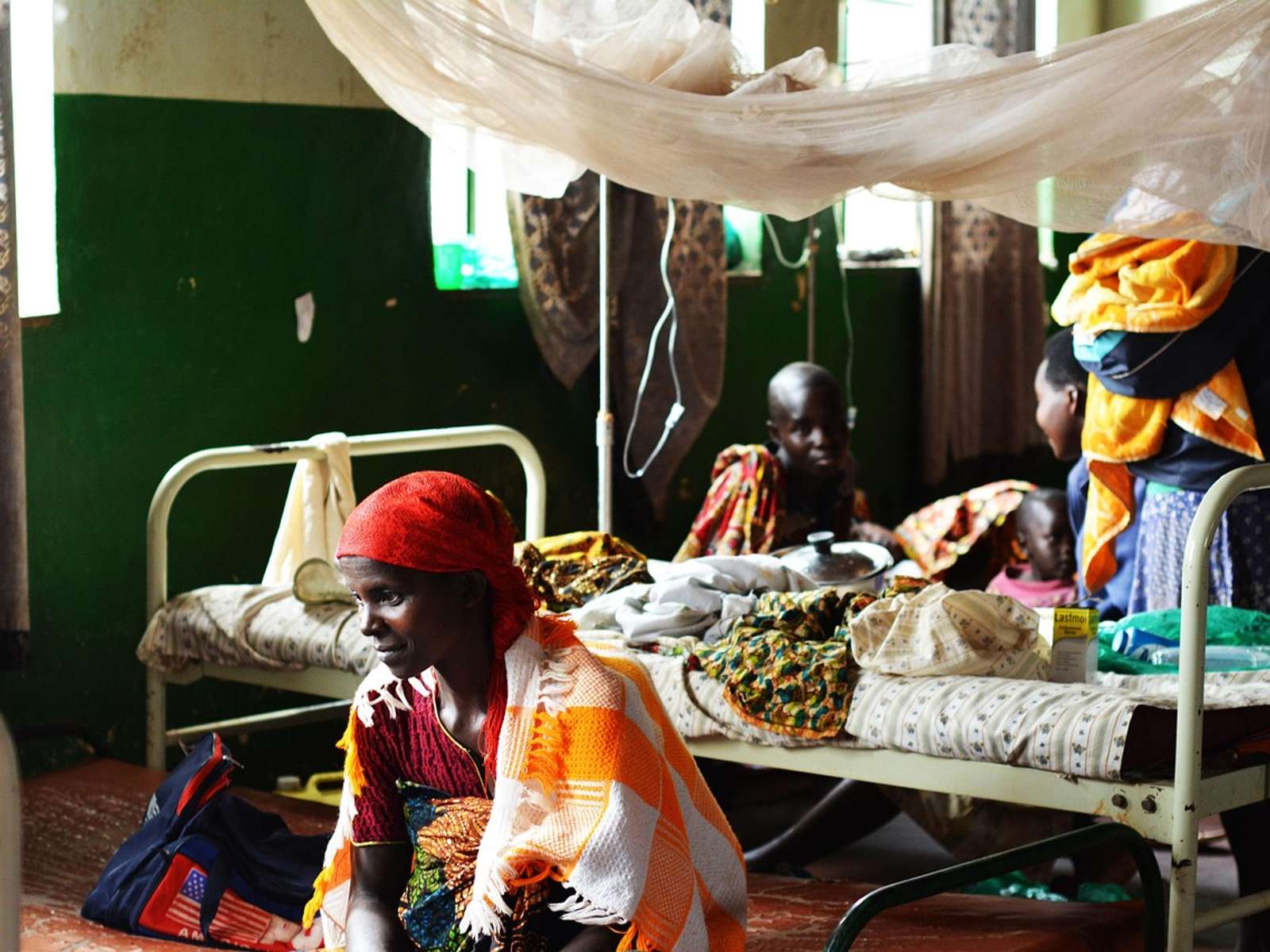
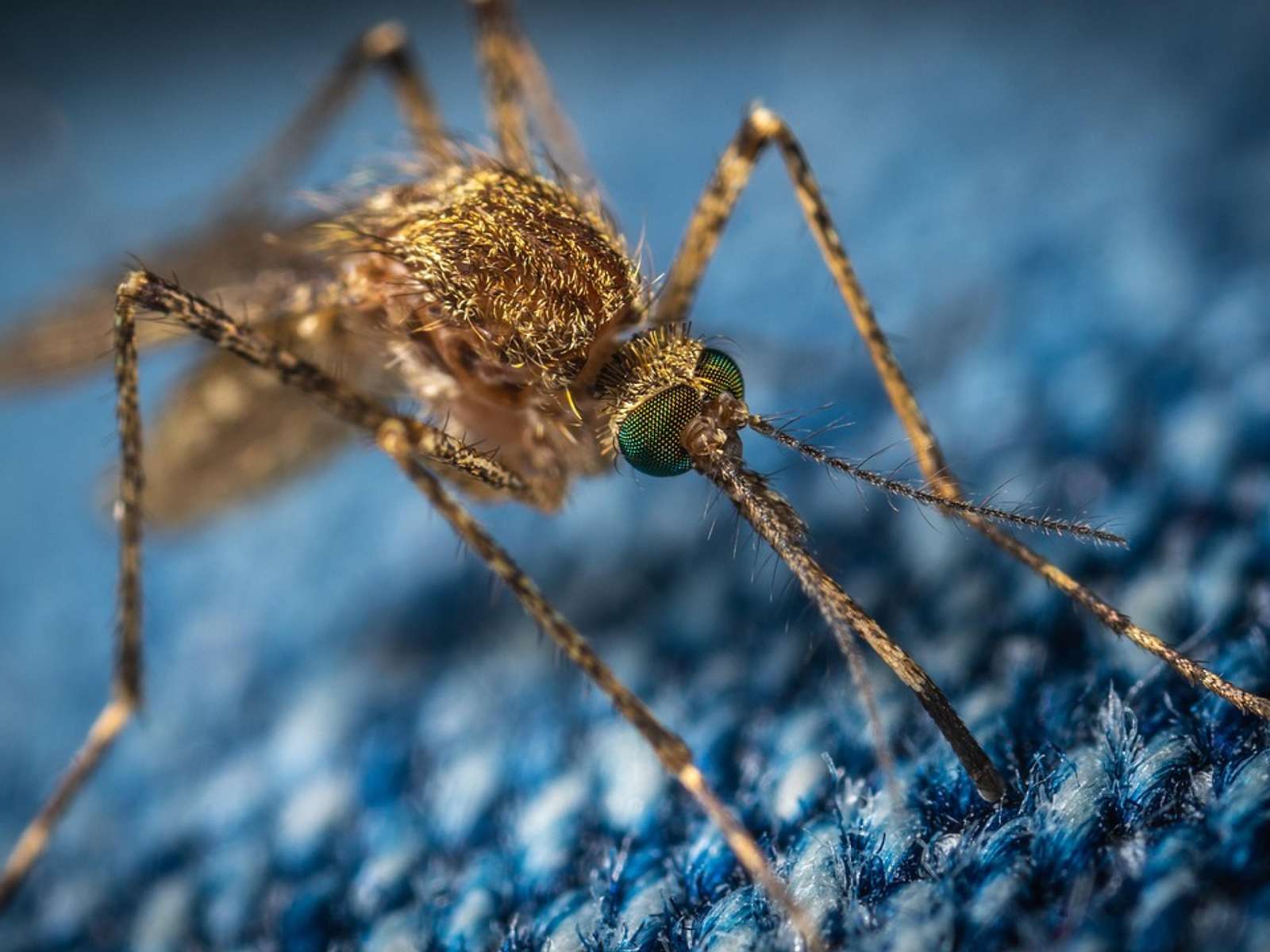
Malaria caused an estimated 610,000 deaths in a year, about 580,000 of them children in Africa, according to figures cited by Imperial College London this week. A second malaria vaccine, R21, is also prequalified, UNICEF noted.
New tools are also in development. Brazil approved the first human trial of Vivaxin, a vaccine against vivax malaria, and a phase 1b trial in Kenya and Zambia found that sevuparin was safe in children with severe malaria.
What changes and when
The lower price applies to vaccine supplied through UNICEF to Gavi-supported countries, with savings expected from 2027. How many extra children are vaccinated will depend on how countries choose to use the savings.
Not medical advice. This article reports on research and health programs for general information. Results from early studies often change in larger trials. Talk to a doctor before making decisions about your own health or treatment.
Sources
- UNICEF Supply Division · unicef.org
- imperial.ac.uk
How we choose and verify sources: editorial policy.