A drug added to standard treatment for severe malaria proves safe in a first trial in African children
In the SEVUSMAART trial in Kenya and Zambia, sevuparin given with artesunate was safe and well tolerated in 23 children with severe malaria, and researchers found the dose to test next. Efficacy trials across Africa come next.
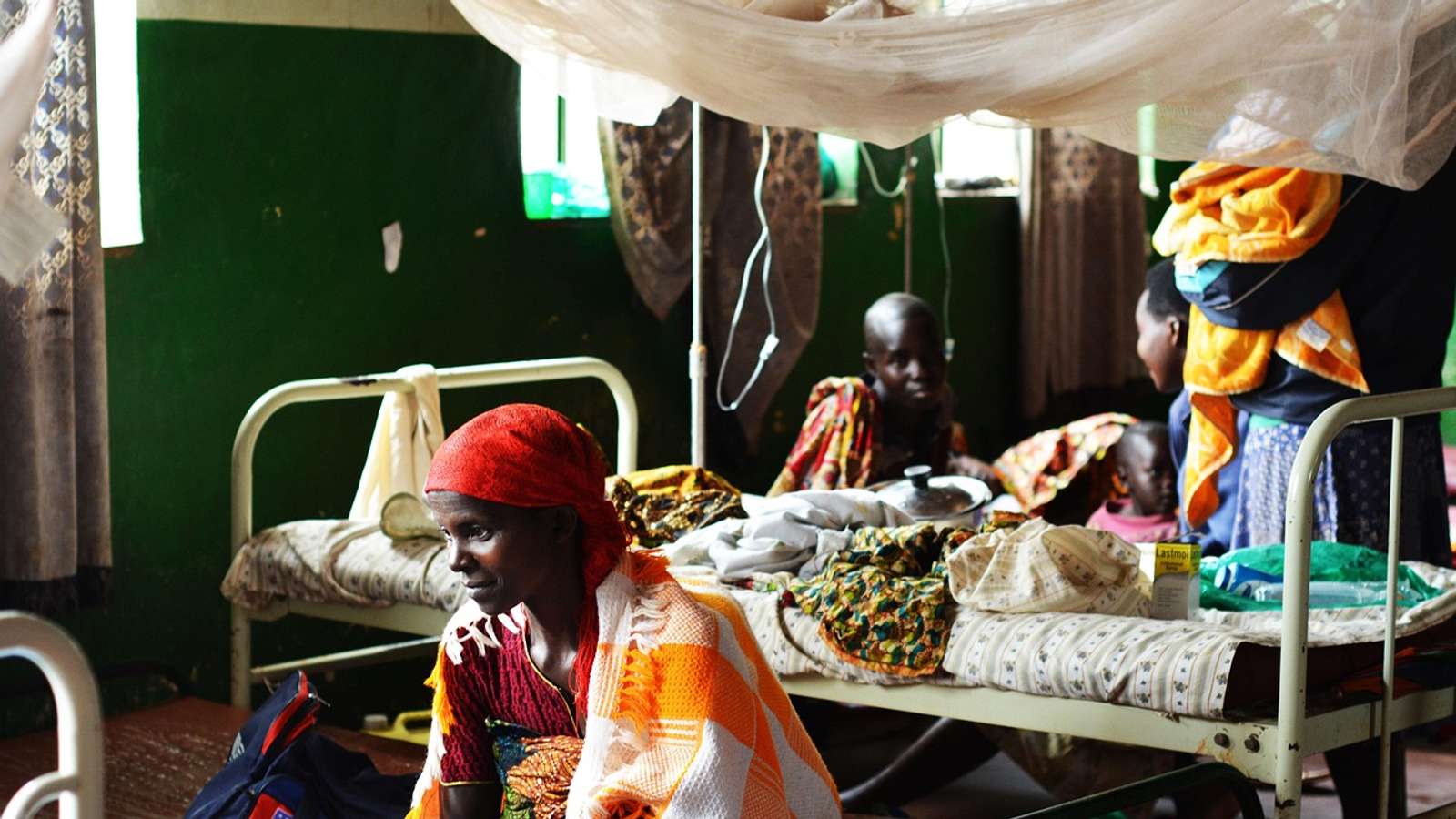
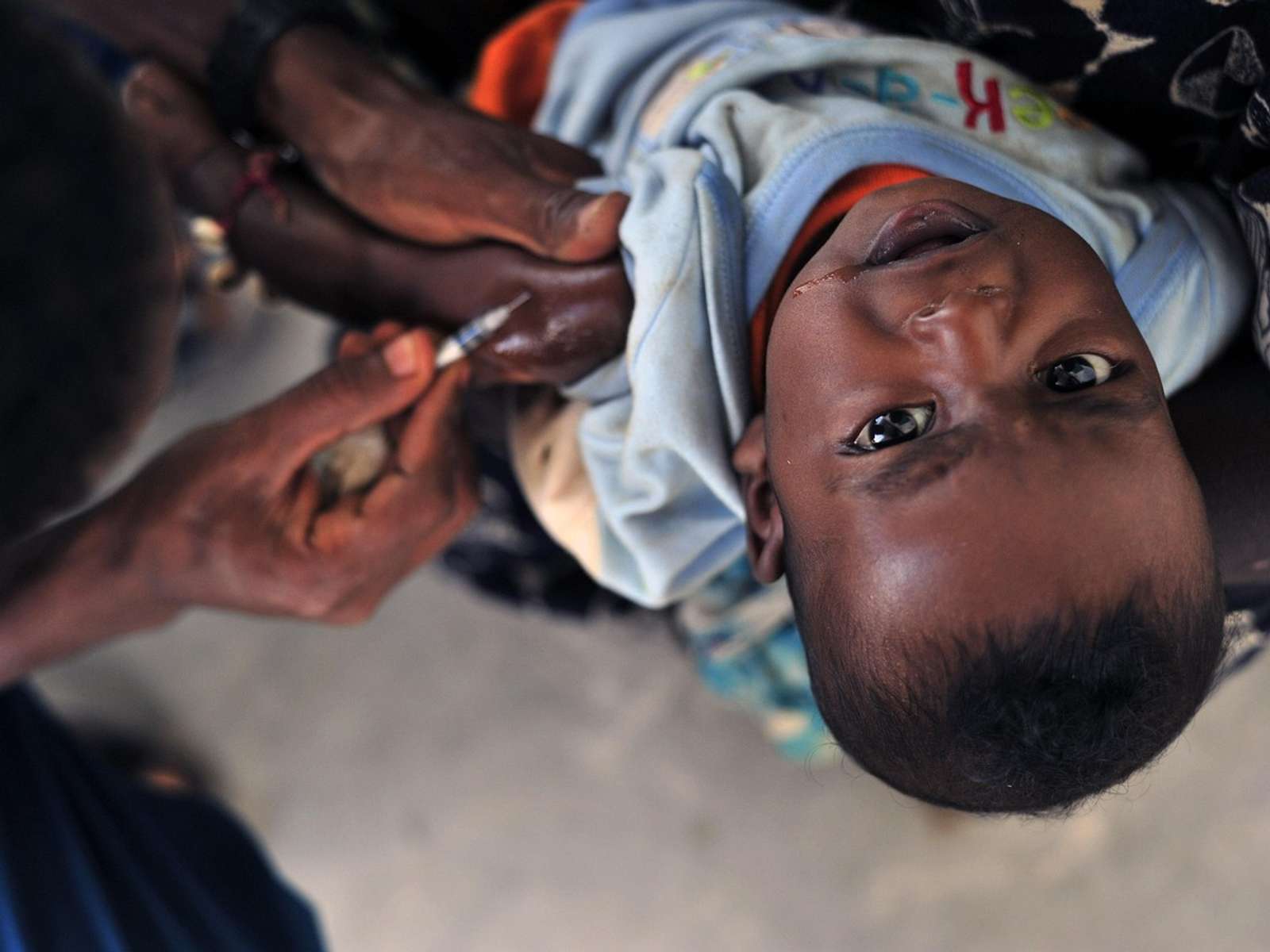
A drug given alongside standard treatment for severe malaria was safe and well tolerated in children in Kenya and Zambia, and researchers have found the dose to test in larger trials, Imperial College London said on 21 October. The results of the SEVUSMAART trial were published in Nature Communications.
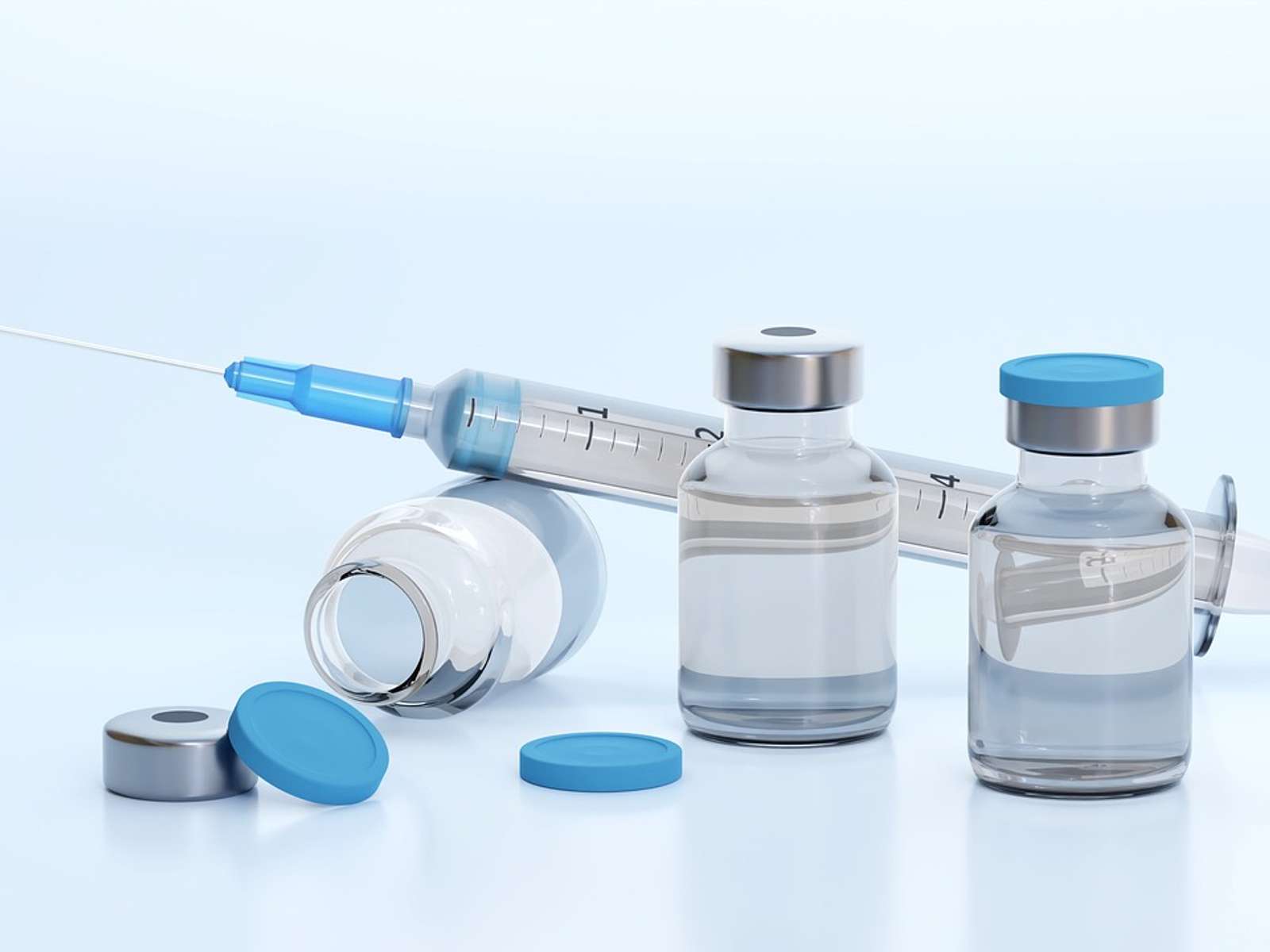
The trial gave sevuparin, a heparin-like drug developed by Modus Therapeutics, together with intravenous artesunate, the standard treatment. It enrolled 23 children with a median age of 35 months; 10 of them were in an unrousable coma.
Finding the dose in just 20 children
Using a design called the continual reassessment method, the team tested five doses and identified the best one after enrolling 20 children. Sevuparin's effects on blood clotting showed up only as laboratory changes, with no bleeding in the children, the researchers said.
“It is crucial to generate evidence for a supportive treatment that will save lives.” — Prof. Kath Maitland, Imperial College London
Why children still die even with good drugs
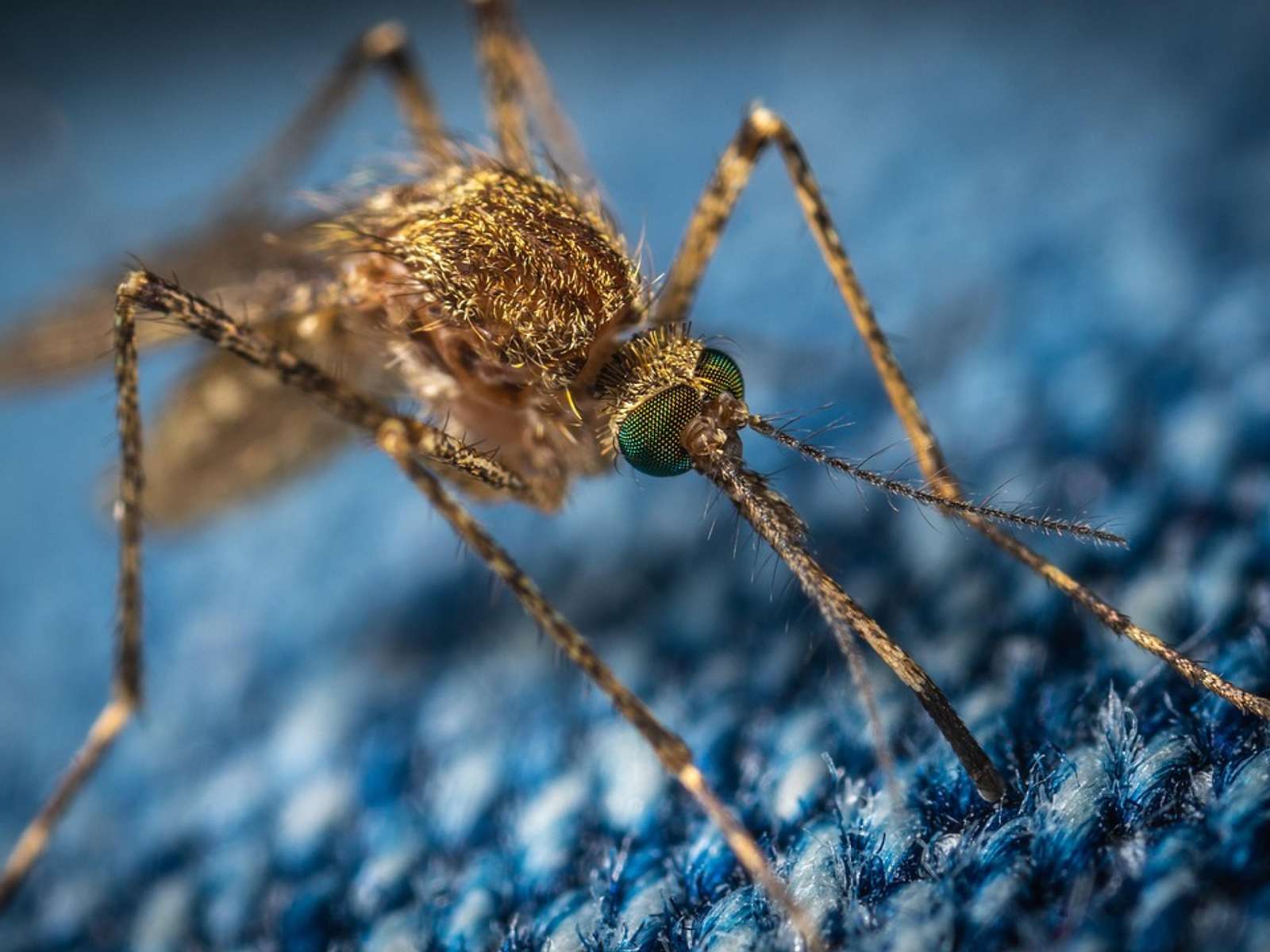
Artesunate kills malaria parasites, but children with severe malaria can still die quickly. Roughly 7 to 8 of every 100 children admitted to hospital with severe malaria die, most on the day they arrive, according to the article. Malaria caused an estimated 610,000 deaths in a year, about 580,000 of them African children. Supportive treatments added to artesunate aim to protect children during those first critical hours.
What it means for patients now
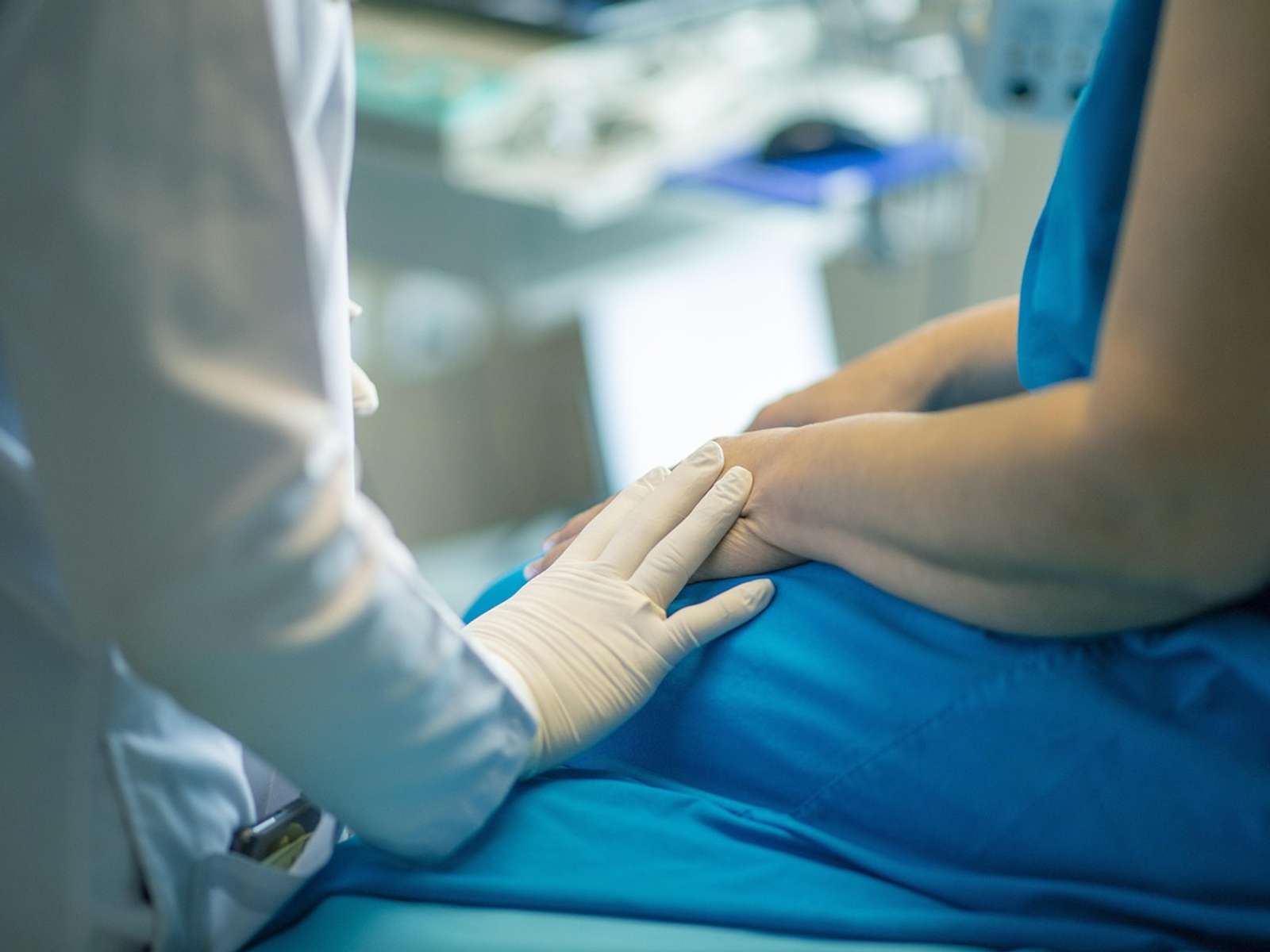
Sevuparin is not available as a malaria treatment. This was a phase 1b safety and dose-finding trial in 23 children; it was not designed to show whether the drug saves lives. The researchers plan to test its efficacy at several sites across Africa, using the dose found here. The study was funded by Wellcome, and Modus Therapeutics donated the drug.
“We are very encouraged by the early results of this trial,” said Dr Mike Chaponda of Zambia's National Health Research and Training Institute. Our explainer on clinical trial phases shows how far a drug still has to go after phase 1.
Not medical advice. This article reports on research and health programs for general information. Results from early studies often change in larger trials. Talk to a doctor before making decisions about your own health or treatment.
Sources
- Imperial College London · imperial.ac.uk
How we choose and verify sources: editorial policy.