UNICEF sends 75,000 vials of medicine for children with leishmaniasis in Pakistan's Khyber Pakhtunkhwa
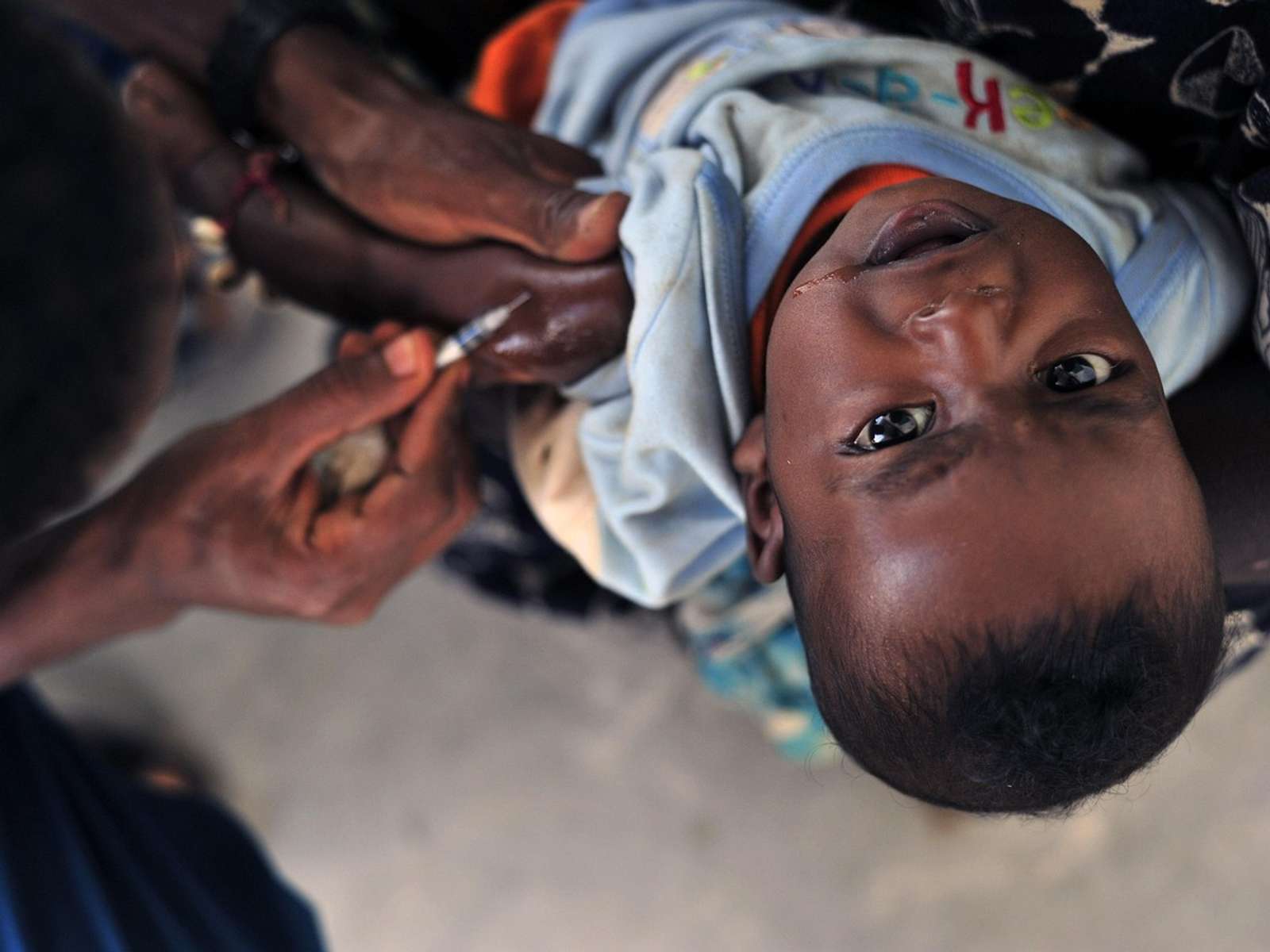
UNICEF has handed 75,000 vials of medicine to health authorities in Khyber Pakhtunkhwa, where more than 10,500 leishmaniasis cases have been reported this year, over 4,400 of them in children under 16.
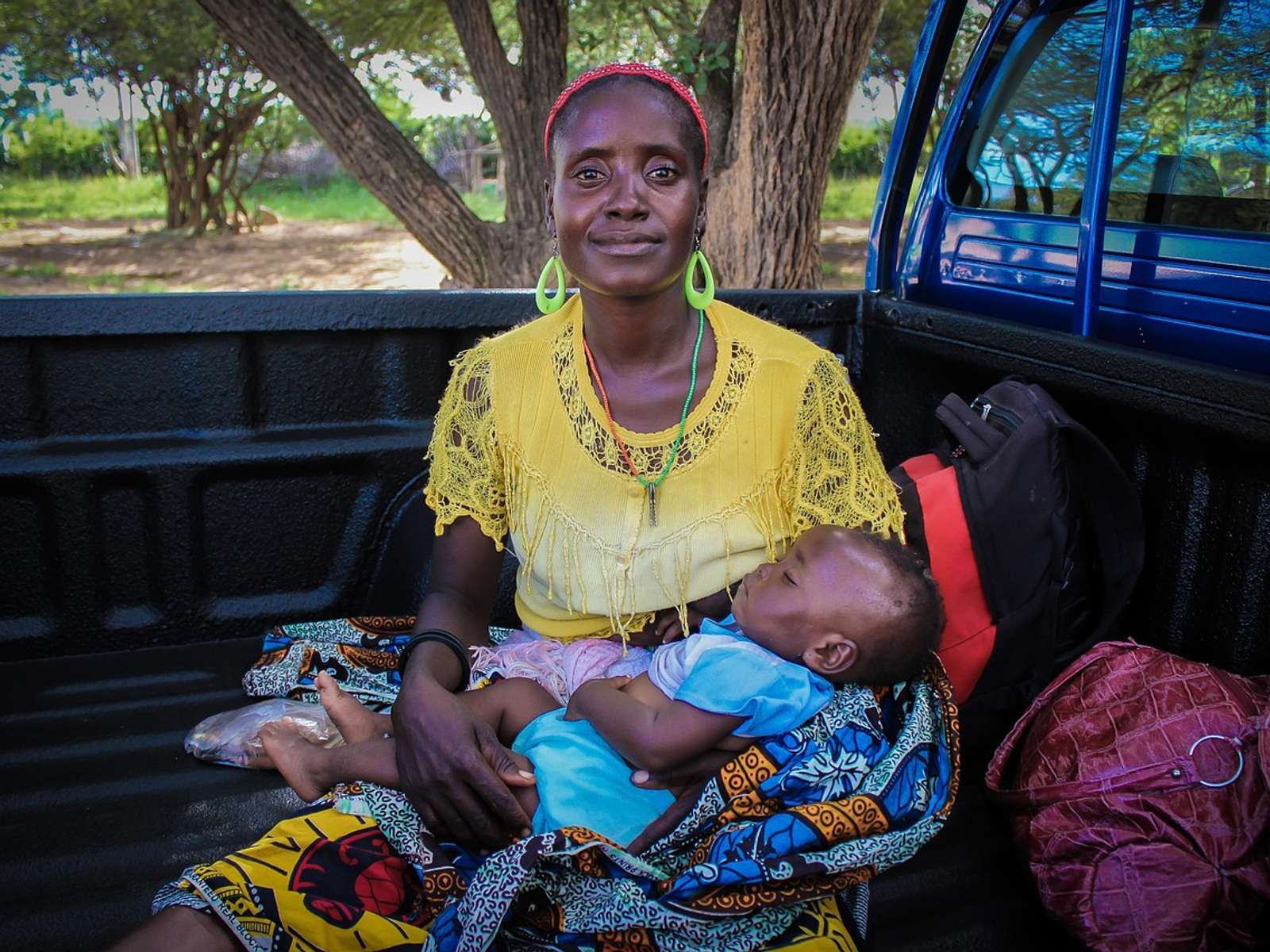
UNICEF has delivered 75,000 vials of medicine to treat children and adults with leishmaniasis in Pakistan's Khyber Pakhtunkhwa province, UNICEF Pakistan said on 16 October. The supplies were handed to the provincial Department of Health in Peshawar for distribution through selected health facilities.
More than 10,500 leishmaniasis cases have been reported in the province since January, and over 4,400 of them were children under 16.
A disease spread by sandflies
Leishmaniasis is a parasitic disease spread by the bite of infected female sandflies. It has three main forms, according to the World Health Organization: cutaneous, the most common, which causes skin ulcers; mucocutaneous, which affects the mouth, nose and throat; and visceral, the most serious, which is usually fatal without treatment. WHO estimates 600,000 to 1 million new cutaneous cases worldwide each year, though only about 200,000 are reported.
The disease is treatable and curable, WHO says, but the right medicine depends on the form of the disease and the parasite species. Untreated skin ulcers can leave lasting scars, which carry a social stigma for children and especially for girls.
“Leishmaniasis remains a significant public health concern in several districts of Khyber Pakhtunkhwa.” — Laeeq Ahmed, Additional Secretary of Health, Ministry of National Health Services Regulations and Coordination
What it means for patients now
The medicine is meant for patients diagnosed at the health facilities chosen by the provincial health department. UNICEF's release does not name the drug or say how many patients the 75,000 vials can treat, since treatment courses vary with the form of the disease and the size of the patient. Families with a child who has a sore that does not heal should seek care at a health facility.
Getting treatment has long been hard in the province. The first-line drugs, antimonials such as meglumine antimoniate, are not manufactured in Pakistan and are not widely available in public health facilities, Médecins Sans Frontières reported in 2023. It said MSF and WHO were the only two providers of the medicine in the country, and private clinics often sell it at high prices.
MSF treated 1,645 patients in Khyber Pakhtunkhwa in 2022, at a hospital in Peshawar and two satellite clinics nearby. It has also described patients who stopped going to school because of discrimination from schoolmates over their scars.
“Every child has the right to healthcare so they can grow, learn and thrive,” said Pernille Ironside, UNICEF's representative in Pakistan. UNICEF has not said who funded the supplies or whether more deliveries are planned. Other efforts to bring treatment closer to children are collected under healthcare access.
Not medical advice. This article reports on research and health programs for general information. Results from early studies often change in larger trials. Talk to a doctor before making decisions about your own health or treatment.
Sources
- UNICEF Pakistan · unicef.org
- who.int
- msfsouthasia.org
How we choose and verify sources: editorial policy.