A river cleanup program that pays for results has removed 492 tonnes of waste and now expands to Bali
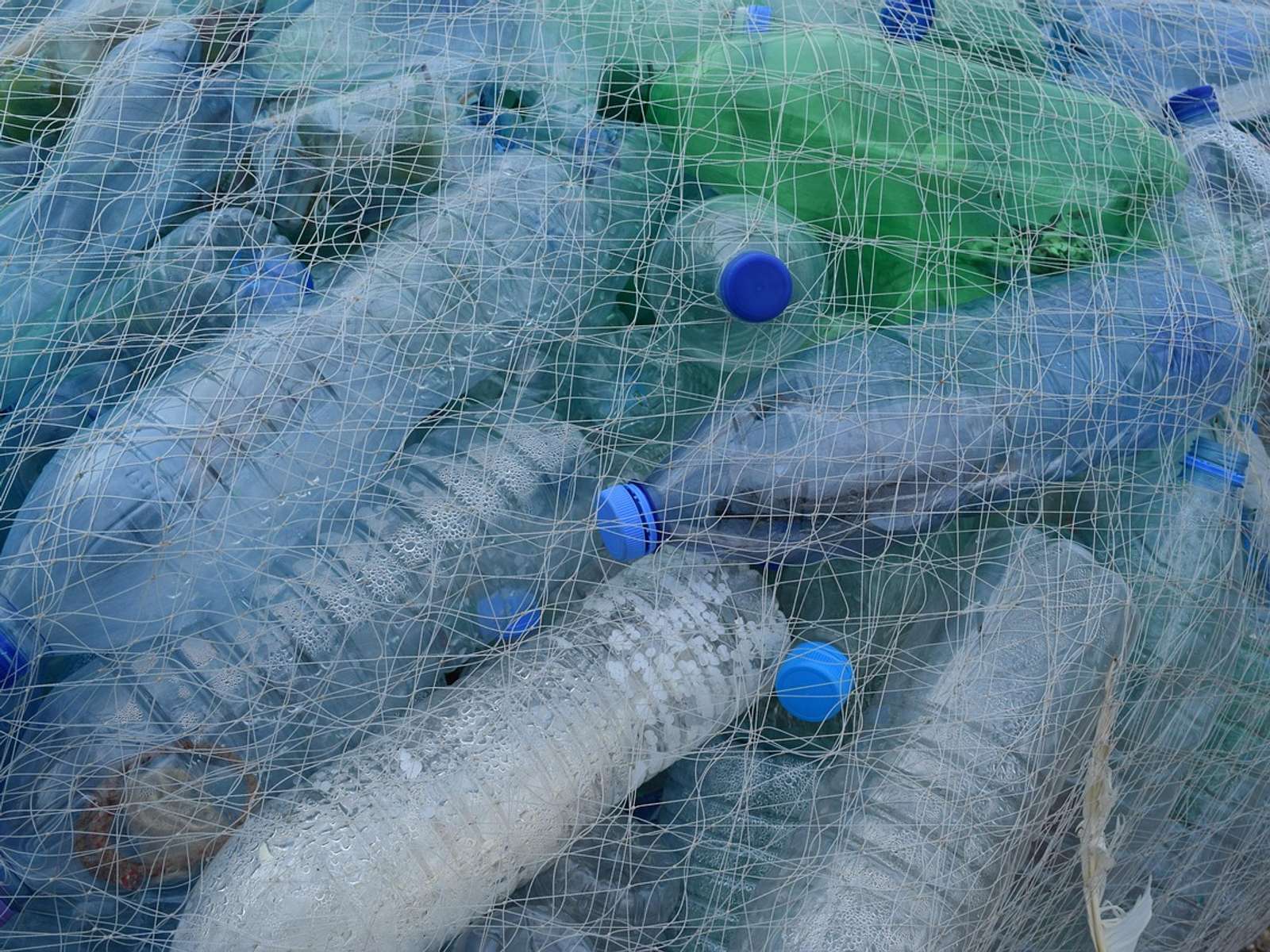
Indonesia and UNDP launched the Sungai Lestari program in Bali to stop plastic reaching the sea. In Surabaya and Surakarta it has already removed 492 tonnes of waste from four rivers, paying groups only for verified results.
Indonesia and the UN Development Programme have taken a river cleanup program that pays community groups only for verified results to Bali, UNDP Indonesia said on 16 October. The Sungai Lestari program, short for the Partnership for Preventing Riverine Plastic Pollution, has already removed 492 tonnes of waste from four rivers in Surabaya and Surakarta since May 2026.
The launch, with the Coordinating Ministry for Food Affairs, was marked by a mangrove clean-up. The program is supported by Clean Rivers, a foundation backed by the United Arab Emirates.
Groups are paid for waste that is weighed and diverted
The key feature is how the money flows. Funding for civil society organizations is linked to independently verified results, based on how much waste they recover and properly divert from the environment. UNDP says the approach strengthens accountability and shows which local methods actually work.
In Java, the first phase mobilized four civil society groups, 55 waste banks, 1,200 women and 20 urban villages, working with local environmental agencies. The program covers prevention, separation, collection of untreated waste at the river and recycling before anything reaches a landfill.
“Clean rivers, on the other hand, allow them to flourish.” — Zulkifli Hasan, Coordinating Minister for Food Affairs, on the shrimp, crabs and fish that live in rivers
Rivers carry waste to Bali's mangroves and reefs
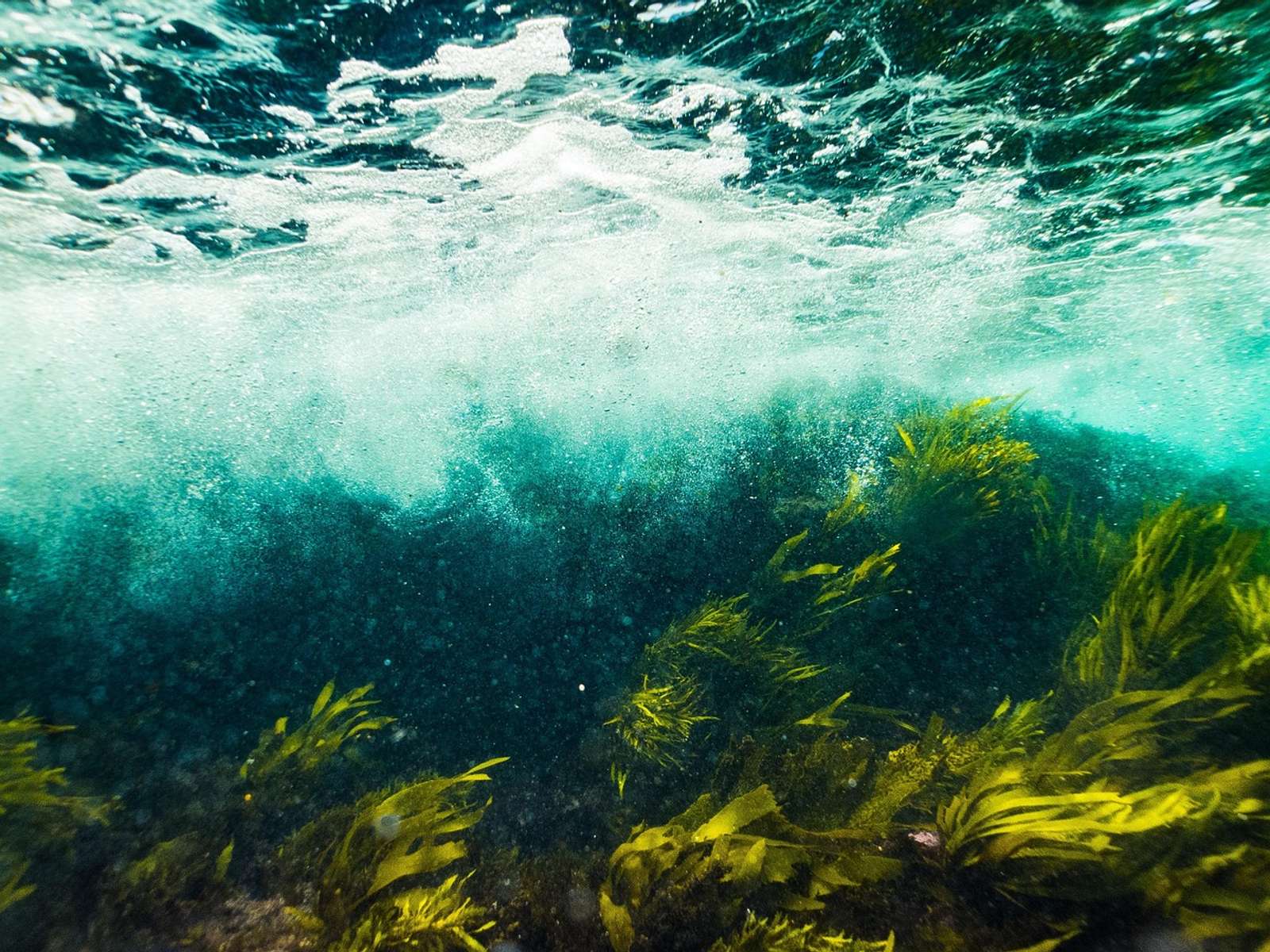
Bali's pilot sites are two rivers, Tukad Badung in Denpasar and Tukad Mati in Badung Regency. Rivers carry land-based waste to the coast, where it can damage mangroves and seagrass. Indonesia has about 3.46 million hectares of mangroves and 660,000 hectares of seagrass meadows, the minister said, ecosystems that store carbon and feed fisheries.
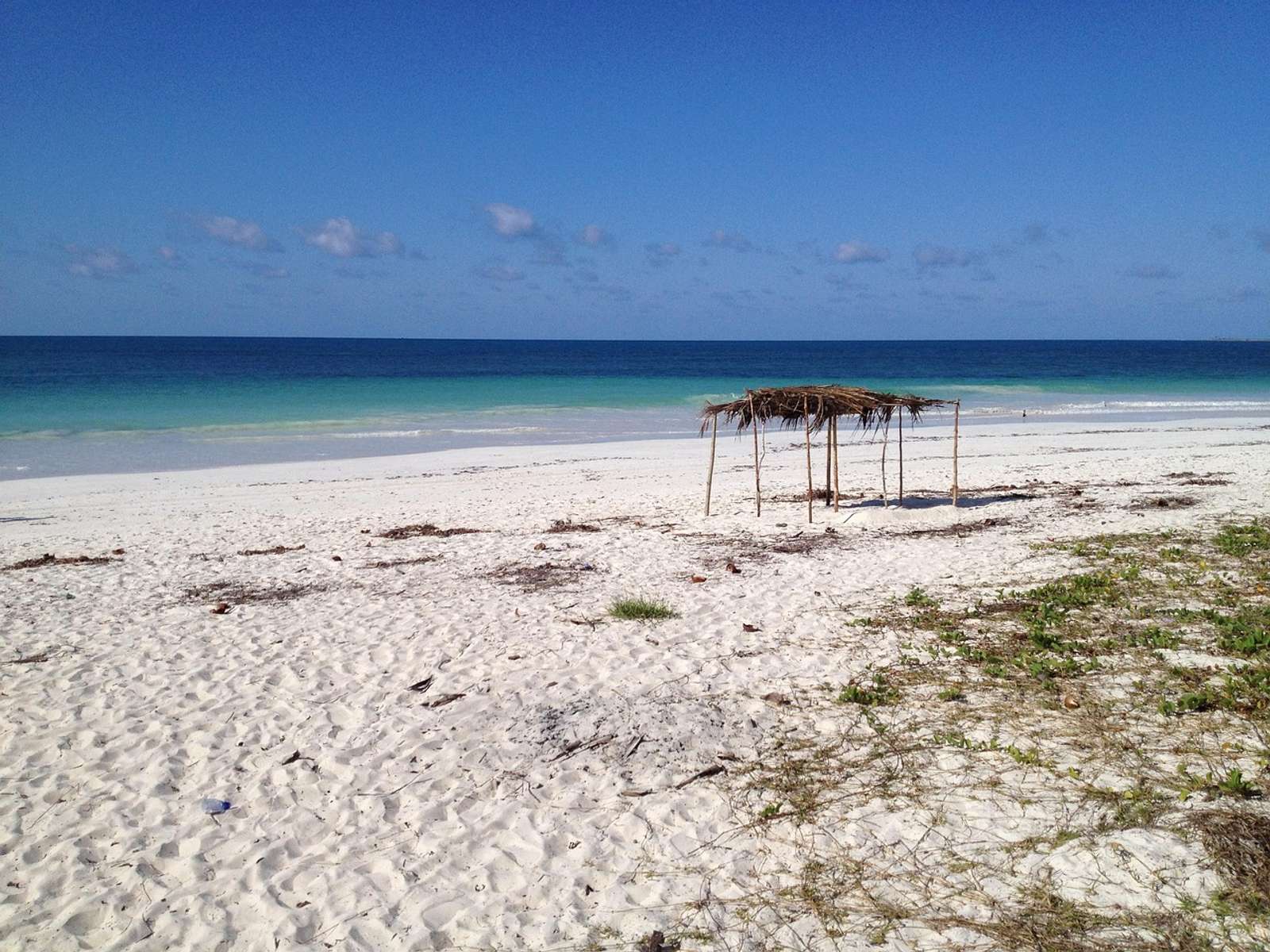
Bali's economy also depends on clean water and beaches. The provincial government is investing in downstream treatment, including a planned waste-to-energy plant in Denpasar; Sungai Lestari is meant to stop the leaks before waste gets that far.
Turning waste into income has worked elsewhere too: on Kenya's Pate Island, a community group earns money from the plastic it collects.
A national goal of cutting marine debris by 70%
Between 200,000 and 550,000 tonnes of plastic waste reach the ocean from Indonesia each year, according to a 2021 World Bank estimate cited by the French Development Agency (AFD), which lent Indonesia €200 million in November 2024 to support plastic reforms. The country's national action plan on marine plastic debris for 2017 to 2025 set the goal of cutting marine debris by 70% by 2025.
Against that scale, 492 tonnes is a small amount. UNDP presents Sungai Lestari as a way to find out which local approaches work before they are used more widely. The AFD release, from December 2024, does not say how close Indonesia was to its 70% target.
Five locations, results to be verified
Sungai Lestari operates in Bekasi, Surakarta, Surabaya, Sidoarjo and Bali. Waste workers at the launch received membership cards for BPJS Ketenagakerjaan, the national employment social security program. UNDP has not yet published a target for how much waste the Bali sites should remove or how long the funding will last.
Sources
- UNDP Indonesia · undp.org
- afd.fr
How we choose and verify sources: editorial policy.