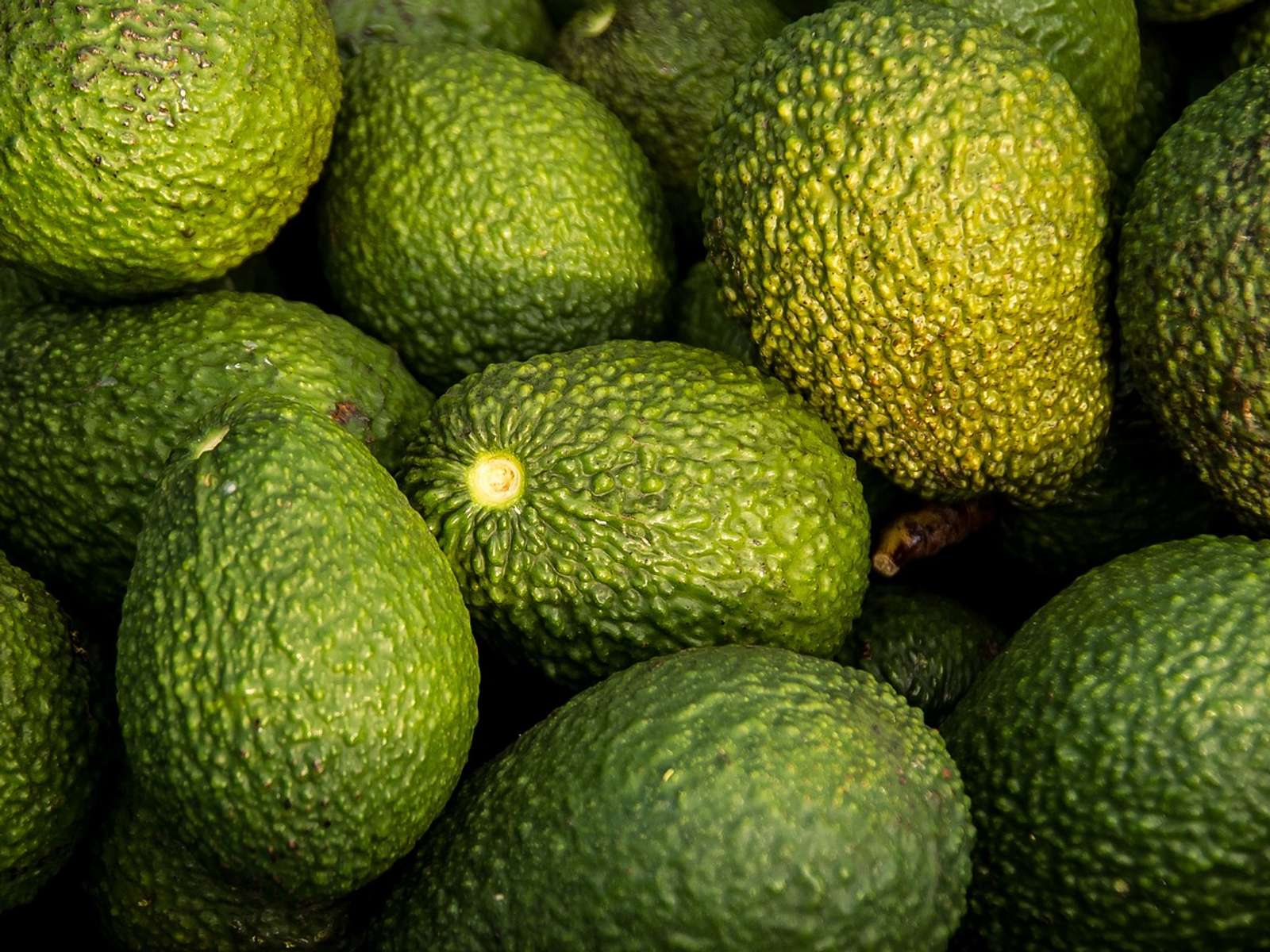
University of Maryland researchers used robots and machine learning to design a biodegradable, bio-based food wrap. Avocados in it stayed fresh for seven days at room temperature, and cucumbers spoiled less than in plastic wrap.
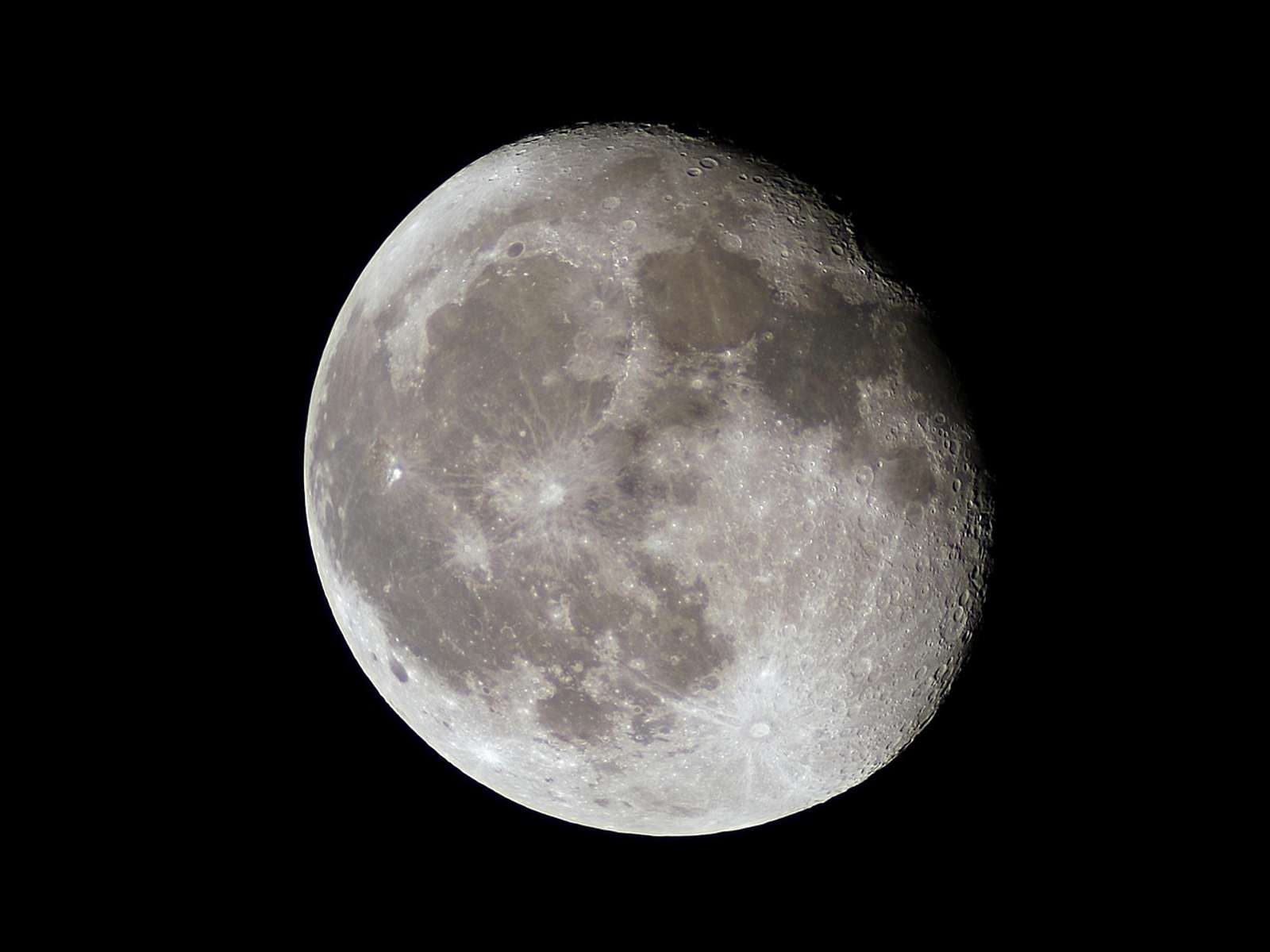
MIT's CERBERUZ team won NASA's LunaRecycle Challenge with a machine that grinds mixed plastics and aerospace foam into powder and molds it into new parts, with no water or chemicals. The team won $925,000 over the competition.
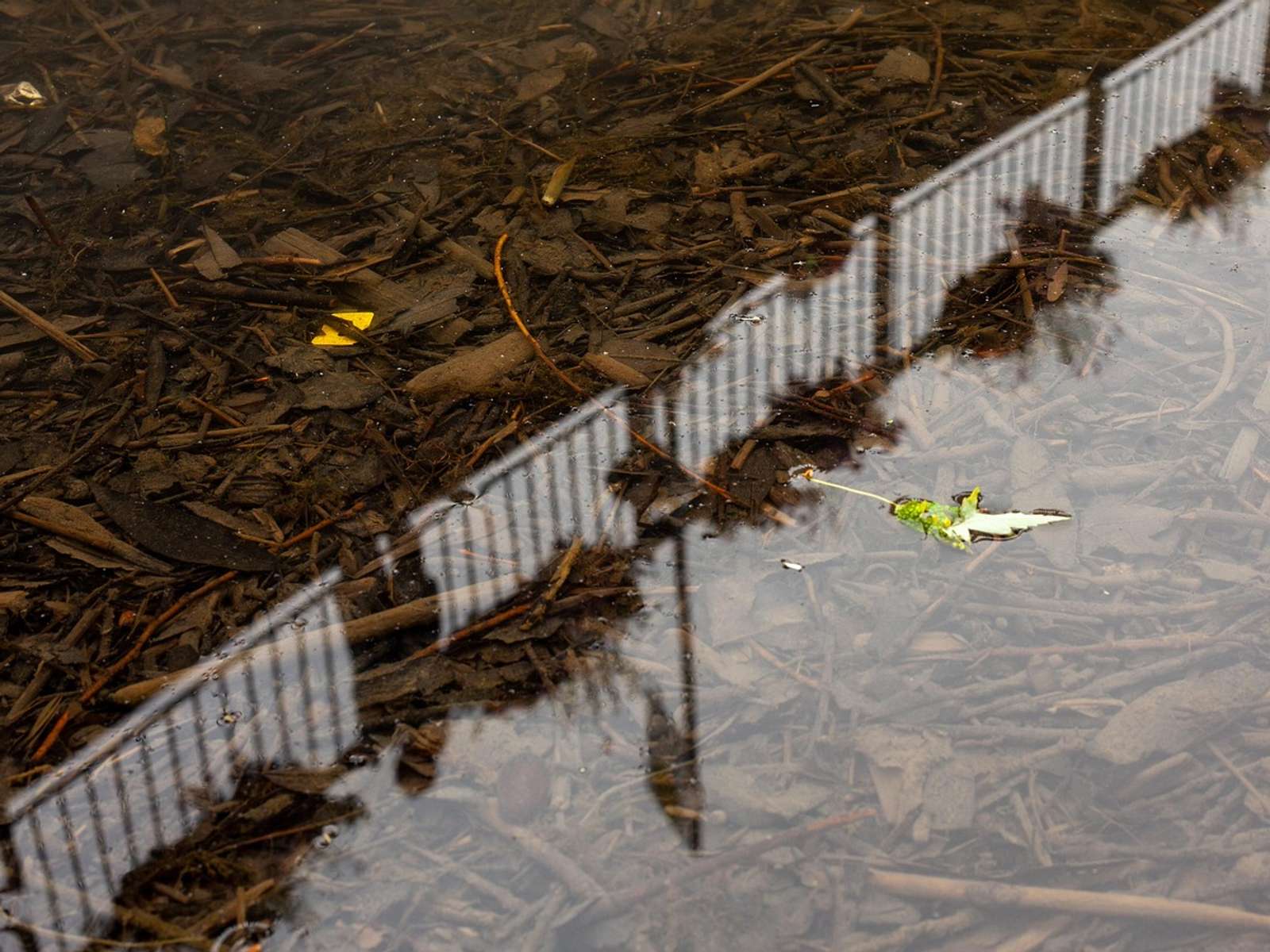
Indonesia and UNDP launched the Sungai Lestari program in Bali to stop plastic reaching the sea. In Surabaya and Surakarta it has already removed 492 tonnes of waste from four rivers, paying groups only for verified results.
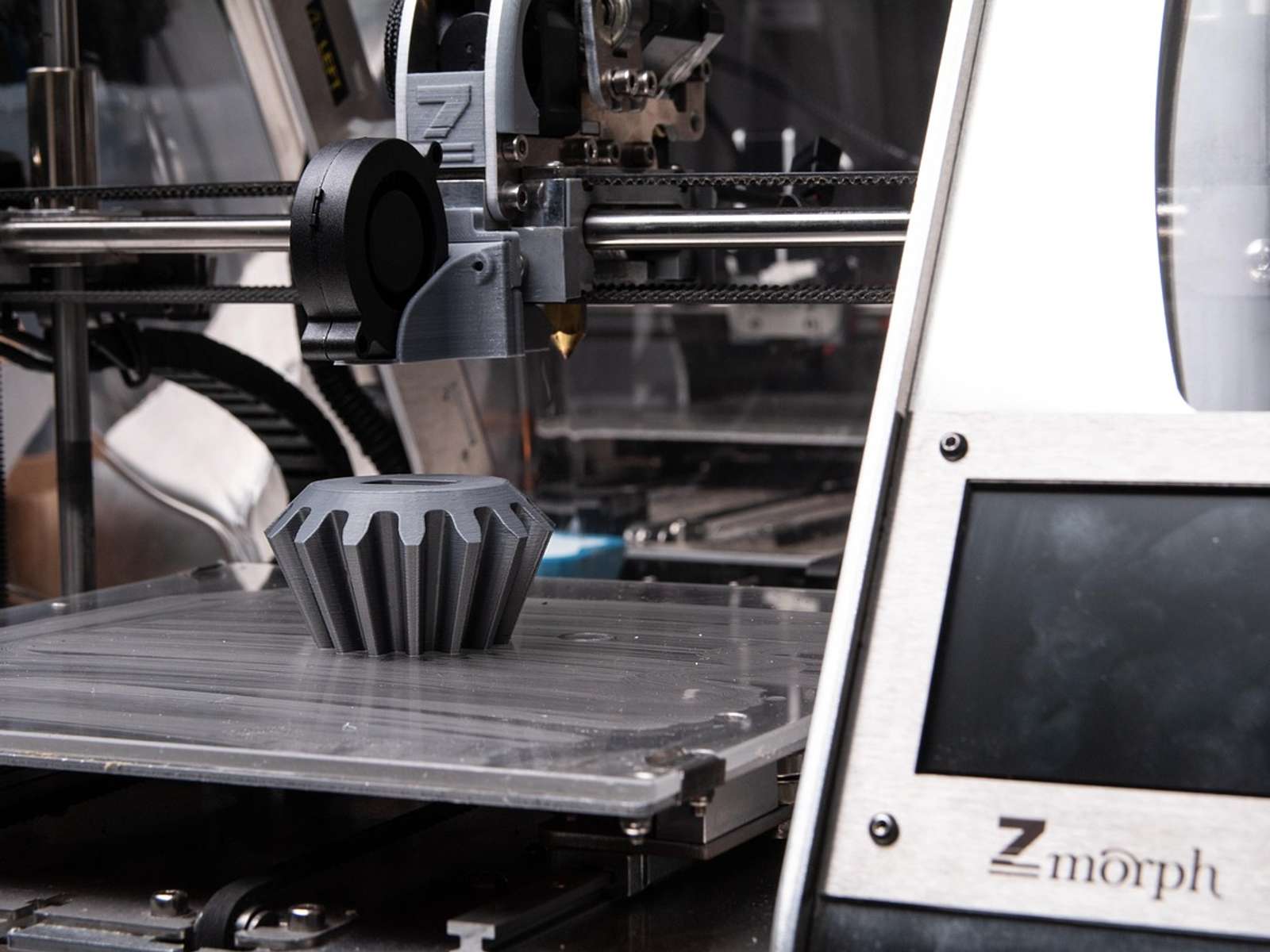
Cape Recife High School, a special needs school in the Eastern Cape, won South Africa's 2026 Samsung Solve for Tomorrow competition with a device that turns plastic bottles into 3D-printer filament for sports gear.
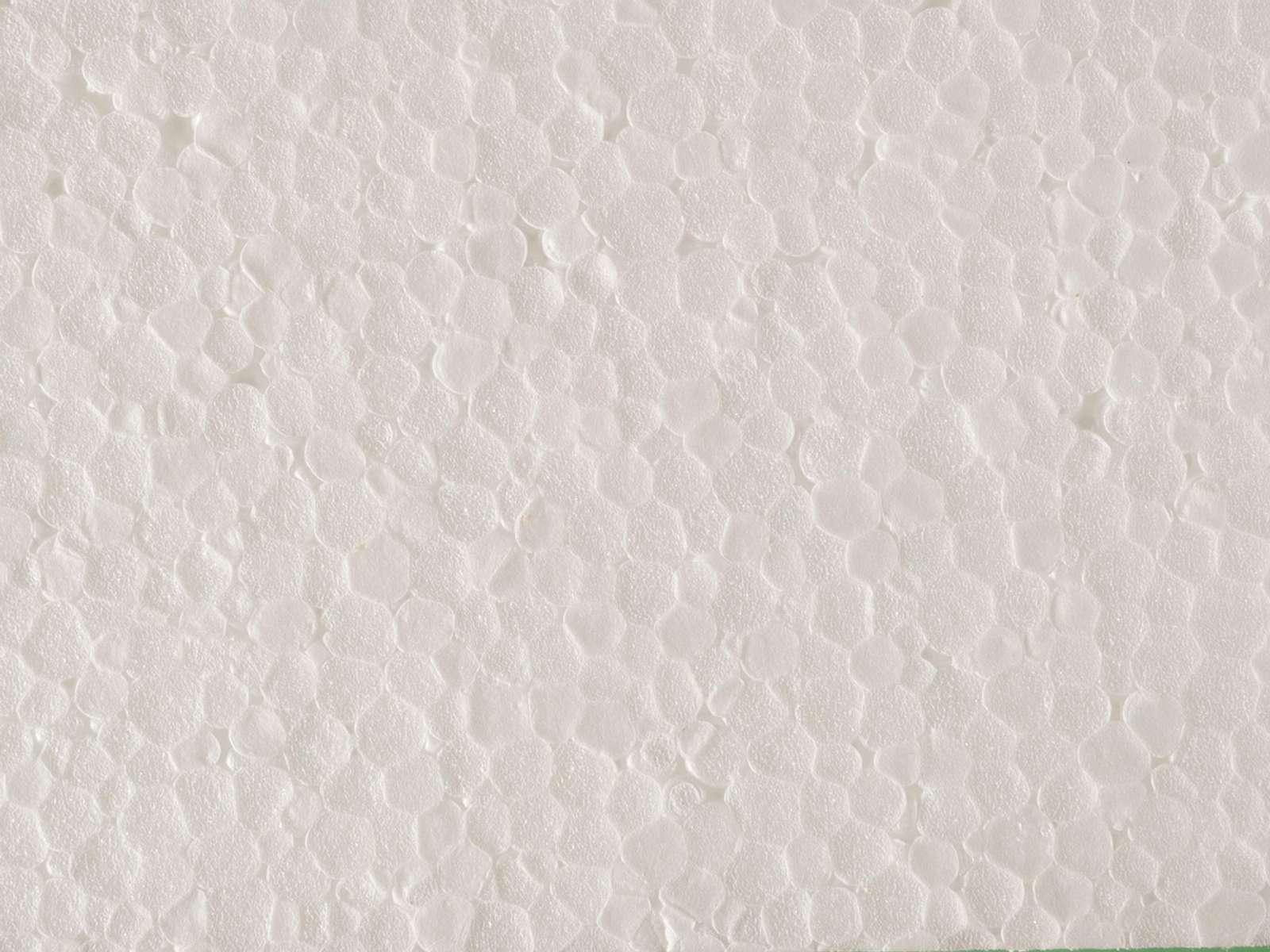
Scientists led by Germany's Helmholtz-Zentrum Hereon made a polystyrene with about 50% plant-based content, produced with microwaves and designed with breaking points so it can be broken down after use.
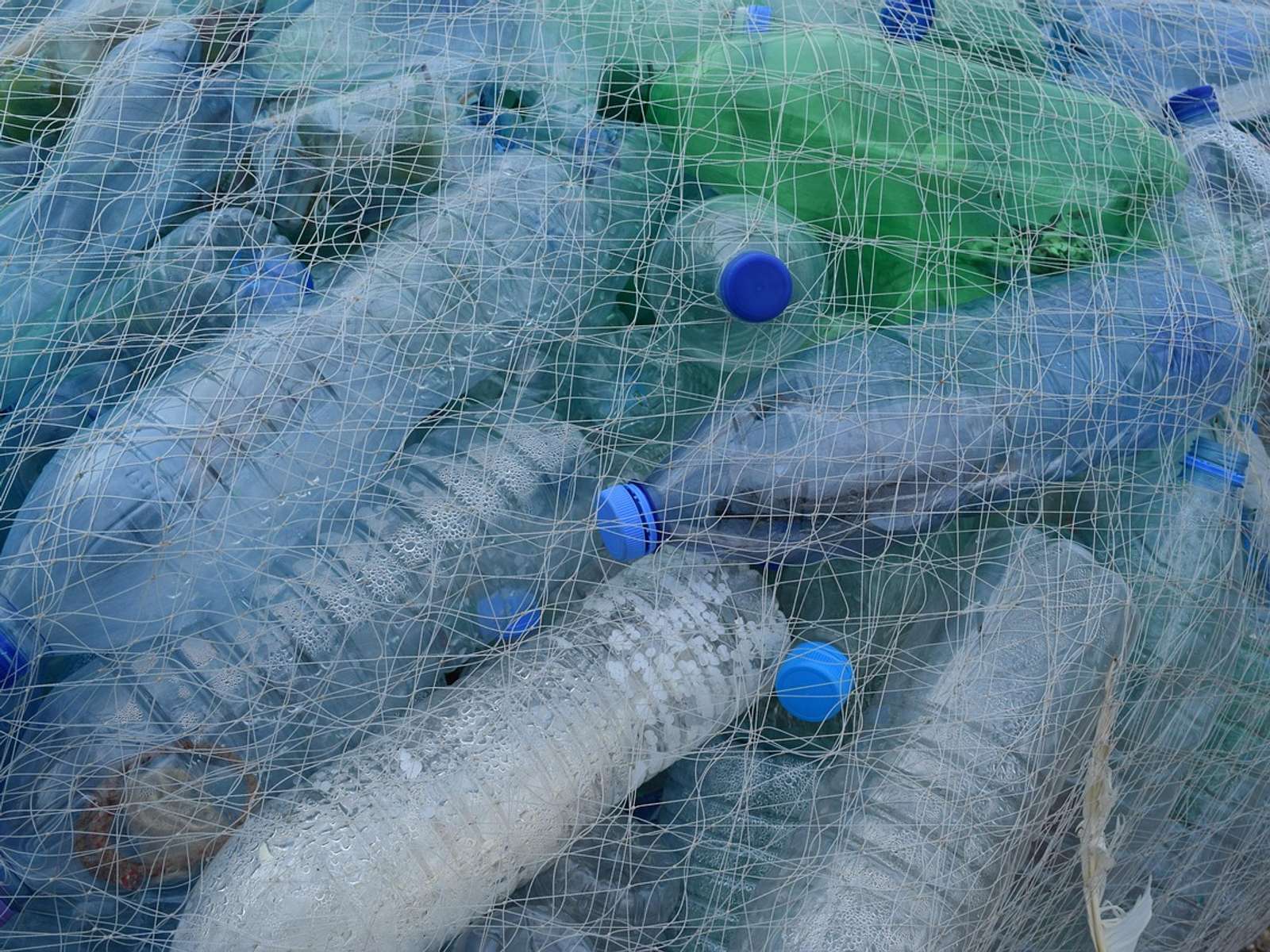
On Kenya's Pate Island, a community group collected 18.1 tonnes of plastic in eight months, earns money from the waste and is restoring one of the island's historic gates with recycled plastic.
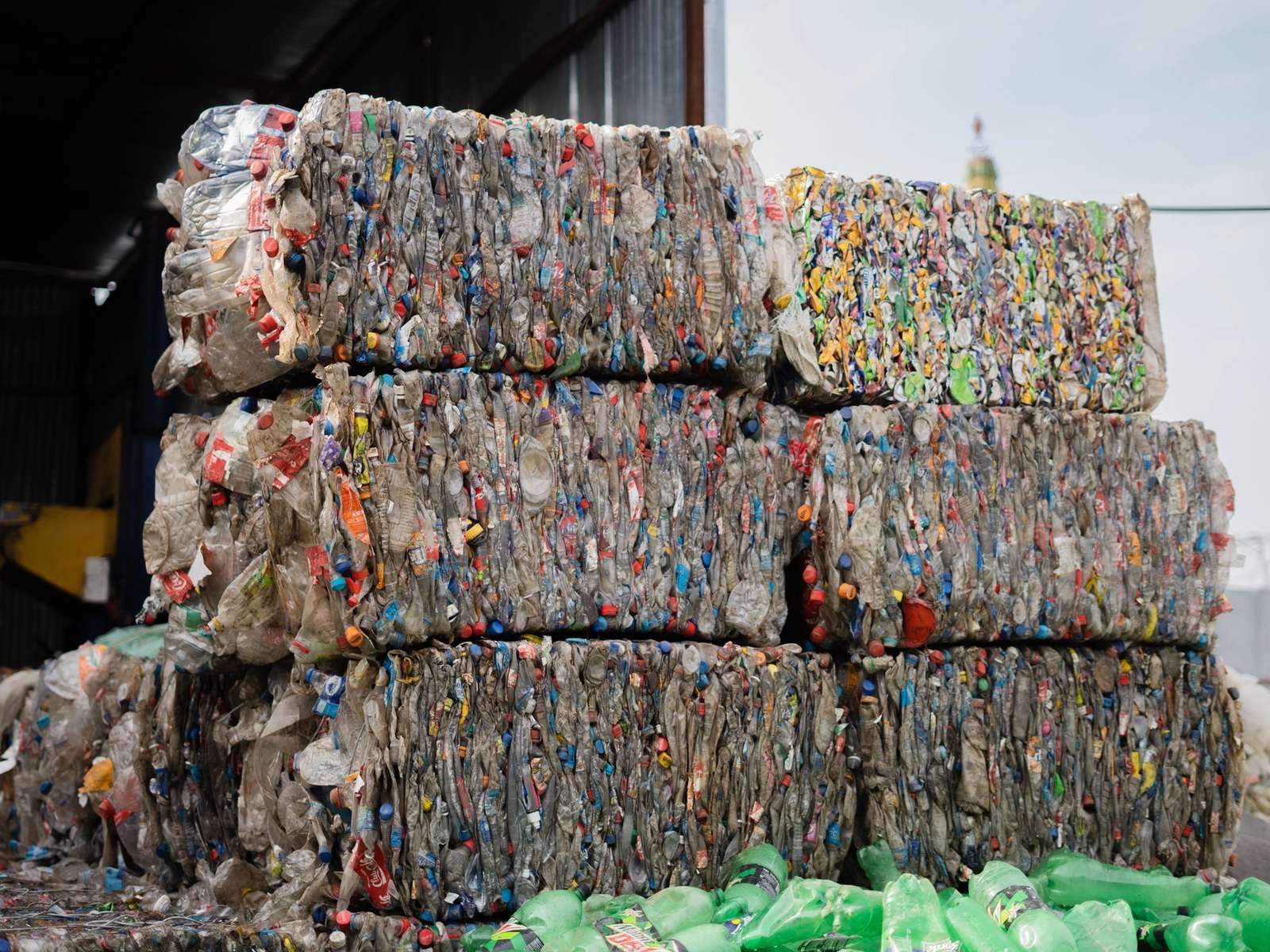
A University at Buffalo team led by Amit Goyal has built a sensor that measures recycled plastic content directly, without relying on paperwork, earning two 2026 R&D 100 Awards and a patent application.