An AI-designed, biodegradable food wrap kept avocados and cucumbers fresh longer than plastic
University of Maryland researchers used robots and machine learning to design a biodegradable, bio-based food wrap. Avocados in it stayed fresh for seven days at room temperature, and cucumbers spoiled less than in plastic wrap.
By Diego Callegari, Editor
· United States · 1 min read
Source: University of Maryland (Maryland Today) ↗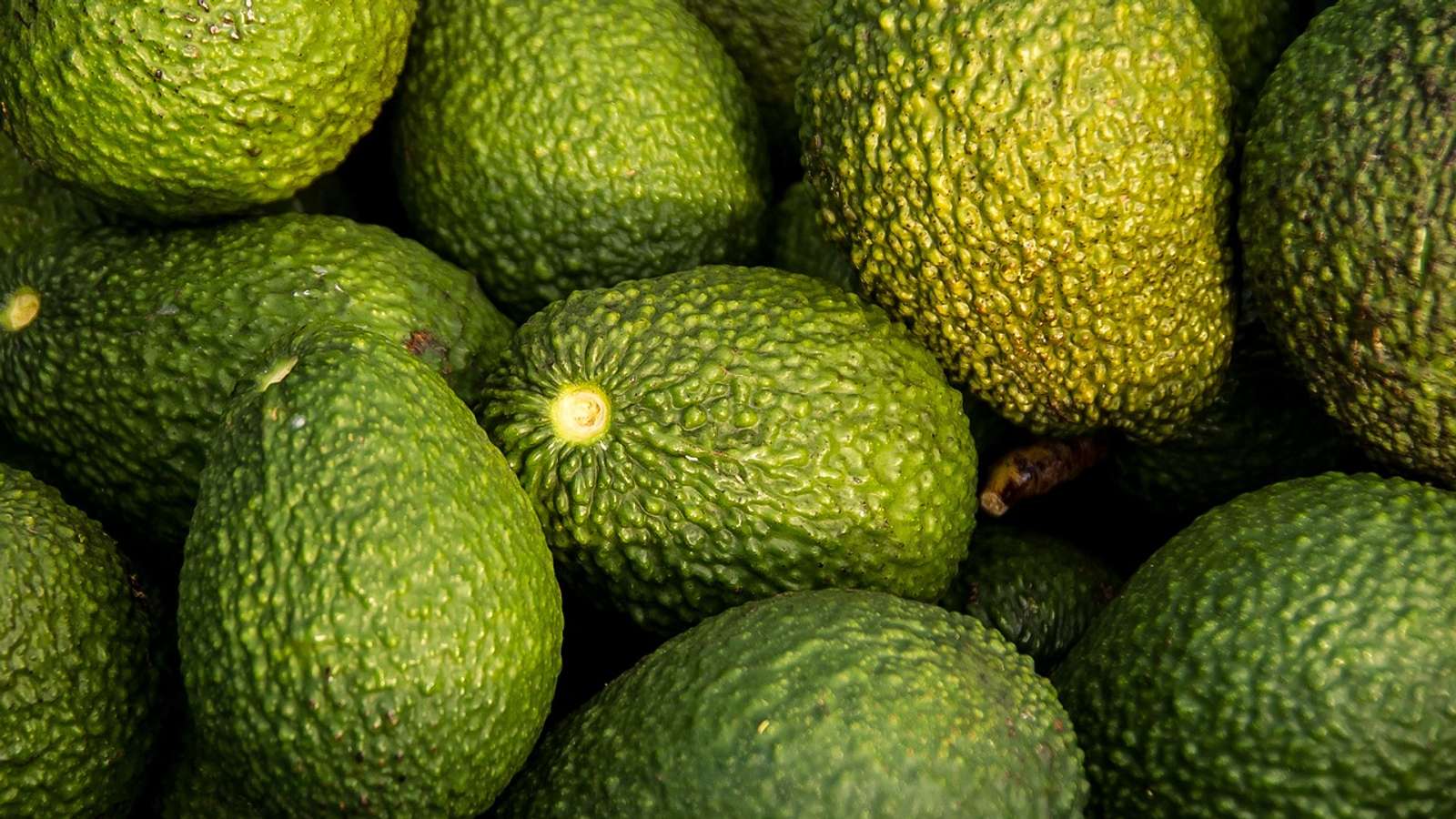
Researchers at the University of Maryland have designed a biodegradable, bio-based food wrap that kept avocados and cucumbers fresh longer than unwrapped produce and standard plastic wrap, Maryland Today reported on 30 October. The findings were published in Science Advances.
Robots and AI search for the recipe
The goal was a bio-based wrap with the strength of conventional plastic wrap that also protects the food inside. To find the right formulation, the team led by Po-Yen Chen, associate professor of chemical and biomolecular engineering, built a workflow that combines automated robots, machine-learning predictions and chemical engineering. The university did not describe the wrap's exact chemistry.
“Food packaging needs to do more than replace plastic, it also needs to protect the food inside.” — Po-Yen Chen, University of Maryland
Seven days for avocados, less spoilage for cucumbers
Hass avocados wrapped in the new material stayed fresh for seven days at room temperature, while unwrapped avocados spoiled. In a second test, cucumbers wrapped in standard low-density polyethylene plastic wrap showed significantly more spoilage by day 15 than cucumbers in the bio-based wrap. The university's summary describes the shelf life as doubled, but did not give the exact baseline for that figure.
“By combining AI with robotic experimentation, we can accelerate the development of bio-based materials,” Chen said. The team has released its AI design platform to other researchers.
Not yet on store shelves
The results come from controlled tests on two kinds of produce. The team plans to extend the technology to other fruits and vegetables; the university did not say when or whether the wrap could be produced commercially, or what it would cost compared with plastic. More stories about reducing plastic are collected under plastics.
Sources
- University of Maryland (Maryland Today) · today.umd.edu
How we choose and verify sources: editorial policy.