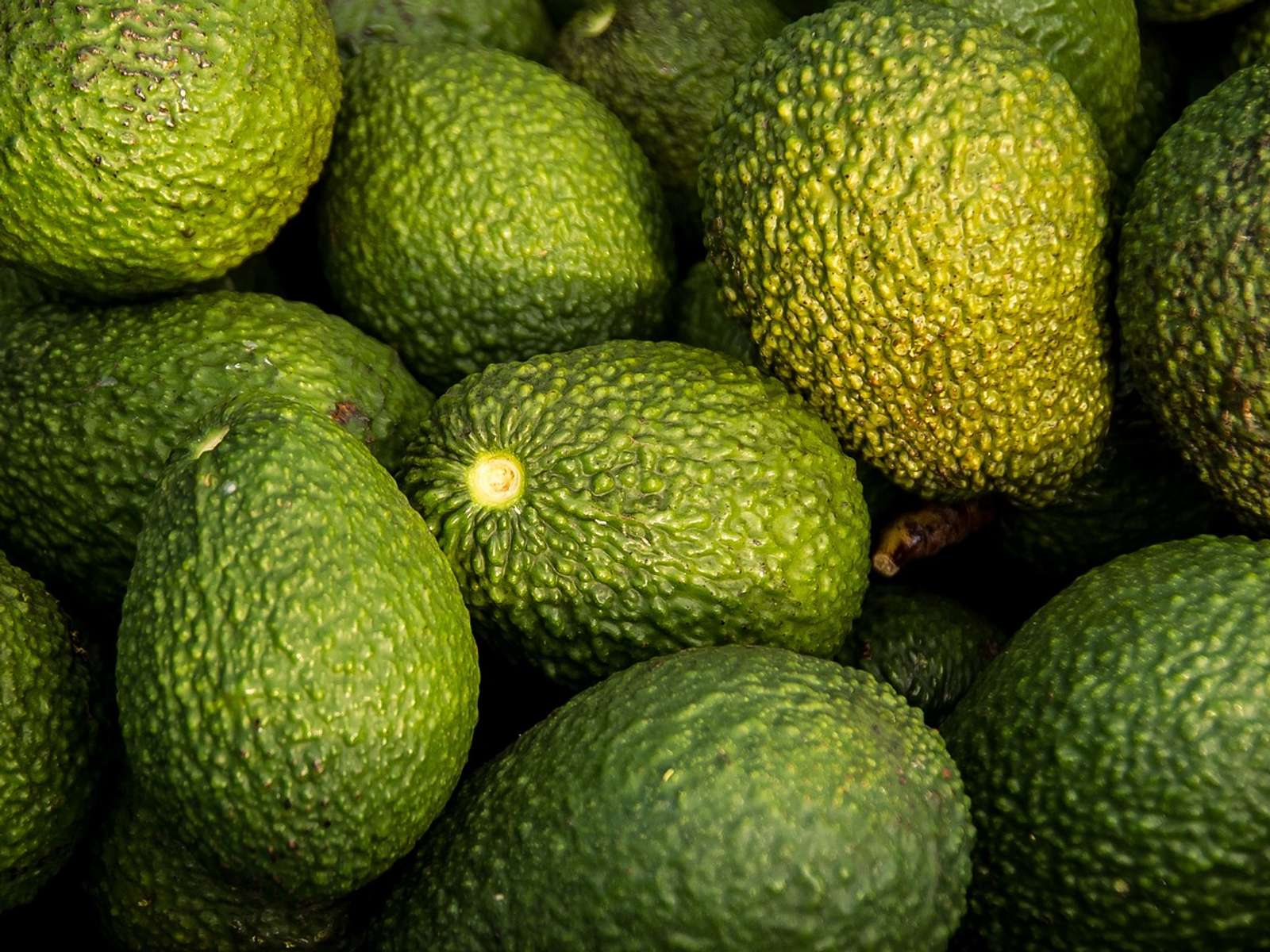
University of Maryland researchers used robots and machine learning to design a biodegradable, bio-based food wrap. Avocados in it stayed fresh for seven days at room temperature, and cucumbers spoiled less than in plastic wrap.
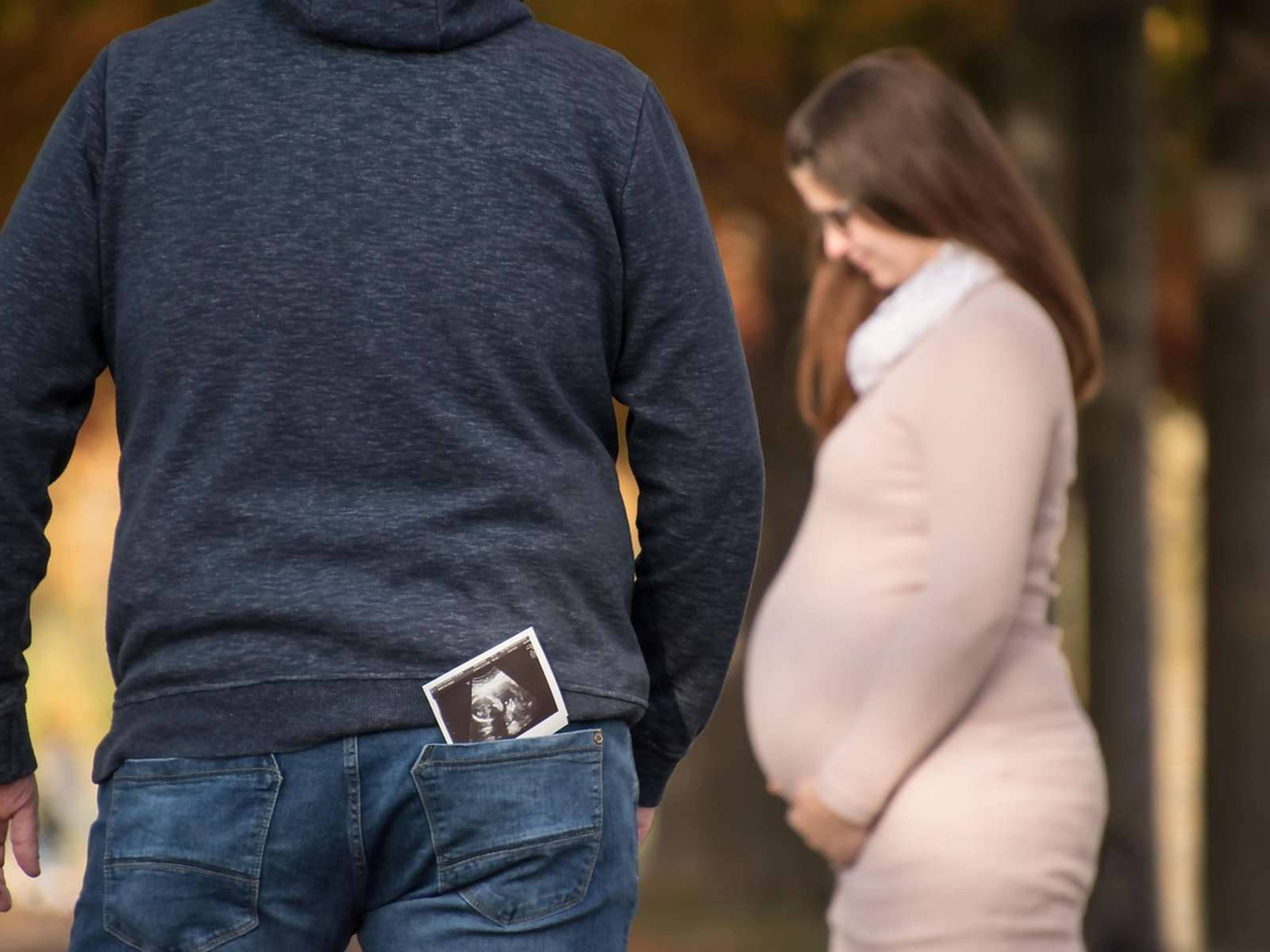
MIT and Boston Children's Hospital researchers built E(3)-Pose, a model that uses the left-right symmetry of the fetal head to track its position during MRI, so scans can adjust on the fly instead of leaving gaps.

MIT researchers built an AI model that links 3D crystal structures with written descriptions of their properties. Asked for solid-state battery electrolytes, it surfaced materials already identified as promising candidates.
The Rockefeller Foundation and the OpenAI Foundation are committing $50 million to Cities Deliver, which will fund groups that work with city governments on AI for health, jobs, climate resilience and public services. Proposals are due 29 November.
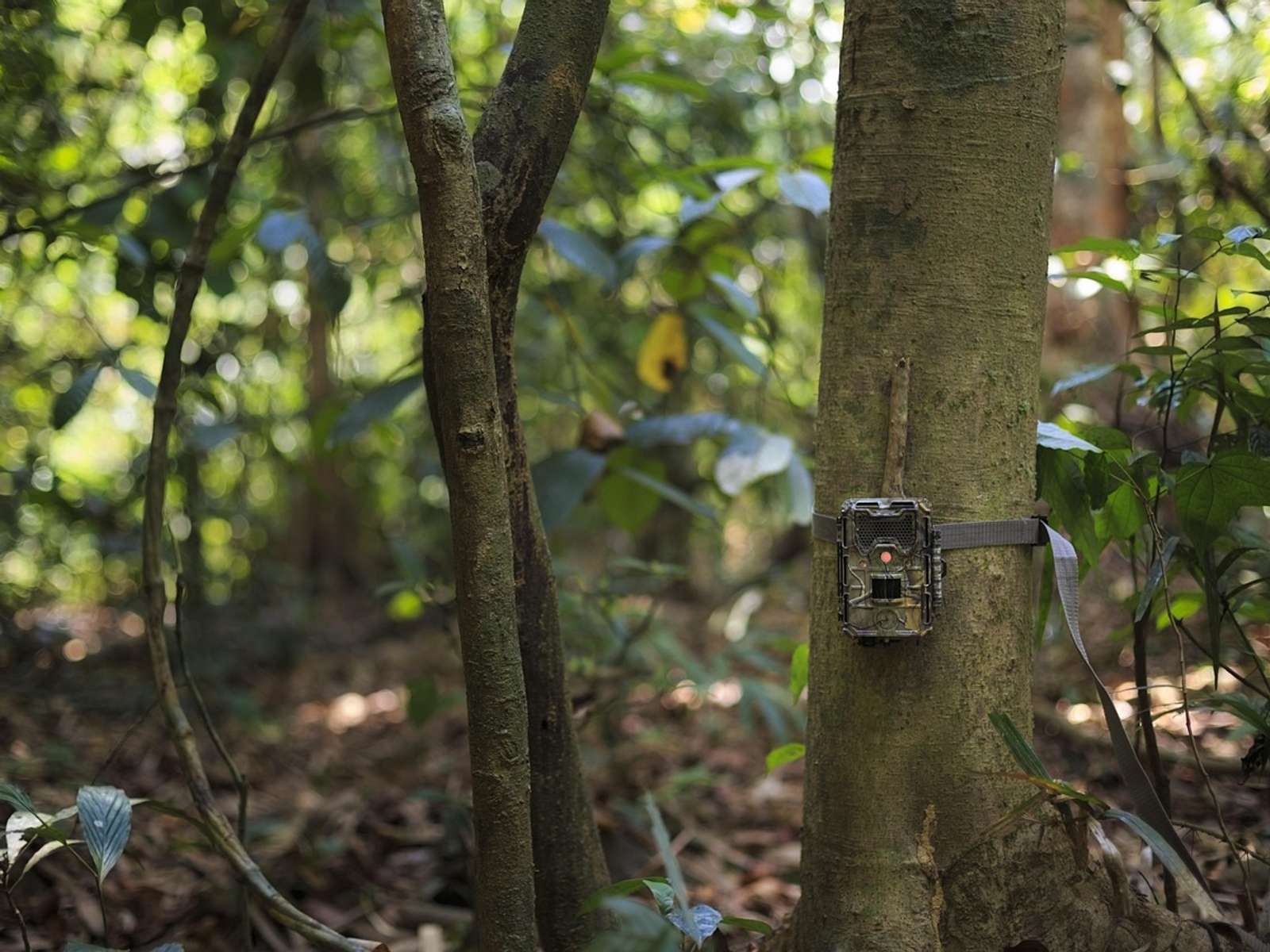
Rangers in the Warddeken Indigenous Protected Area used the open AI model MegaDetector to filter empty camera-trap photos, cutting the images they had to check from 925,088 to 172,290 and processing time from six months to two.
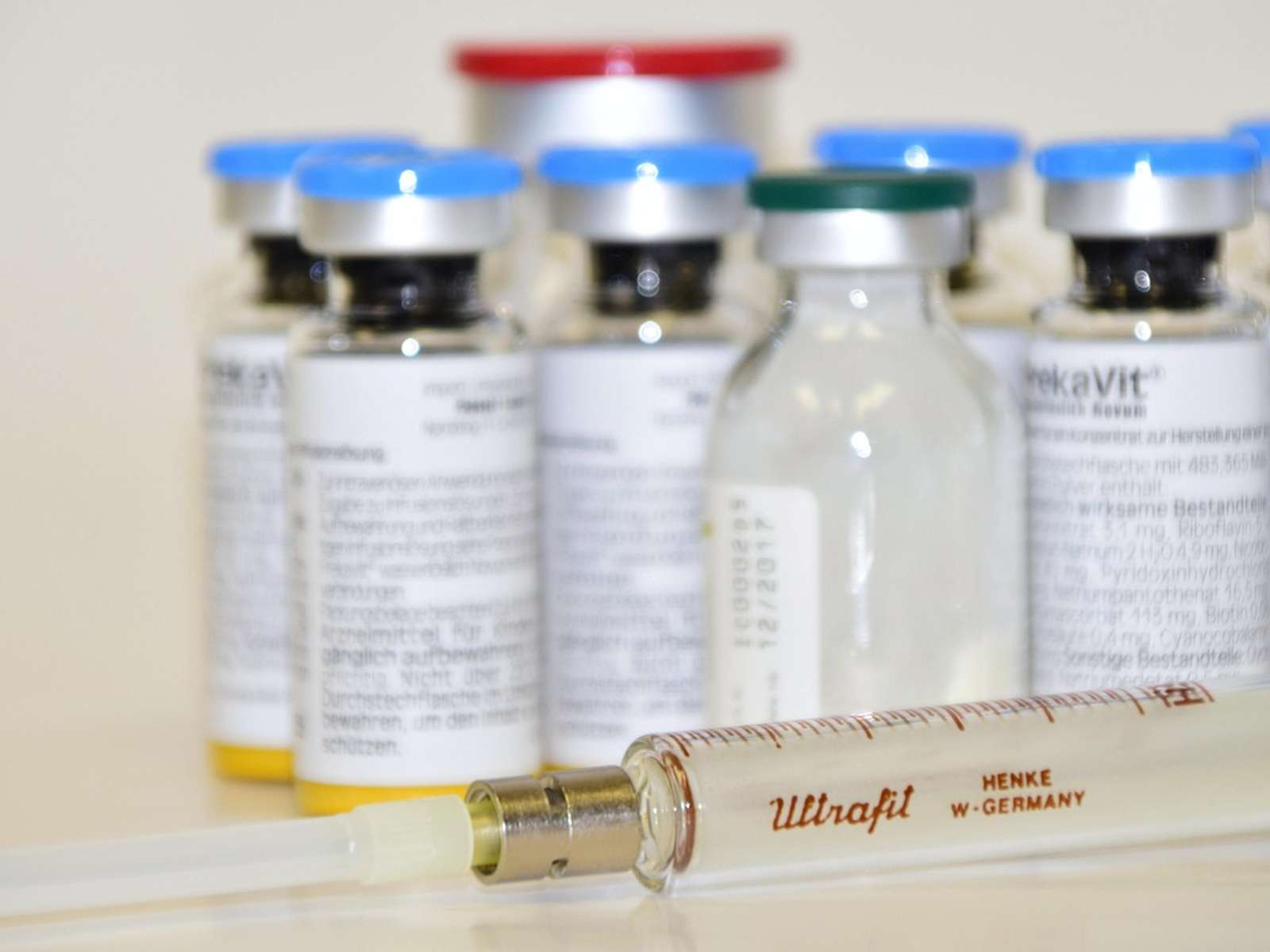
An AI-guided recipe kept mRNA vaccine particles stable for up to a year at room temperature and two months near body heat. The results so far come from cell and mouse studies.

Shiksha Copilot, an AI system from Microsoft Research India evaluated with Cornell, saved more than 1,000 teachers in Karnataka about two hours a week, and about 30,000 teachers in Telangana now use it.