Inventions, technology, and creative solutions solving real-world problems.
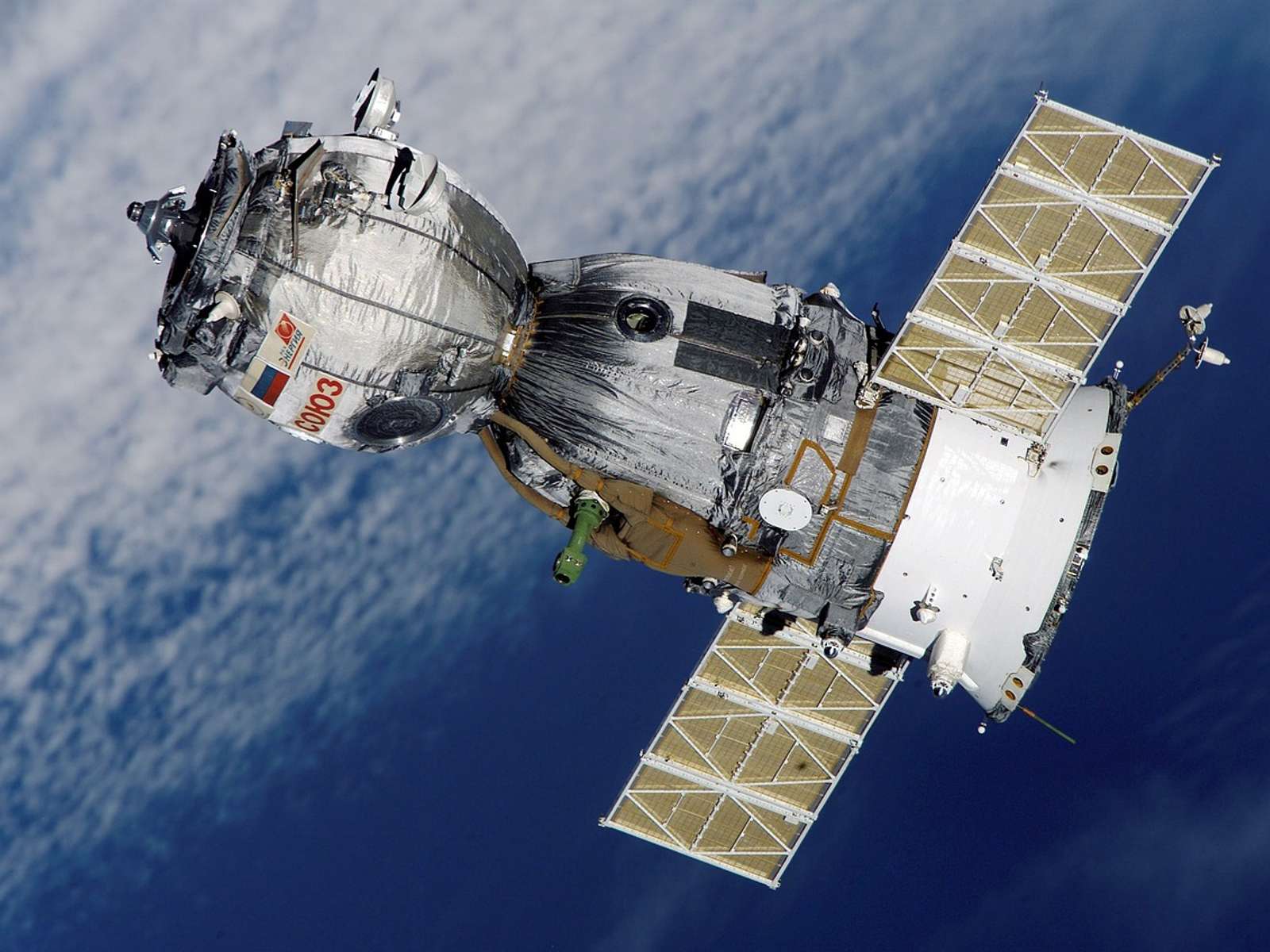
A robot arm on Caltech's ASTRA payload assembled one truss bay in low-Earth orbit on its own. Team leader Sergio Pellegrino called it the first structure built autonomously in space. The full 11-bay design was not finished.

Richard Bischof of the Norwegian University of Life Sciences built bait-lured units that fit a GPS collar on an animal without catching it. The proof of concept worked on red deer and red foxes. Its effects on behavior have not been tested yet.
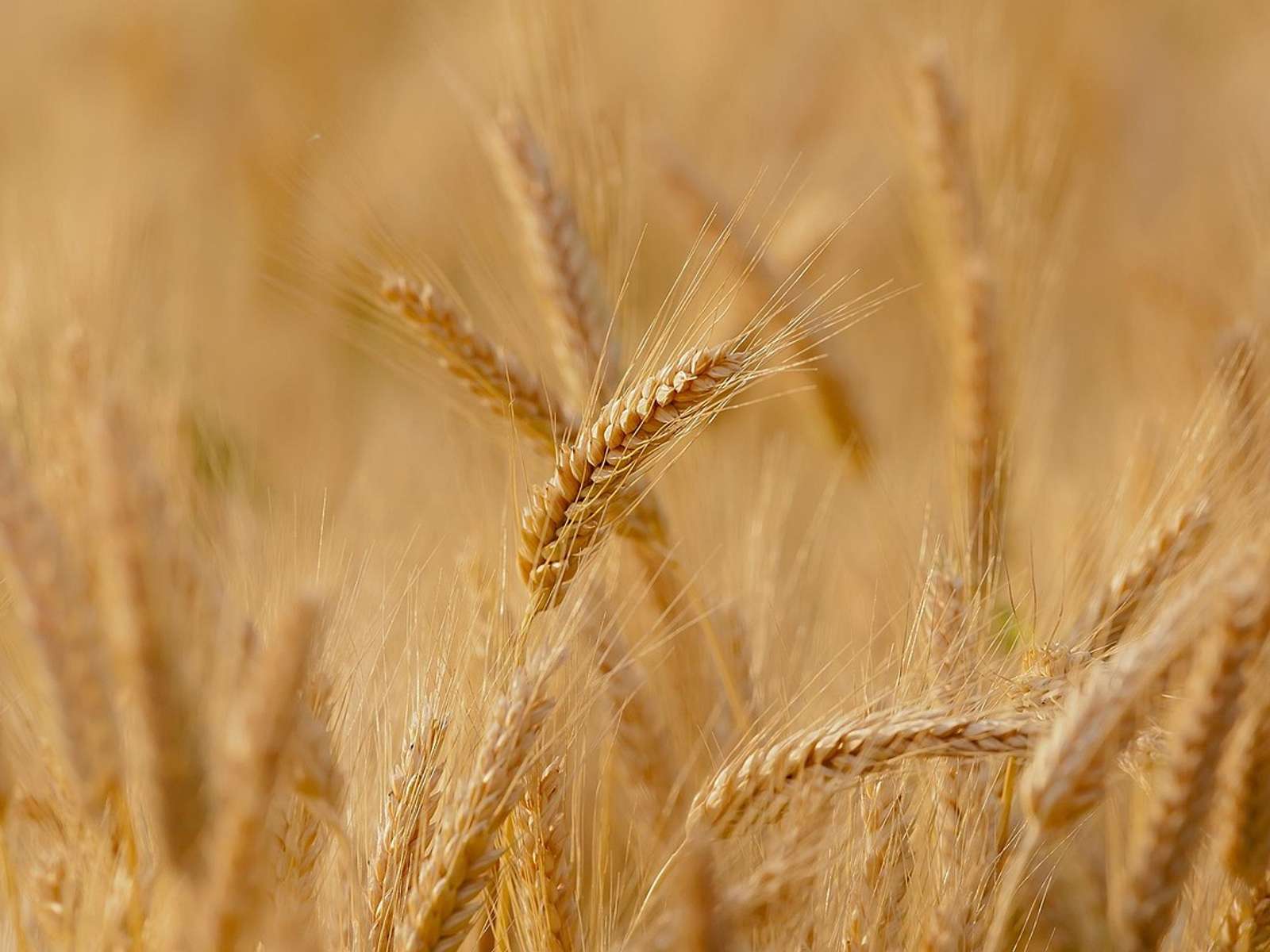
University of Queensland researchers used a robot called the RootBot and drones to track how 36 wheat varieties take up soil water at Gatton. Varieties differed in how much water they used, when, and from what depth, which could help breed drought-tolerant crops.
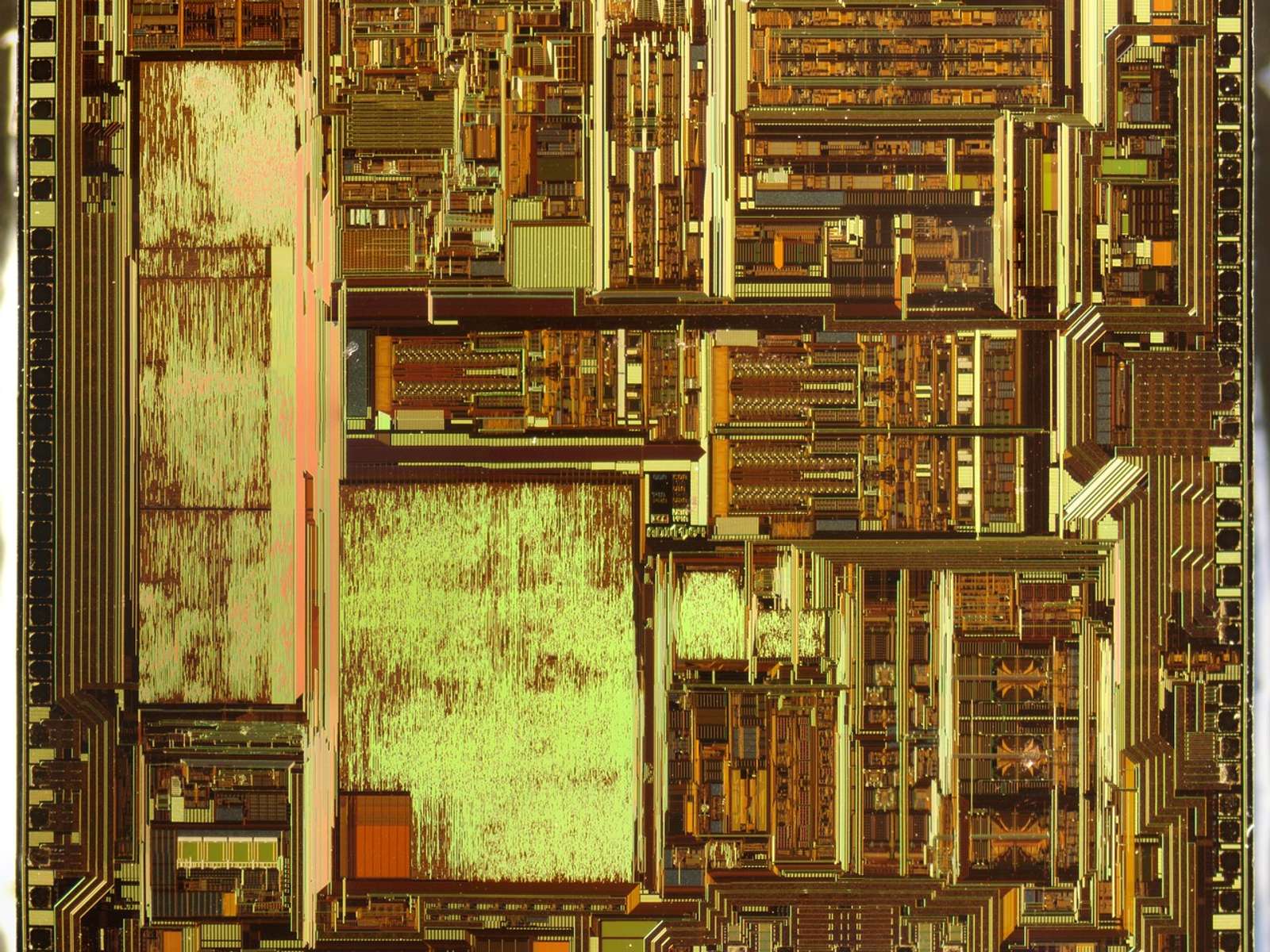
Cornell engineers made a semiconductor from silicon-doped aluminum gallium oxide with a bandgap above 7 electron volts, past the previous record of about 6 eV, and built a first diode and transistor from it, they report in Nature.
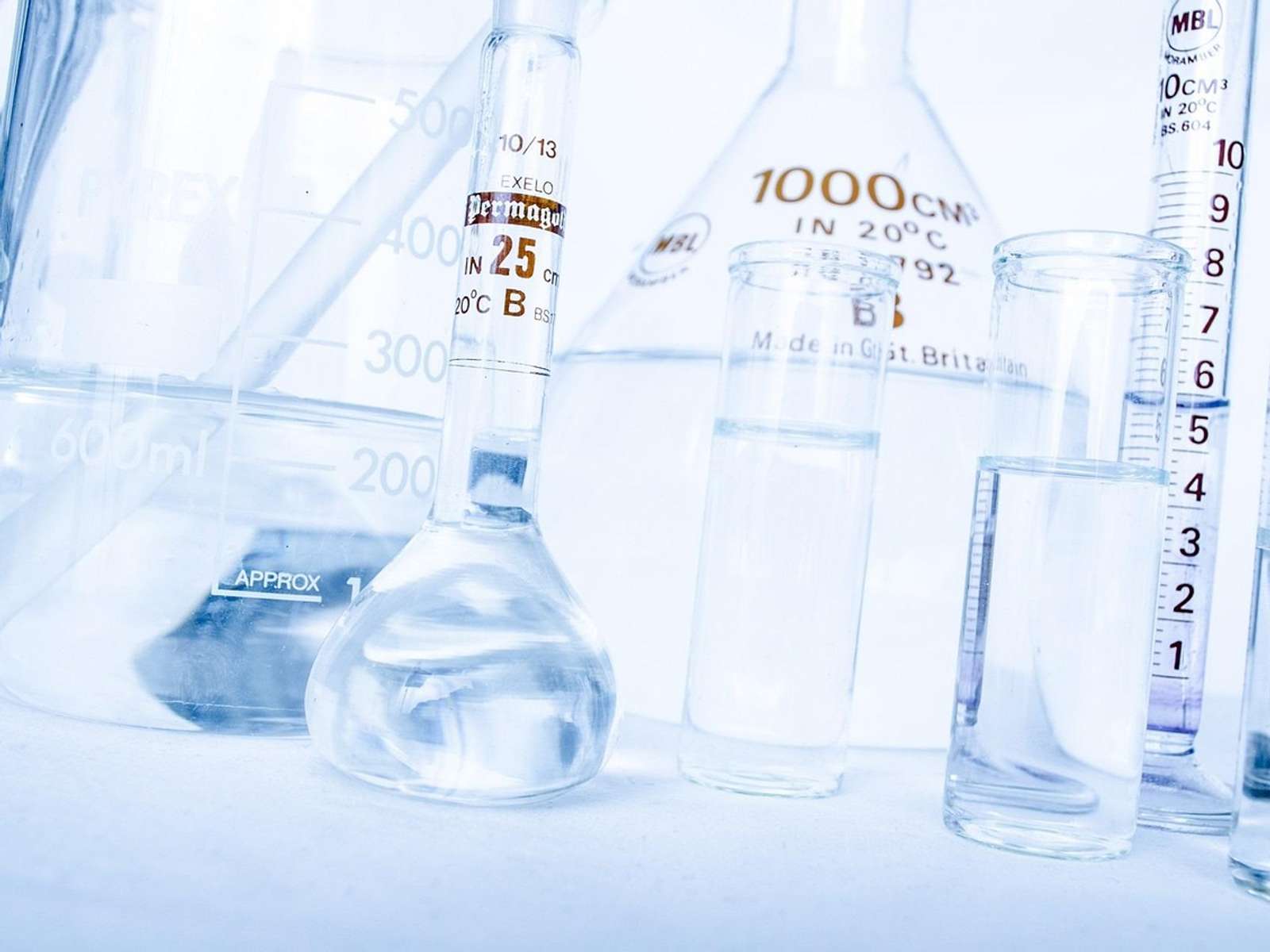
University of Queensland researchers added self-rotating ammonium ions to a membrane's nanochannels. Water flowed about 44% faster, ethanol transport fell by 90%, and separation accuracy improved tenfold, they report in Science.
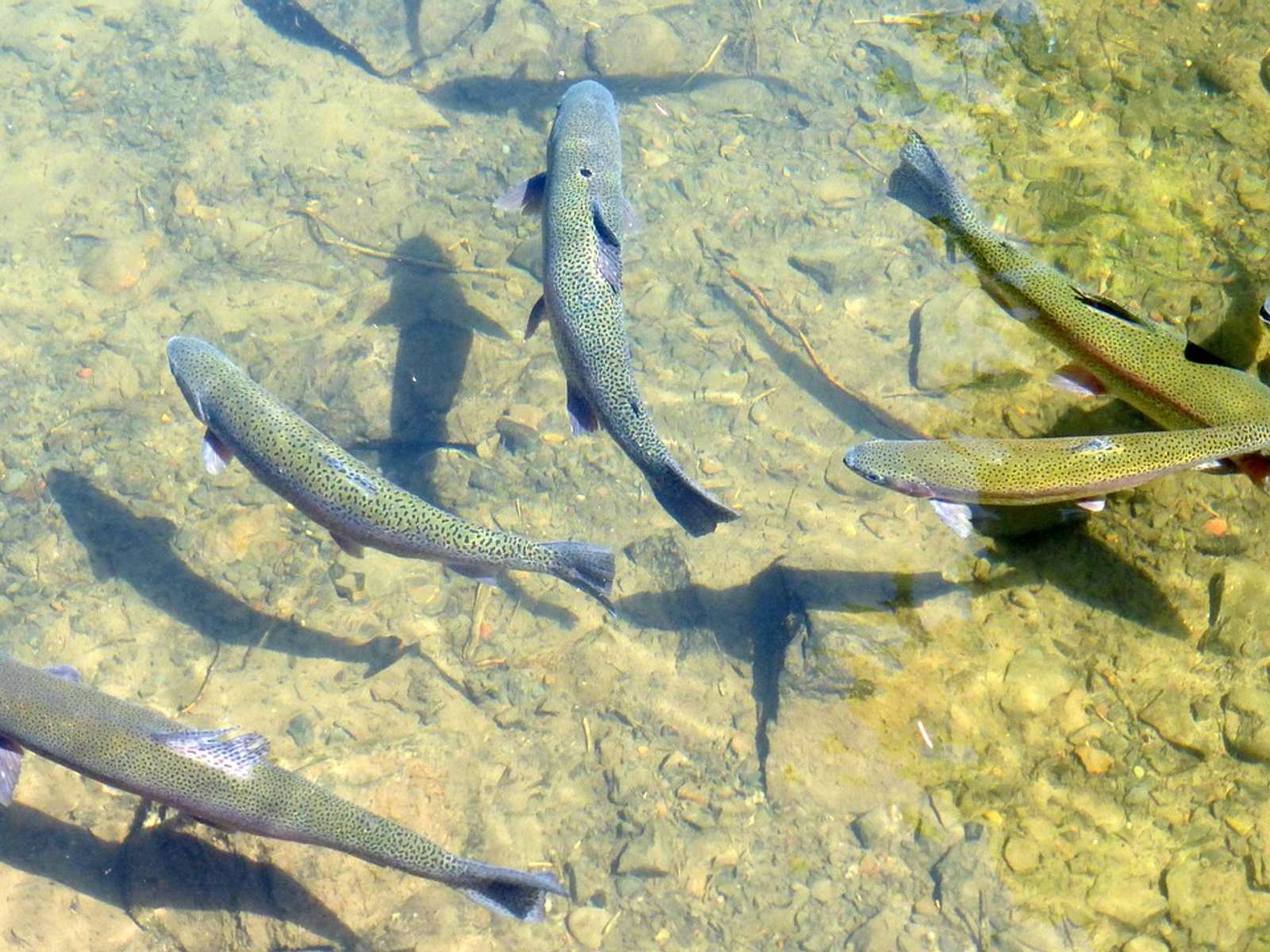
MIT and USDA researchers built food-grade silk microneedles coated in shellac that stick to fish skin underwater, release vaccines and then dissolve. In rainbow trout they worked on fish as small as 1 to 2 grams.
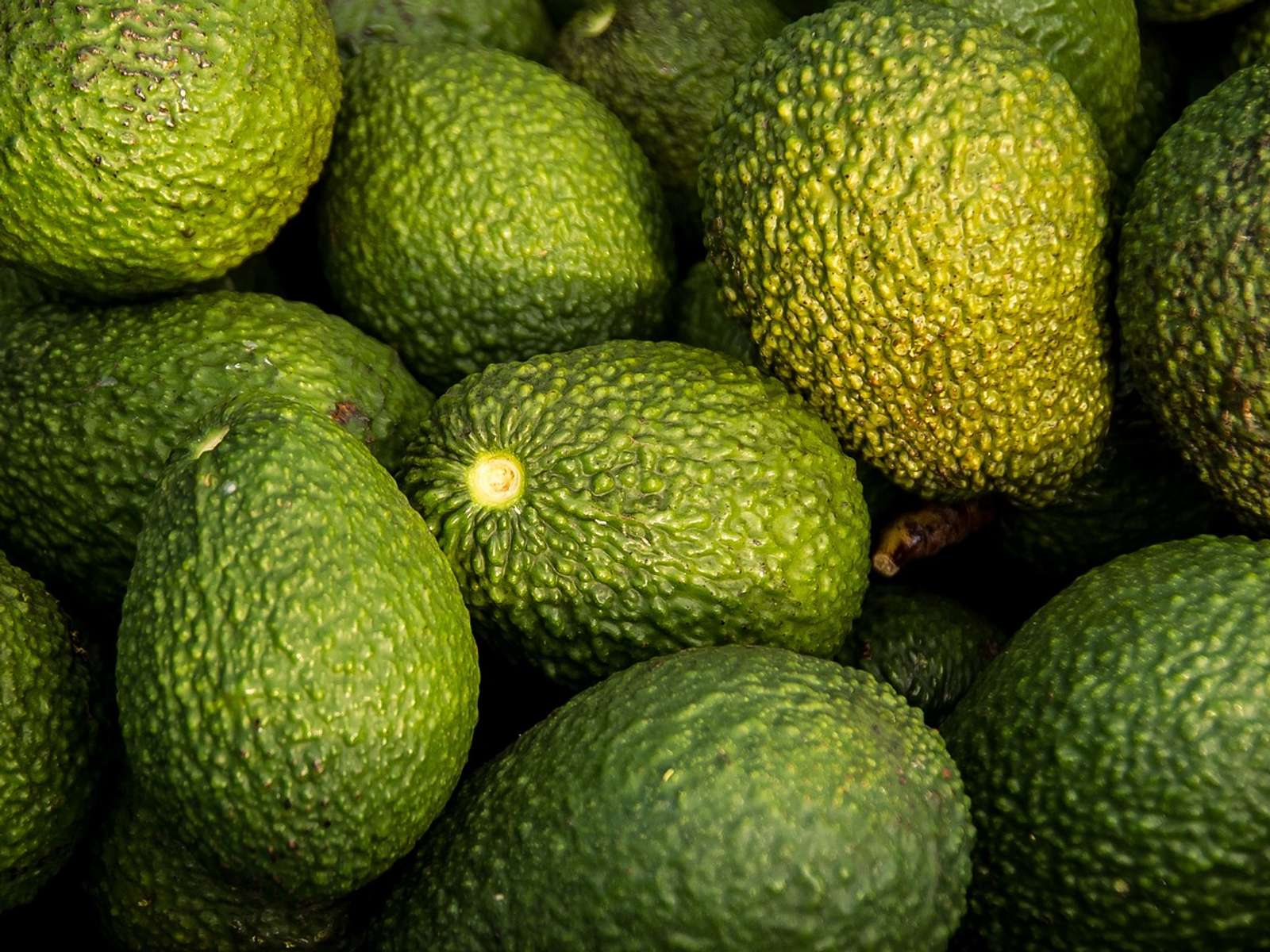
University of Maryland researchers used robots and machine learning to design a biodegradable, bio-based food wrap. Avocados in it stayed fresh for seven days at room temperature, and cucumbers spoiled less than in plastic wrap.
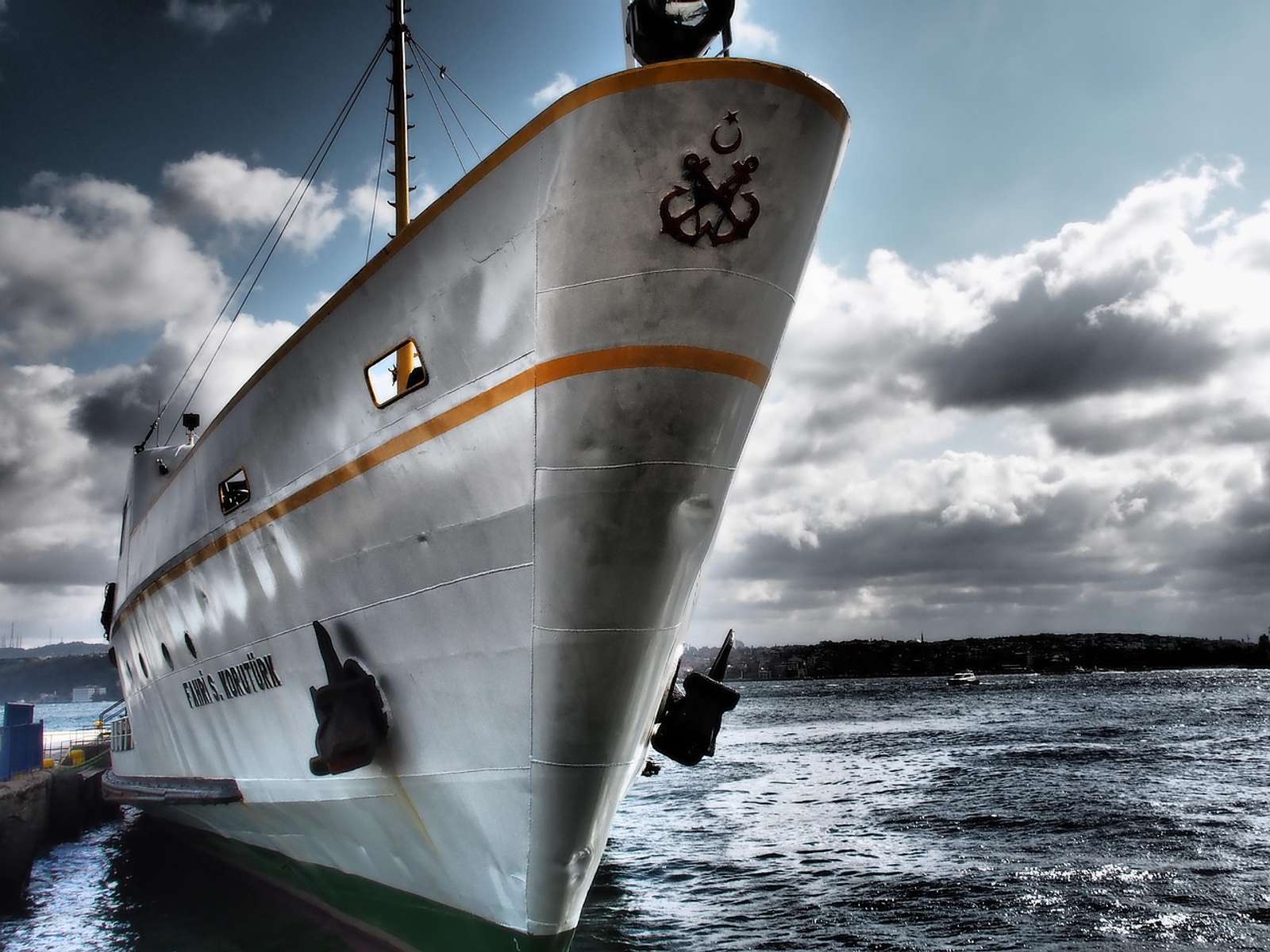
China Zorrilla, a 130-meter ferry built by Incat for Buquebus, has entered service between Buenos Aires and Colonia, Uruguay. It carries up to 2,100 passengers and 225 vehicles on more than 40 MWh of batteries.
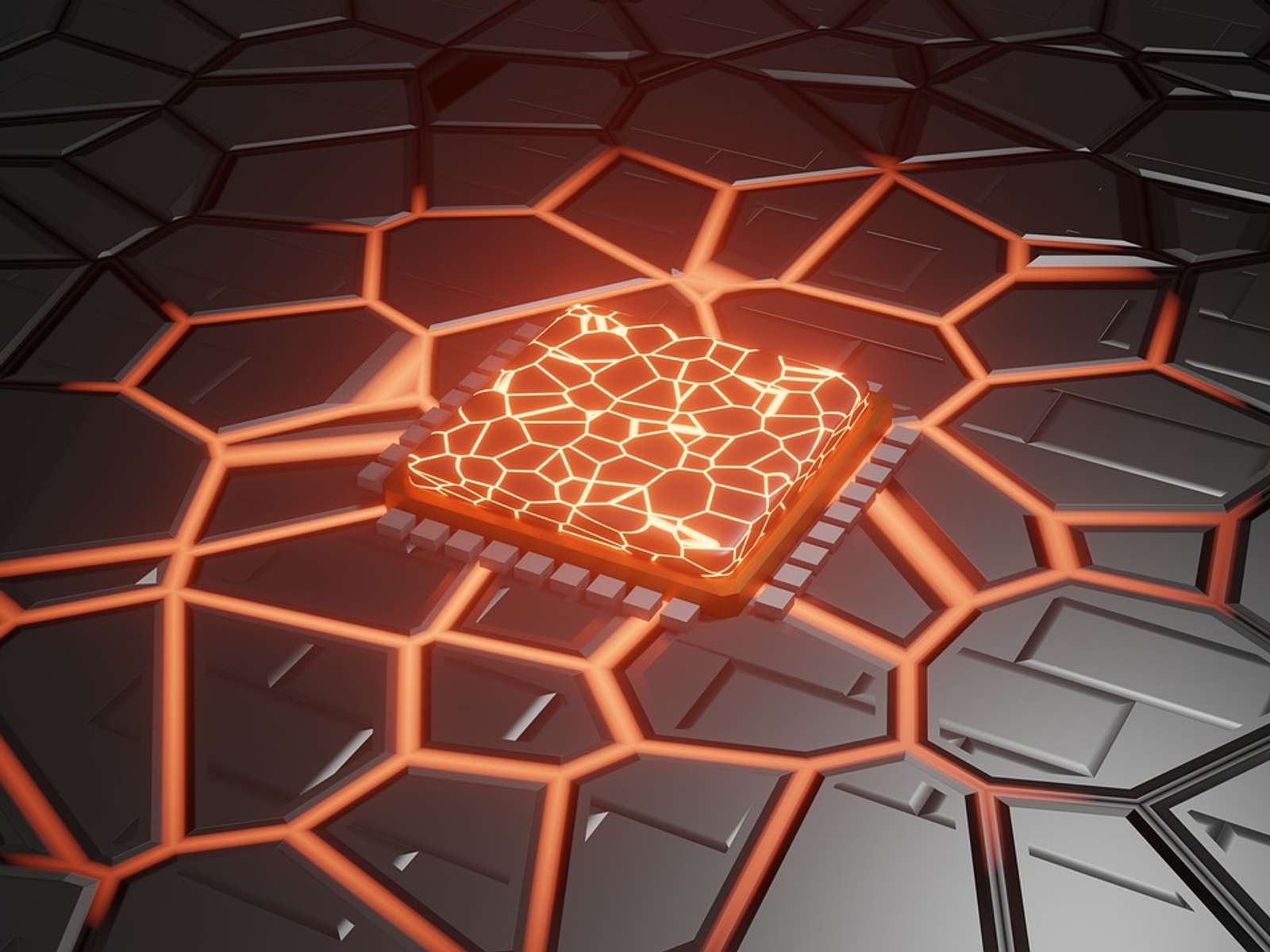
IBM connected two Nighthawk quantum processors with four 'l-couplers', 80 cm cables inside the same refrigerator, and moved quantum states between chips at an average fidelity of 99%, a step toward modular quantum computers.
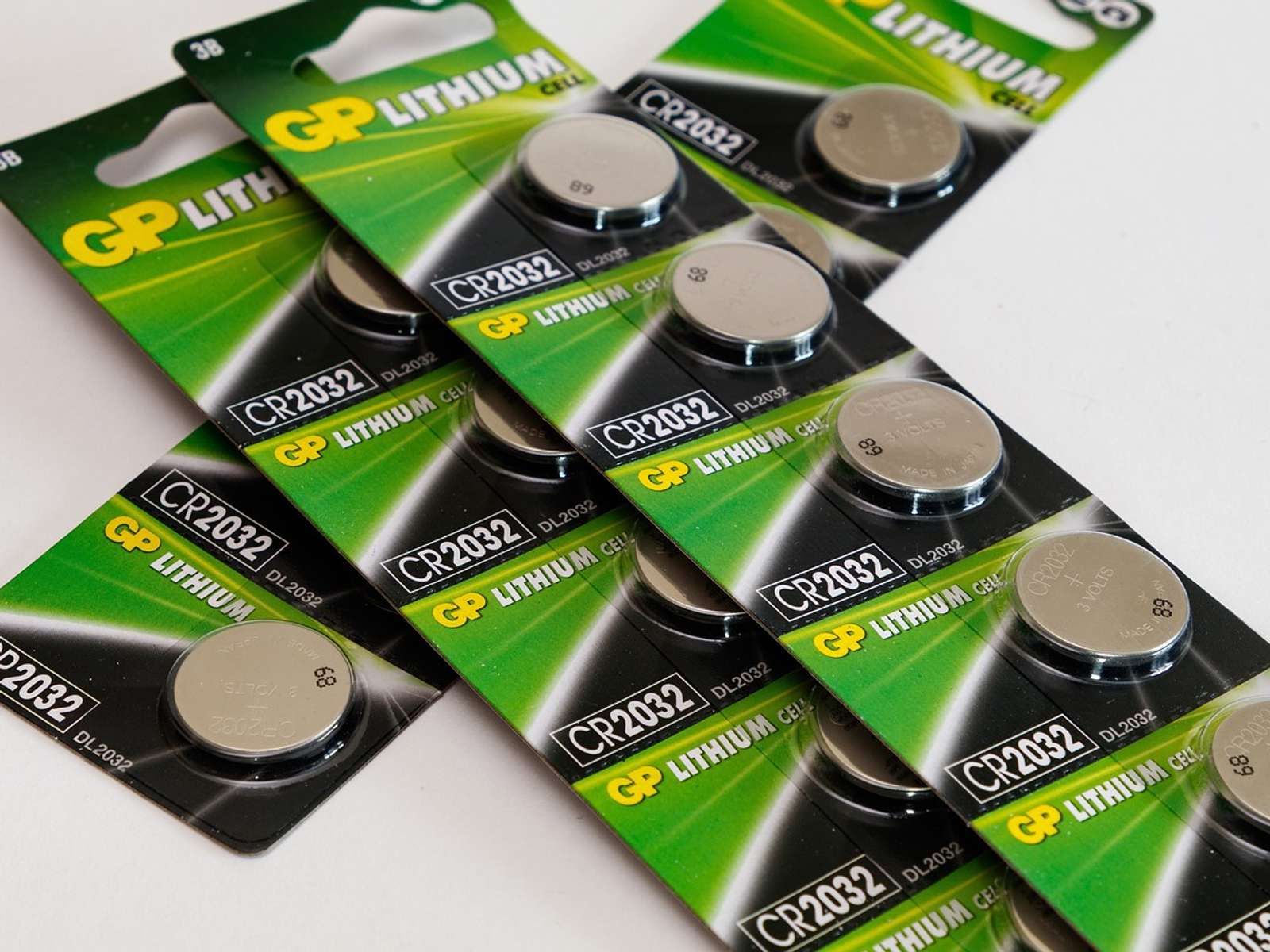
Cornell researchers watched lithium-ion batteries form their protective layers in real time and designed charging protocols that cut formation time by up to about 60%, with performance comparable to the standard process at battery maker C4V.
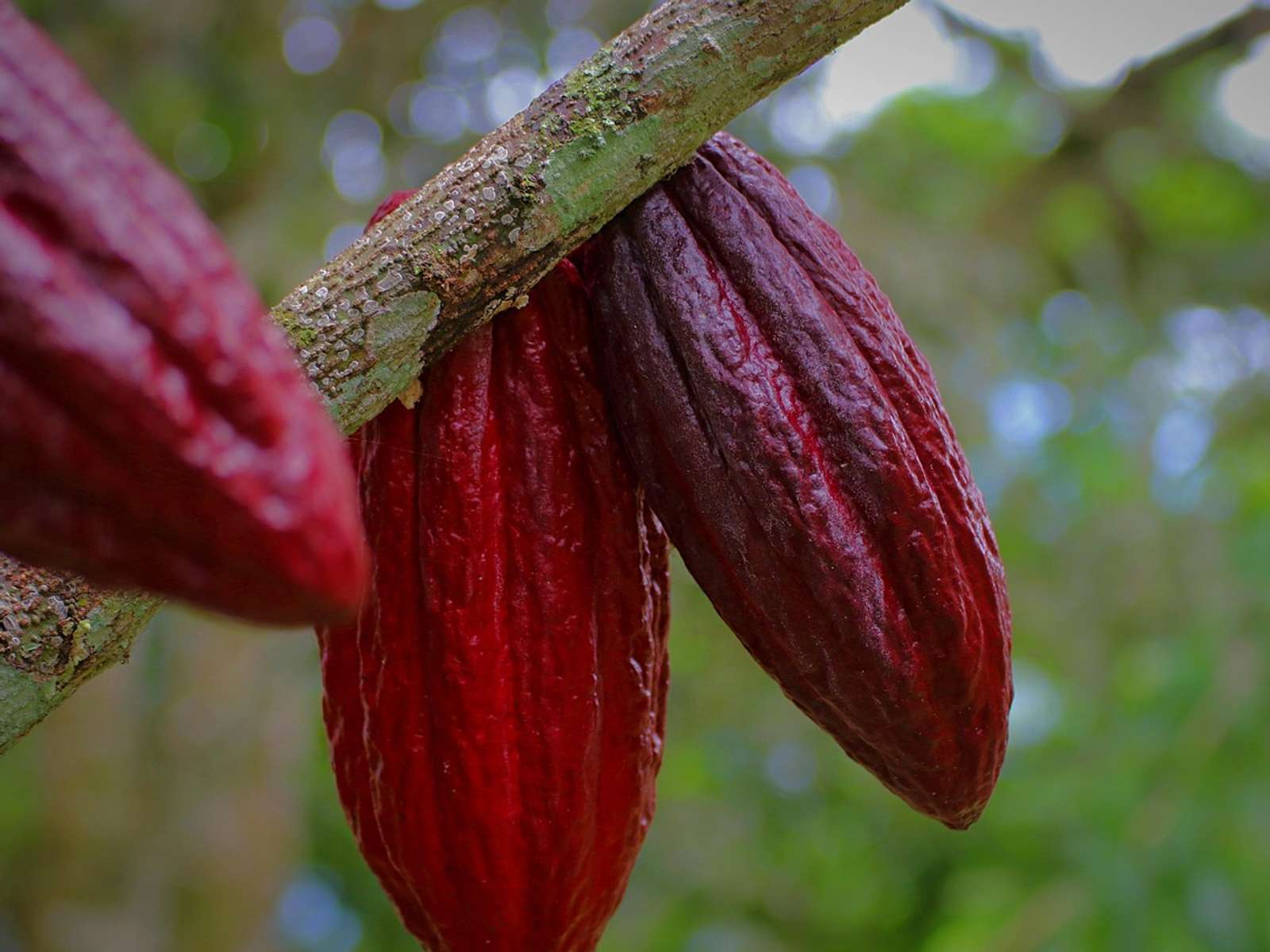
Penn State researchers edited two letters of a cacao immune gene, TcNPR3, and the plants showed about 42% less black pod disease in the lab. Breeding removed all foreign DNA, and field trials with the USDA are underway.
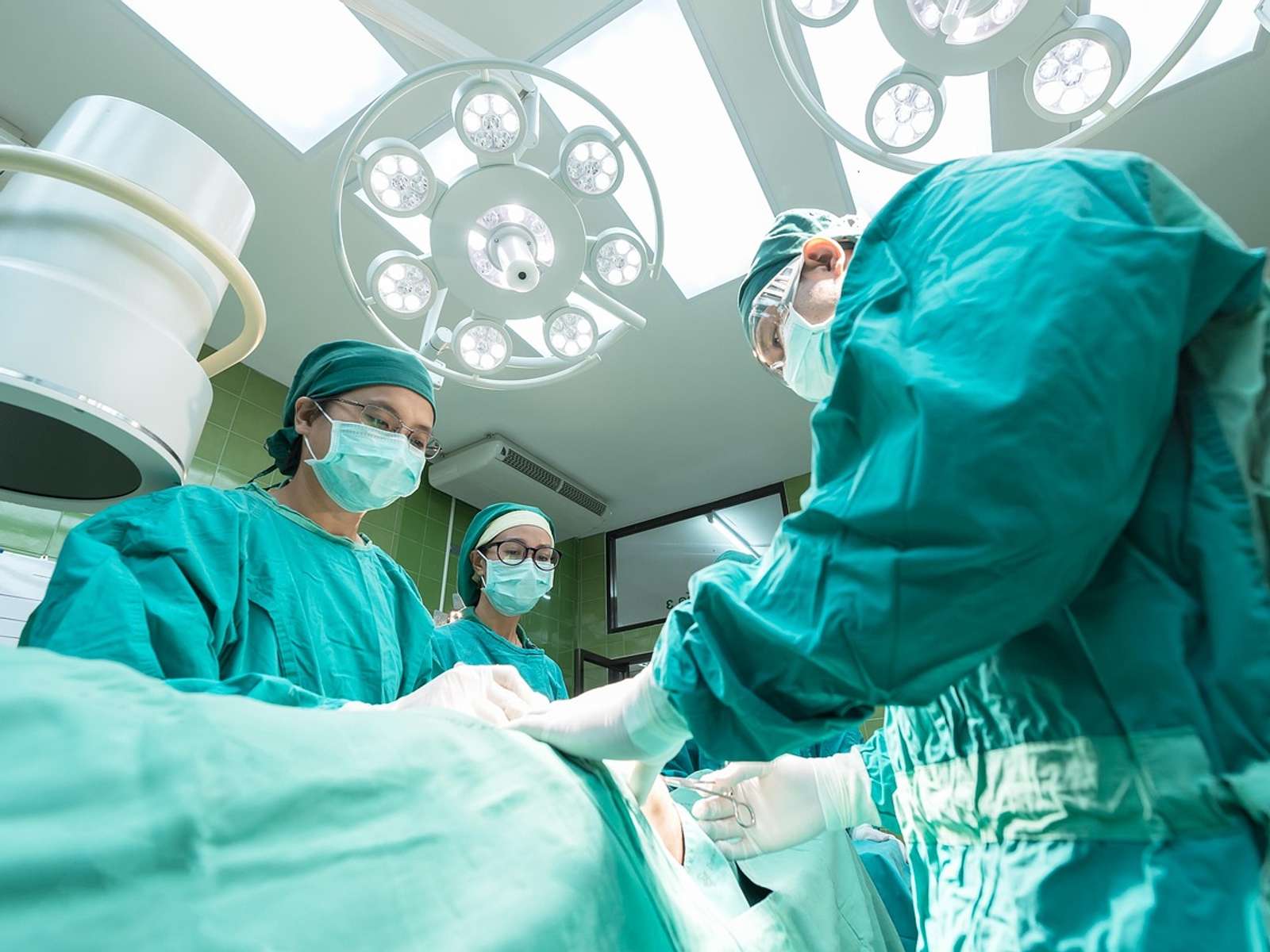
MIT researchers built LUCID, a flexible implant as thin as cardstock that releases drugs in the brain and uses 24 tiny ultrasound transducers to spread them farther. It has been tested in a tissue model and in mice.
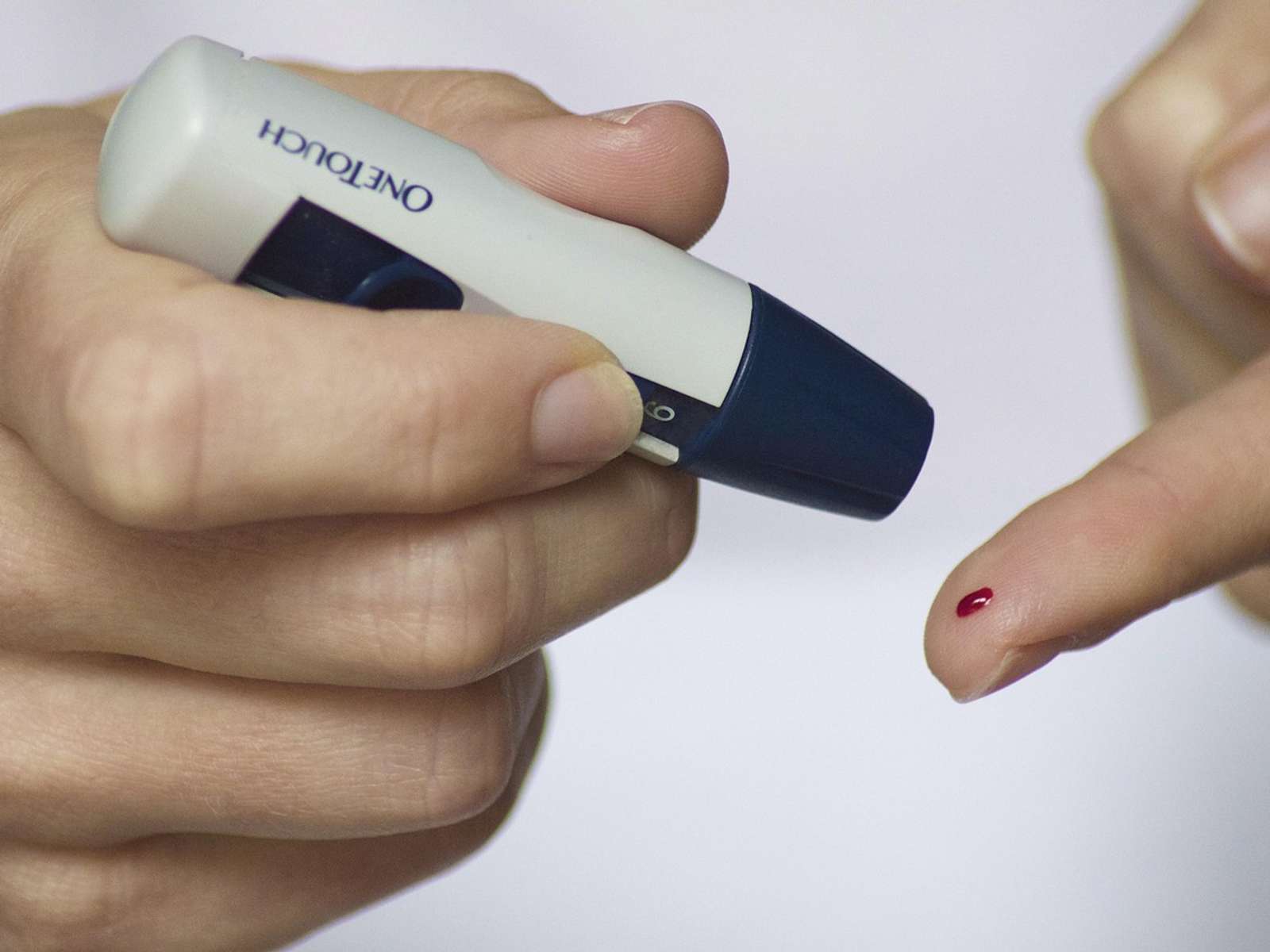
ETH Zurich researchers built an implant with a gold-and-platinum catalyst that converts excess blood glucose into gluconate, switched on wirelessly when a sensor detects high sugar. In diabetic mice it regulated blood sugar for six weeks.
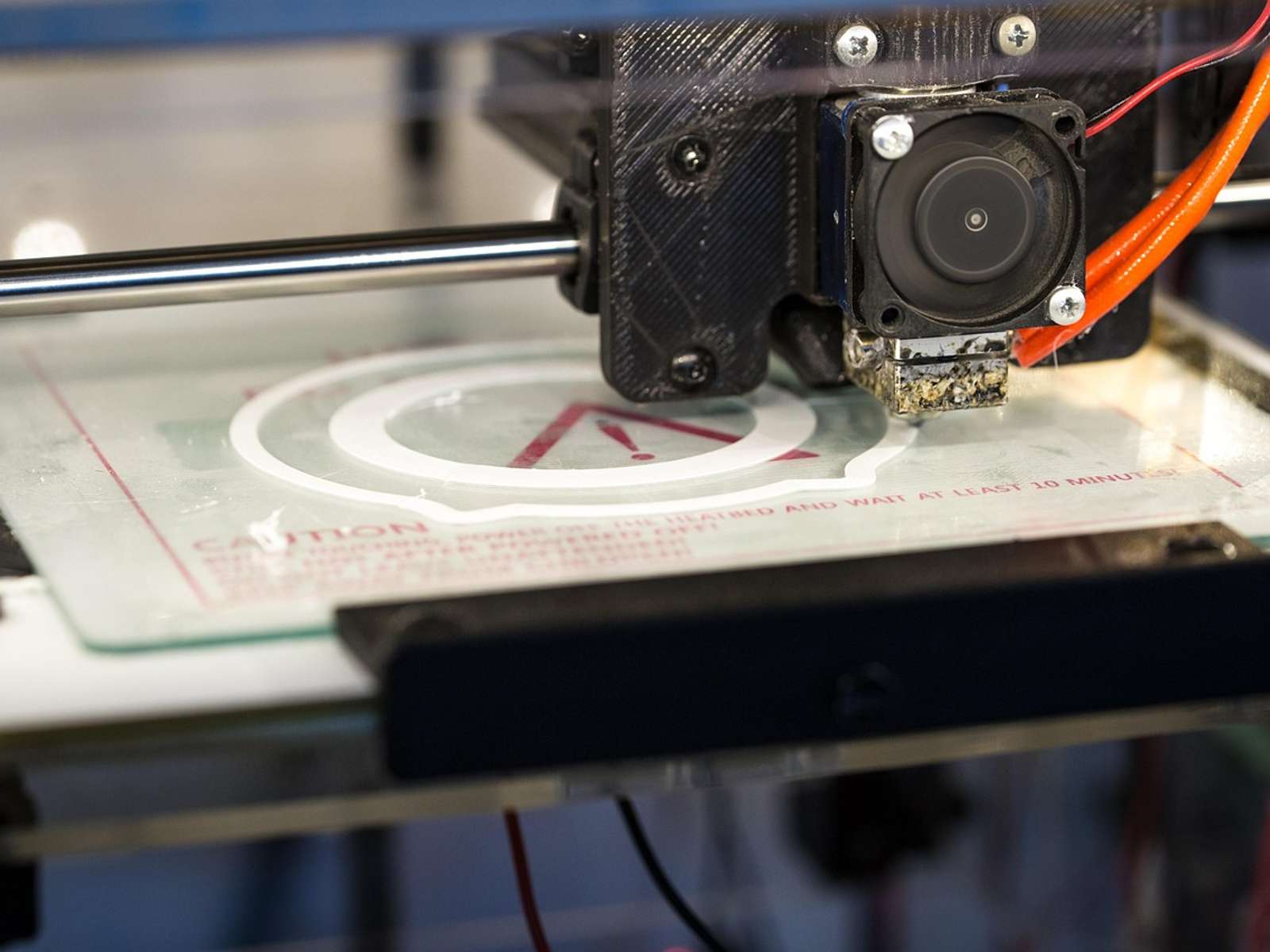
MIT CSAIL and Tianjin University's X-Hinges software embeds two different conductive materials in 3D-printed objects, so a lamp can sense a pinch and a glove can teach a robot hand to grasp. It senses motion along up to three axes.

The University of Queensland's BASE mRNA Facility will build quality-control technology for ARPA-H's GIVE program, which aims to let US hospitals produce personalized RNA medicines on demand. UQ's share is up to $57 million.
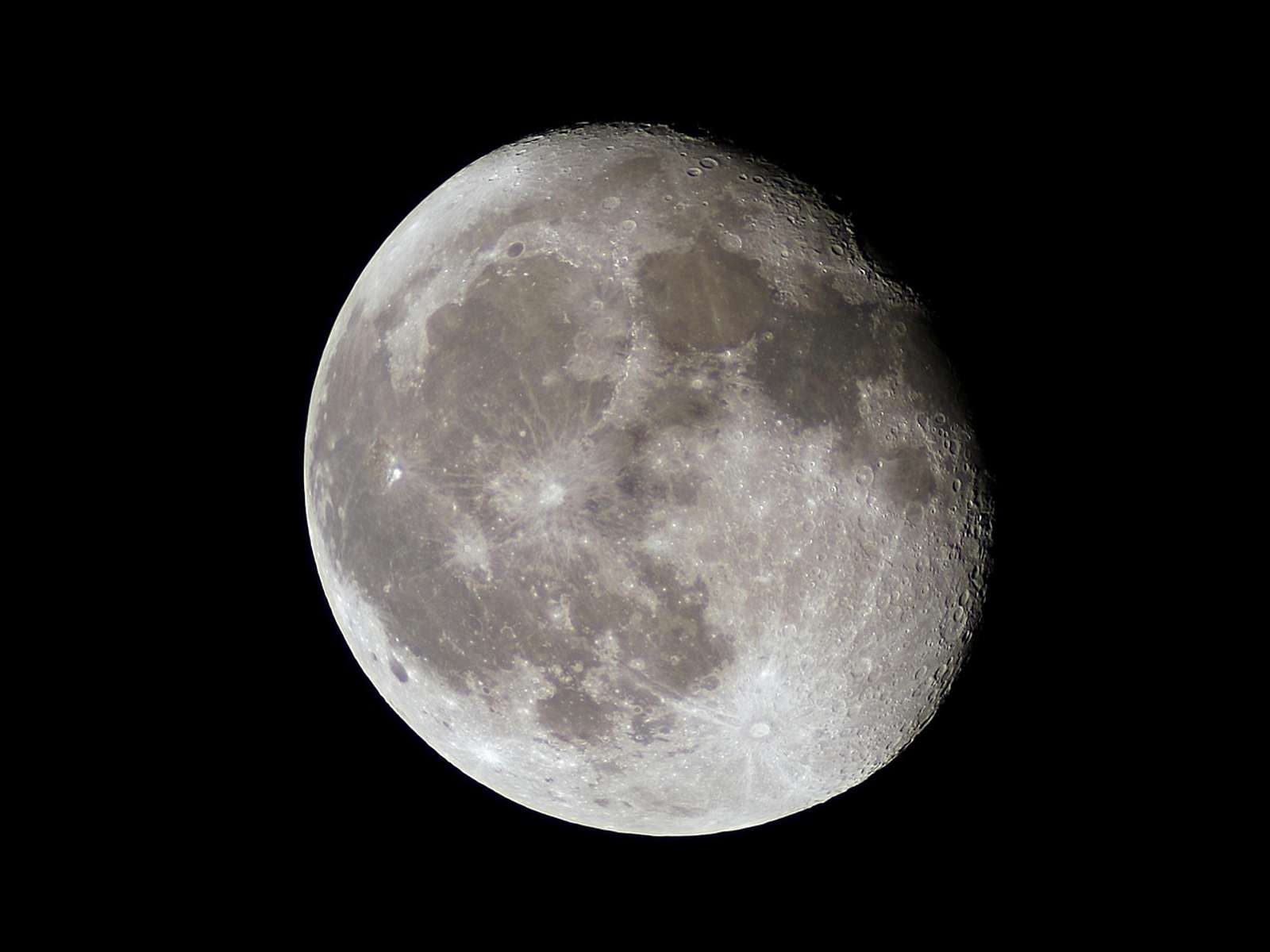
MIT's CERBERUZ team won NASA's LunaRecycle Challenge with a machine that grinds mixed plastics and aerospace foam into powder and molds it into new parts, with no water or chemicals. The team won $925,000 over the competition.
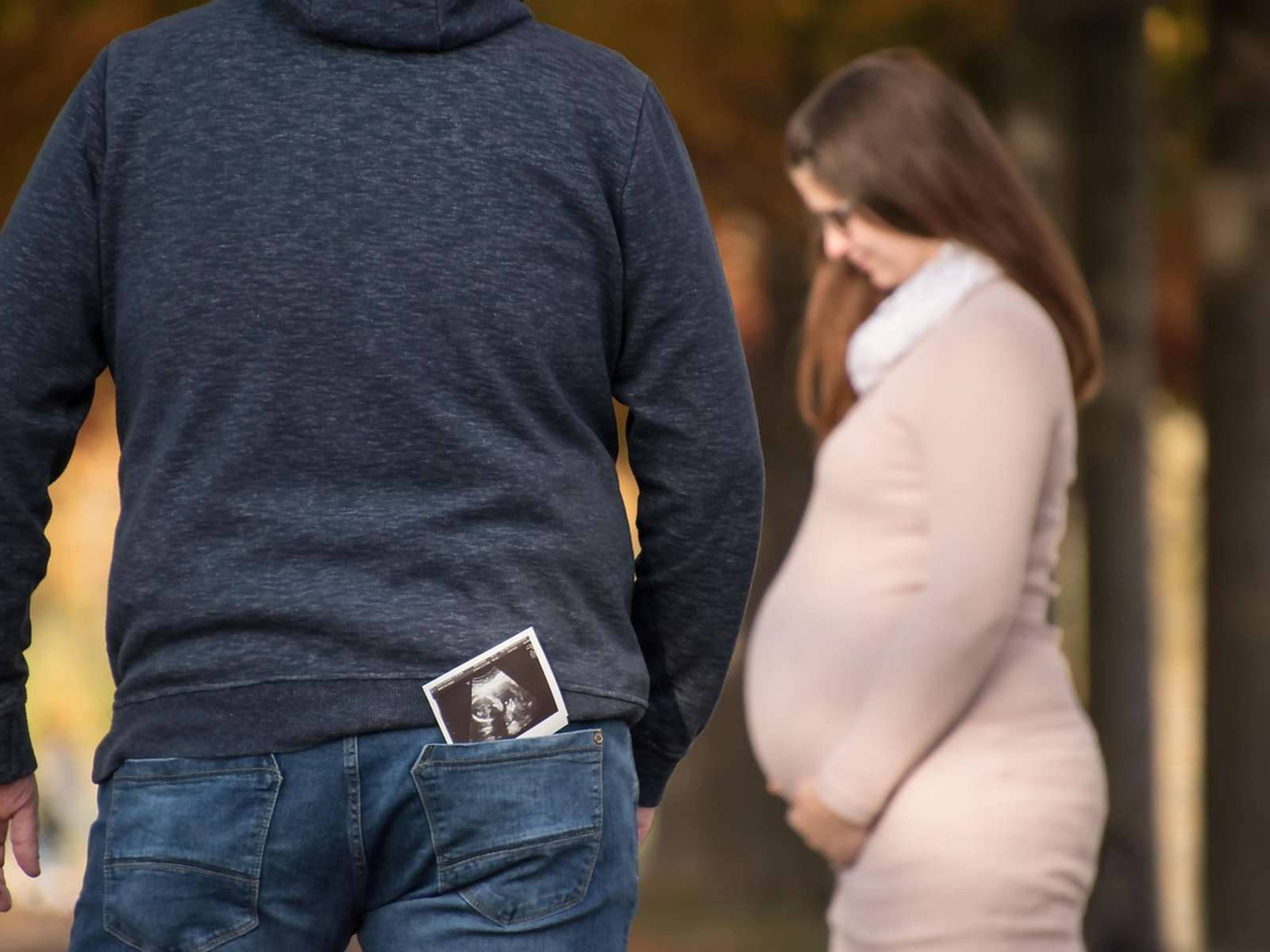
MIT and Boston Children's Hospital researchers built E(3)-Pose, a model that uses the left-right symmetry of the fetal head to track its position during MRI, so scans can adjust on the fly instead of leaving gaps.
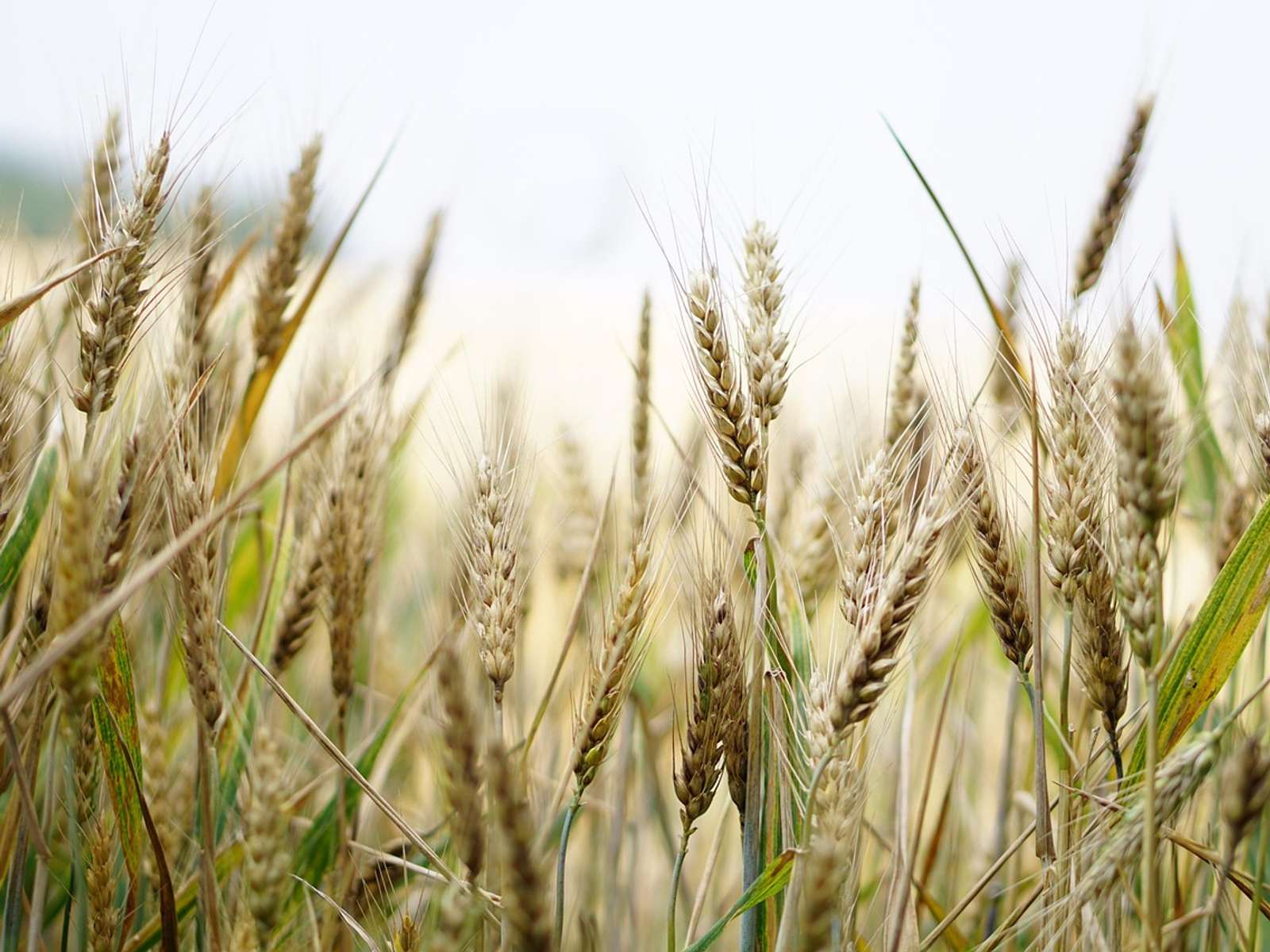
Scientists at Tanzania's TARI-Selian have been trained to use a low-cost LAMP test from the John Innes Centre that confirms wheat blast in 30 to 60 minutes. The disease, which can wipe out whole fields, is already in neighboring Zambia.
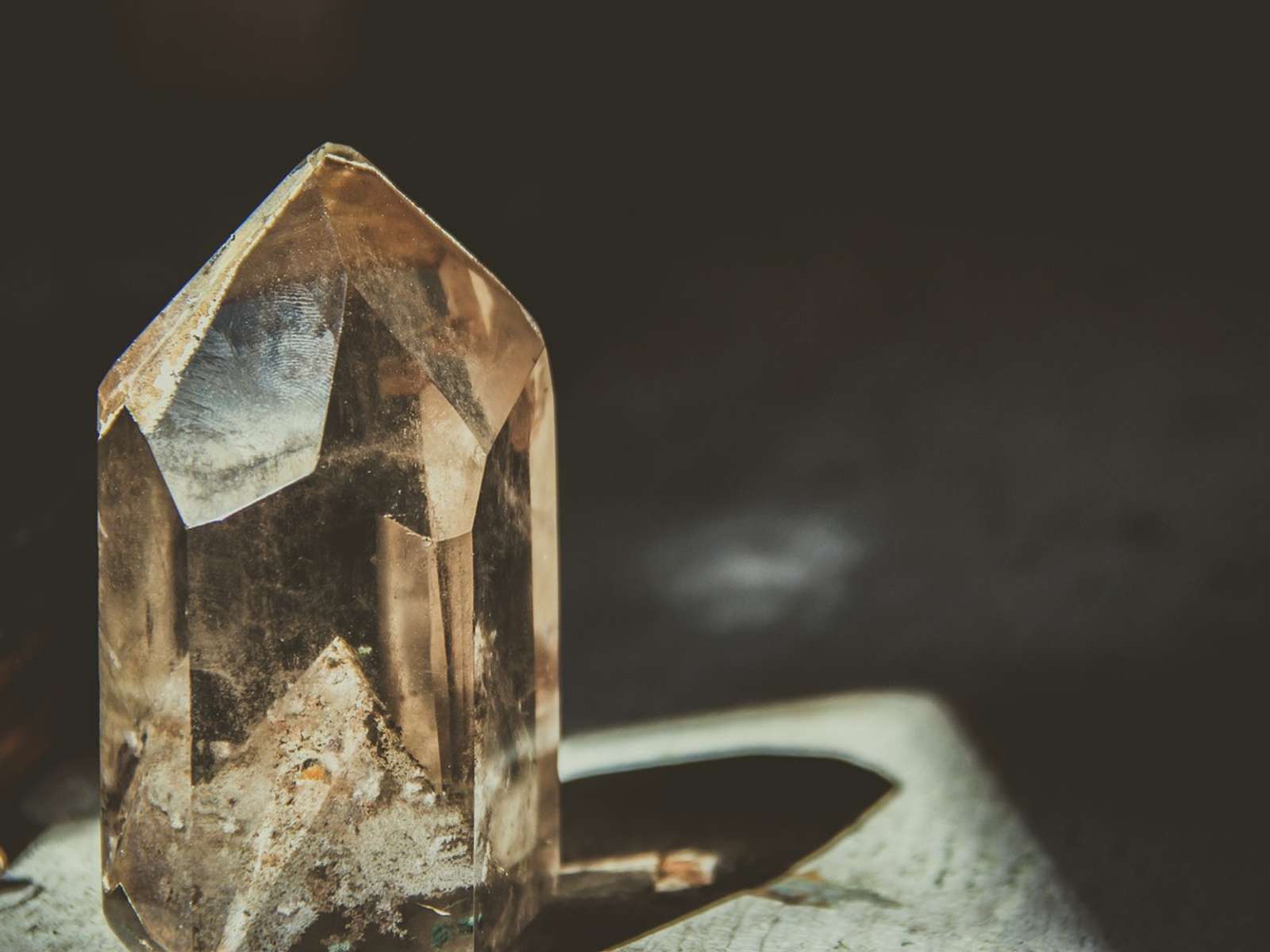
MIT researchers built an AI model that links 3D crystal structures with written descriptions of their properties. Asked for solid-state battery electrolytes, it surfaced materials already identified as promising candidates.

The Rockefeller Foundation and the OpenAI Foundation are committing $50 million to Cities Deliver, which will fund groups that work with city governments on AI for health, jobs, climate resilience and public services. Proposals are due 29 November.
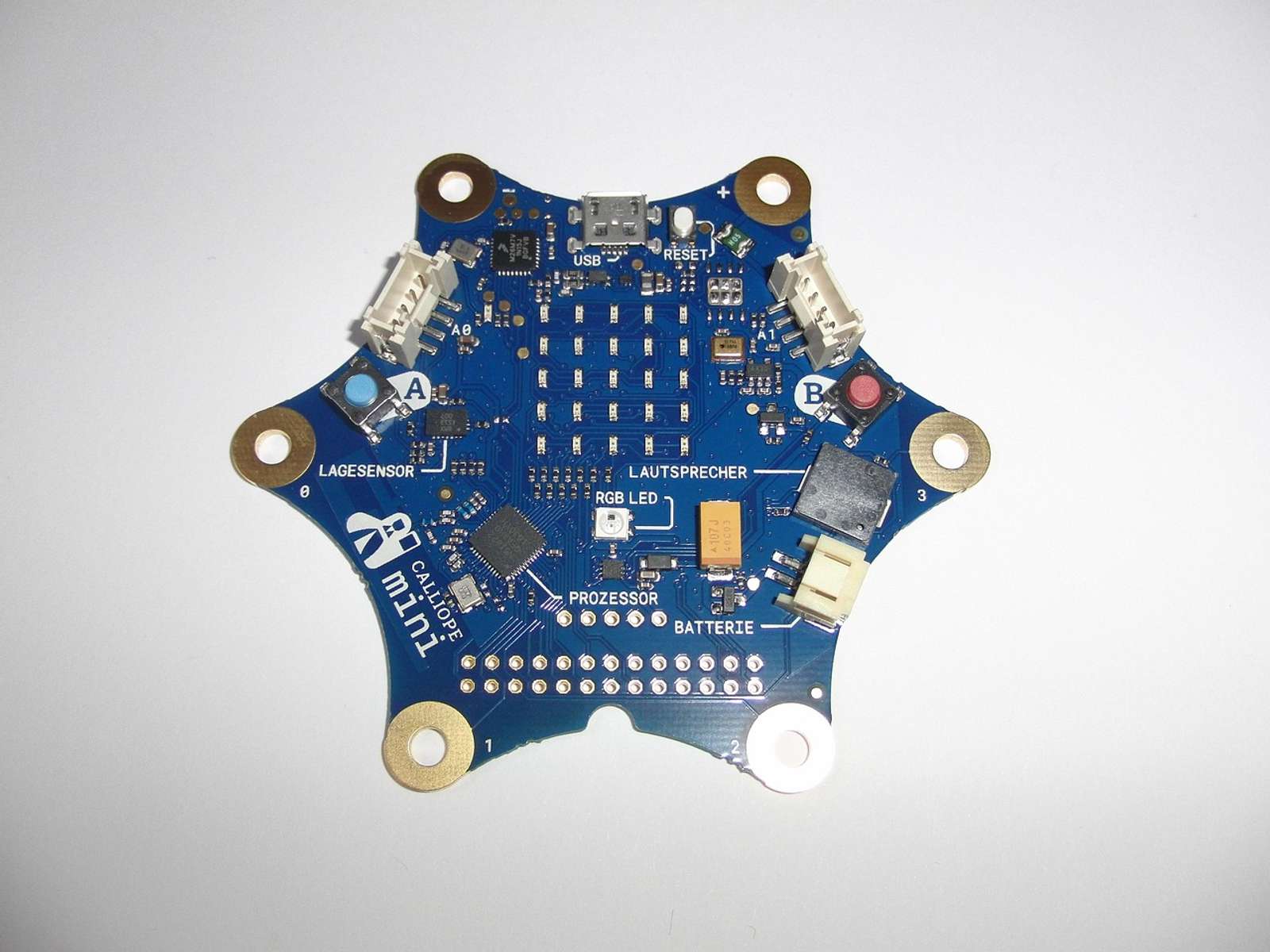
Physicists built metamaterials from dozens of linked sensors and motors that start vibrating chaotically and then settle into one slow, synchronized rhythm, a state called a time crystal. The work, led from Amsterdam and Birmingham, is in Nature.
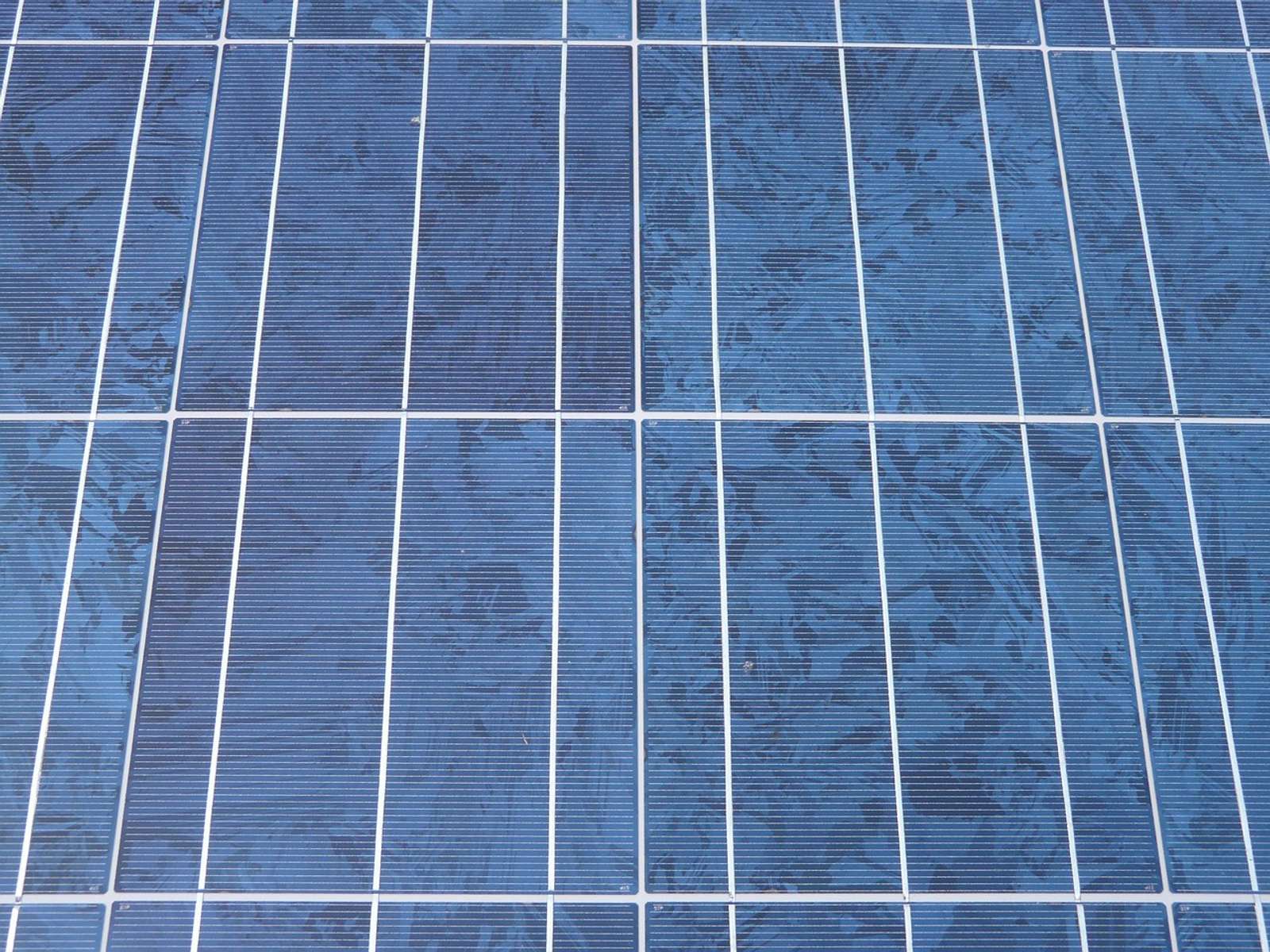
Adding zinc bromide and methylammonium chloride while perovskite crystals form cut defects, so the material held energy from sunlight about 10 times longer, a team from Princeton, UC San Diego and South Korea reported in Science.
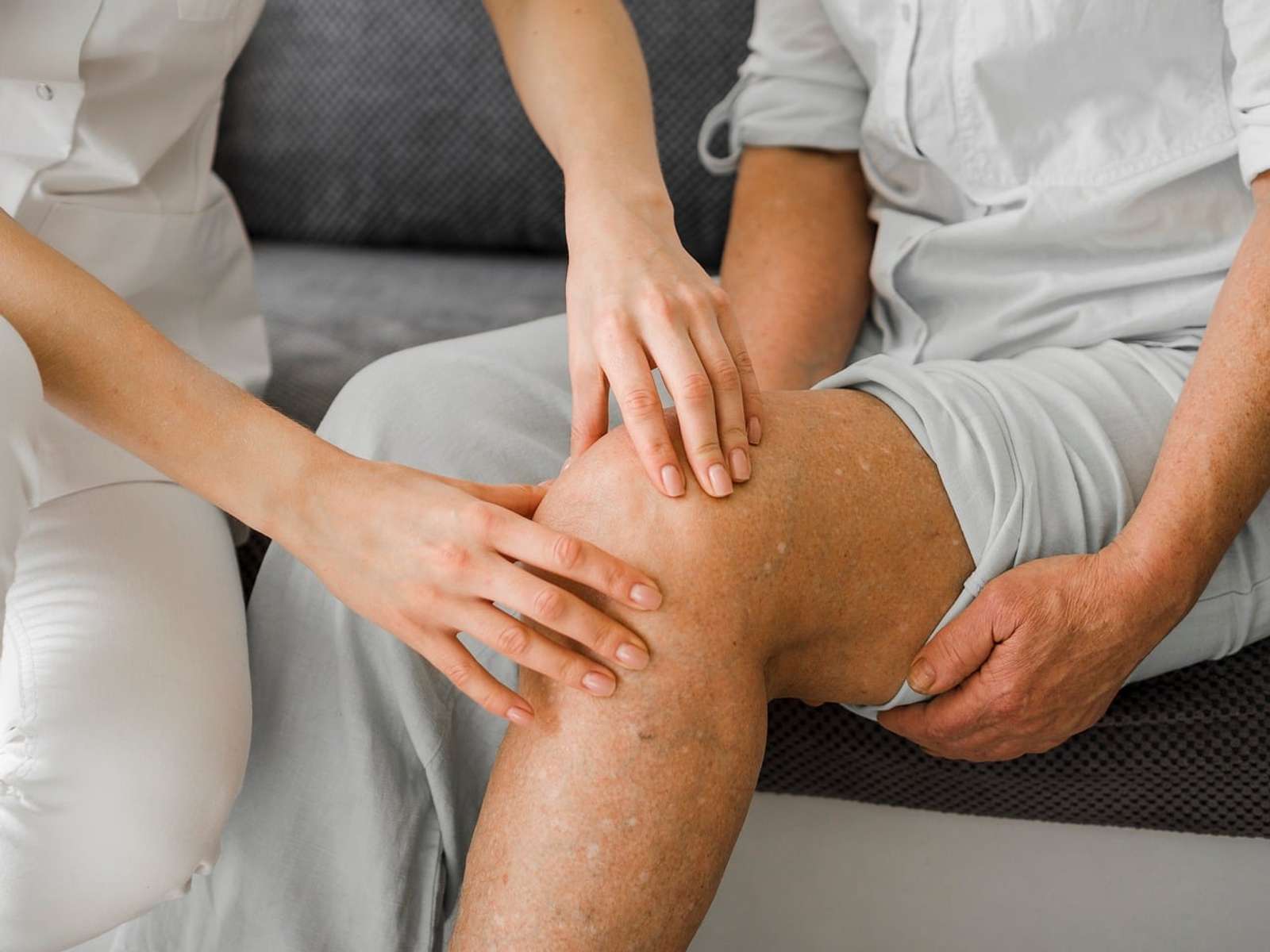
MIT engineers built a soft silicone sheet with light-carrying rubber fibers that rebuilds its own shape on screen almost in real time. They hope it could one day help physical therapists track patients' movement.
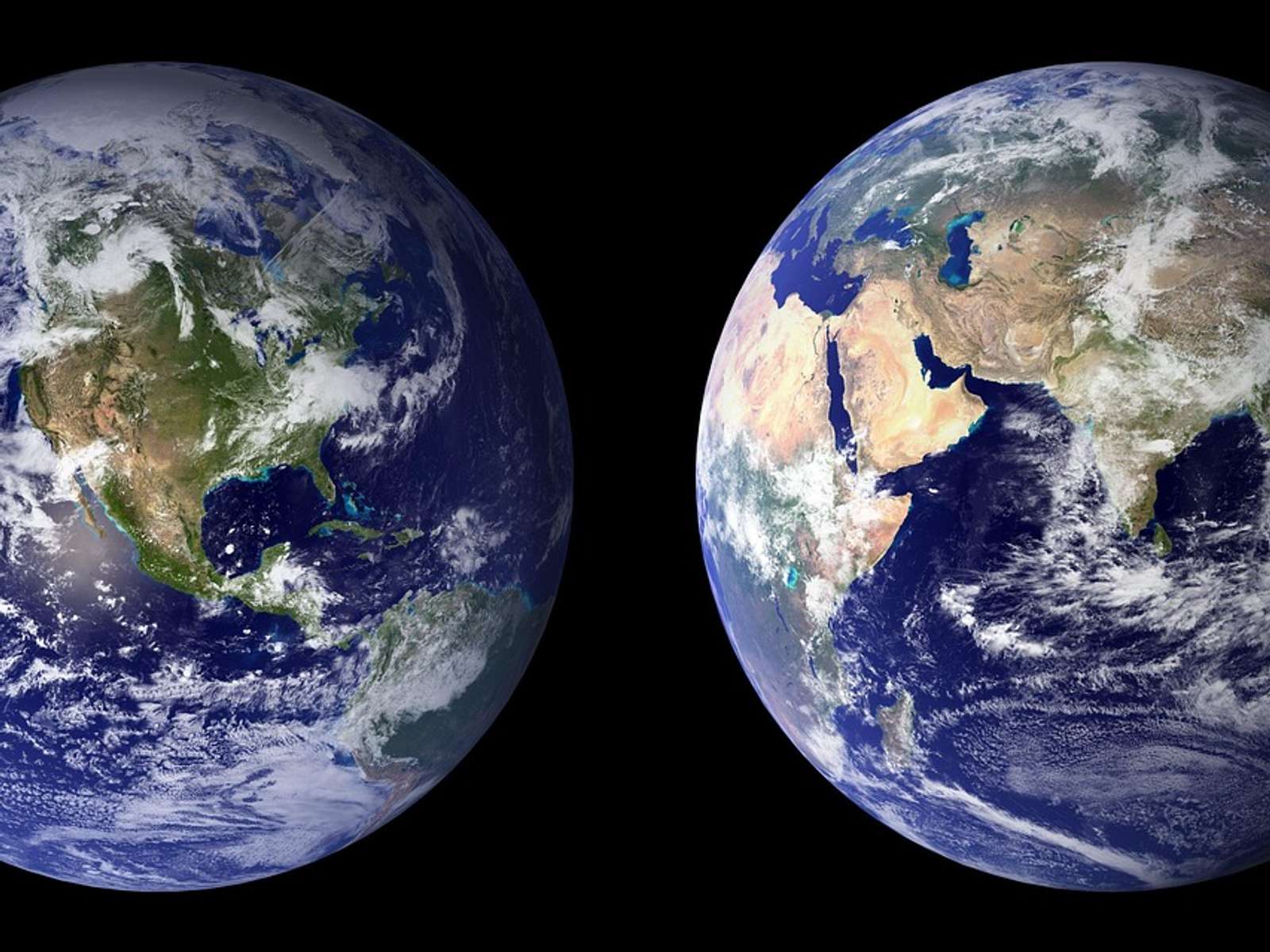
A 16-element Ka-band transmitter mounted on a foldable membrane aboard Japan's RAISE-4 satellite measured how the membrane bent after unfolding and corrected for it, Institute of Science Tokyo said. The team sees it as groundwork for 6G satellite networks.
About our innovation coverage
Innovation covers new technology that solves practical problems: medical devices, cleaner materials, satellites and space hardware, energy systems and digital tools built for places that are usually left out. We are interested in what works, how it works and who it is for.
We distinguish a laboratory result from a product people can use. A prototype, a successful test in orbit or a regulatory clearance are reported as exactly that, with the remaining steps, such as scaling up, approval or insurance coverage, stated plainly. Claims come from the company, university or agency that made them, and we name it.