A 365-meter wind turbine in eastern Germany is now the tallest in the world
Engineering firm GICON has raised a pilot wind turbine in Schipkau, Germany, to 365 meters, with its hub at 300 meters. It should start running in November and is designed to tap stronger, steadier winds high above ordinary turbines.
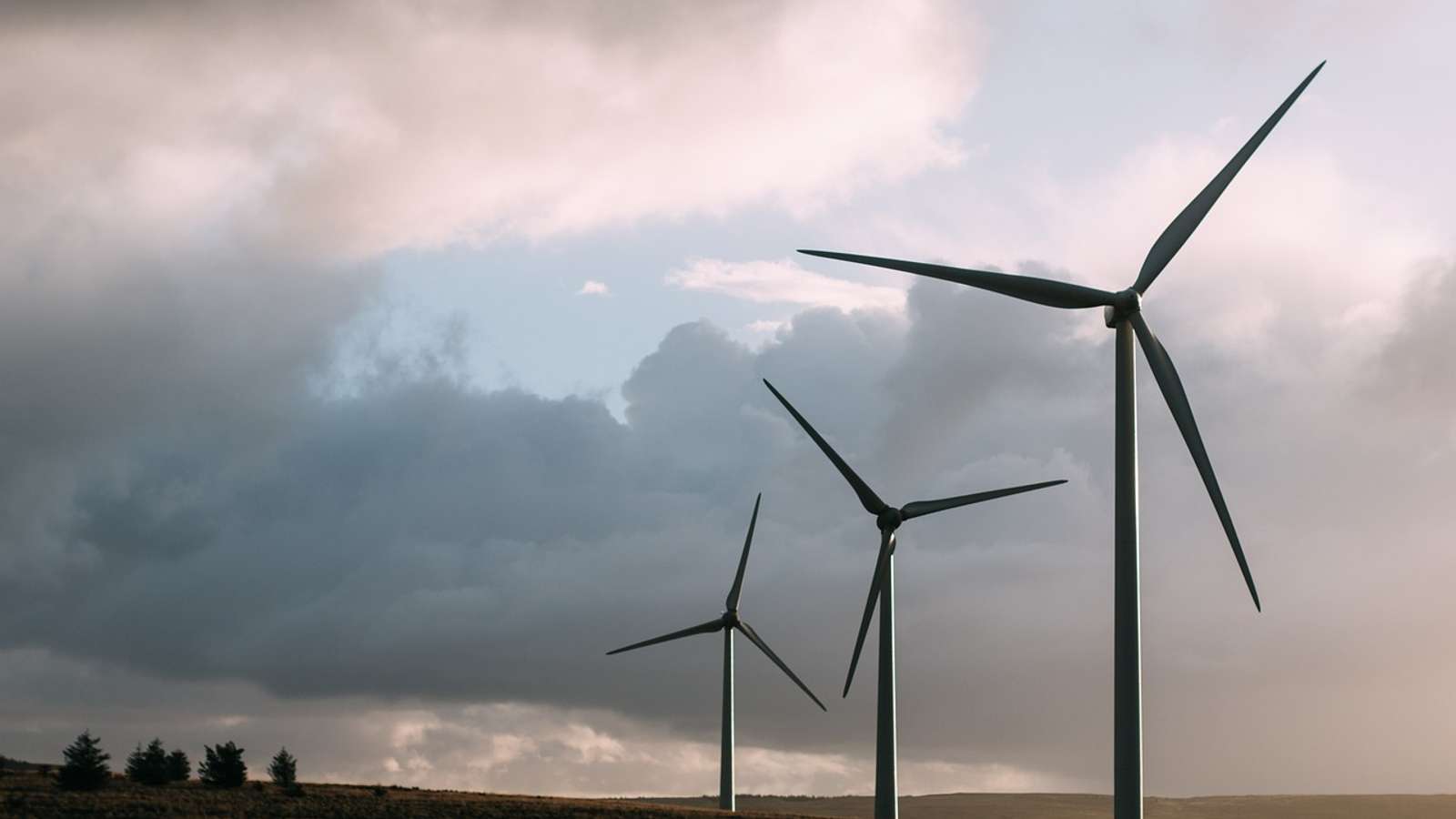
A wind turbine in Schipkau, in the former lignite mining region of Lusatia in eastern Germany, reached its final height of 365 meters on 28 September, according to the Dresden engineering firm GICON, which built it. Its hub sits at 300 meters, which makes it the tallest wind energy installation in the world, the company said.
The turbine is 35 meters taller than the Eiffel Tower and only 3 meters shorter than Berlin's television tower, Germany's tallest structure. The previous record holder, a turbine at Winnberg in Bavaria, has a hub height of 199 meters and a total height of 285 meters, ZDF reported. The German Wind Energy Association also recognizes the Schipkau turbine as the world's largest.
At 300 meters, the wind blows almost 28% faster than at 150 meters
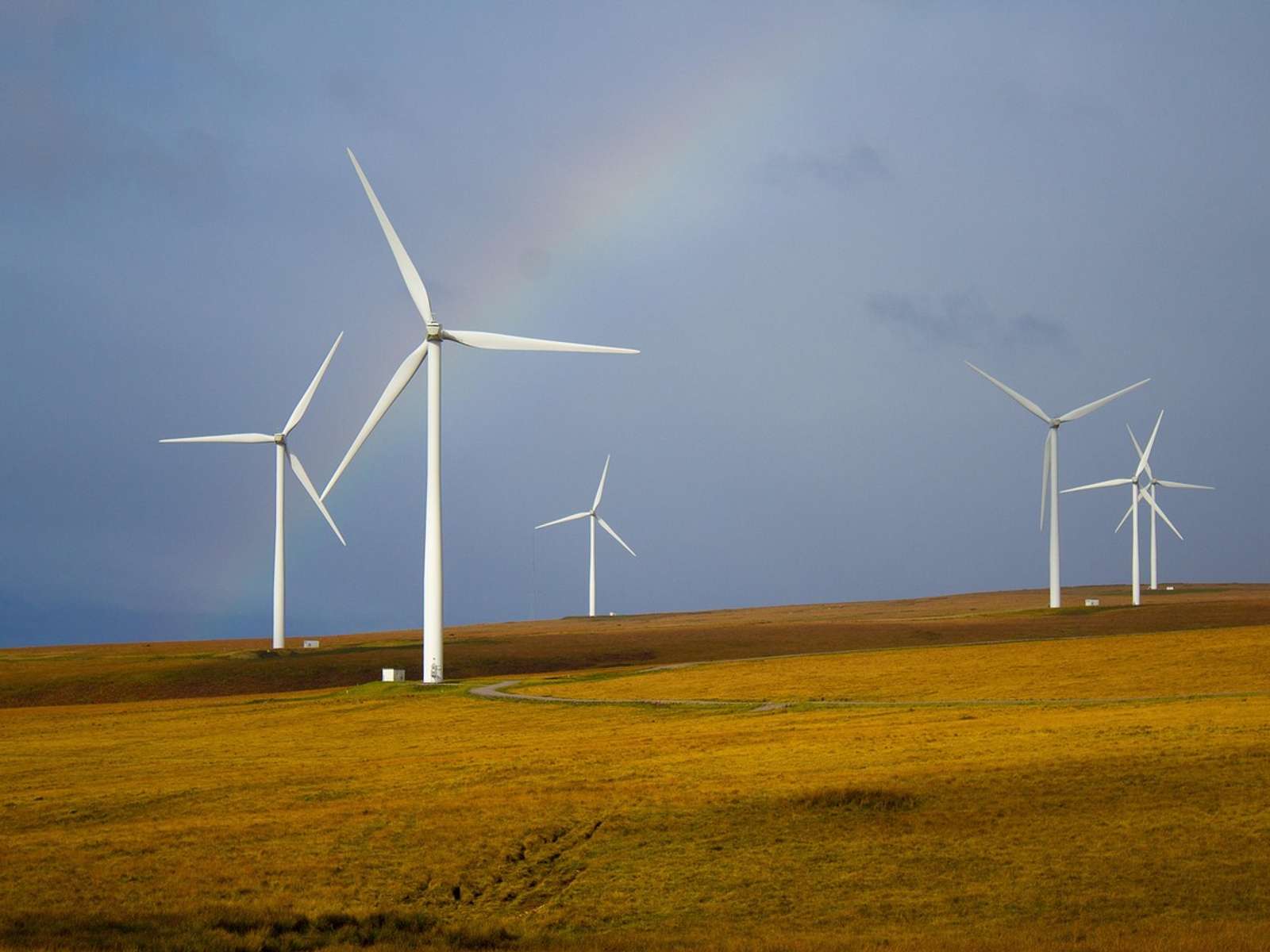
Ordinary onshore turbines in the area stand 150 to 250 meters tall. Higher up, the wind is stronger and steadier. A year of measurements from a mast at the site, which ran from May 2023 to May 2024, found mean wind speeds at 300 meters almost 28% higher than at 150 meters, climatologist Stefan Emeis of the Karlsruhe Institute of Technology said, as quoted by Bild der Wissenschaft.
GICON says that, with the same rotor diameter, the tower can deliver roughly twice the energy of a conventional turbine. The pilot has a rated capacity of 3.8 MW, and for it GICON expects about 40% more electricity than from a 100-meter turbine of the same capacity. It is designed to supply up to 7,500 households; future versions are planned at more than 7 MW. Whether the yield really doubles will only become clear once measurements start after commissioning, which is planned for November.
The tower lifted itself instead of relying on a crane
No construction crane reaches 300 meters, which has long limited how tall turbines can be. GICON's design gets around that with a telescoping steel tower. The turbine and rotor were mounted while the hub was at about 150 meters, using ordinary cranes. A strand jack system, a lifting method borrowed from bridge building, then pushed the inner tower up through the outer lattice mast until it reached full height, where it was locked in place.
“365 meters – this is an overwhelming moment for our entire team.” — Jochen Großmann, founder and chairman of the board of management, GICON
The project was commissioned by SPRIND, Germany's Federal Agency for Disruptive Innovation, set up in 2019. The idea came from engineer Horst Bendix, who submitted it to SPRIND at age 91 and died in 2023. SPRIND innovation manager Martin Chaumet said the technology "is intended to be deployed on a large scale in the coming years," the agency wrote.
A second tier above existing wind farms, at a higher price
Because the whole rotor turns above the blade tips of normal turbines, the towers could be added to existing wind farms as a second tier, without opening up new land. GICON and SPRIND estimate that up to 4,000 could be retrofitted in Germany. Emeis cautioned that this works only in smaller wind farms; in very large ones, the upper turbines would slow the wind reaching the lower ones. Conventional wind farms keep growing as well; Romania, for instance, switched on its largest new wind farm in more than a decade.
Cost is the open question. GICON estimates that a mass-produced high-altitude turbine would cost about €10.8 million, against about €1 million for a conventional one, according to Bild der Wissenschaft. The pilot will also test how far sound from a rotor at 300 meters carries to the ground, a concern for nearby residents. GICON says it aims to start series production as soon as possible.
Sources
- GICON · gicon.de
- zdfheute.de
- wissenschaft.de
- sprind.org
How we choose and verify sources: editorial policy.