New wind farms, solar plants, batteries and research that help replace fossil fuels, with the numbers checked against the people who built or measured them.

China Zorrilla, a 130-meter ferry built by Incat for Buquebus, has entered service between Buenos Aires and Colonia, Uruguay. It carries up to 2,100 passengers and 225 vehicles on more than 40 MWh of batteries.
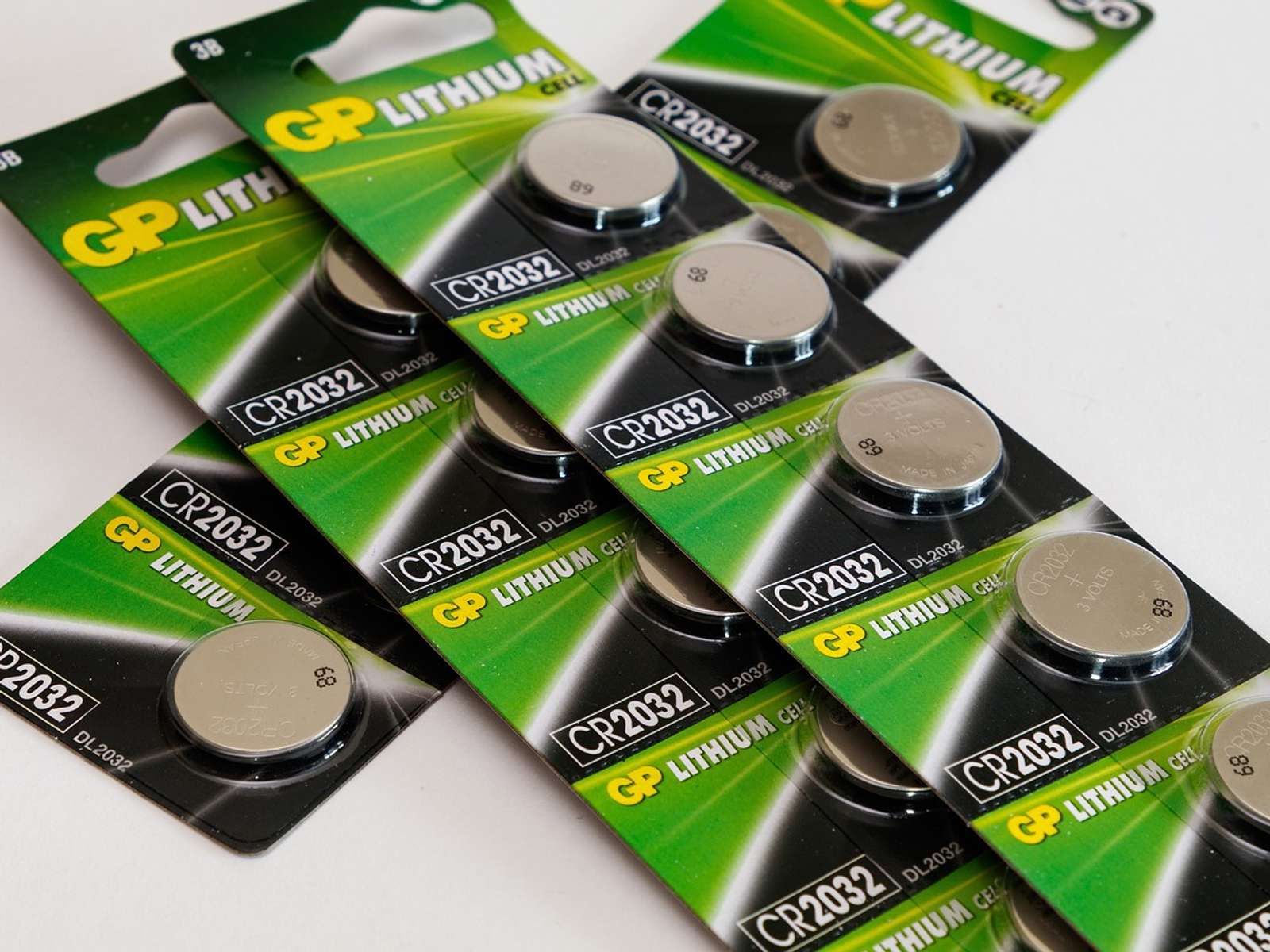
Cornell researchers watched lithium-ion batteries form their protective layers in real time and designed charging protocols that cut formation time by up to about 60%, with performance comparable to the standard process at battery maker C4V.
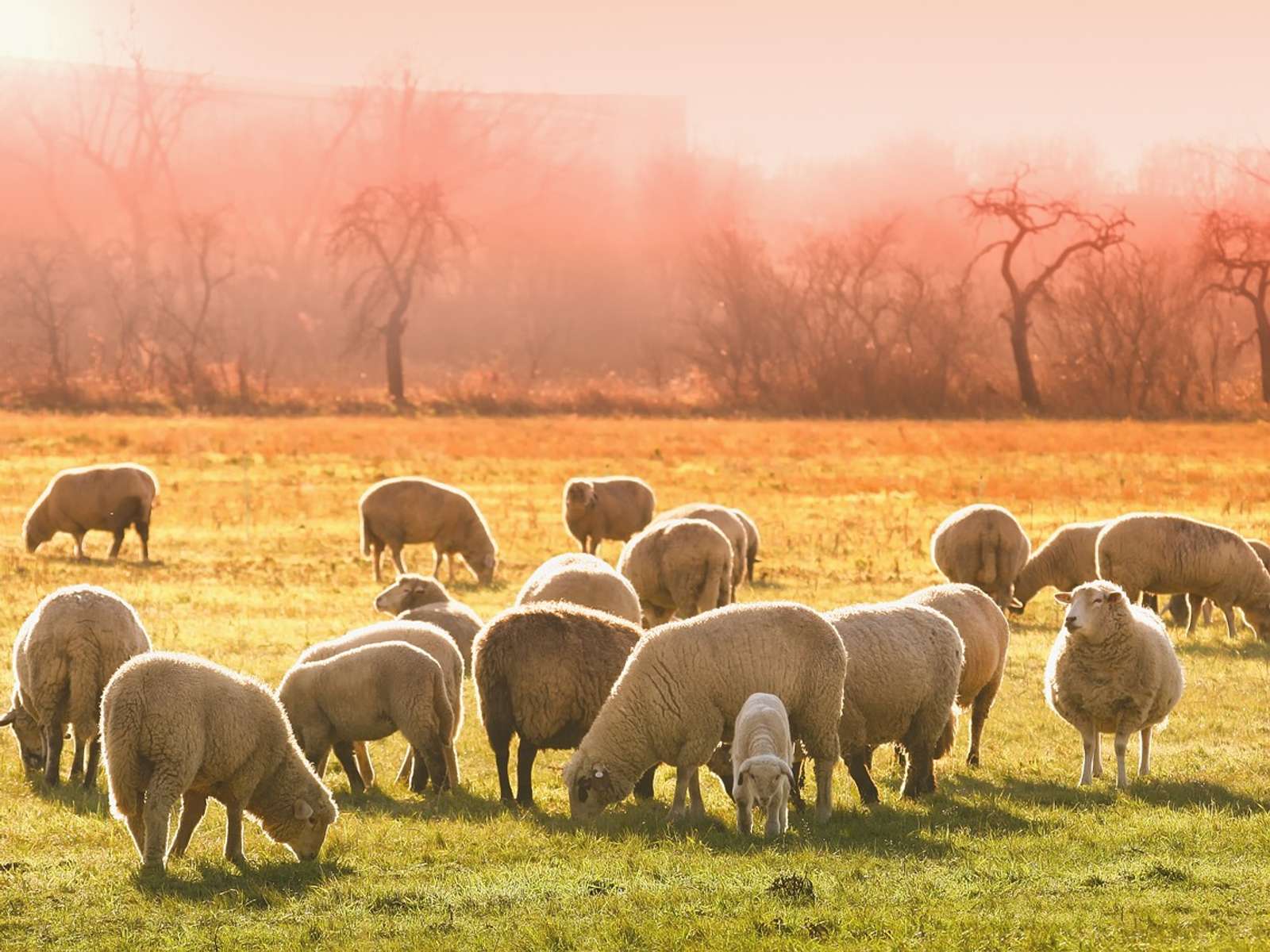
A three-year Cornell study found that light sheep grazing at a New York solar farm raised bee and lady beetle numbers by 38% compared with mowing, while a second study gives farmers a tool to plan flocks for solar sites.
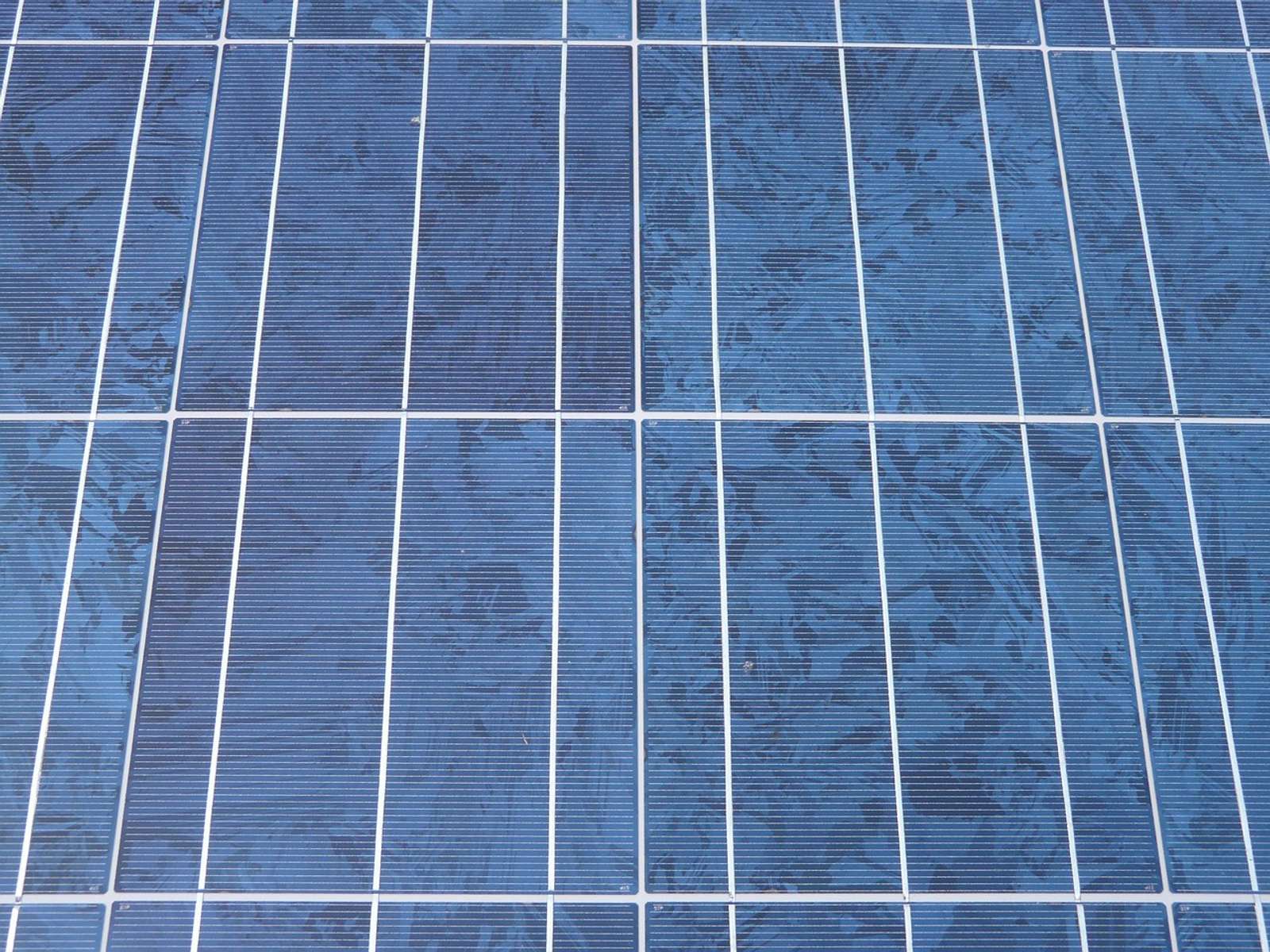
Adding zinc bromide and methylammonium chloride while perovskite crystals form cut defects, so the material held energy from sunlight about 10 times longer, a team from Princeton, UC San Diego and South Korea reported in Science.
Researchers at the University of São Paulo found an enzyme in sugarcane roots that, added to a commercial enzyme mix, raised sugar release from cane waste by up to six times in the lab. The target is cheaper second-generation ethanol.
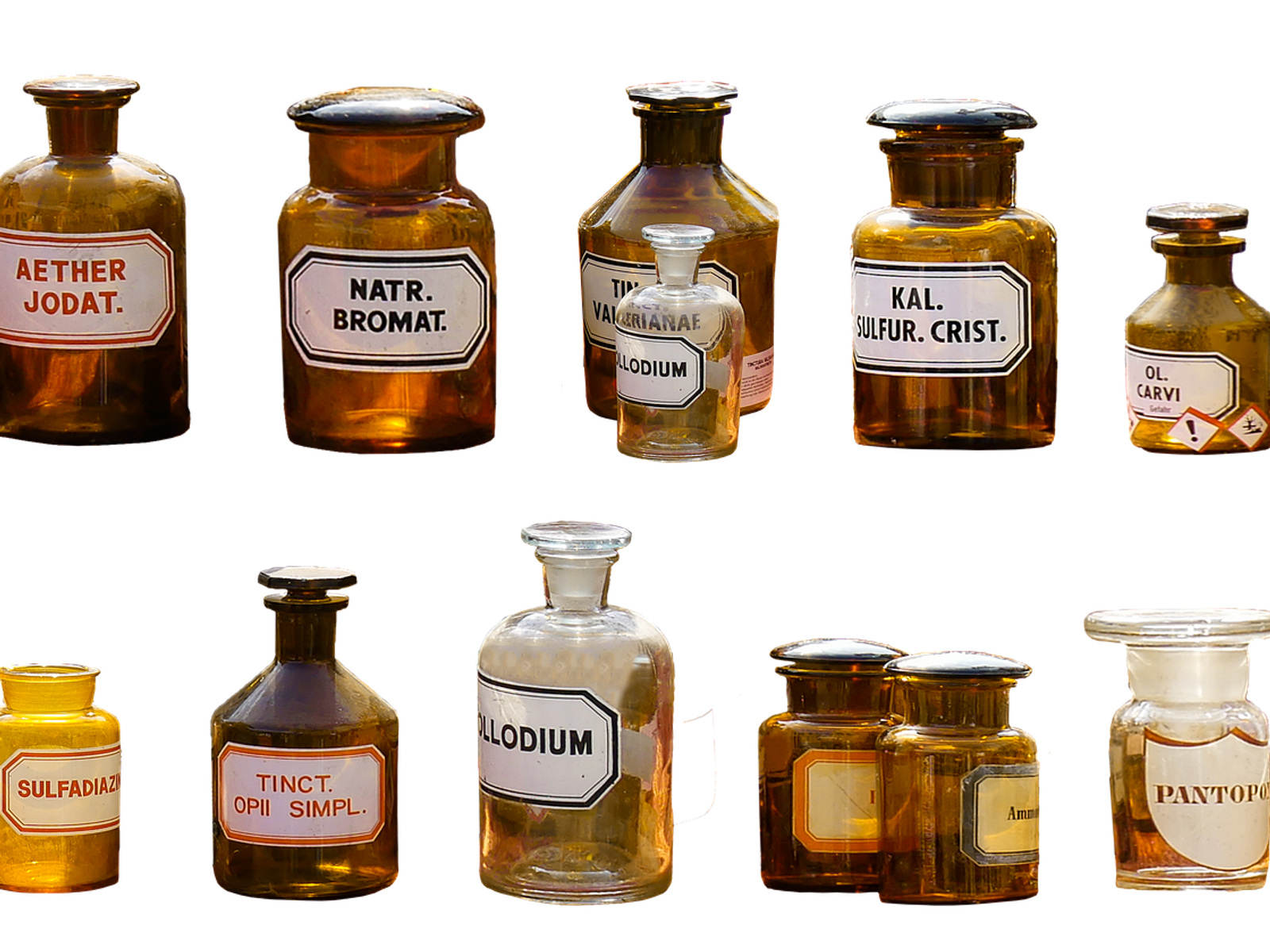
By tracking molecules as they were heated, chemists at Warwick and Birmingham found materials that normally vanish along the way, including a new form of the solar-fuel compound bismuth vanadate and an oxide that stores lithium.
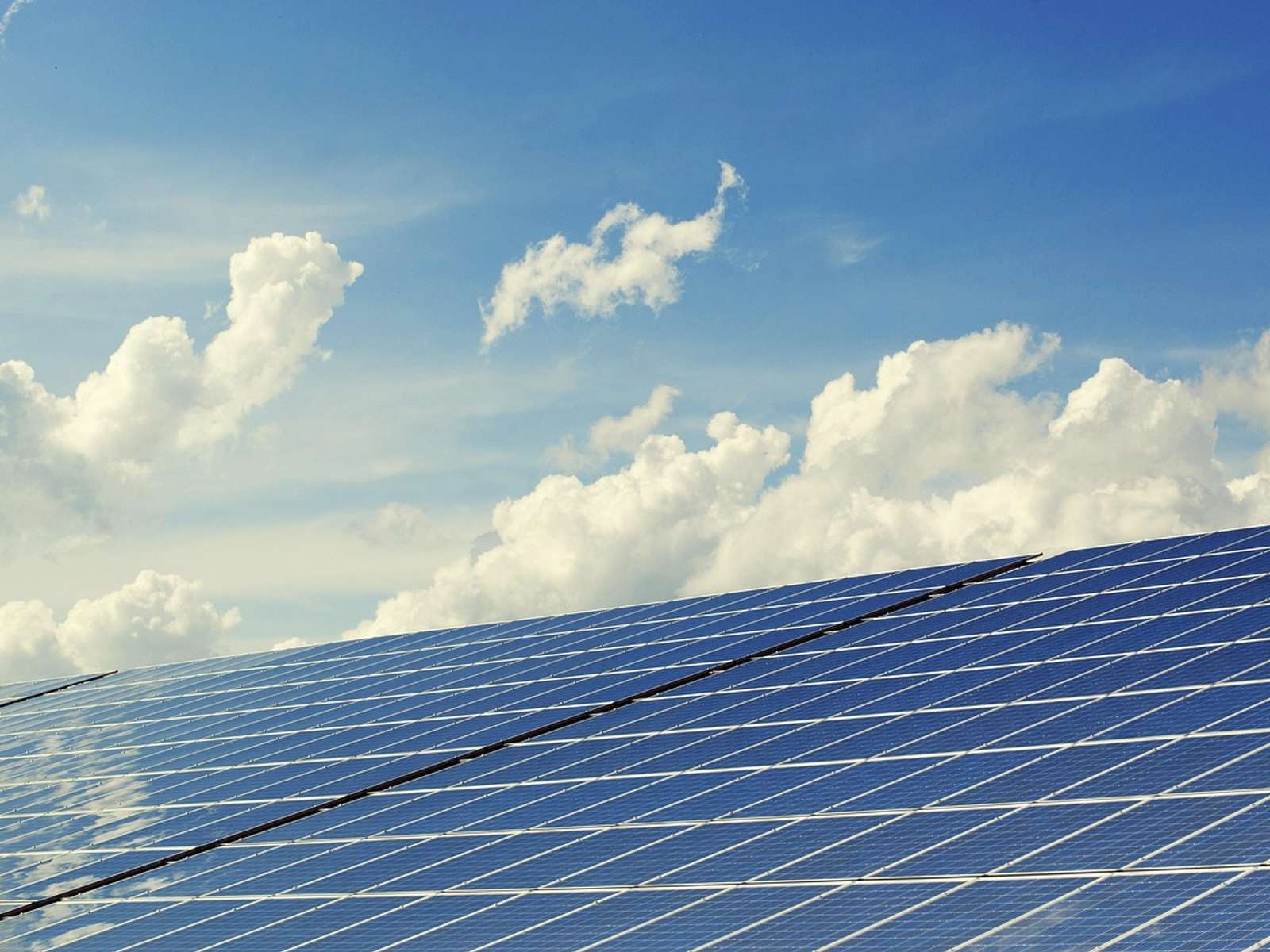
ACME Solar has brought 107 MW / 437 MWh of new battery energy storage online at two projects in Rajasthan, taking the company’s operational storage capacity in India to 4.96 GWh.
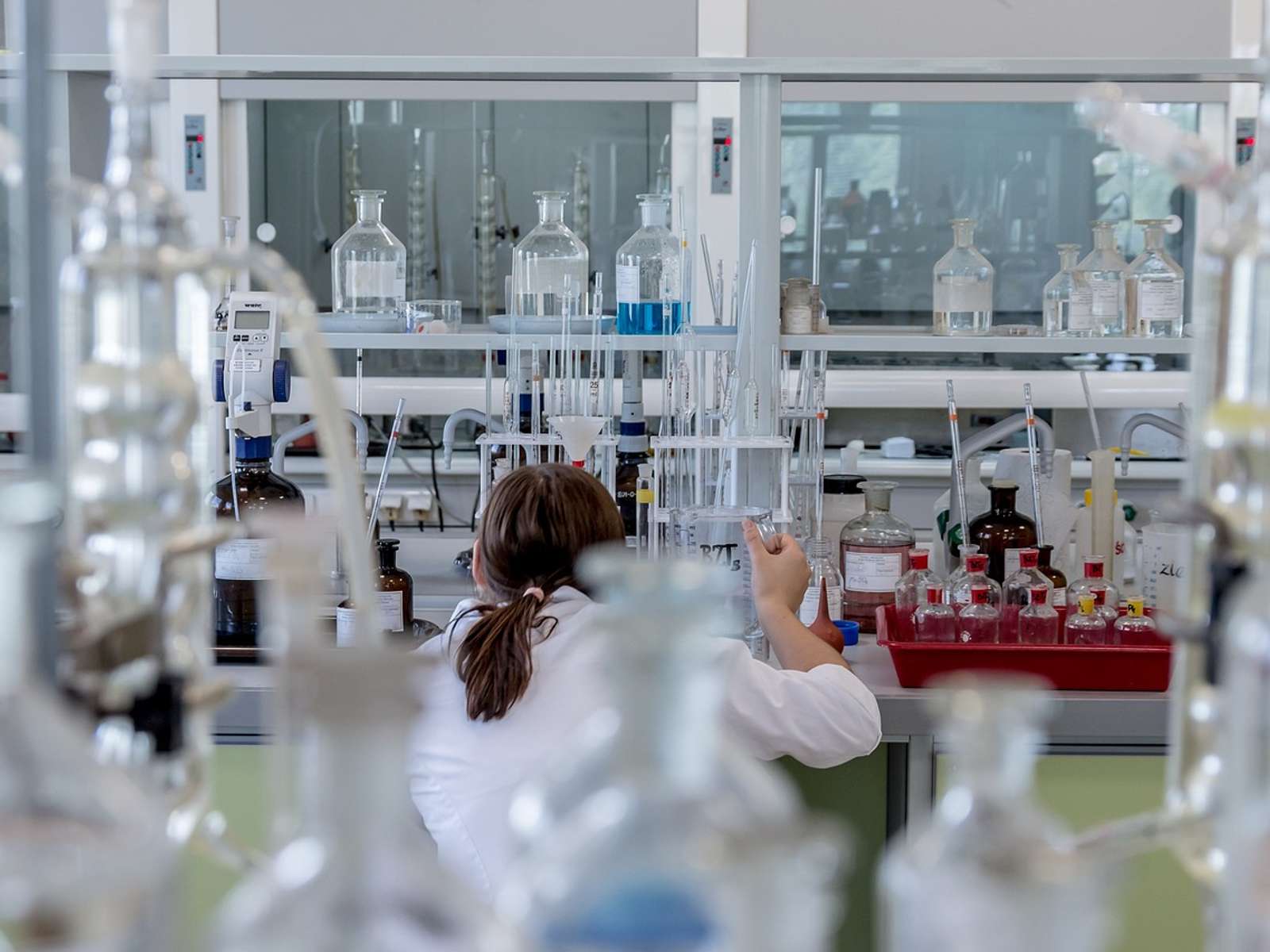
Oregon State University chemists report a light-driven material that produces hydrogen from water using sulfur-containing organic parts instead of an added expensive metal catalyst, a design they say could help lower the cost of green hydrogen.
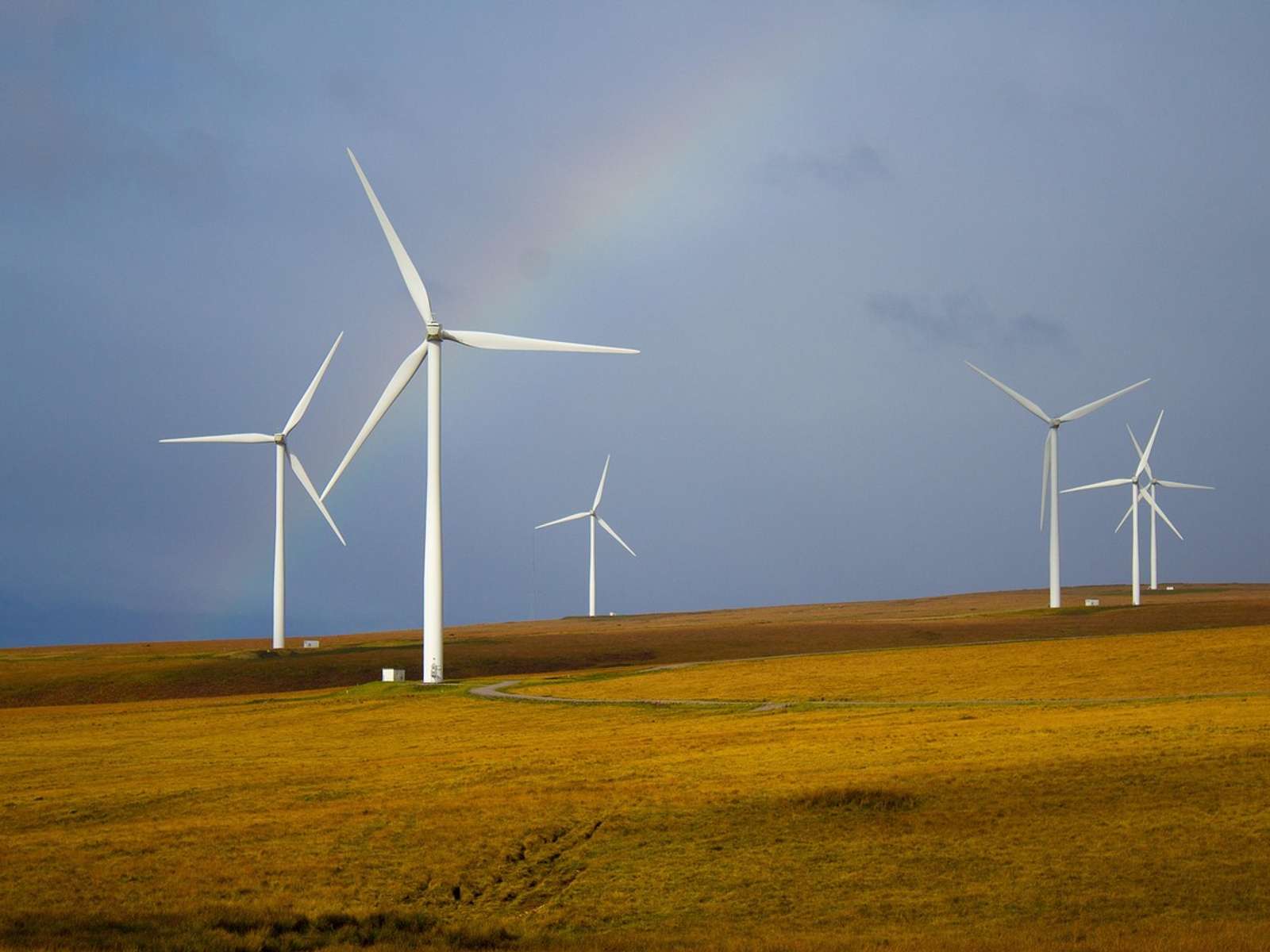
Rezolv Energy has switched on the first phase of its VIFOR wind farm in Buzău County, 30 Vestas turbines producing 192 MW, the largest wind project brought online in Romania in more than a decade.
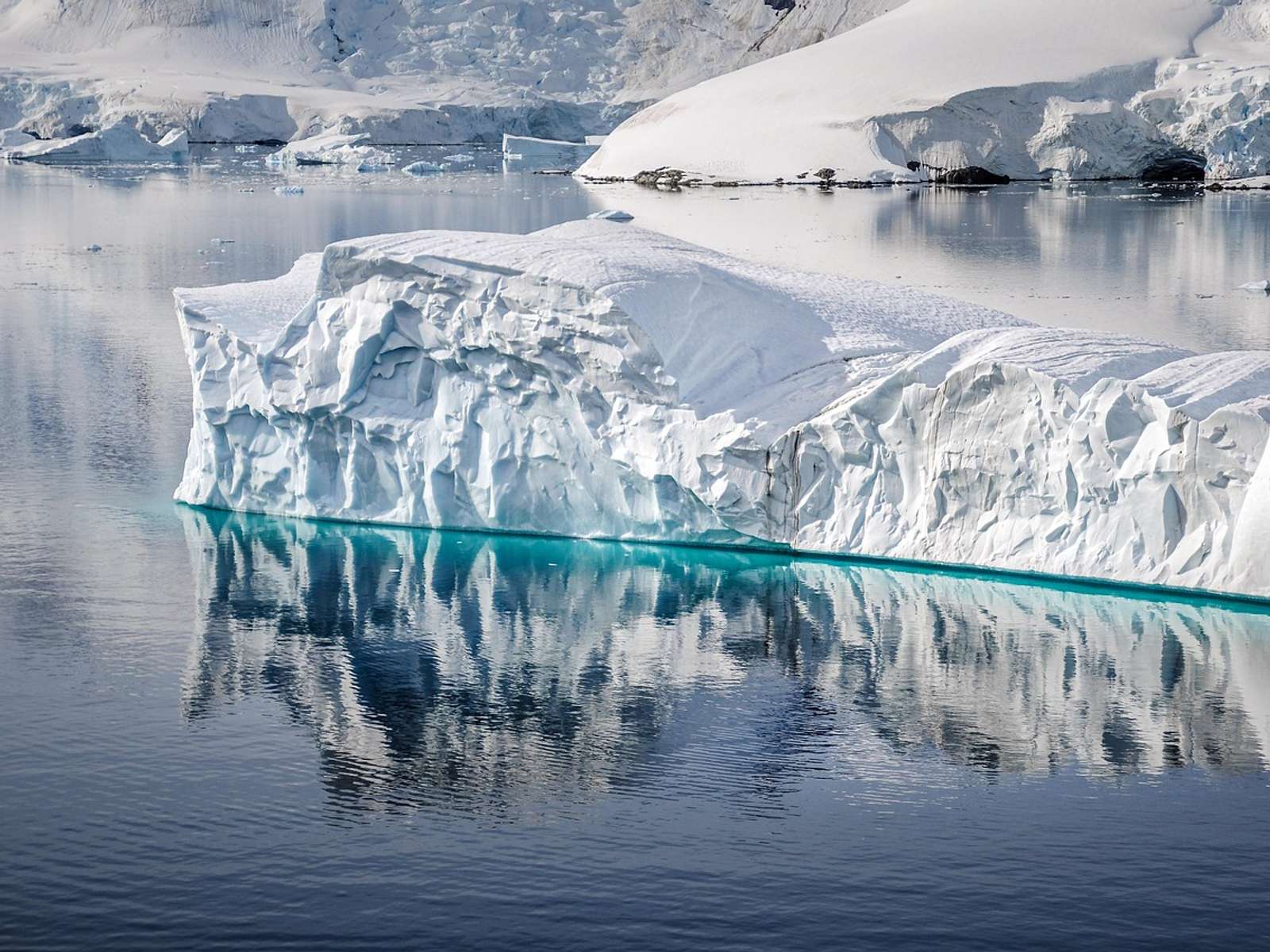
Three turbines on Ross Island have powered New Zealand's Scott Base and the US McMurdo Station since 2009, cutting fuel use by about 463,000 liters (122,000 gallons) a year. Larger turbines and a battery are due to replace them before 2030.
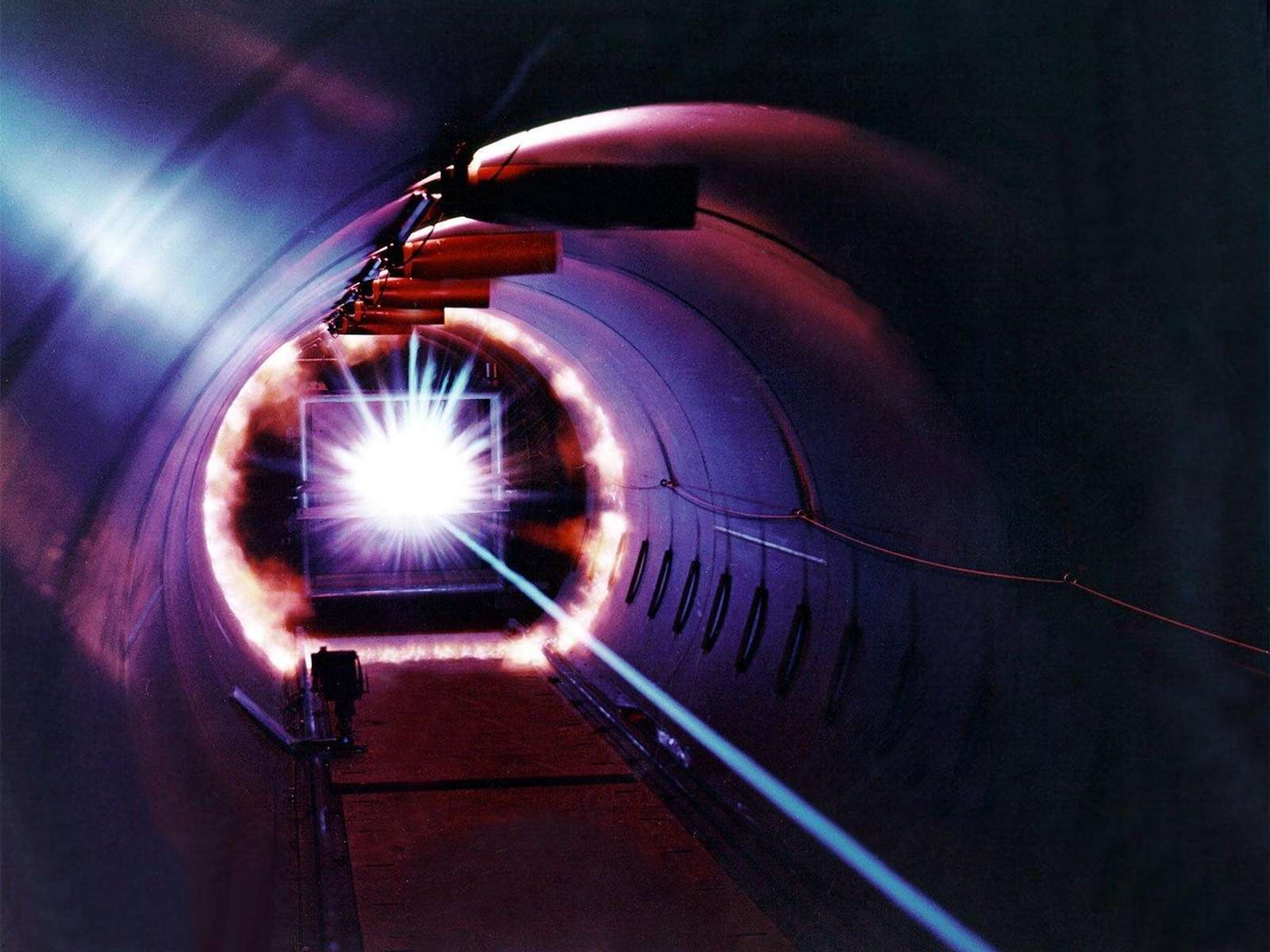
ENN Group says its EXL-50U device in Langfang produced over 100 million hydrogen-boron fusion reactions per second, a fuel that releases no neutrons. It is a physics result, not net energy, and the company targets first electricity in 2030.
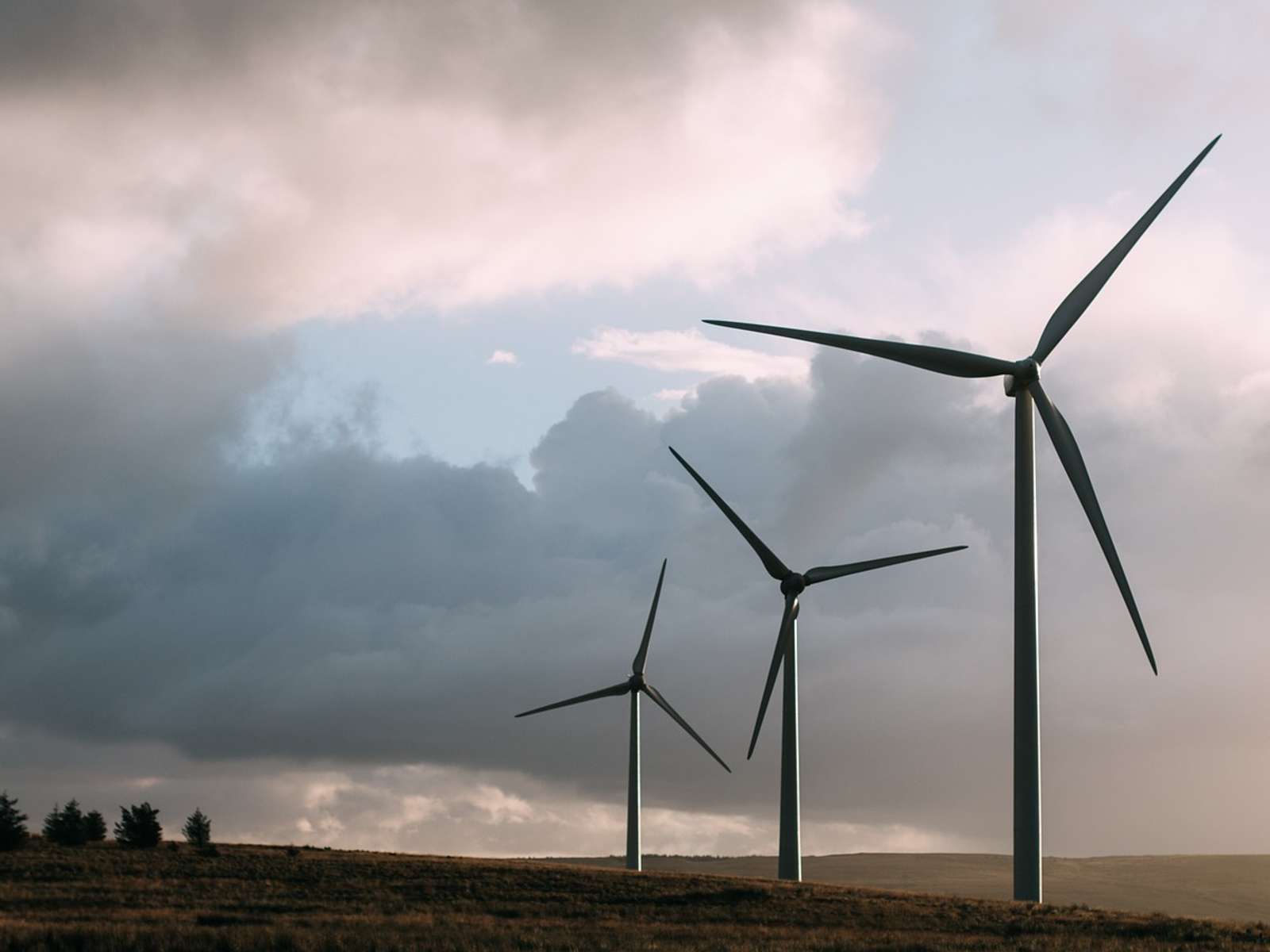
Engineering firm GICON has raised a pilot wind turbine in Schipkau, Germany, to 365 meters, with its hub at 300 meters. It should start running in November and is designed to tap stronger, steadier winds high above ordinary turbines.
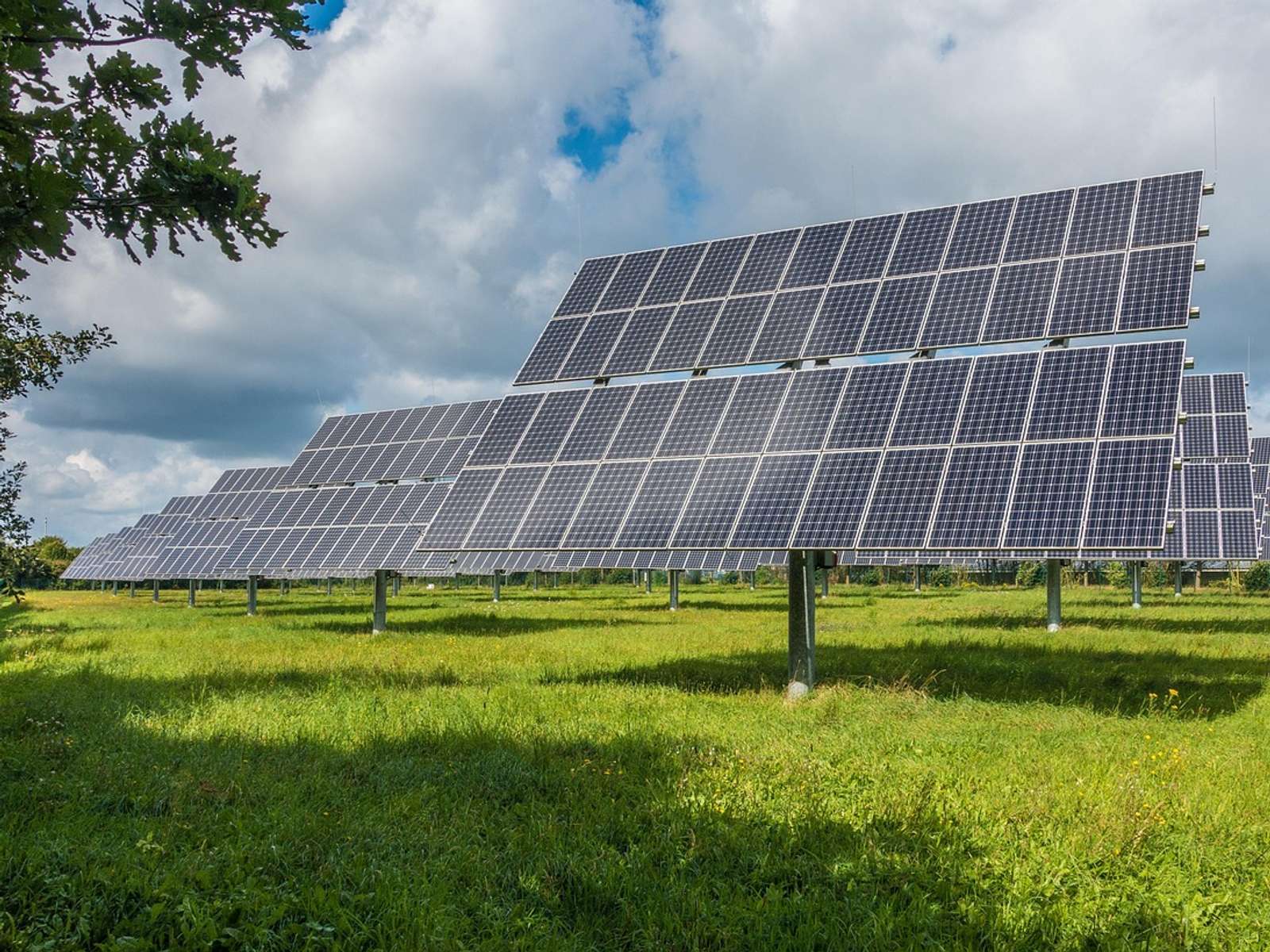
India's cabinet approved the third phase of its Green Energy Corridor: new state-level transmission lines to carry up to 135 GW of renewable power, plus 50 GWh of battery storage, by the 2032-33 financial year.
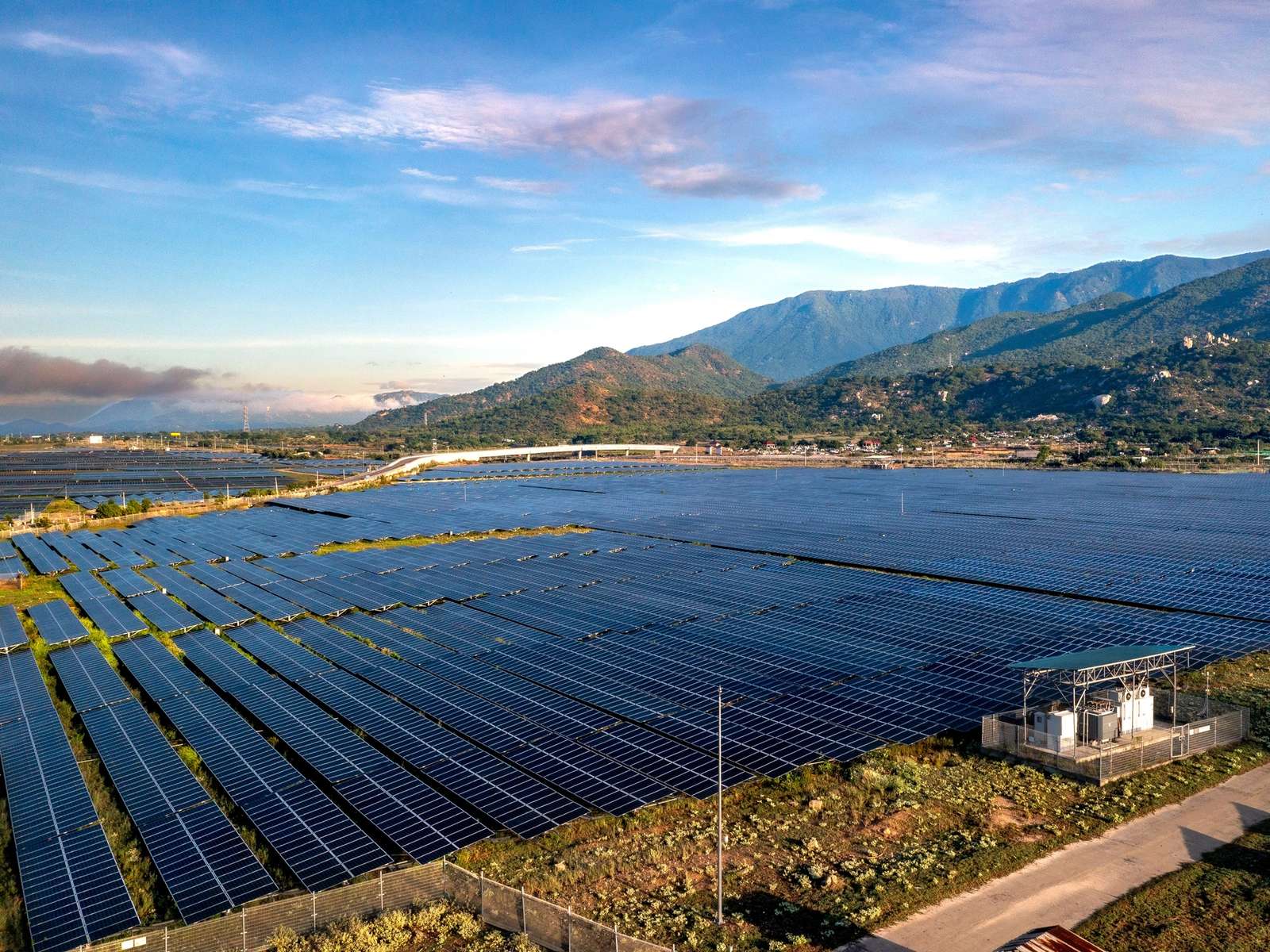
Bhutan has commissioned the Sephu Solar Power Project, the country's first utility-scale solar plant designed and built entirely by Bhutanese engineers, with the government already approving an expansion to 22.38 megawatts.
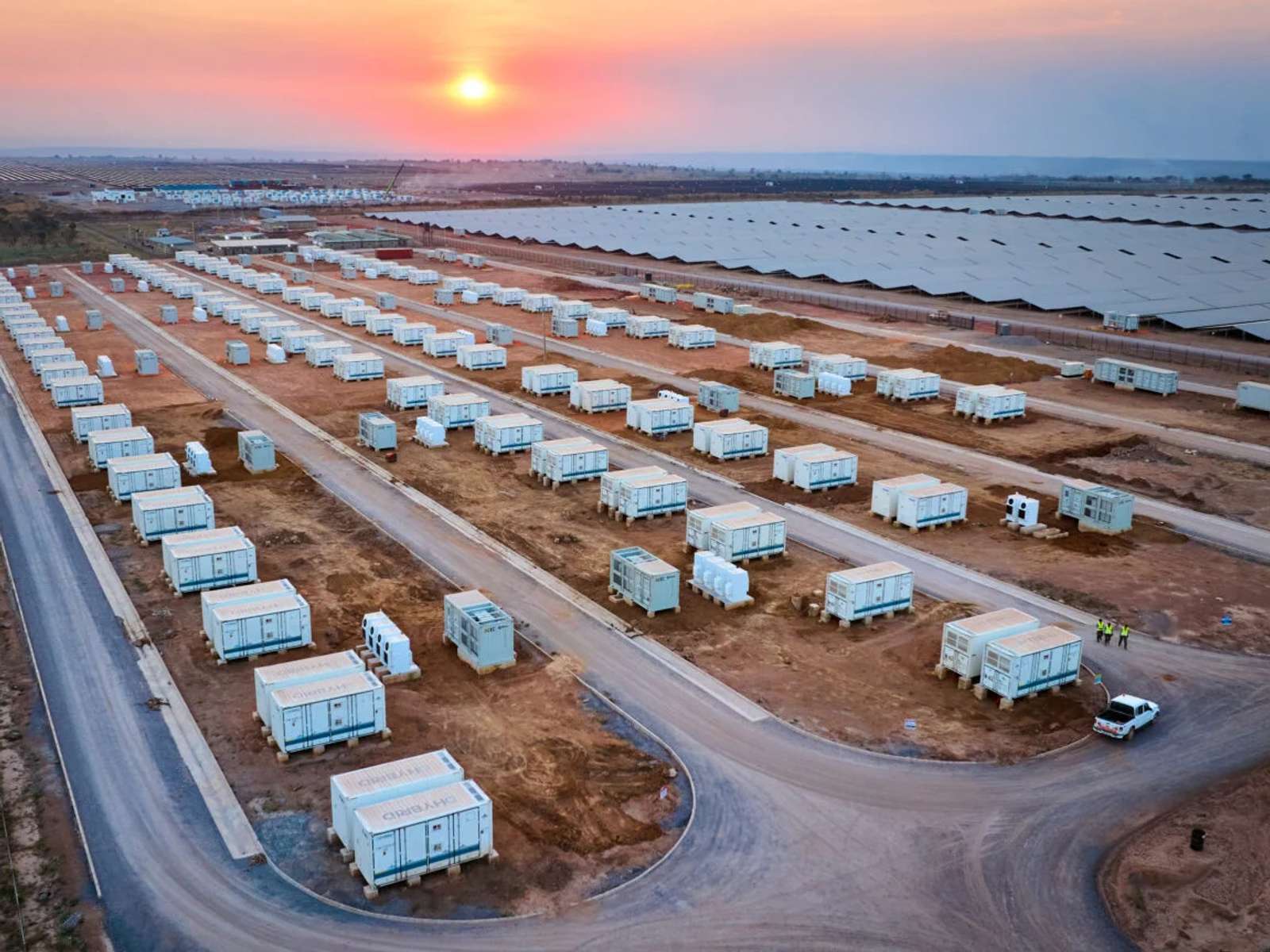
A massive solar and battery facility in the Democratic Republic of the Congo is now delivering reliable renewable power around the clock to one of Africa’s largest copper mining complexes.
About this topic
The world added a record 693 gigawatts of renewable power capacity in 2025, bringing the total to 5.15 terawatts at the end of the year, according to a September 2026 report by the International Renewable Energy Agency (IRENA), the COP31 Presidency and the Global Renewables Alliance. That is real momentum, but the same report says it is not yet enough: to reach the global goal of tripling renewable capacity to 11.2 terawatts by 2030, the world would have to add about 1,200 gigawatts a year on average between 2026 and 2030. The report names investment, grids and electrification as the main bottlenecks.
The stories on this page cover the projects and research behind those totals. Some are large installations, such as Romania's biggest new wind farm in more than a decade, a 437 MWh battery system in Rajasthan, Africa's first round-the-clock solar and battery facility, and a 365-meter wind turbine in Germany. Others are smaller but telling, like the wind turbines that cut diesel use at two Antarctic research bases, or early-stage research on materials for solar fuels and hydrogen.
We report the capacity, output or savings the operator or research team gives, and we separate what is running from what is planned or still in the lab. Capacity (in megawatts) and stored energy (in megawatt-hours) are different measures, and a plant's capacity is not the same as the electricity it produces over a year, so we say which number a story uses.
When a project depends on grid connections, storage or further funding to deliver its full benefit, and the source says so, that goes in the story too.