India’s ACME Solar Switches On 437 MWh of New Battery Storage in Rajasthan
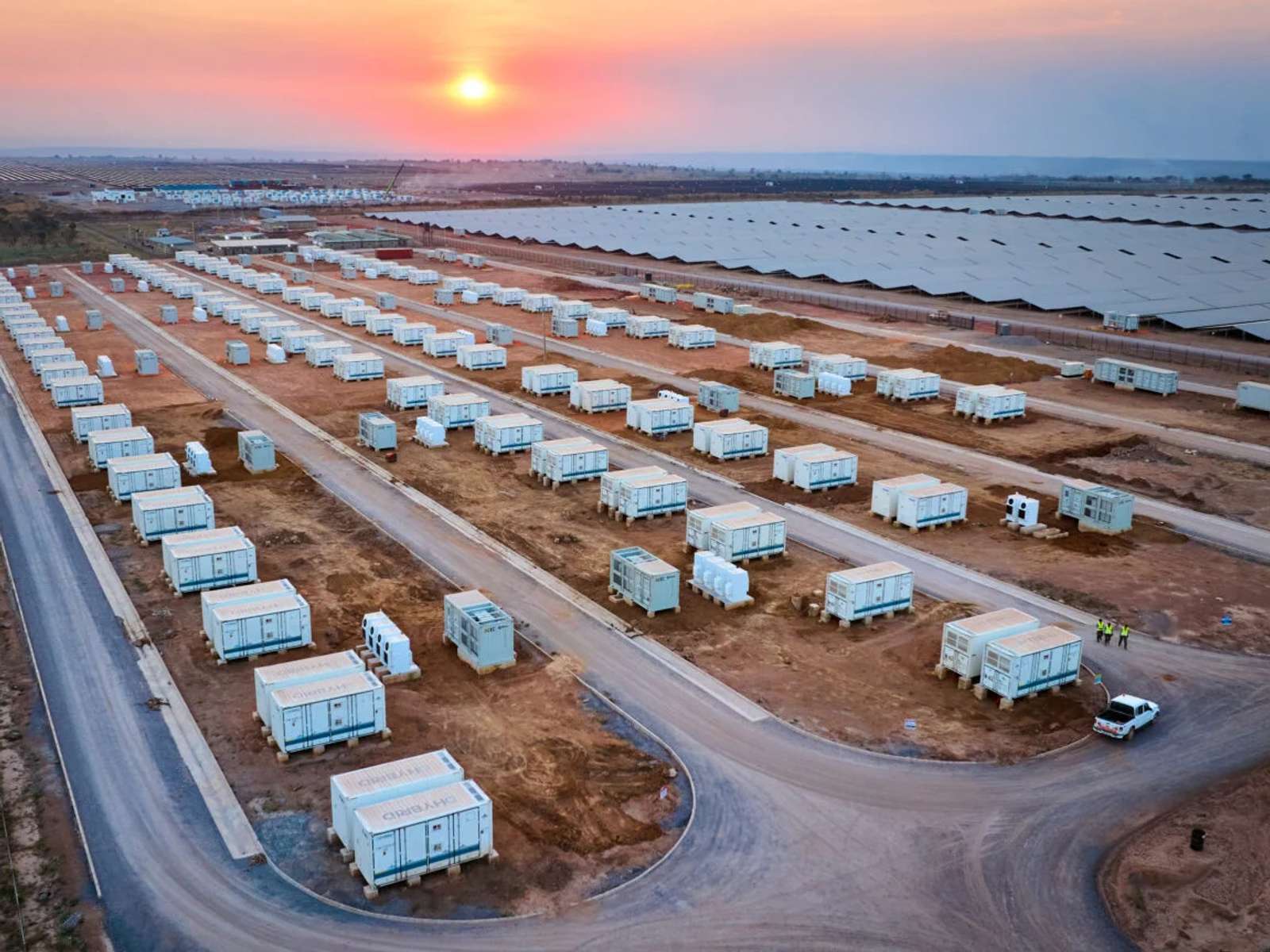
ACME Solar has brought 107 MW / 437 MWh of new battery energy storage online at two projects in Rajasthan, taking the company’s operational storage capacity in India to 4.96 GWh.
By Diego Callegari, Editor
· India · Updated · 2 min read
Source: ACME Solar Holdings (stock exchange filing, via Energetica India) ↗
Indian renewable energy company ACME Solar Holdings has commissioned 107.36 megawatts and 437.49 megawatt-hours of new battery energy storage at two projects in Rajasthan, the company said in a filing to India's stock exchanges, as reported by Energetica India. Both systems were commissioned on 30 September and started commercial operation on 2 October.
The additions bring ACME Solar's total operational battery storage to 4.96 gigawatt-hours. One gigawatt-hour is enough to supply 1 gigawatt of power for an hour, or a smaller output for longer.
A first phase at Chittorgarh and a third at Bikaner
The larger of the two additions, 53.73 megawatts and about 223 megawatt-hours, is the first phase of a project at Neemri village in the Rawatbhata area of Chittorgarh district. It connects to the grid at the Neemuch substation. The full project is planned at 250 megawatts of discharge capacity and 1,069 megawatt-hours of storage, and its solar and wind generation is still being built.
The second addition, 53.63 megawatts and 214.52 megawatt-hours, is the third phase of an "assured peak power" project at Kelan village in Bikaner, connected at the Bikaner III substation. With it, that project now has 159.58 megawatts and 638.32 megawatt-hours running, out of a planned 300 megawatts, Renewables Now reported.
Both projects sell their output under 25-year power purchase agreements with one of India's national renewable energy implementing agencies, the state-owned bodies that run auctions for clean power. ACME Solar expects to commission the rest of the battery capacity at both sites within the current financial year, which ends in March.
Batteries let solar farms sell power after sunset
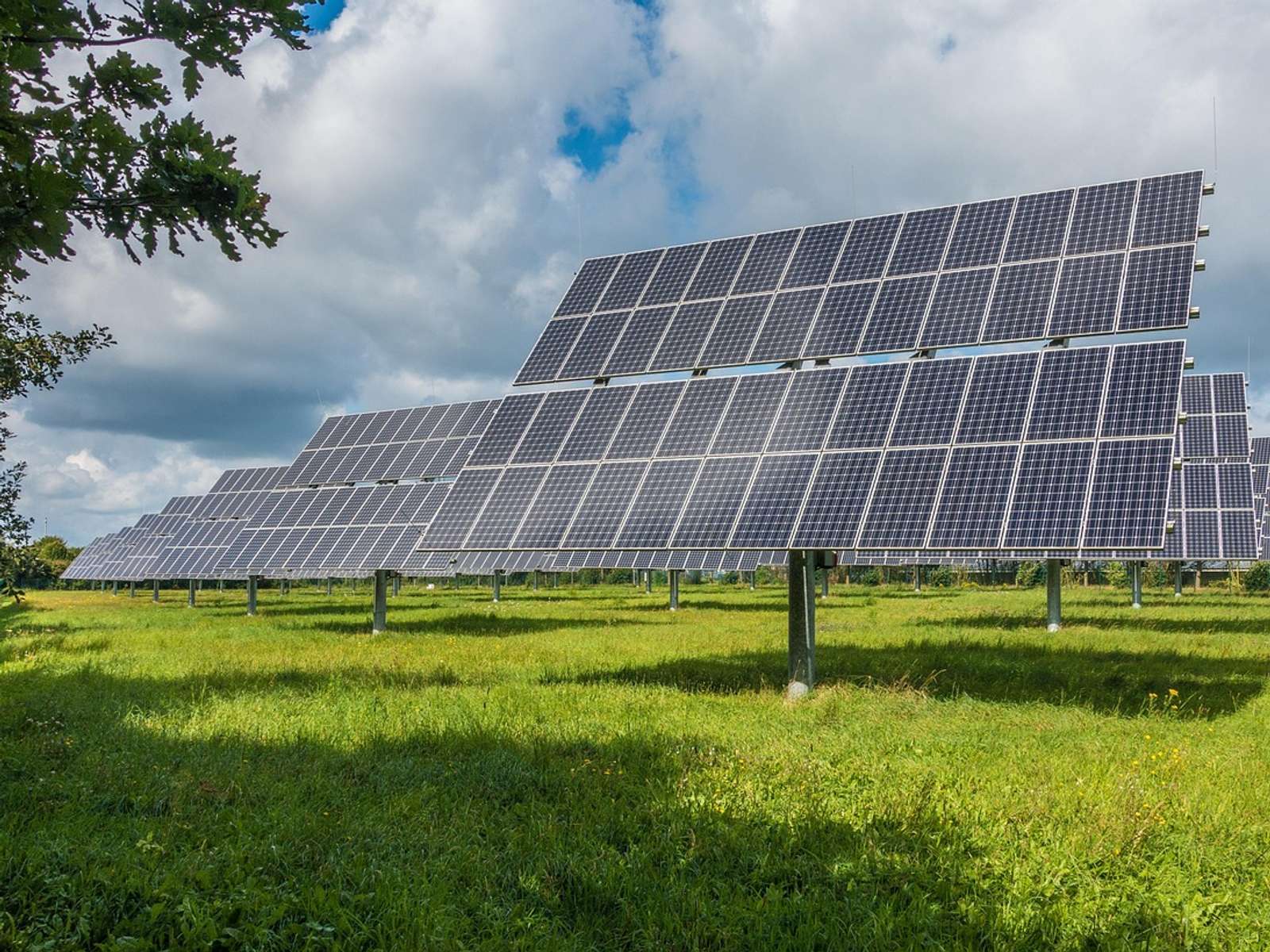
India's solar farms produce most of their electricity around midday, while demand peaks in the evening, when people get home and switch on lights, fans and air conditioners. Batteries charged during the day can release that power after sunset.
That is the idea behind the two contract types here. A firm and dispatchable renewable energy project has to deliver a promised amount of power at agreed times, whatever the weather. An assured peak power project has to supply electricity specifically during peak hours. Both need storage to work.
Grid planners are building toward the same goal. India's transmission plans now pair new power lines with storage, as in the green energy corridor plan that adds 50 GWh of battery storage.
What the filing does not say
The figures come from ACME Solar's own disclosure, and the filing does not give the cost of the batteries, the suppliers, or how many hours a day the systems are expected to cycle.
Sources
- ACME Solar Holdings (stock exchange filing, via Energetica India) · energetica-india.net
- renewablesnow.com
How we choose and verify sources: editorial policy.