10 verified stories from India, newest first. Each one links to the official source it is based on.

Researchers at the Indian Institute of Science combined quantum calculations and machine learning to map 9,389 reaction steps for turning CO₂ into methanol on copper. A smaller 152-step model had predicted the wrong main product.
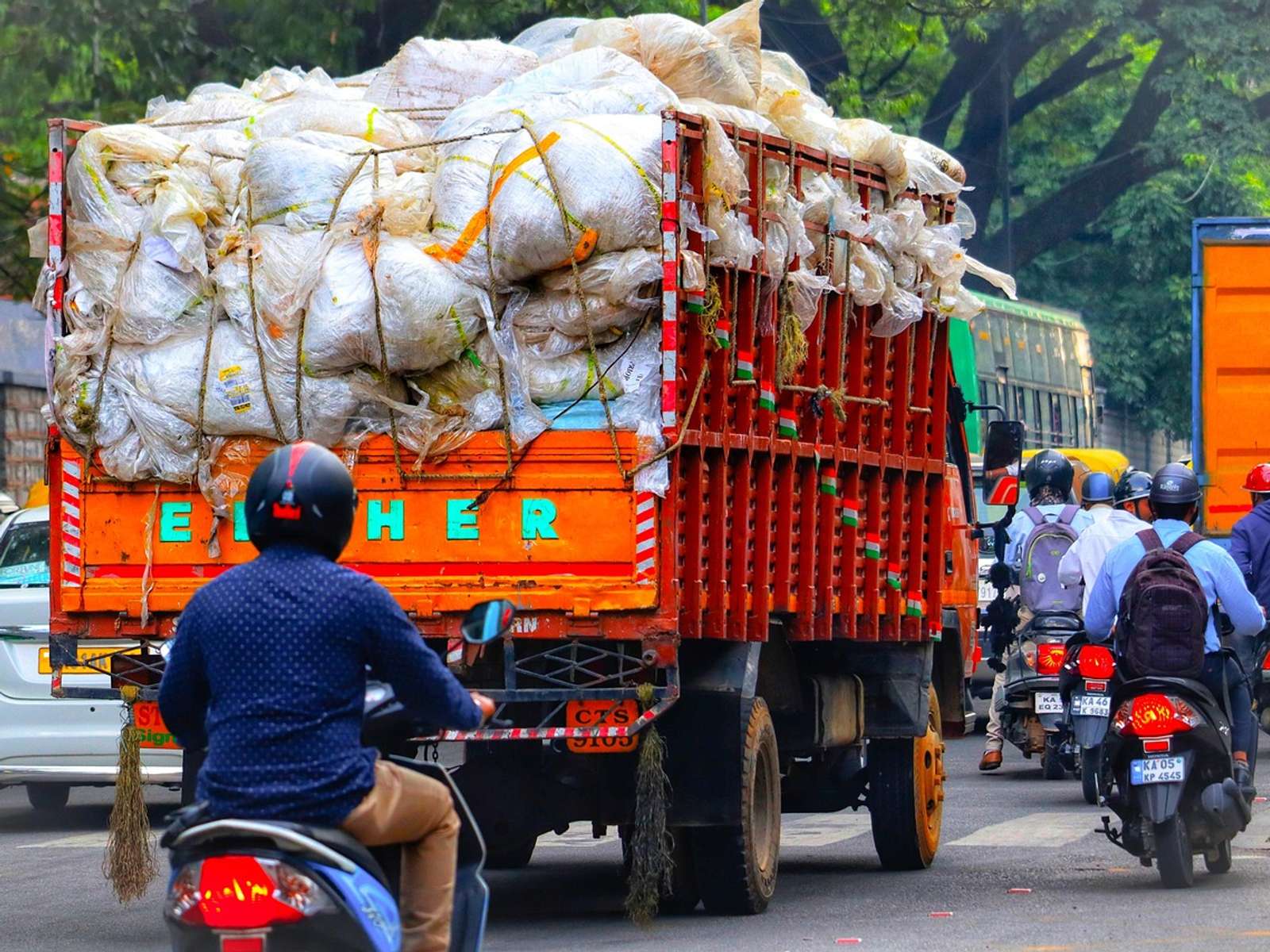
Mekala Nancharamma, a former waste picker in Guntur, India, now earns about ₹18,000 a month instead of ₹8,000 after a government scheme helped her group buy a tractor-mounted drain cleaner.

Ten years after Madhya Pradesh began moving hard-ground barasingha from Kanha to Satpura Tiger Reserve, where the deer had died out, the population has grown to about 303, with corridors now planned.

Shiksha Copilot, an AI system from Microsoft Research India evaluated with Cornell, saved more than 1,000 teachers in Karnataka about two hours a week, and about 30,000 teachers in Telangana now use it.

A new UNDP and Generali Central challenge will give up to three insurance solutions grants of up to $40,000 each to help protect India's more than 73 million small businesses from climate, health and financial shocks.

ACME Solar has brought 107 MW / 437 MWh of new battery energy storage online at two projects in Rajasthan, taking the company’s operational storage capacity in India to 4.96 GWh.

Tigress T138, about three years old, was flown from Bihar's Valmiki reserve and released into West Bengal's Buxa Tiger Reserve on 2 October, the first step in a phased plan to bring back a breeding tiger population.
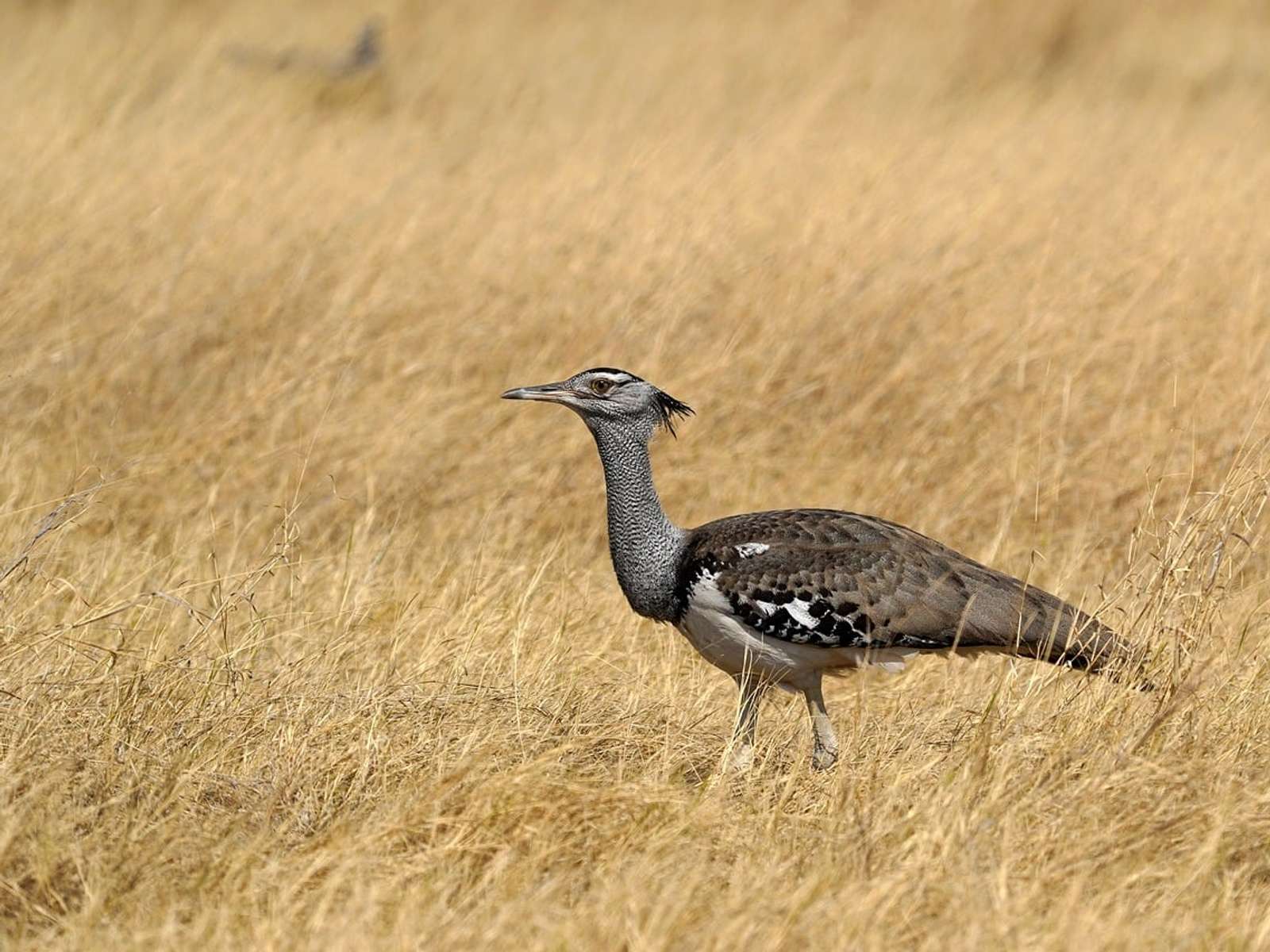
Two male Great Indian Bustards bred in captivity were released at Desert National Park in Rajasthan on 4 October, the first step from breeding the critically endangered bird to returning it to the wild.

India's cabinet approved the third phase of its Green Energy Corridor: new state-level transmission lines to carry up to 135 GW of renewable power, plus 50 GWh of battery storage, by the 2032-33 financial year.

A nurse-coordinated care model tested in 1,507 patients across 22 Indian hospitals cut heart failure deaths by 22 percent over two years, addressing one of cardiology's most persistent gaps: patients not receiving medications proven to save lives.