15 verified stories from the United Kingdom, newest first. Each one links to the official source it is based on.
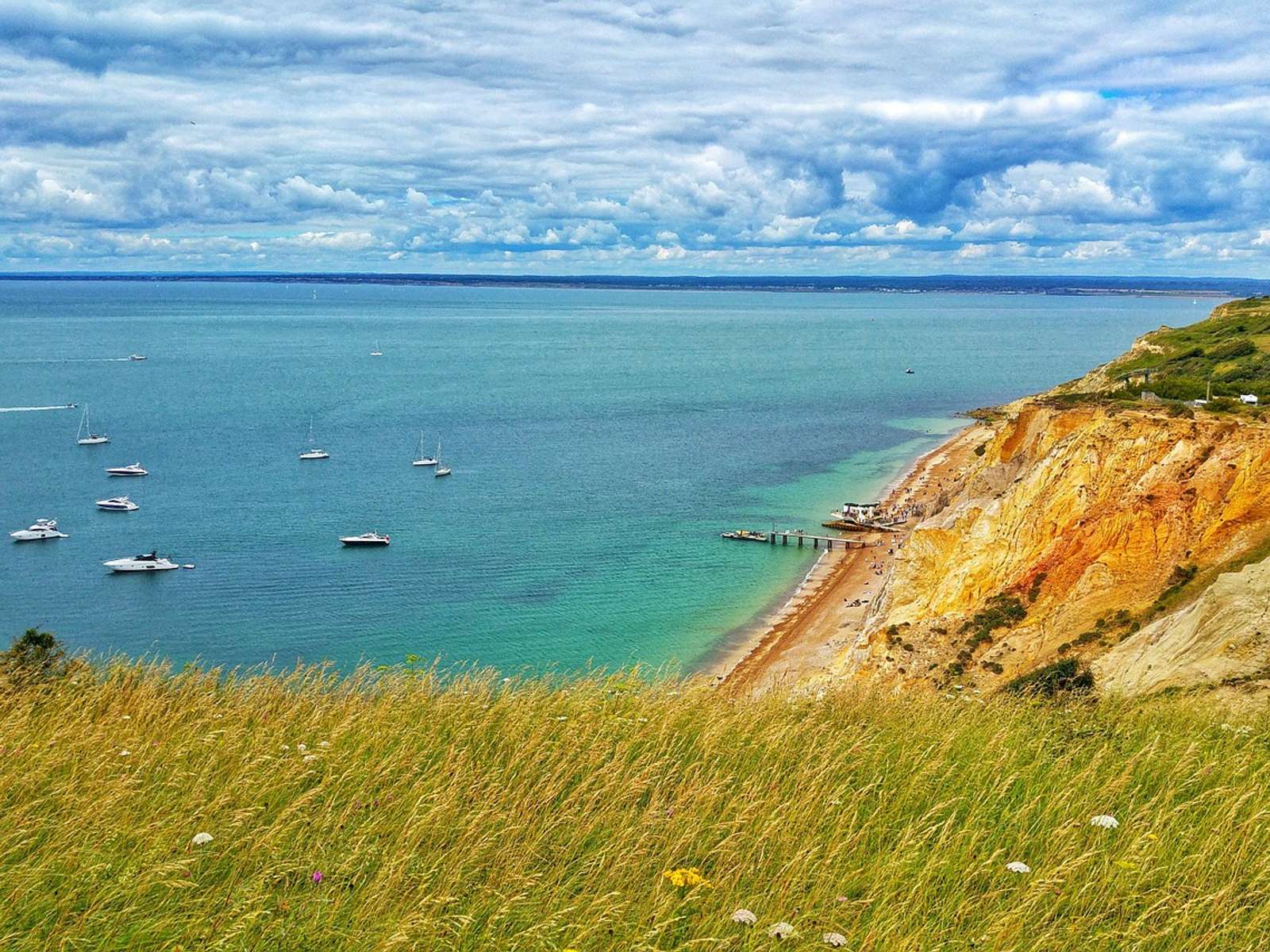
A fossil the Natural History Museum acquired in 1924 belongs to a new dinosaur, Invictibellatrix amberina, the first megaraptoran found in Europe. The 3-4 meter predator lived on the Isle of Wight about 120 million years ago.
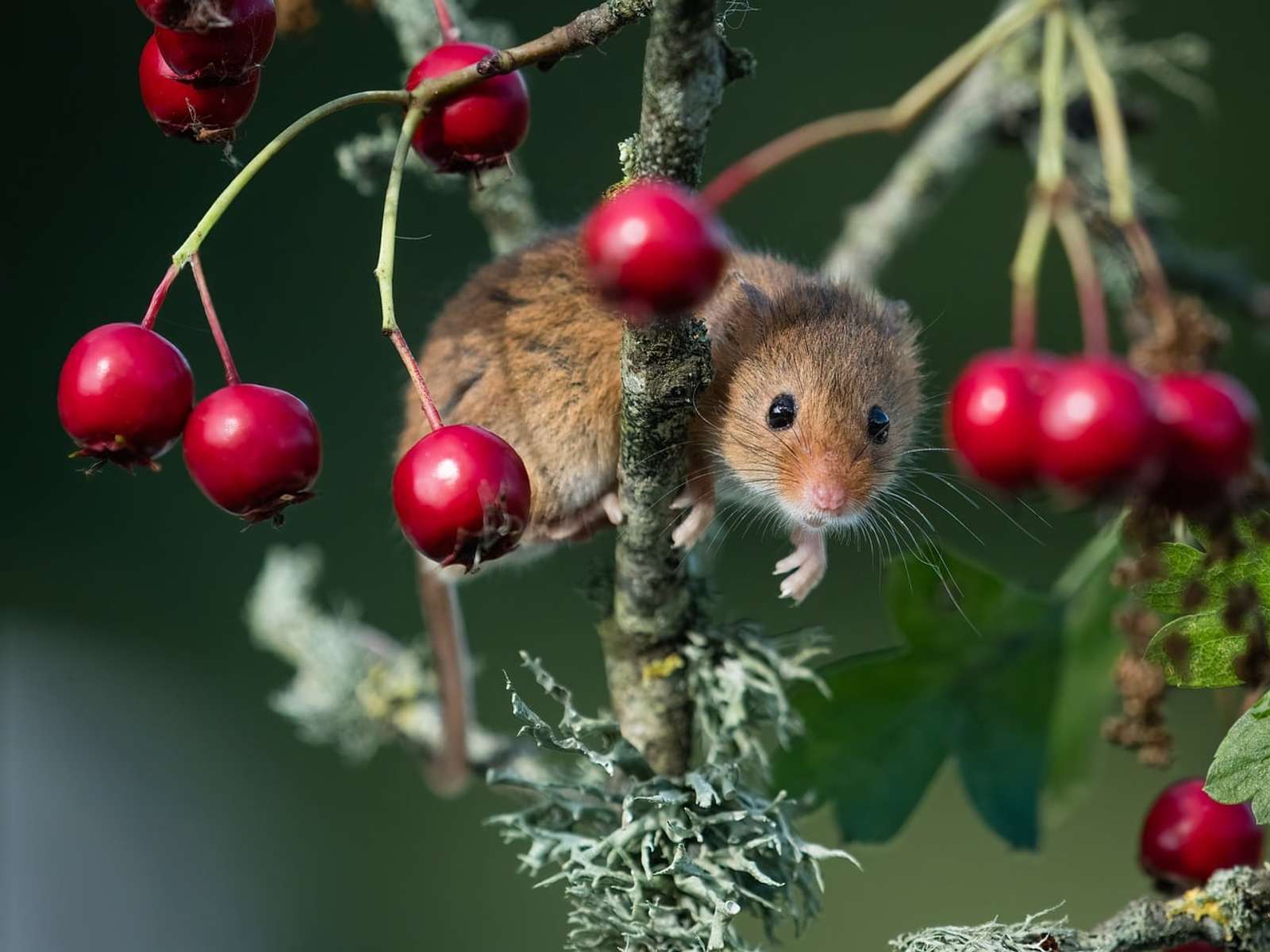
Devon teenagers Eva and Emily, both 14, are looking for 20 children aged 8 to 13 to breed 250 harvest mice at home, guided by ecologists, for release into the wild in September 2027.
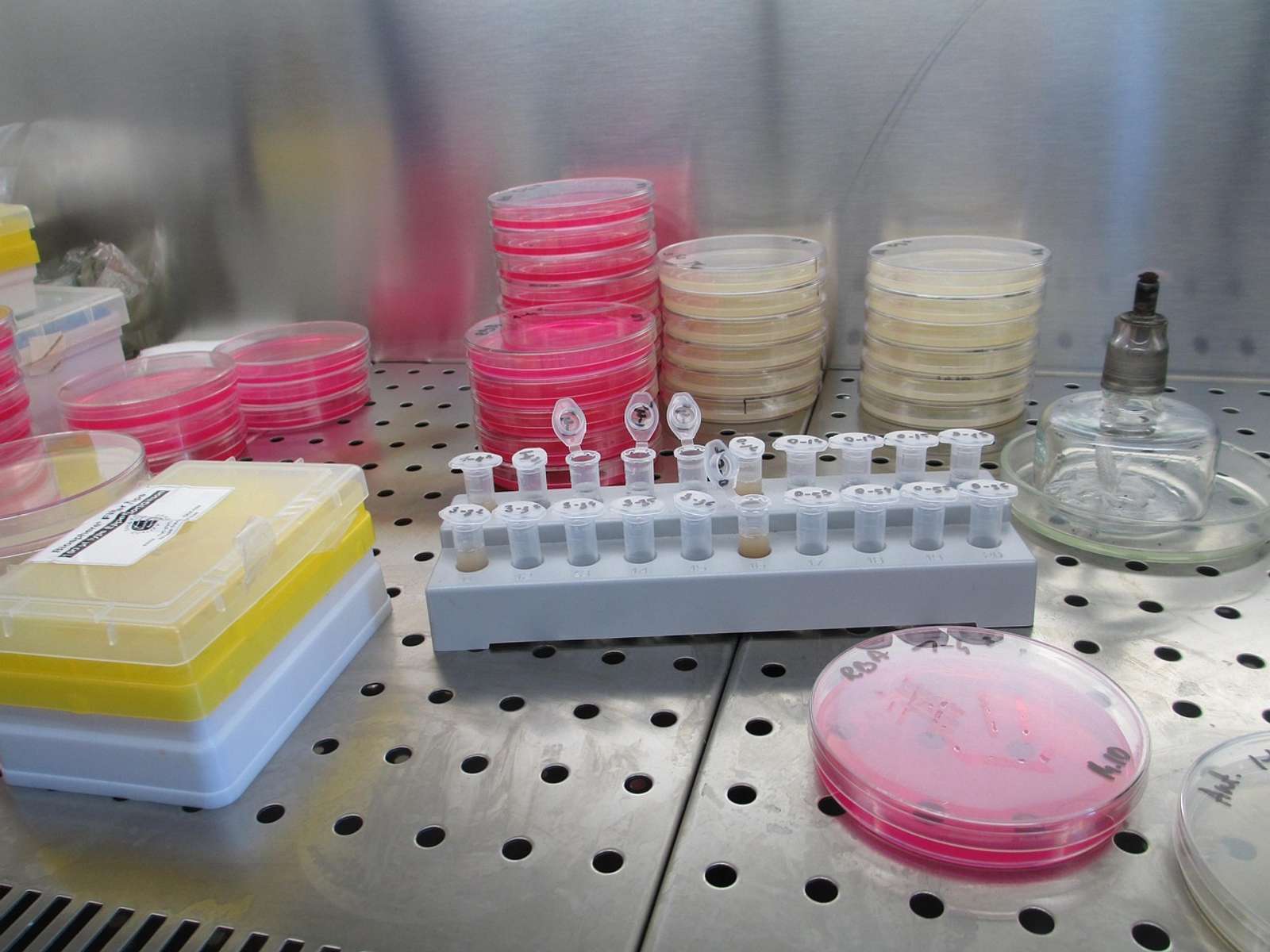
Using X-ray laser snapshots, Oxford researchers recorded step by step how the enzyme IPNS builds the ring at the heart of penicillin, settling a question open for more than 40 years. The team hopes the findings will help design new antibiotics.
By tracking molecules as they were heated, chemists at Warwick and Birmingham found materials that normally vanish along the way, including a new form of the solar-fuel compound bismuth vanadate and an oxide that stores lithium.

In England's I-WOTCH trial, 29% of chronic pain patients who joined a nurse-led support program had stopped strong opioids after a year, against 7% on usual care. A new economic analysis says the program costs more up front but may still be good value for the NHS.
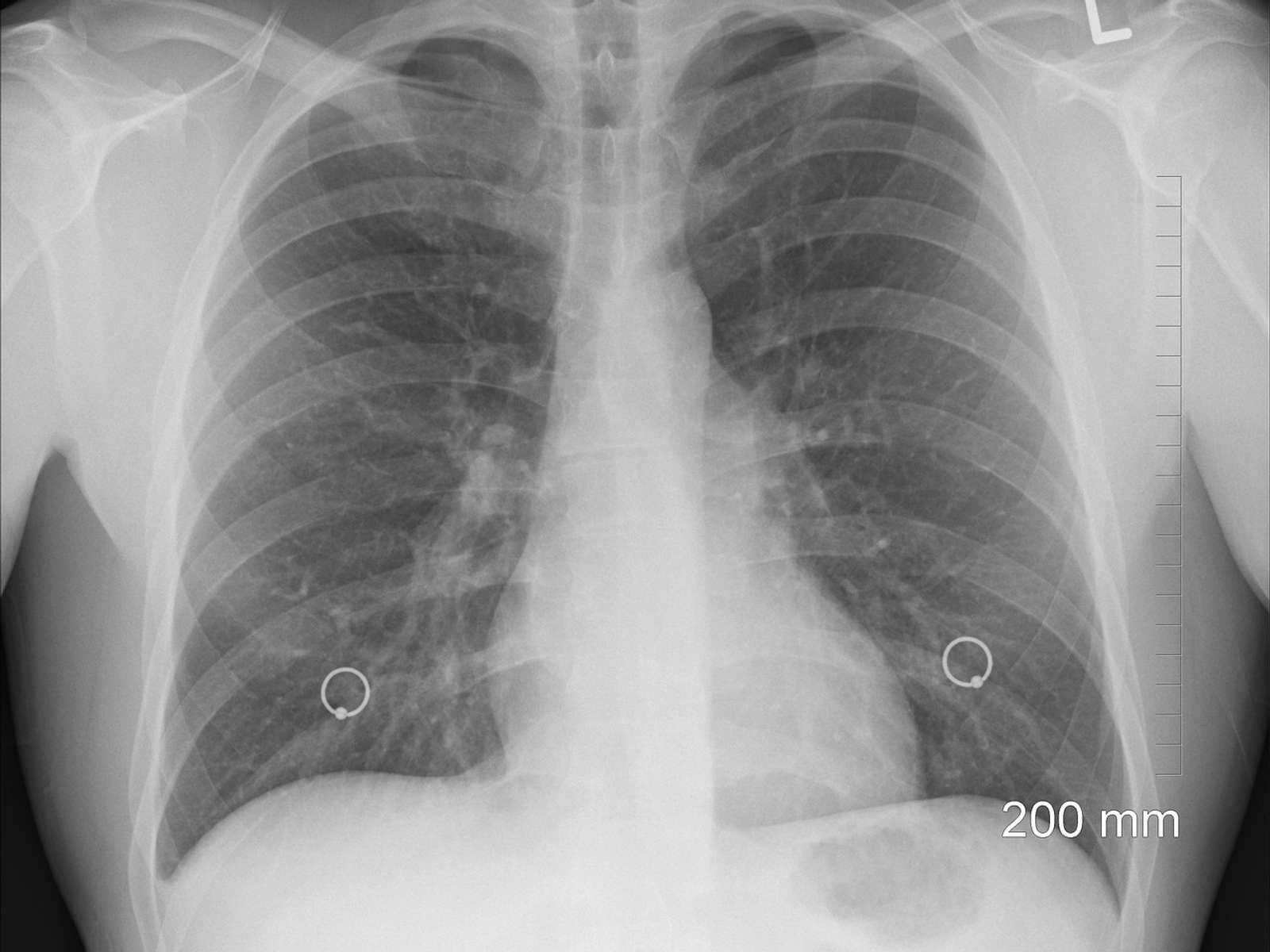
UCL researchers found that suppressive immune cells build up months or years before lung cancer forms, tracked them with prototype blood tests and halved tumor formation in mice with a drug.

Doctors in Edinburgh have transplanted testicular tissue frozen before a 19-year-old's chemotherapy back into his body, the UK's first such procedure and only the second reported worldwide.

Using an AI method called equation discovery, Oxford physicists derived three readable equations that capture how North Atlantic ocean temperatures, air pressure and rainfall interact over decades.
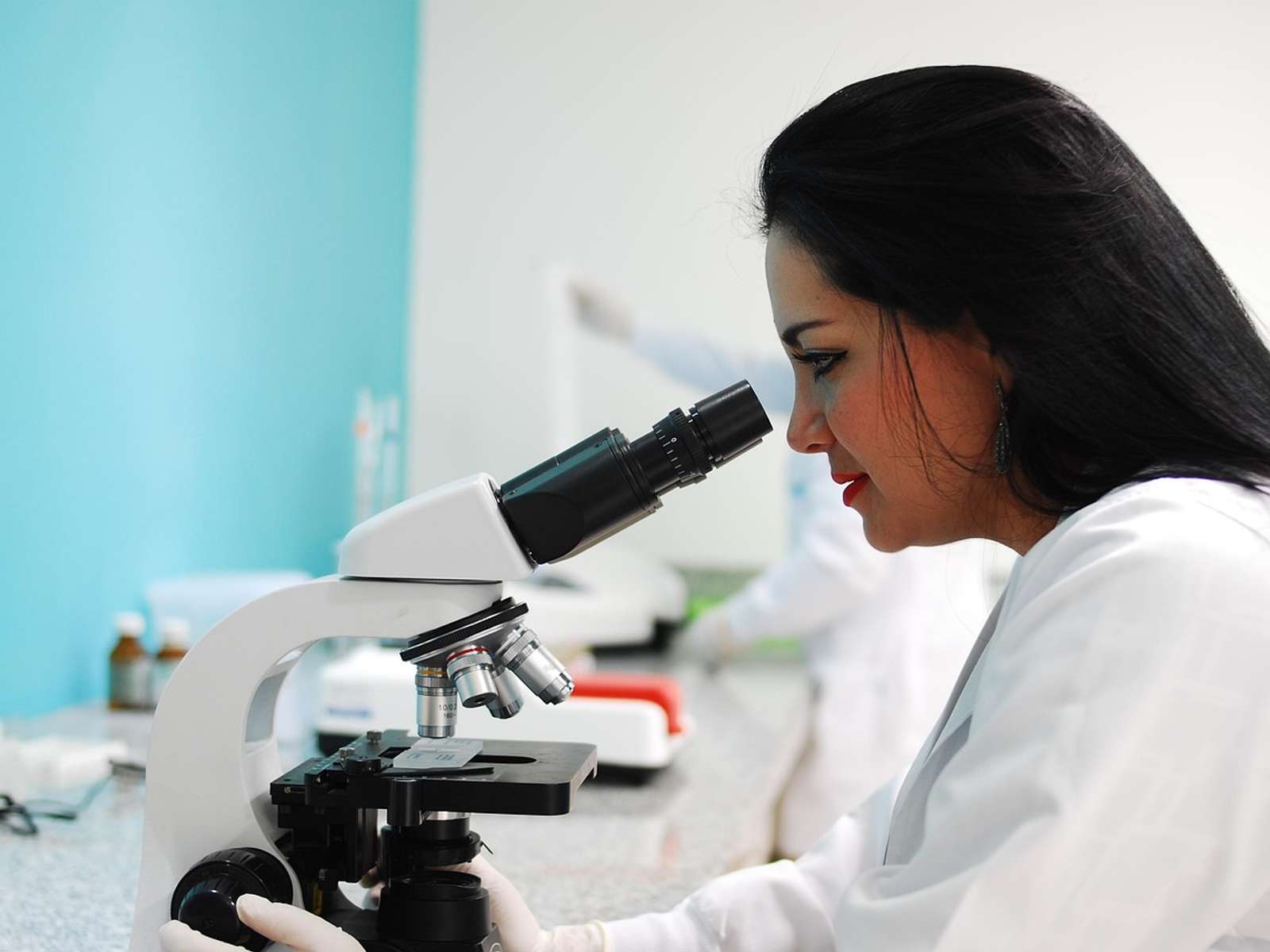
Scientists sequenced mitochondrial DNA in individual brainstem neurons from people with Parkinson's for the first time, finding heavy damage but also a protective response that was stronger in people who lived longer.
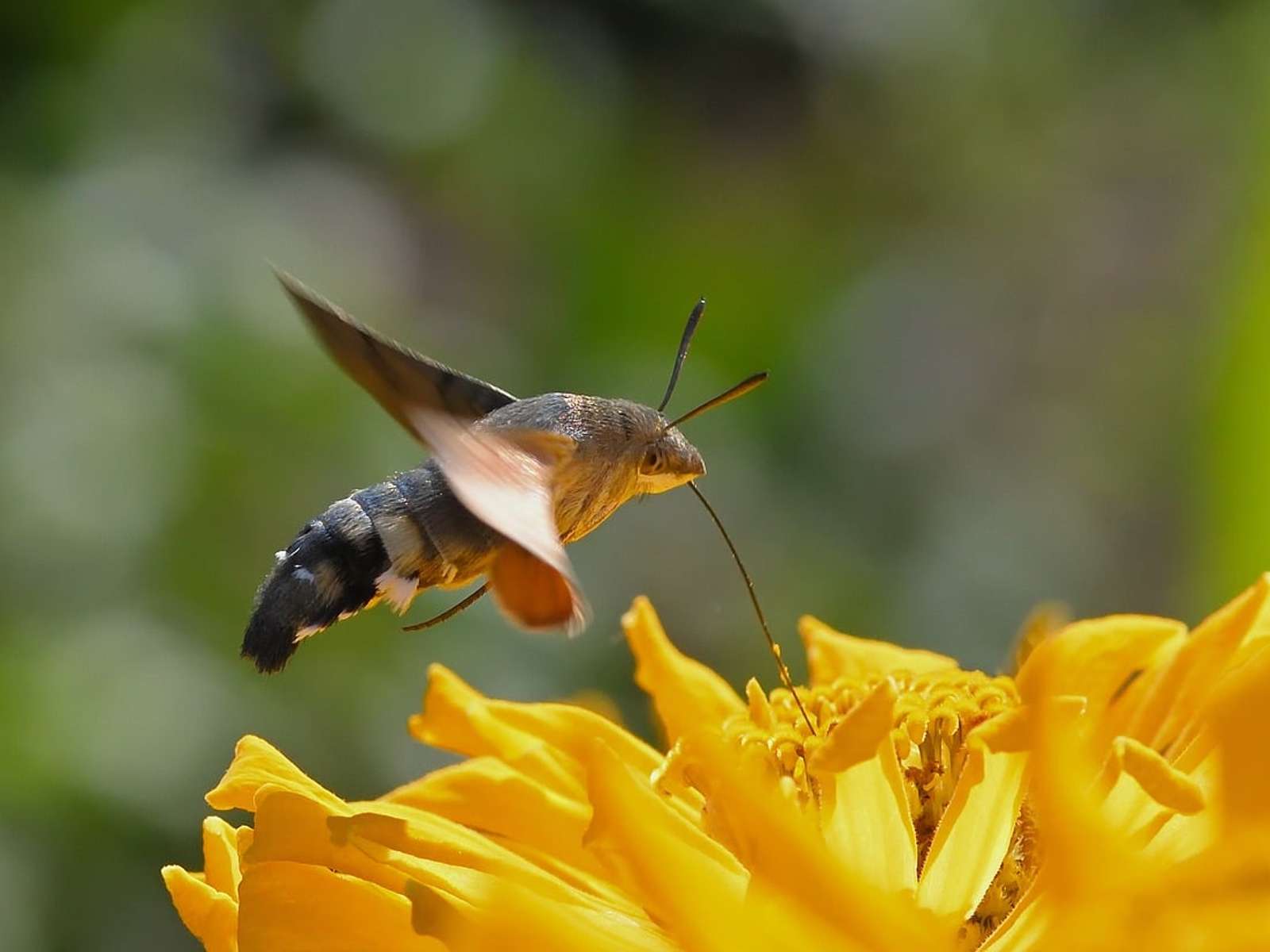
Attacus Acoustics, a new University of Bristol spinout, is commercializing a sound-absorbing material inspired by moth wings that it says can be up to ten times thinner than conventional soundproofing.
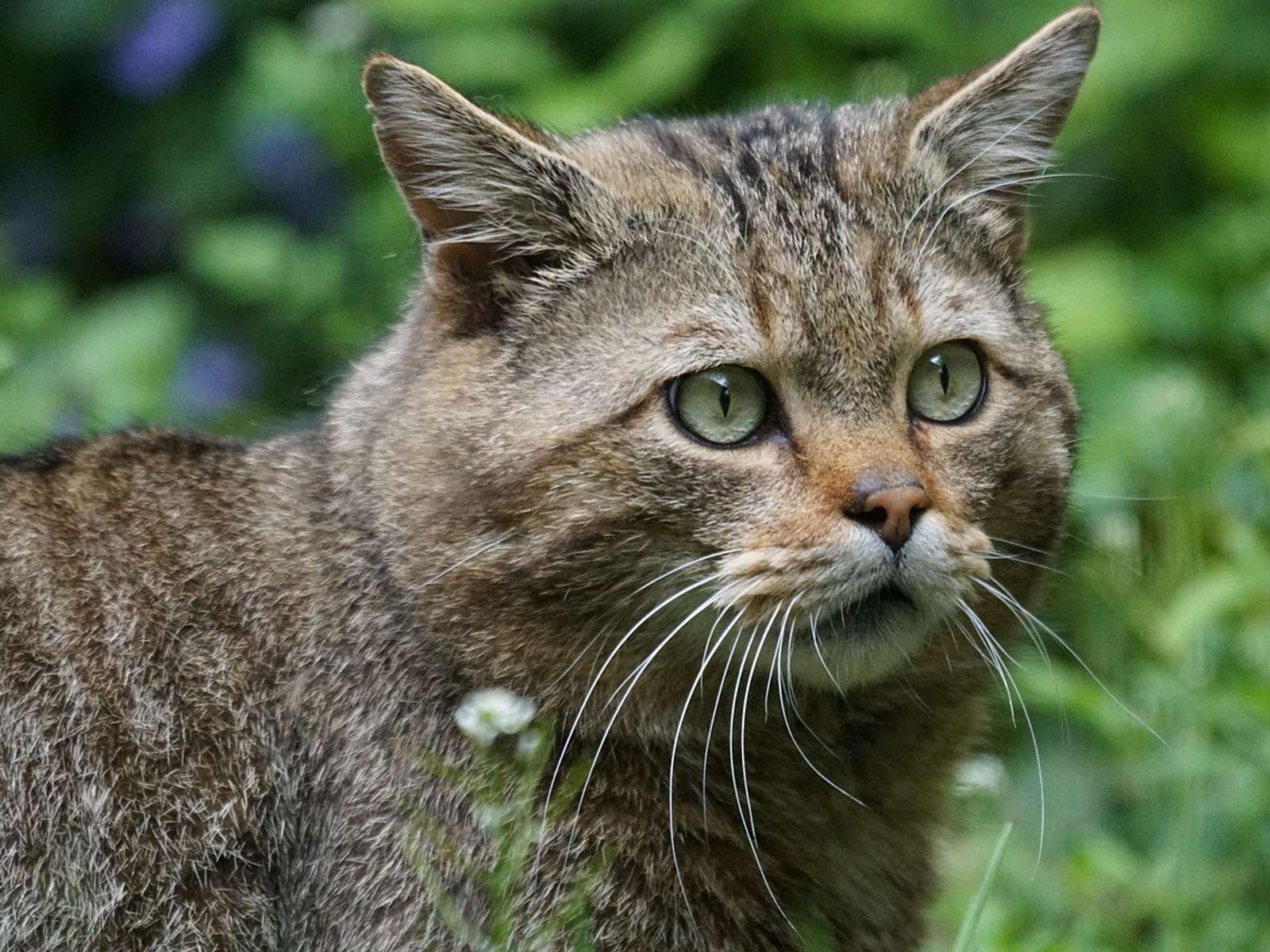
The Saving Wildcats project has now released 50 critically endangered wildcats into Scotland’s Cairngorms National Park since 2023, and released females have given birth in the wild for three years in a row.

Kevin Sinfield ran seven ultramarathons in seven days, visiting all 12 Super League clubs before finishing at Old Trafford on October 3, in the last of his annual challenges for motor neurone disease charities.
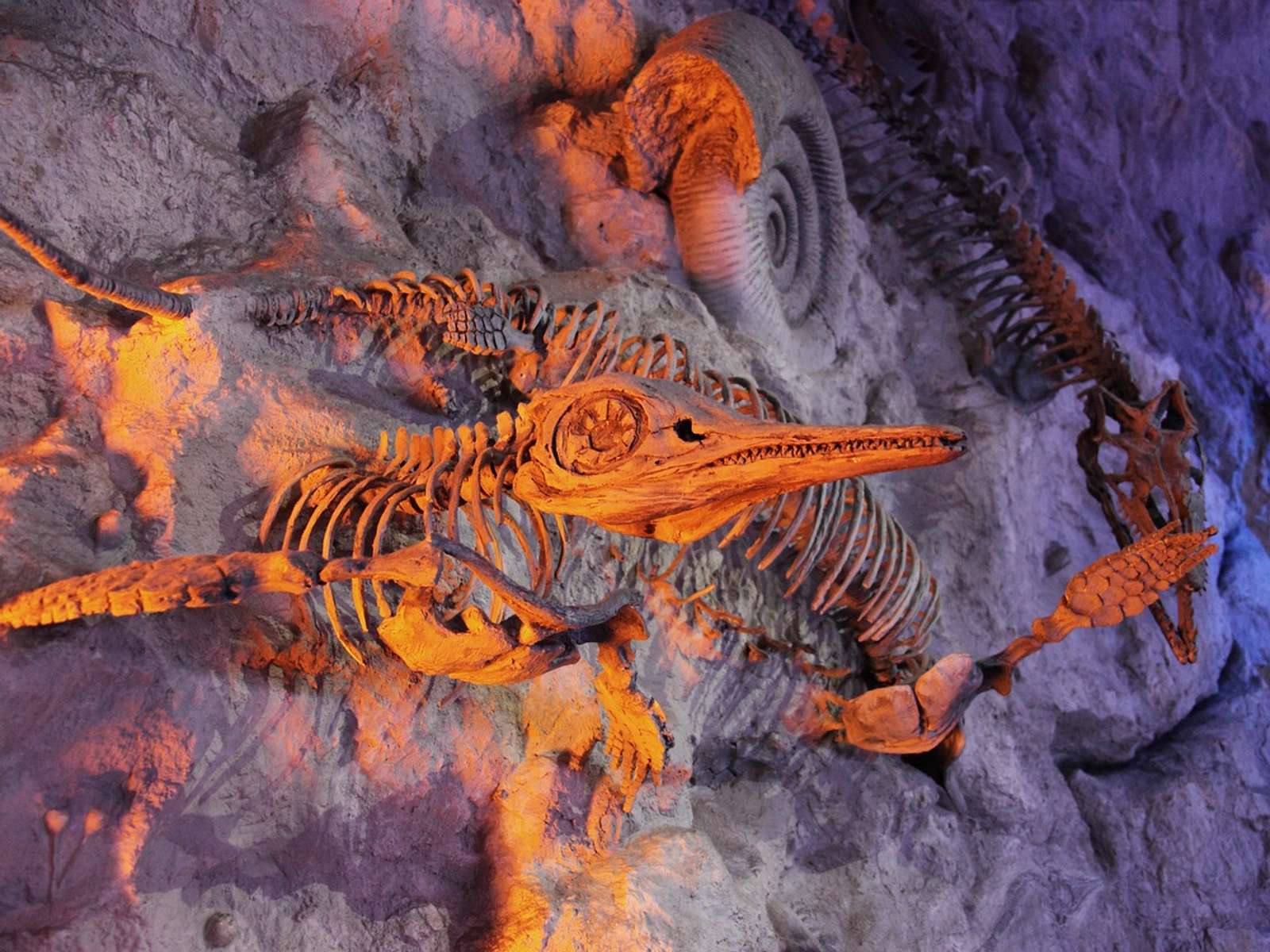
Well-preserved microfossils from Mongolia contain no animals even though animals already existed then, an Oxford-led team reports. Their molecular clock analysis puts the origin of animals between 800 and 700 million years ago.

New aerial photos released by the National Trust show a thick ring of shoots, two to three feet tall, growing from the stump of the Sycamore Gap tree on Hadrian's Wall, three years after it was illegally cut down.
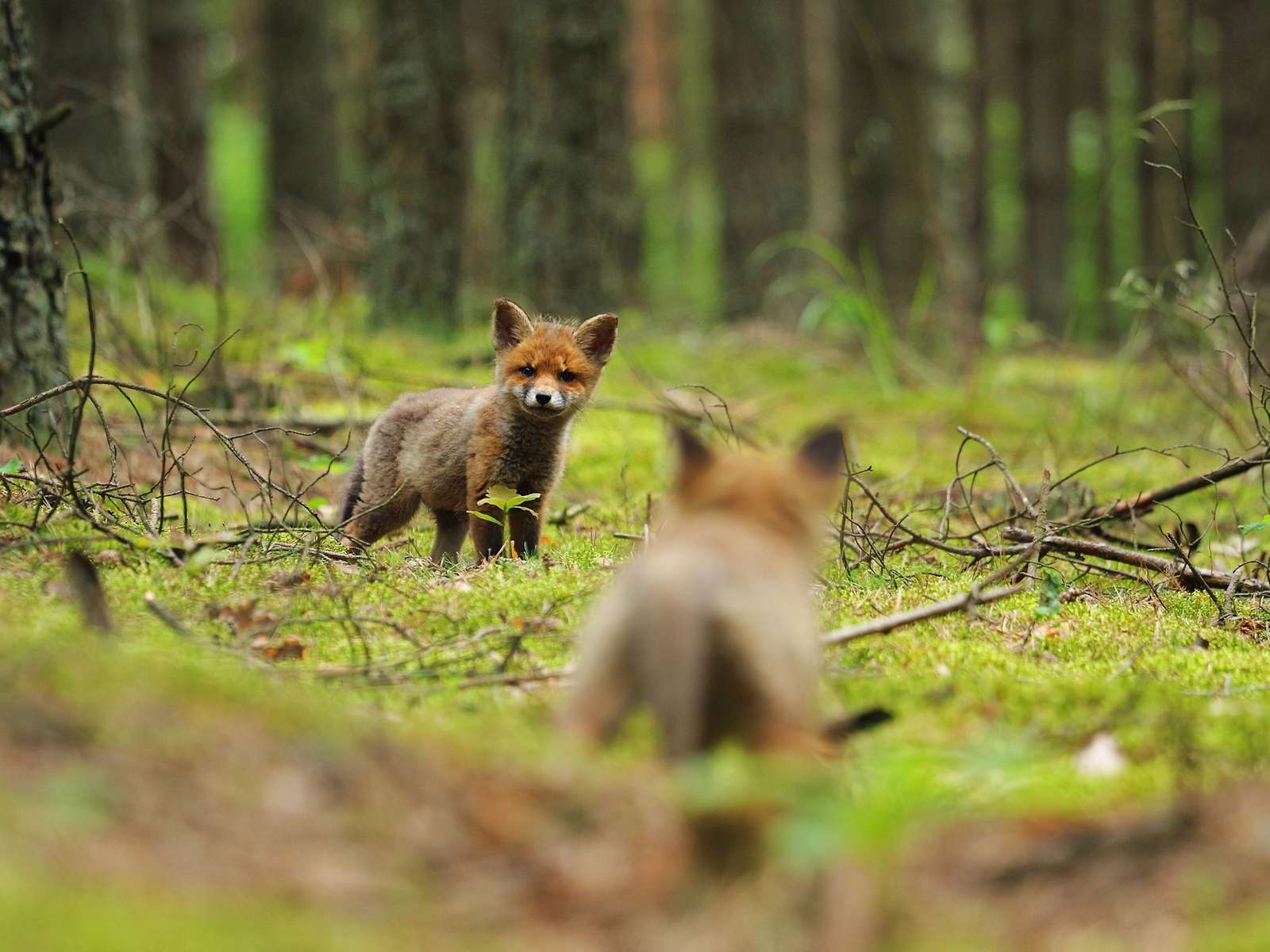
Three fox cubs pulled from a narrow gap between two Leicester houses by firefighters have been released into the countryside after four months of rehabilitation, following a rescue that initially left one cub's survival in doubt.