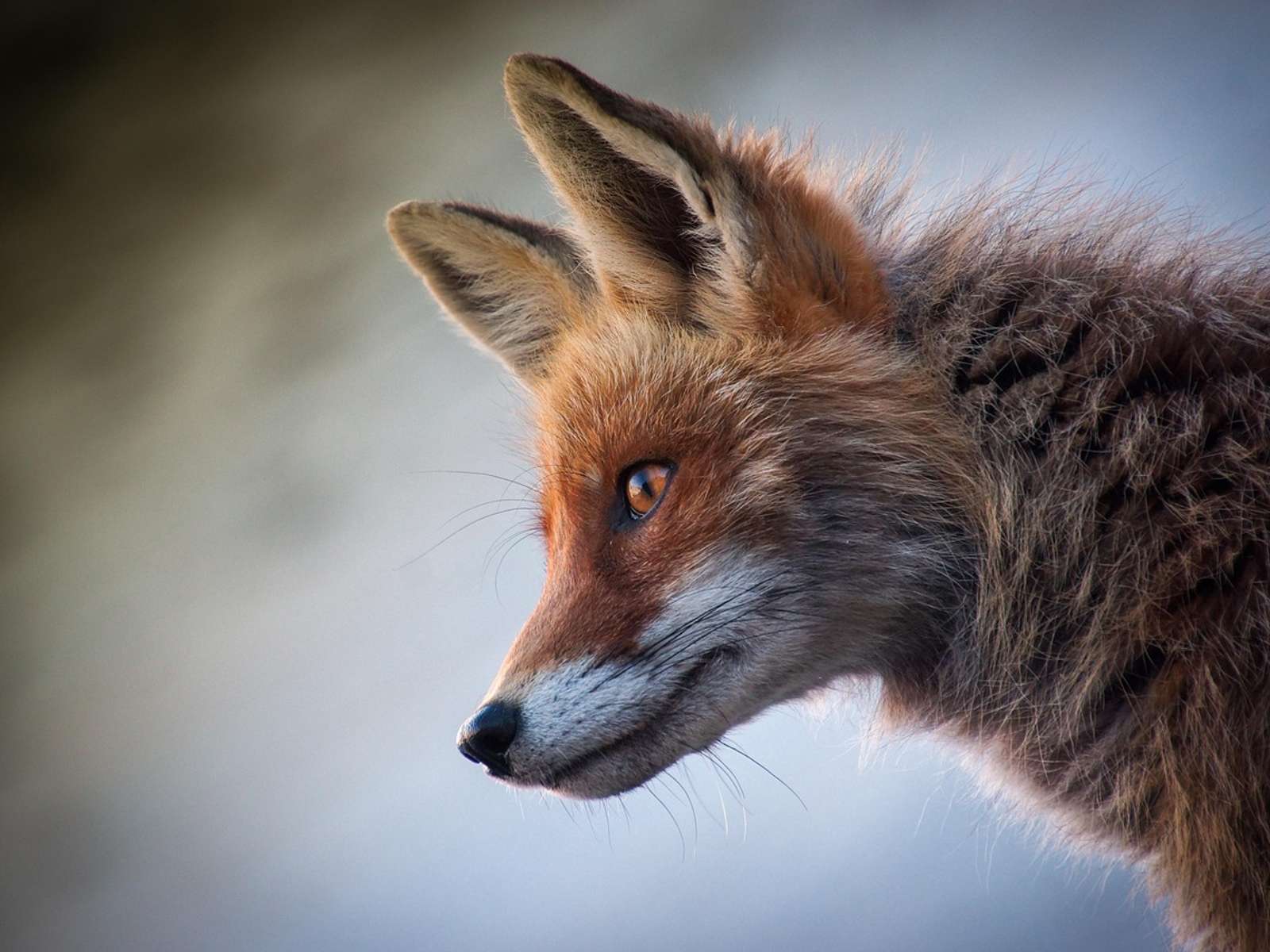
In tame silver foxes from a decades-long Russian breeding experiment, Cornell researchers found fewer estrogen receptor alpha neurons, part of the aggression circuit in mice, in the ventromedial hypothalamus.
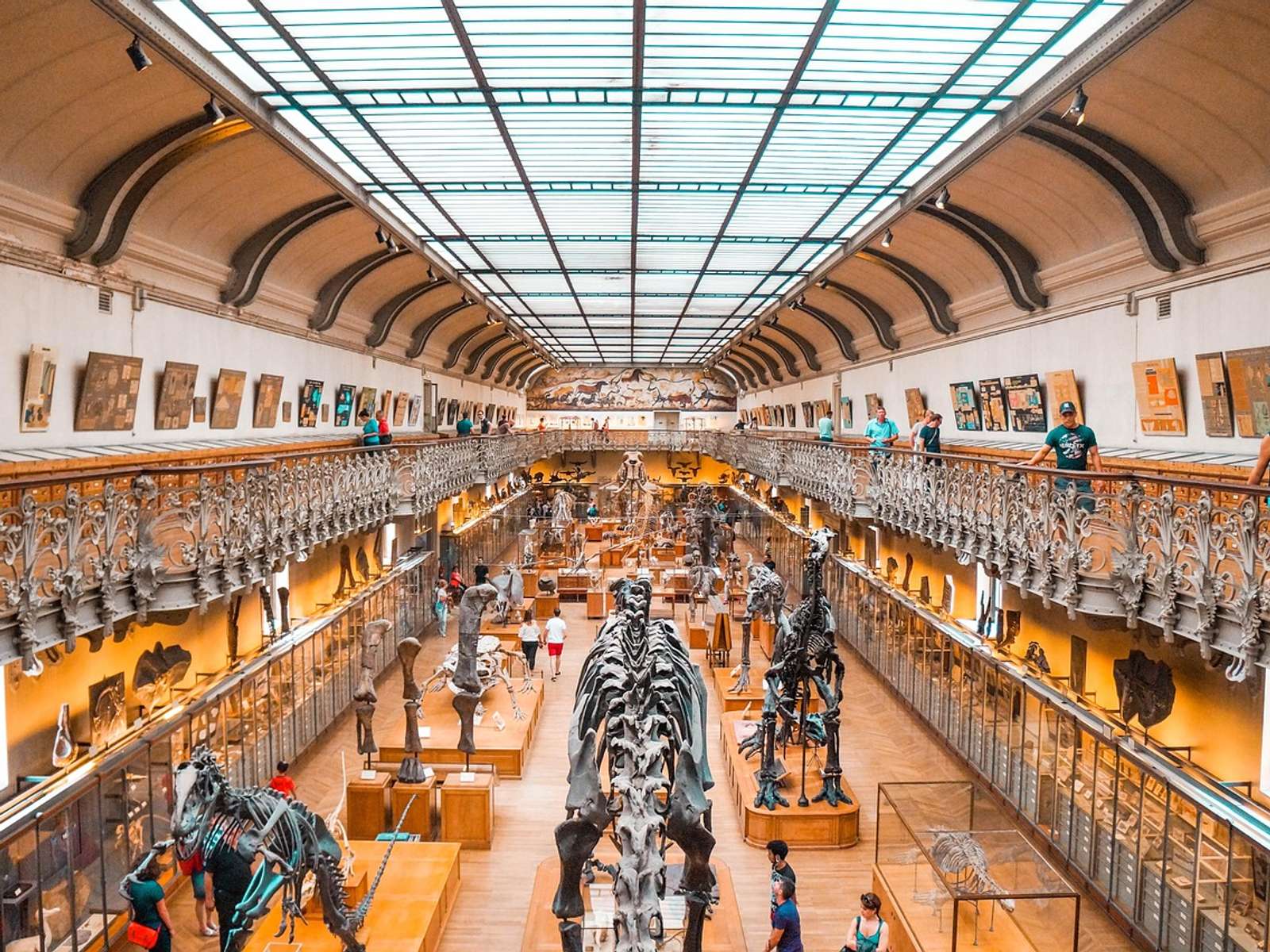
Infernogallus jamesi, a toothless, feathered dinosaur from the Hell Creek Formation, had jaw muscles arranged like those of fruit-eating parrots, researchers from the Royal Ontario Museum and Stony Brook University report in Nature Communications.
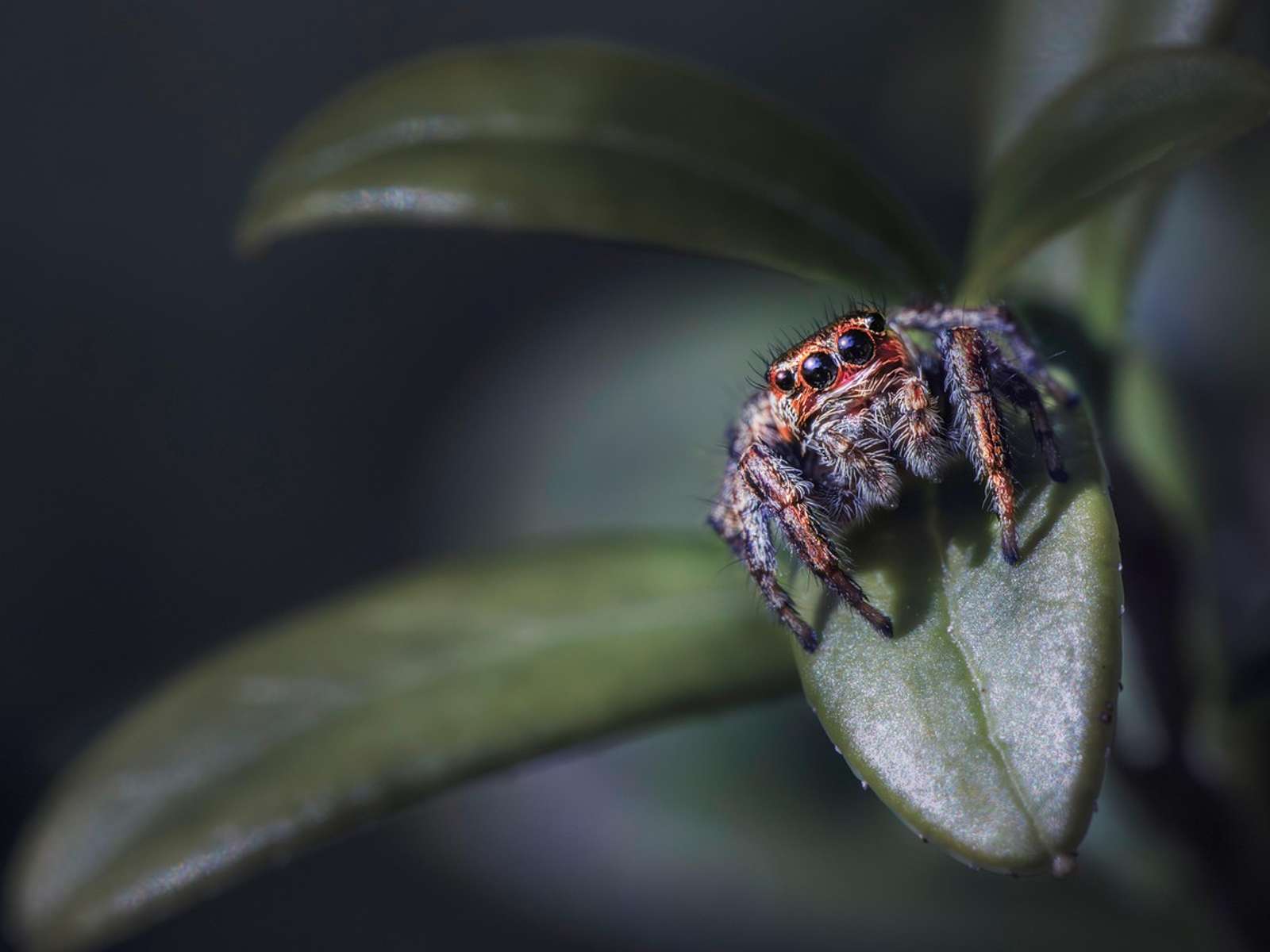
University of Bonn researchers found that the Australian jumping spider Portia fimbriata sleeps in two stages, one of them REM-like with eye movements and twitches. The study in PNAS confirms sleep in a spider by behavior alone.
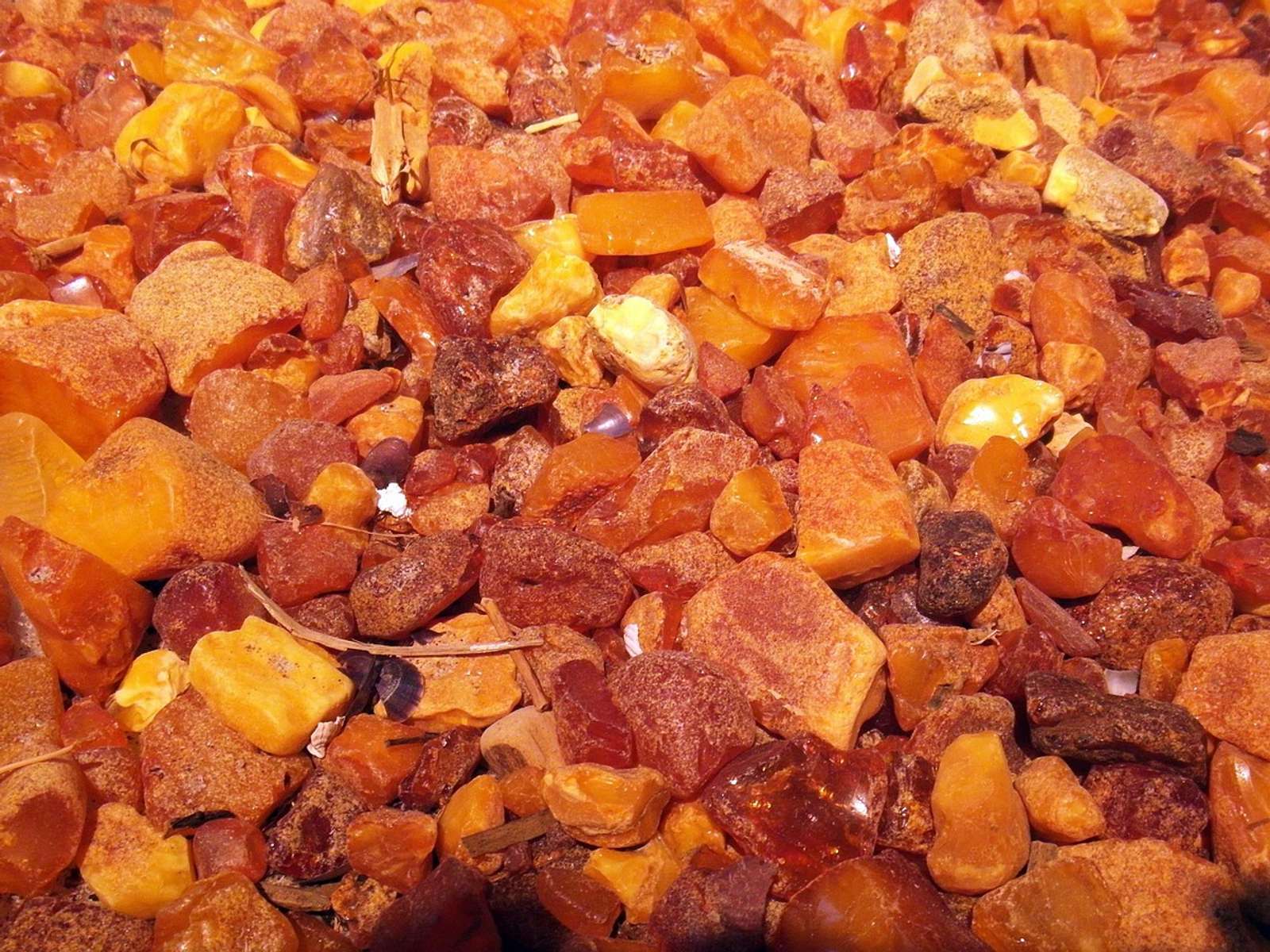
Tel Aviv University researchers scanned a lizard tail in 99-million-year-old amber from Myanmar and found a clean break framed by a ring of muscle, the first direct soft-tissue fossil evidence that lizards were already shedding their tails to escape.
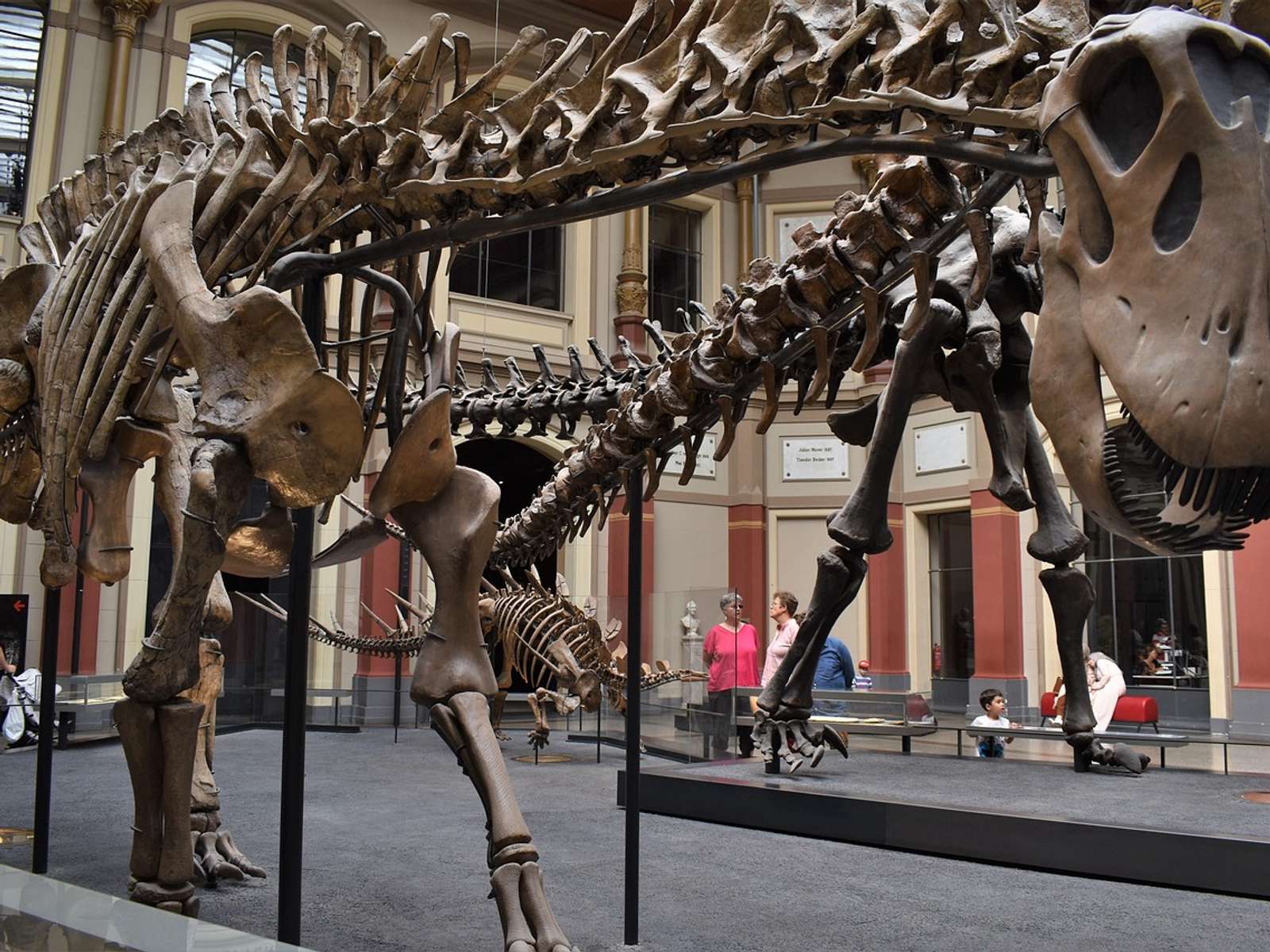
A substantially complete skeleton of an ornithomimid, a fast, toothless 'ostrich dinosaur', found in Utah's Grand Staircase-Escalante, is being prepared in public view at the N.C. Museum of Natural Sciences. It may be a new species.
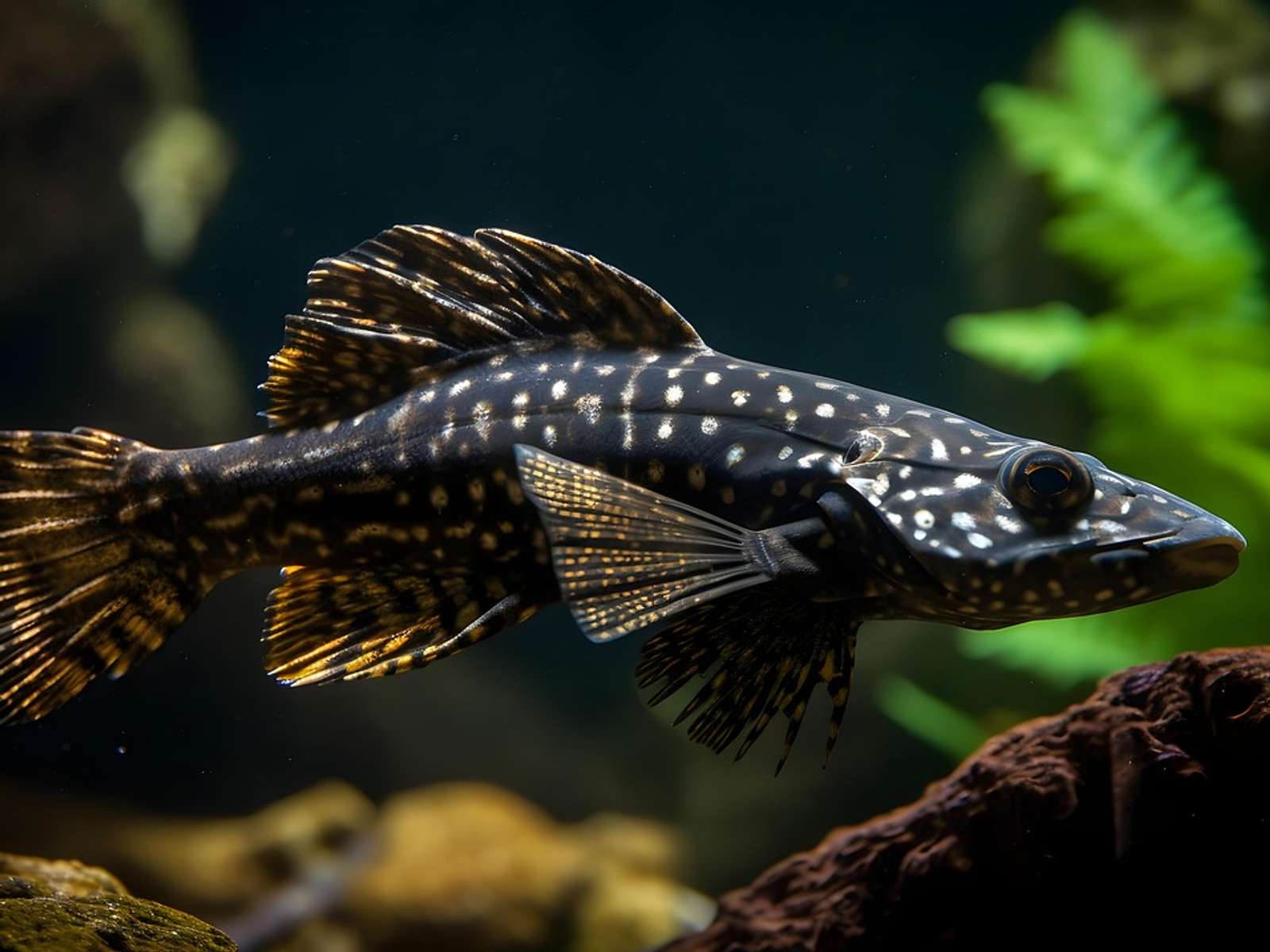
Scientists from Brazil's Museu Nacional and Museu Paraense Emílio Goeldi have described Peckoltia kahxi, a mottled armored catfish known from just two sites in the rapids of the Trombetas basin in Pará.
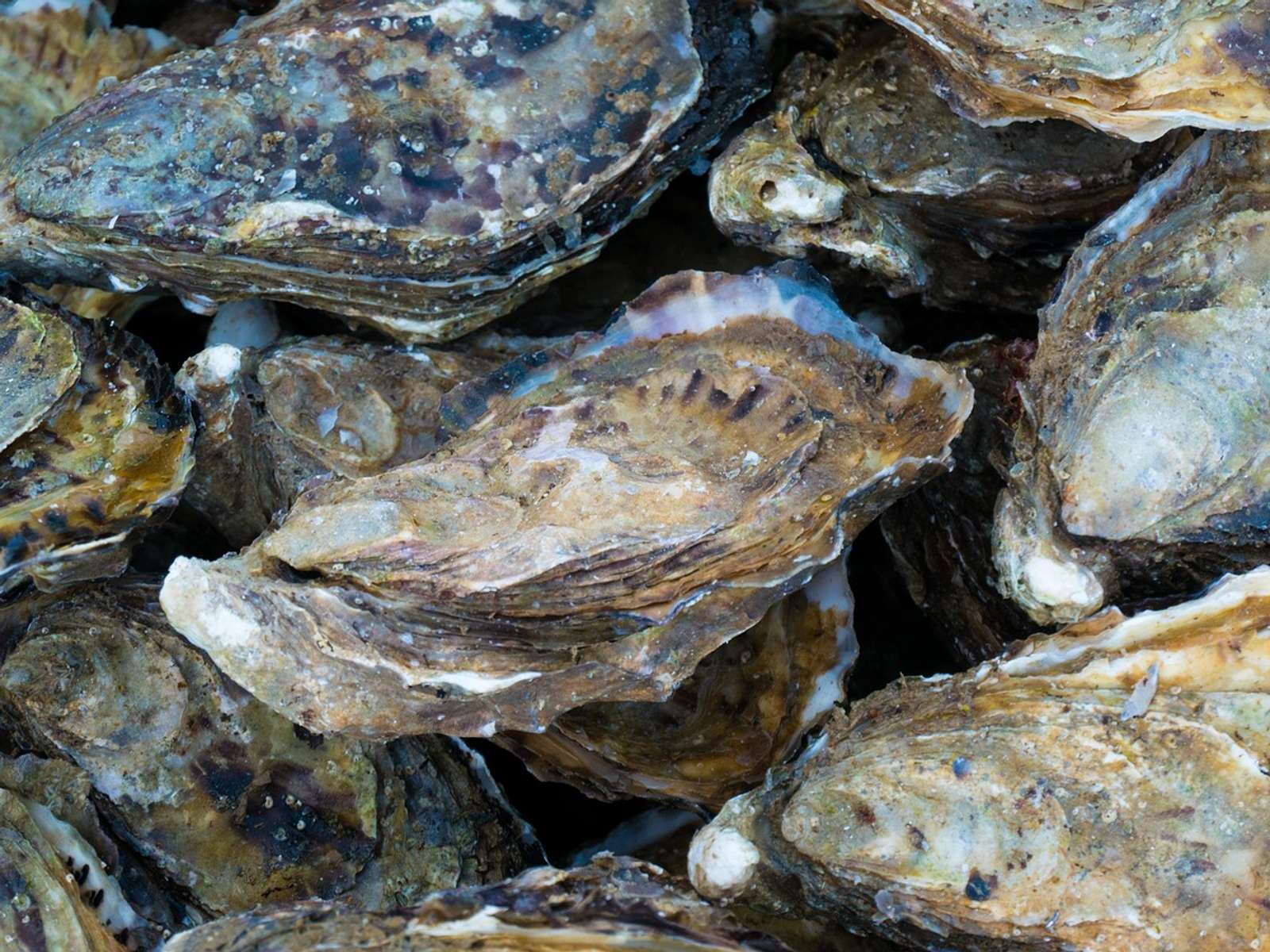
A study led from the University of São Paulo found that bivalves without eyes, such as the Pacific oyster, express up to nine light-sensing opsins in their tissues. The human retina uses five to form images.

A fossil the Natural History Museum acquired in 1924 belongs to a new dinosaur, Invictibellatrix amberina, the first megaraptoran found in Europe. The 3-4 meter predator lived on the Isle of Wight about 120 million years ago.
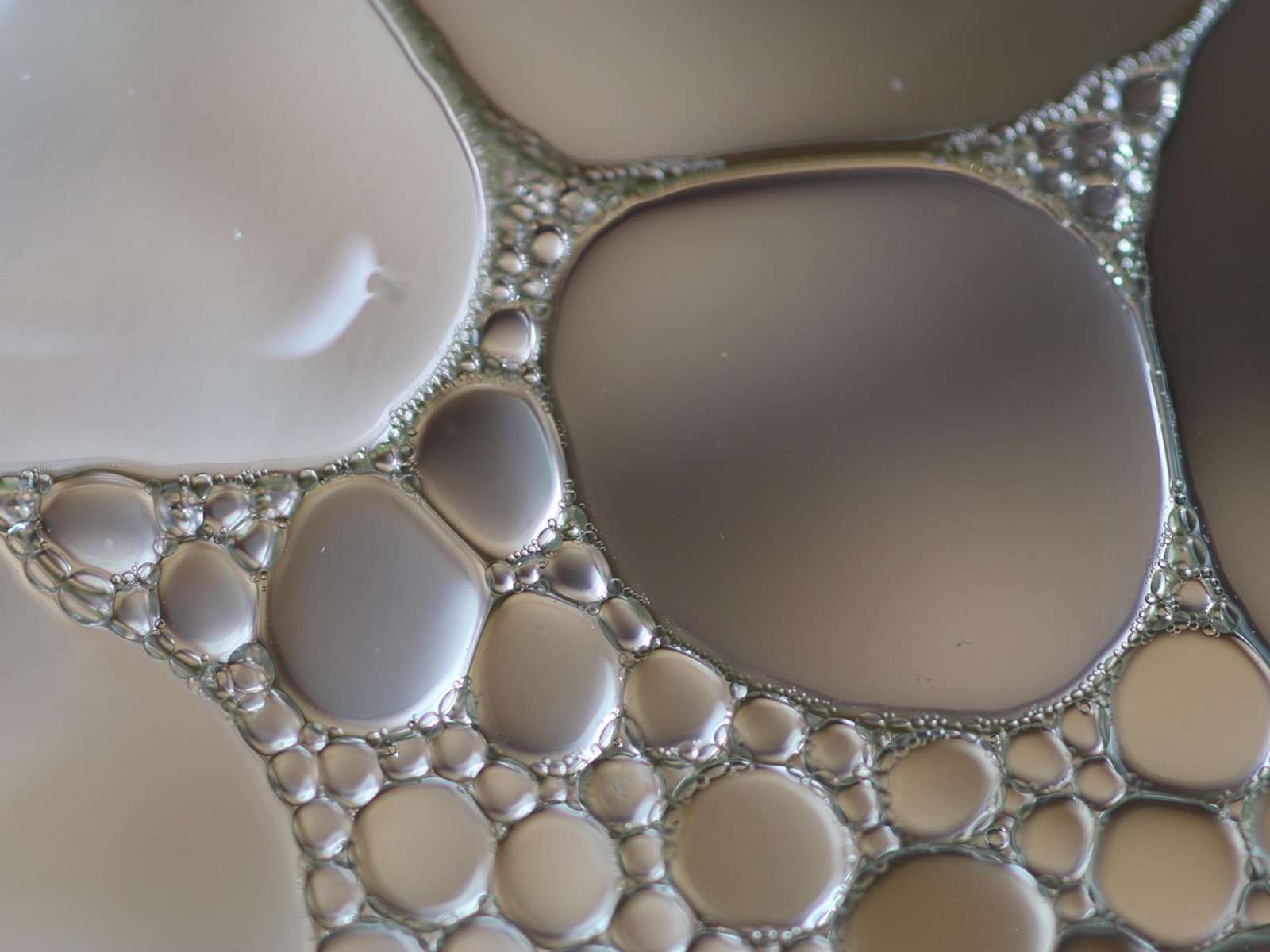
Synthetic RNA droplets that carry their own DNA template formed long-lived vacuoles, moved and stored cargo after a mutation rate of about 3%, a Heidelberg University team reported in Nature Chemical Engineering.
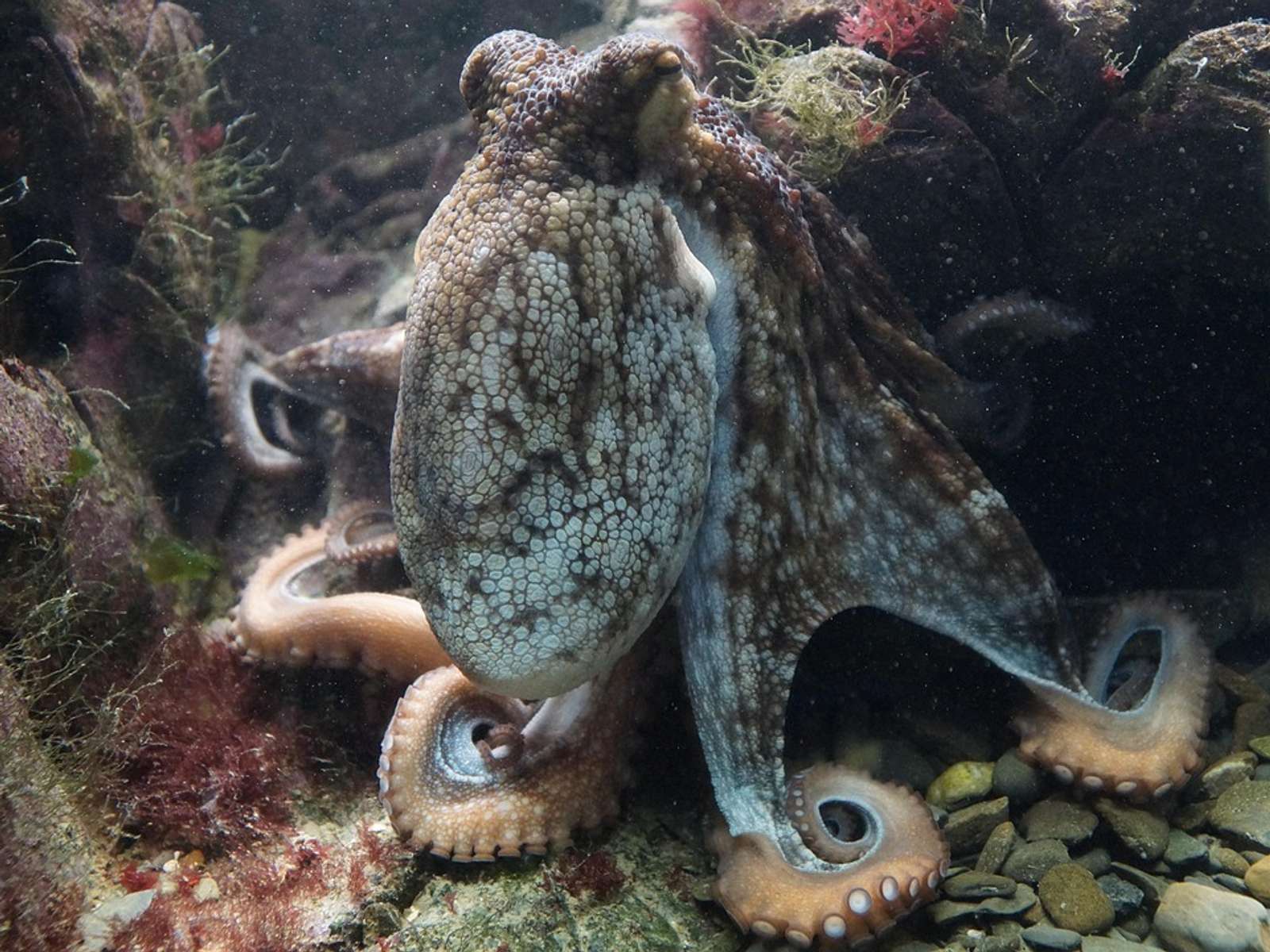
A University of Vienna team mapped how DNA is folded in octopus, squid and cuttlefish. An ancient genome reshuffle created new contacts between genes that may have helped their nervous systems evolve.
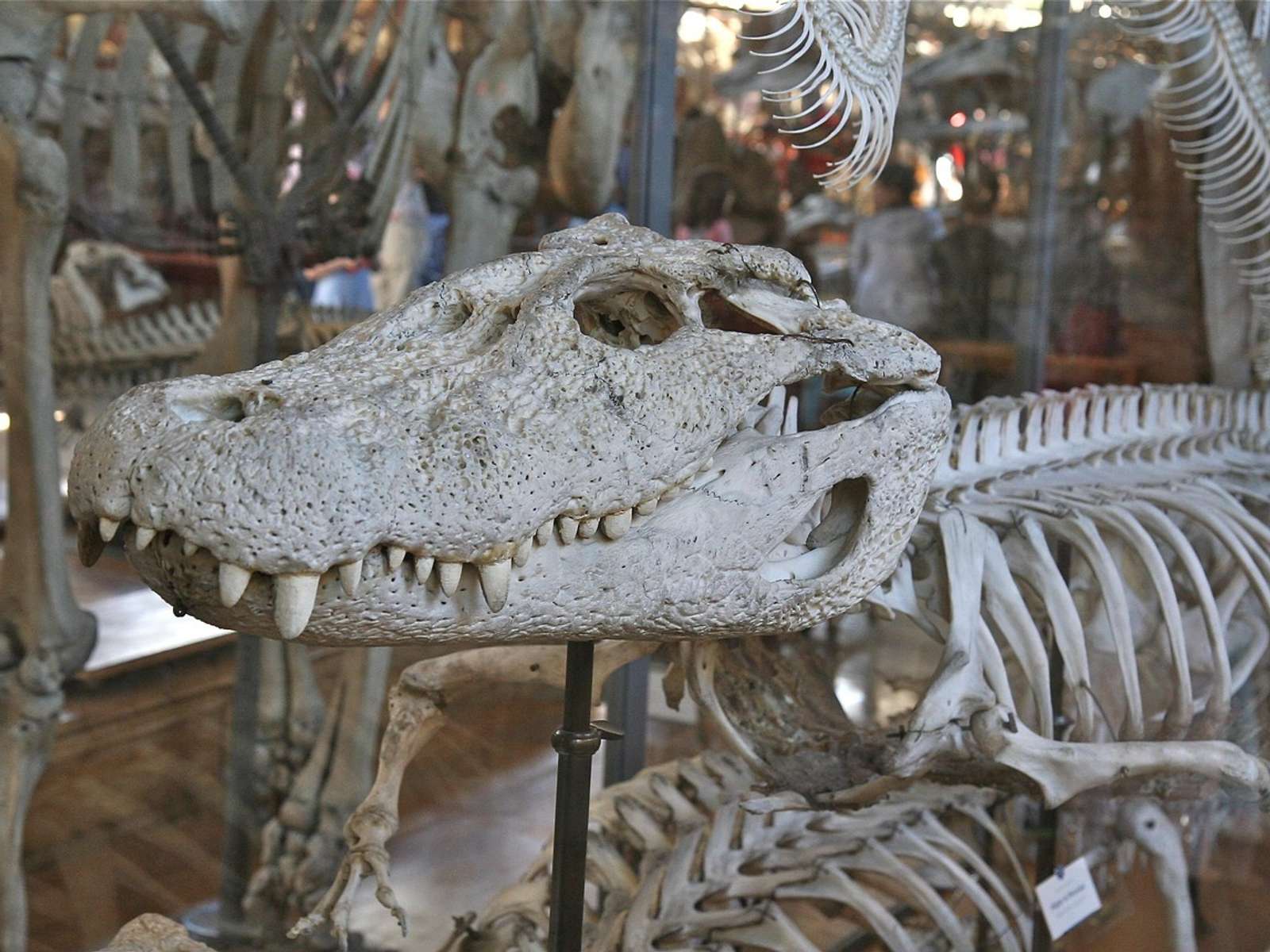
Fossils dug up in Egypt in the 1920s belong to a new gavial-like crocodile, Herugavialis cairensis, from the same rock formation as the Great Sphinx, a team led by UCL researchers reports.
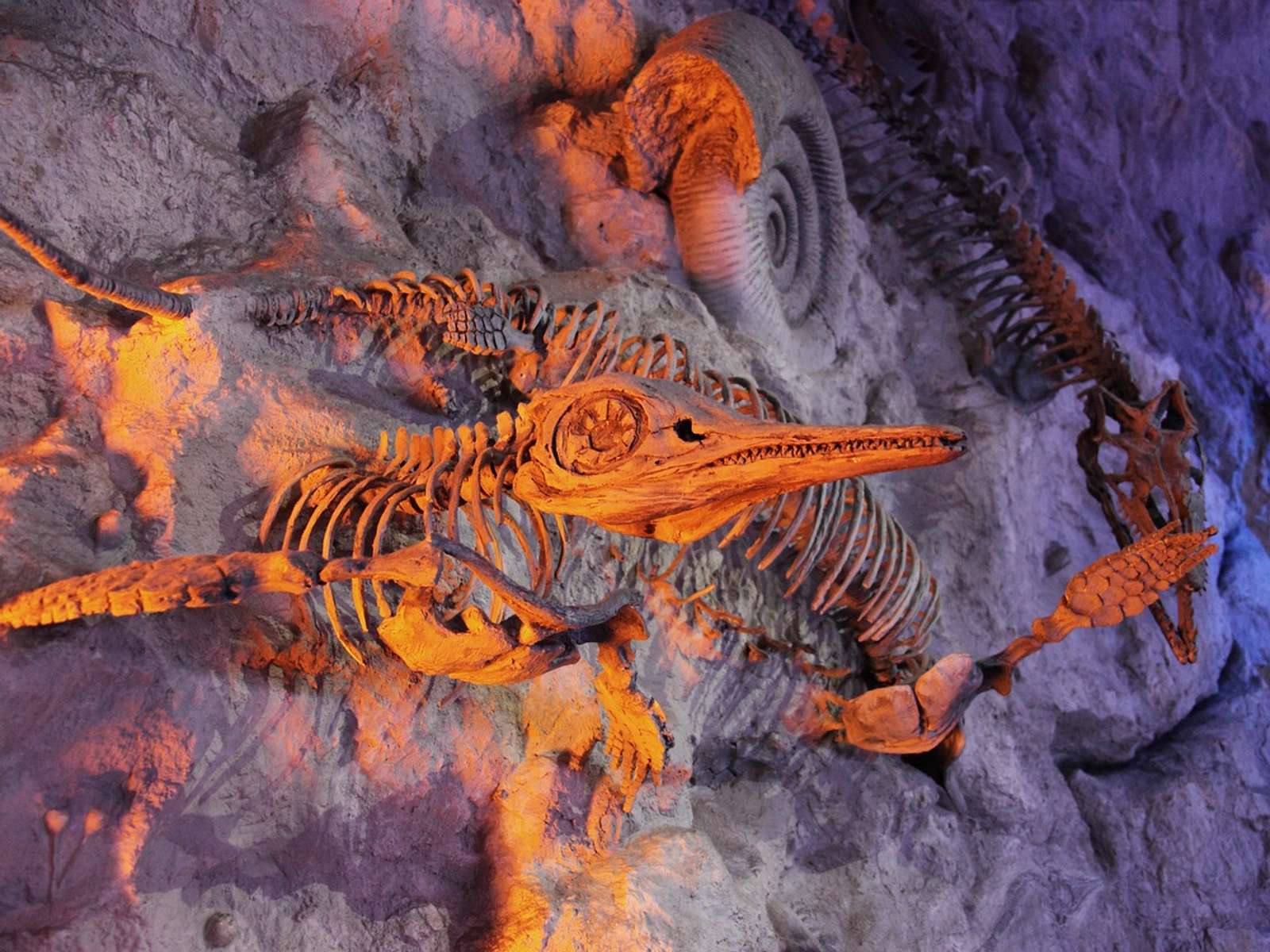
Well-preserved microfossils from Mongolia contain no animals even though animals already existed then, an Oxford-led team reports. Their molecular clock analysis puts the origin of animals between 800 and 700 million years ago.