Small mutations give synthetic RNA droplets storage pockets and the ability to move
Synthetic RNA droplets that carry their own DNA template formed long-lived vacuoles, moved and stored cargo after a mutation rate of about 3%, a Heidelberg University team reported in Nature Chemical Engineering.
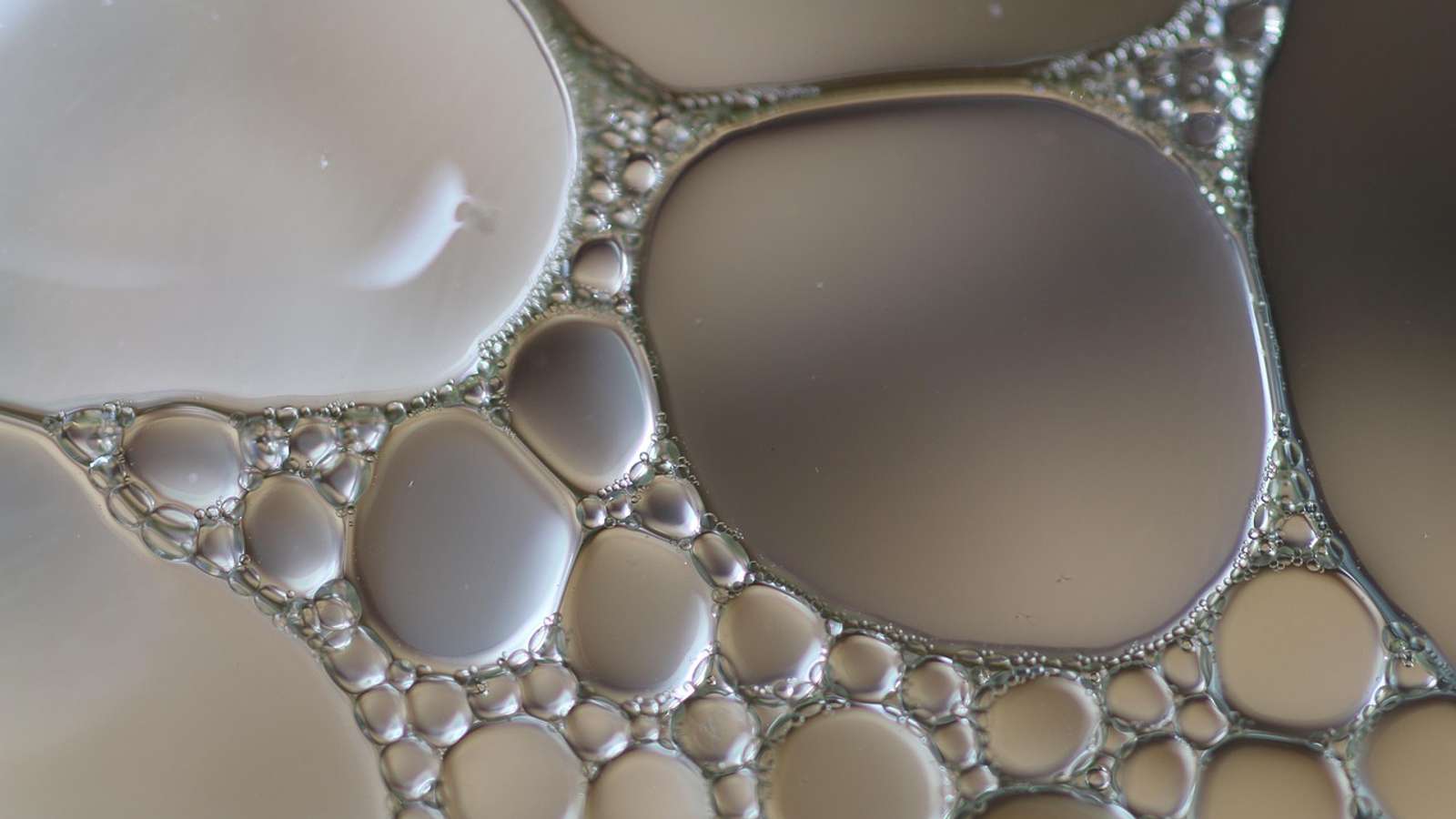
Simple droplets made of synthetic RNA developed internal storage pockets, started moving and fused with each other after their genetic blueprint was mutated by about 3%, researchers at Heidelberg University reported in Nature Chemical Engineering on 7 October, the university said.
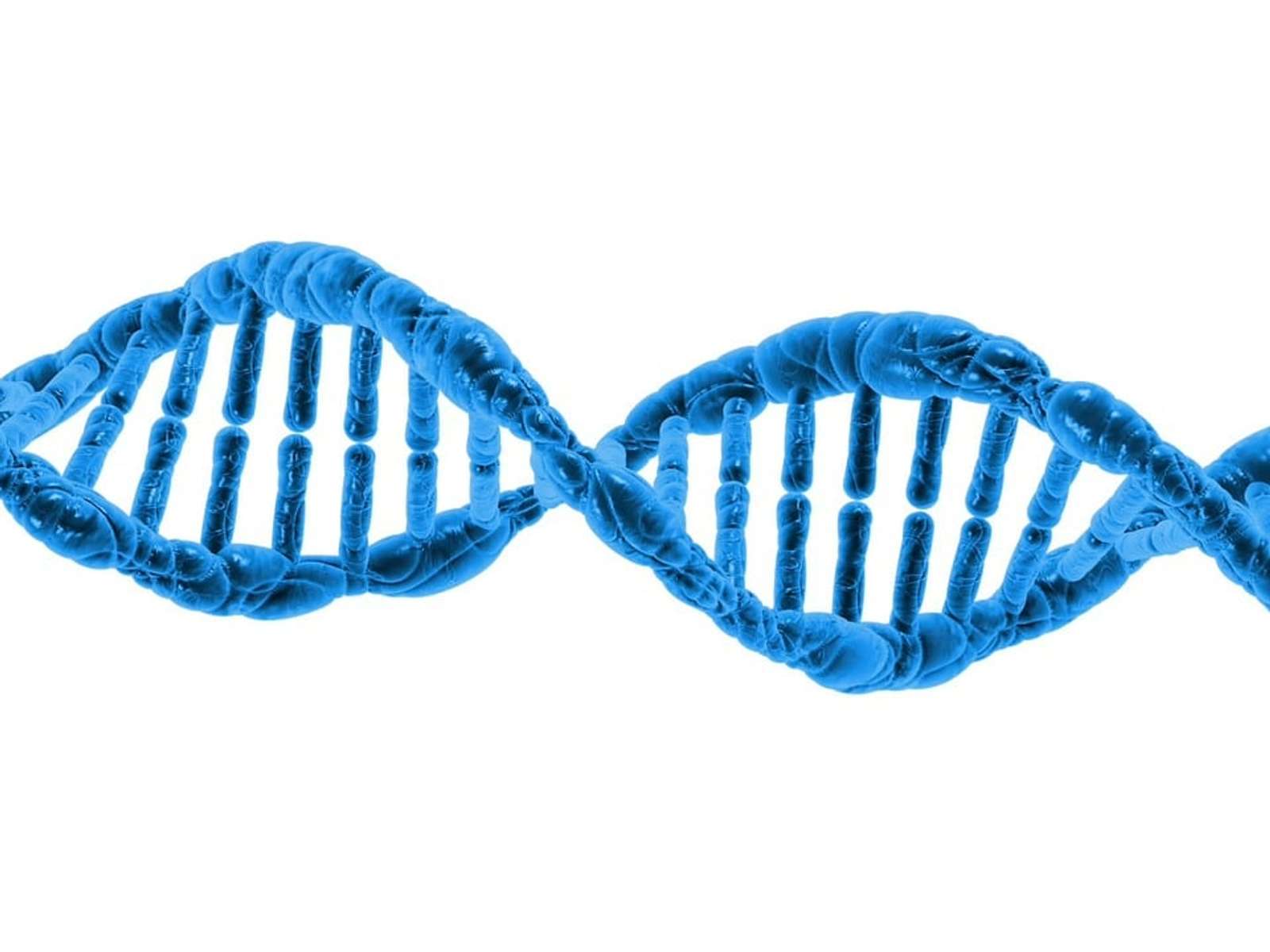
The droplets have no membrane. A custom DNA template codes for star-shaped RNA molecules that stick together into droplets, and the team showed that the droplets enclose their own DNA template, according to the paper's abstract. That links what the droplet is made of to the instructions that made it, which biologists call a genotype-phenotype link.
“That establishes a basic prerequisite for a system that can evolve.” — William Verstraeten, doctoral candidate, Heidelberg University
About 3% mutations, and vacuoles appeared
The group, led by Kerstin Göpfrich at Heidelberg's Center for Molecular Biology, then introduced mutations into the DNA template. Instead of breaking down, the droplets changed shape inside. Vacuoles formed in droplets with a radius above 20 micrometers when more than about 2% of their material was genetically modified.
“Instead, they formed large cavities known as vacuoles, which remained stable for days or even weeks,” Göpfrich said. Using theory and next-generation sequencing, the team identified the mutant RNA stars that change how the molecules pack together and make the cavities possible.
Pockets that move the droplets and hold cargo
The vacuoles changed how the droplets behaved. Droplets with vacuoles moved farther, collided more often and fused, so they grew. The researchers also used the vacuoles as compartments: “They take up small molecules and can store this cargo inside them,” Göpfrich said.
Michael Platten of the German Cancer Research Center and Christoph Weber of the University of Augsburg also worked on the study. It fits a wider effort to build life-like systems from simple parts, such as a Japanese project in which DNA strands grew, moved and linked into networks.
The droplets are not living cells. They are a lab model for studying how a simple system could gain new functions through mutation, with uses in synthetic-cell research and in questions about how life began.
Sources
- Heidelberg University · uni-heidelberg.de
- nature.com
How we choose and verify sources: editorial policy.
Your weekly dose of good news
The 5 biggest positive stories of the week, straight to your inbox. Free, no noise.
Like what you're reading?