An IISc model maps 9,389 reaction steps to show how copper turns CO₂ into fuel
Researchers at the Indian Institute of Science combined quantum calculations and machine learning to map 9,389 reaction steps for turning CO₂ into methanol on copper. A smaller 152-step model had predicted the wrong main product.

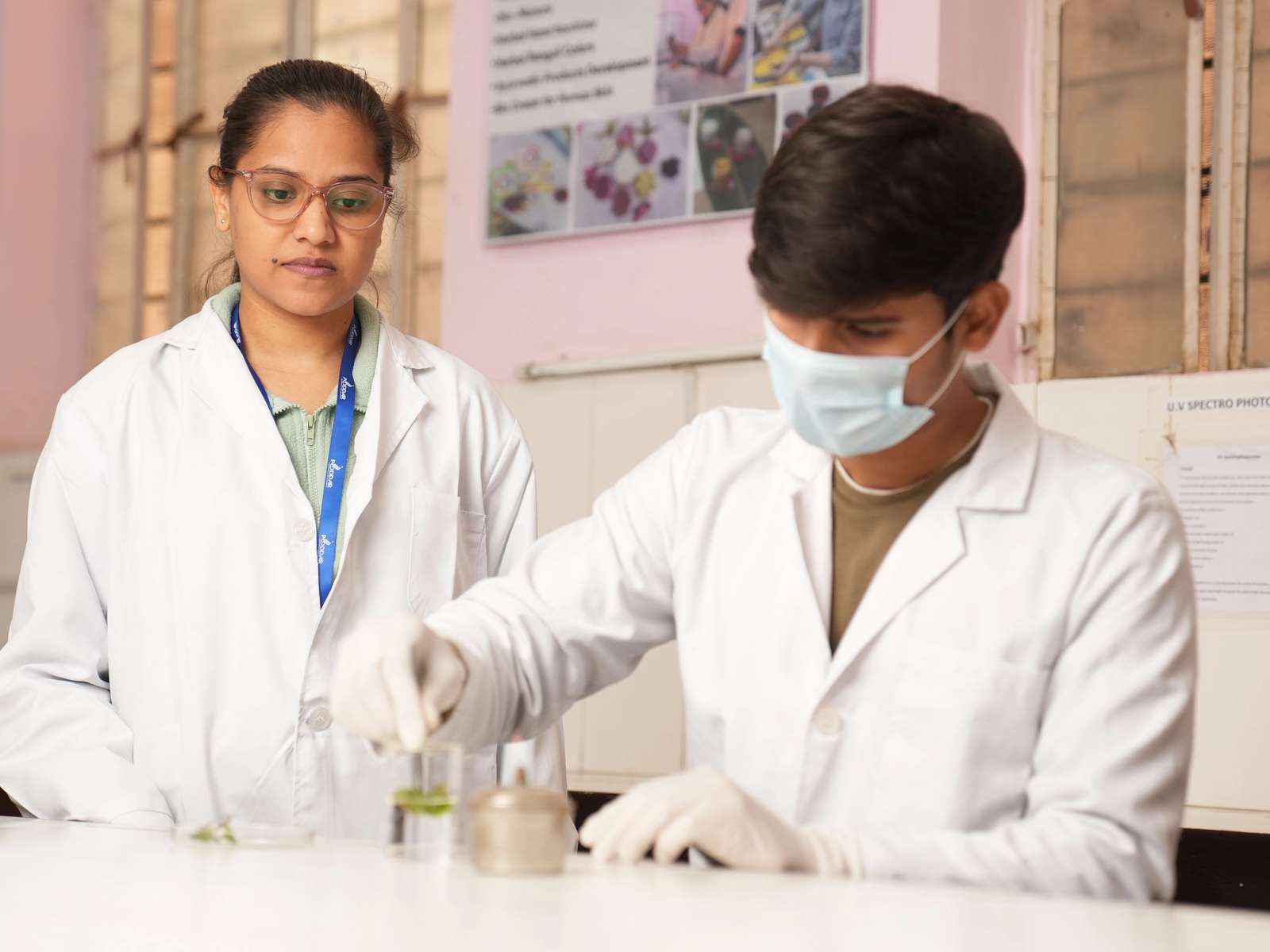
Researchers at the Indian Institute of Science in Bengaluru have mapped 9,389 elementary reaction steps involved in turning carbon dioxide into fuel on a copper catalyst, using a mix of quantum-mechanical calculations and machine learning, the institute said on 6 October. The work is published in Nature Communications.
The reaction, called CO₂ hydrogenation, combines carbon dioxide with hydrogen to make methanol and other products used as fuels and chemical feedstock. Copper is the standard catalyst for it, but the exact chain of steps on the metal's surface has been hard to pin down.
A smaller model picked the wrong product
Quantum-mechanical calculations are expensive, so chemists usually model only a few dozen likely reactions. The IISc team started the same way, with a carefully checked database of 152 reactions. That network fell short: according to corresponding author Ananth Govind Rajan, it "wrongly predicted formic acid, not methanol, as the major product."
To go further, the team trained machine-learning models to estimate the energy barriers that decide how easily each step happens, and used automated tools to list every transformation the surface could plausibly host. The expanded network predicted about 40 times more CO₂ conversion than the small one and identified methanol and carbon monoxide as the main products, matching experiments.
Hydrogen that reacts before it splits
The larger model also turned up a route most textbooks skip. Hydrogen usually has to break into single atoms on the catalyst before it reacts, but the network showed intact hydrogen molecules handing hydrogen directly to reaction intermediates. In the team's preprint, the authors call it "a surprising ML-enabled discovery validated post-facto."
Collaborators at Hindustan Petroleum Corporation Limited and Singapore's Agency for Science, Technology and Research ran the experiments used to check the model. Anand Mohan Verma, now at MNNIT Allahabad, is the first author, with IISc's Shivam Chaturvedi and Ambedkar Dukkipati among the co-authors.
The study is a modeling advance, not a new catalyst. Its value is in showing chemists which steps they would otherwise miss. Catalyst research elsewhere is moving in a similar direction: a team at Science Tokyo recently reported a catalyst that turns methane into ethylene and ethane at lower temperatures.
Sources
- Indian Institute of Science (IISc) · iisc.ac.in
- chemrxiv.org
How we choose and verify sources: editorial policy.
Your weekly dose of good news
The 5 biggest positive stories of the week, straight to your inbox. Free, no noise.
Like what you're reading?