A shrimp-and-algae aquarium built by 51 students is on its way to the space station
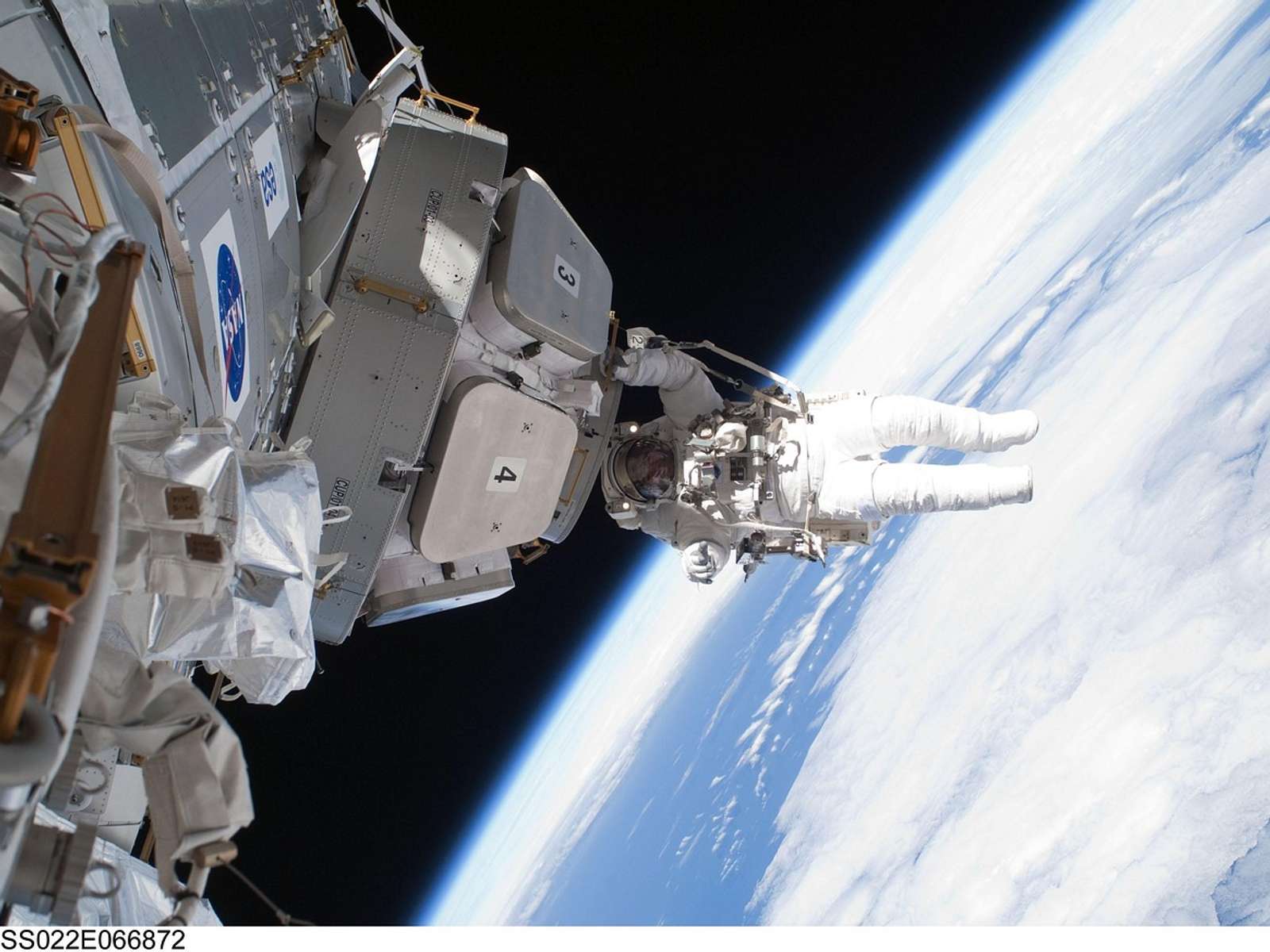
SCAMPI, a sealed aquarium of shrimp, algae and microbes designed by 51 students from Europe and the US, launched to the International Space Station on 13 October to show how a whole ecosystem copes with microgravity.
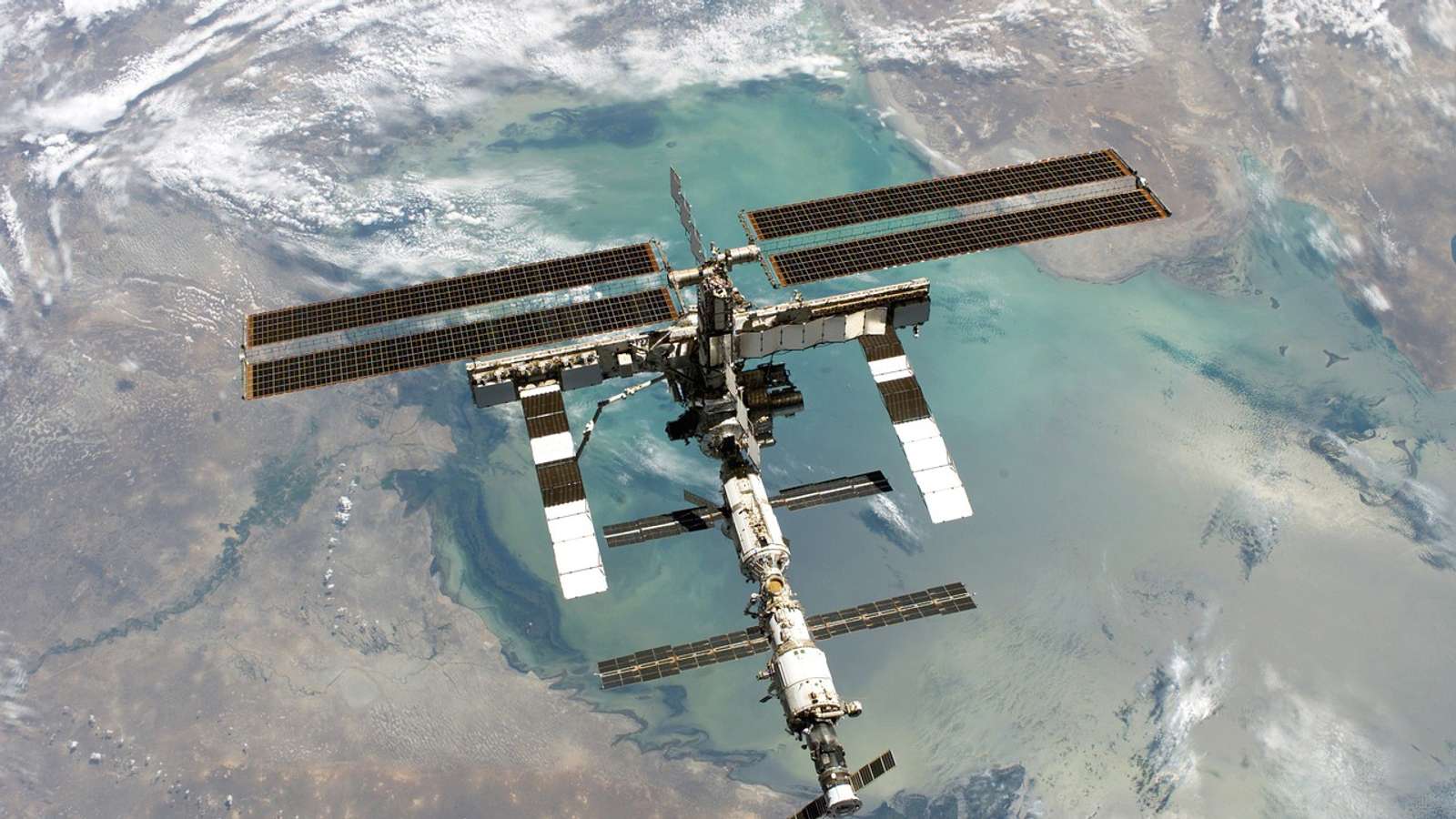
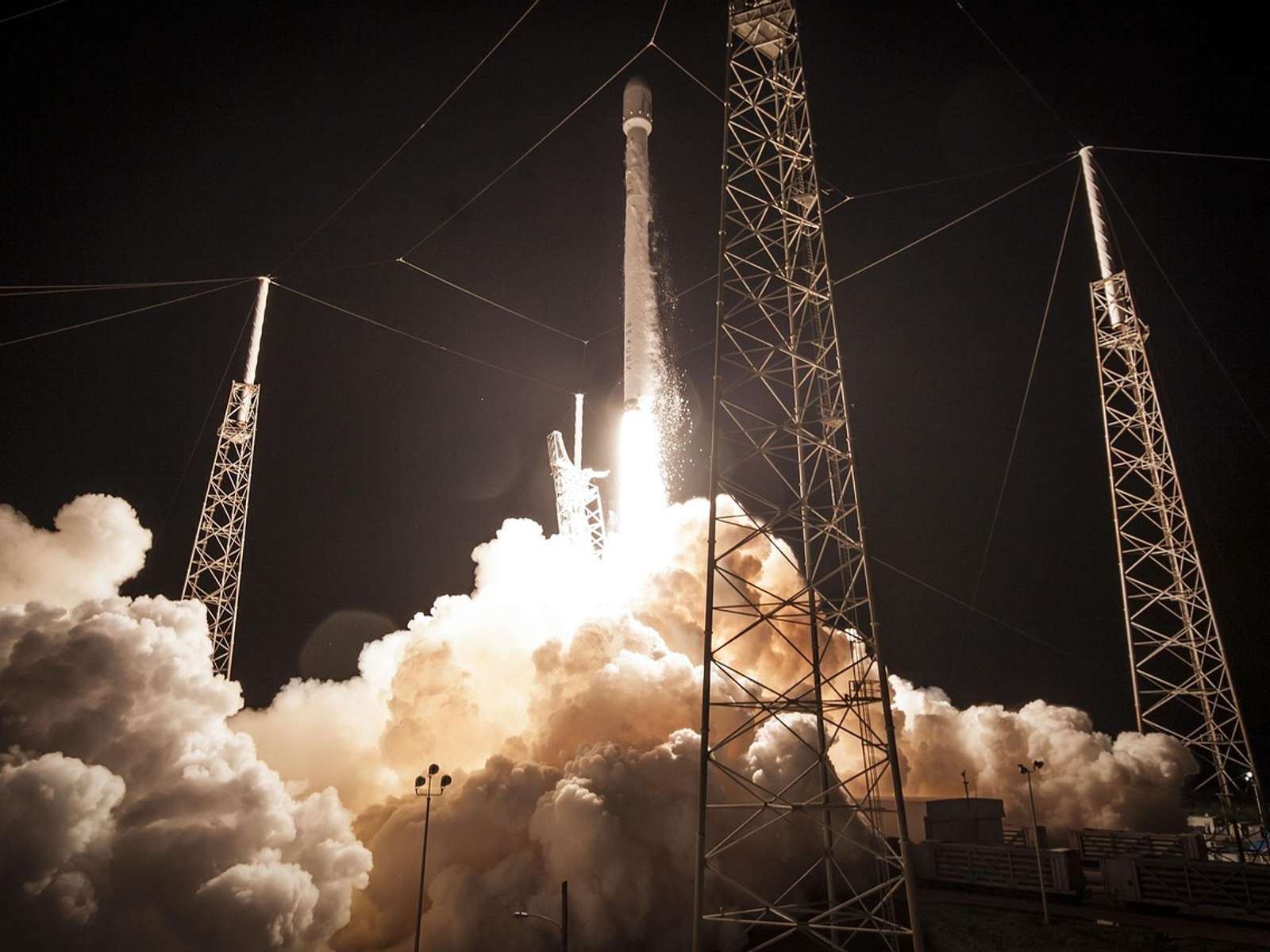
A small sealed aquarium holding shrimp, algae and microbes, designed and built by 51 university students, launched to the International Space Station on 13 October at 12:33 CEST on SpaceX's CRS-35 cargo mission, the European Space Agency said.
The experiment is called SCAMPI, short for Saltwater Crustacean Algae, Microbial Population Investigation. A consortium led by Politecnico di Torino and École Polytechnique built it, with students from Utrecht University, TU Delft, ISAE-SUPAERO, IPSA, École d'Ingénieurs de PURPAN and The Spring Institute for Forests on the Moon. The team spans bachelor's, master's and PhD students in fields from space ecology to engineering.
A sealed world modeled on Hawaiian tide pools
SCAMPI is based on the Ecosphere, a self-sustaining micro-aquarium modeled on brackish pools in Hawaii that connect to the ocean, according to ESA's profile of the team. Shrimp, algae and microbes share the same closed water, so a change in one population affects the others.
Most biology experiments in orbit look at a single organism or cell type. The students want to see how microgravity changes the interactions inside a whole ecosystem, between the living parts and the non-living ones. ESA describes it as one of the first experiments to look at the effects of space on an entire ecosystem.
“This has been an invaluable learning experience.” — Sabrina Corpino, Professor of Aerospace Systems, Polytechnic University of Turin
Life support for long missions is the long-term goal
Crews on missions far from Earth will need systems that recycle air, water and food with as little resupply as possible. Corpino said the work would support future bioregenerative life-support systems, which use living organisms for that job.
SCAMPI flew as a late-load item, packed close to launch. An astronaut will install it in the ICE Cubes Facility inside Europe's Columbus module. After the run, the payload is due to return to Earth, where the team will compare the flight samples with identical aquariums kept on the ground.
The station has been a busy place for Europe this year. ESA astronaut Sophie Adenot returned after a record 237 days in space, and student teams like this one get their own slots through ESA Academy's Experiments programme, run with ESA's human spaceflight and technology directorates and the company Space Applications Services.
ESA has not said how long the aquarium will stay on the station or when the first results will be published.
Sources
- European Space Agency (ESA) · esa.int
- esa.int
How we choose and verify sources: editorial policy.
Your weekly dose of good news
The 5 biggest positive stories of the week, straight to your inbox. Free, no noise.
Like what you're reading?