South Korea's homegrown Nuri rocket places 14 satellites in orbit on its fifth launch
South Korea's Nuri rocket, built entirely with domestic technology, delivered all five of its main satellites and nine of ten small CubeSats to orbit on 7 October, its fourth success in a row.
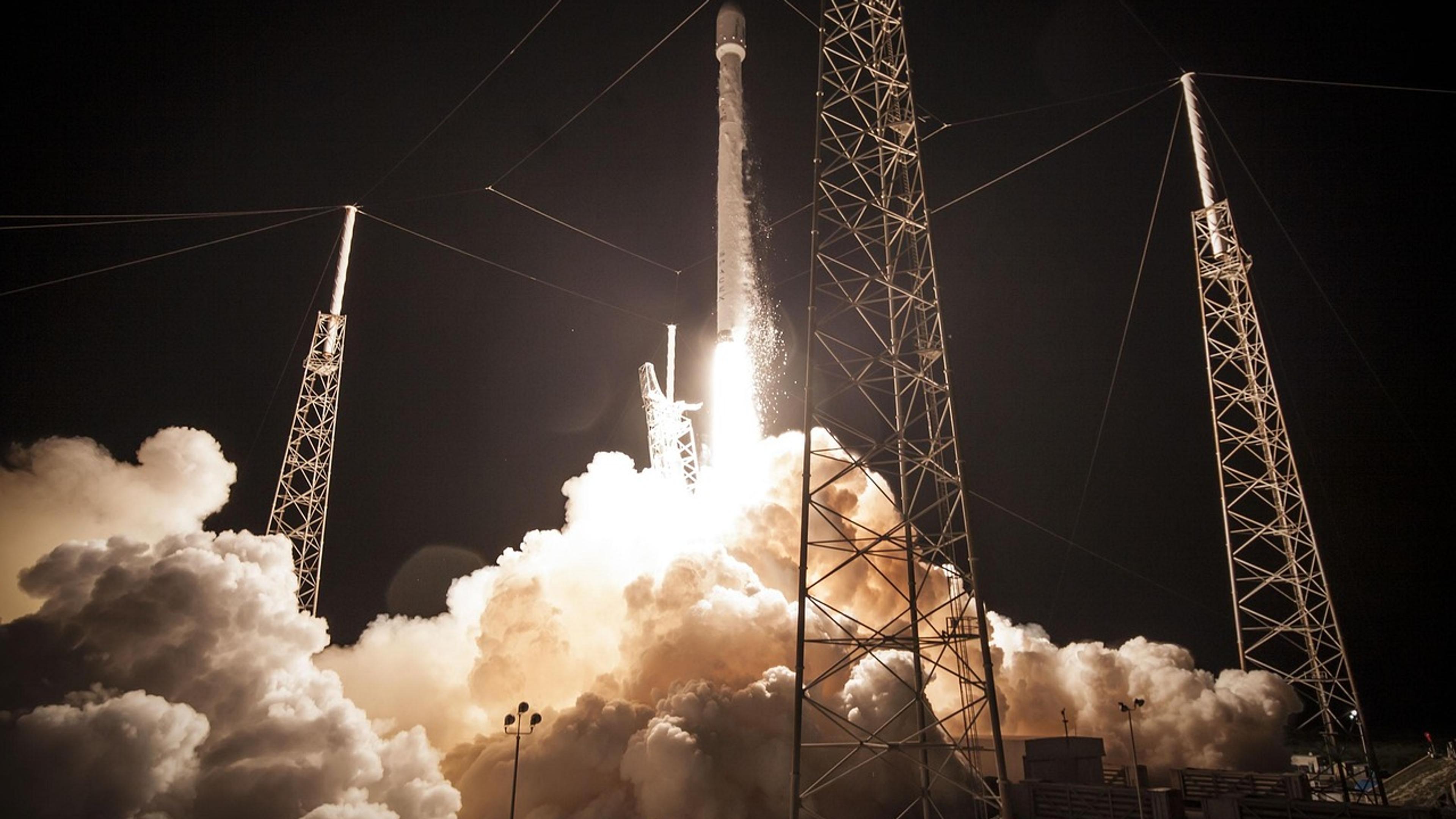
South Korea's Nuri rocket, developed entirely with domestic technology, placed 14 satellites into orbit on its fifth launch on 7 October, The Korea Times reported. The Korea AeroSpace Administration (KASA) called the mission a success.
Five main satellites and nine CubeSats
The rocket lifted off from the Naro Space Center in Goheung at 12:25 p.m. and reached a target orbit of about 570 kilometres. It released its primary payload, five NEONSAT microsatellites that will form an Earth-observation constellation, followed by nine of the ten small CubeSats it carried.
One CubeSat did not separate because the lid of its deployment canister failed to open, SBS reported. KASA said the main satellites were placed accurately and that the rocket performed flawlessly.
“With the success of the 5th launch, Nuri's cumulative launch success rate has increased from 75% to 80%, further enhancing its reliability.” — Oh Tae-seok, Administrator, Korea AeroSpace Administration, as reported by SBS
Four successes in a row after a first failure
Nuri's first launch, five years ago, failed to reach orbit, but all four launches since have succeeded. This flight carried 15 satellites weighing about 1,071 kilograms, more than the 13 satellites on the fourth launch.
South Korea plans to launch Nuri at least once a year until 2032, move towards commercial launches and eventually send a probe to the Moon. Five more NEONSAT satellites are due to fly on the sixth launch in 2027, completing a constellation of ten. Space programmes worldwide are expanding what we can observe, from Earth orbit to NASA's new Roman telescope coronagraph.
Sources
- The Korea Times · koreatimes.co.kr
- news.sbs.co.kr
How we choose and verify sources: editorial policy.
Like what you're reading?
Related stories

NASA's TESS passes 1,000 confirmed planets as 70 new worlds join the archive in one week
NASA's Transiting Exoplanet Survey Satellite has now found more than 1,000 confirmed planets, a milestone reached as 70 new planets were added to the NASA Exoplanet Archive in a single weekly update.
Australian Team Builds Ultra-Precise Optics to Help LIGO Detect Fainter Gravitational Waves
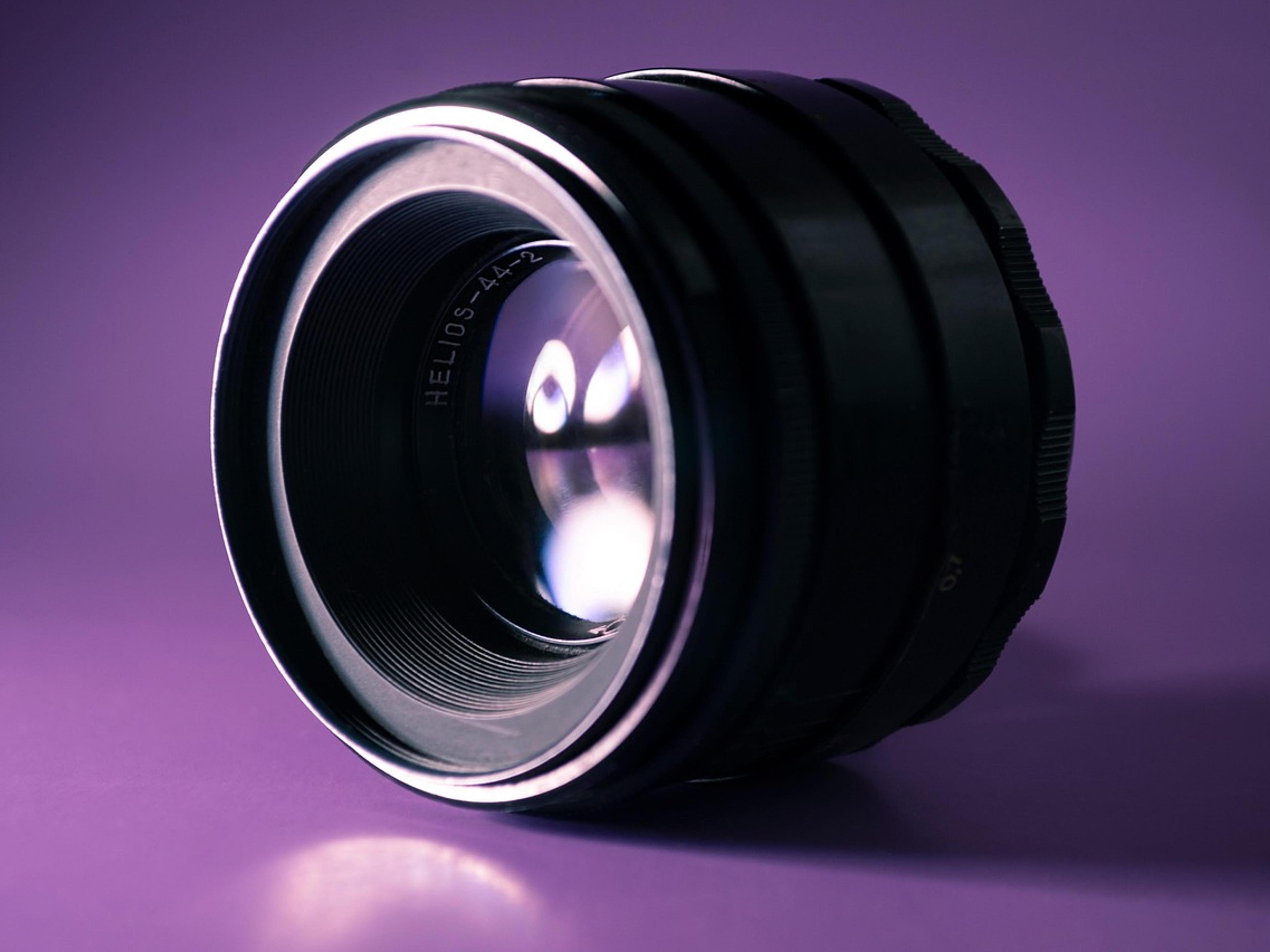
Researchers at the Australian National University spent three years making two specialized beamsplitters for LIGO, coated to within a nanometre or two across almost half a metre, for an upgrade that will make the detectors more sensitive.
NASA's Roman Telescope Just Took Its First Step Toward Photographing Alien Worlds
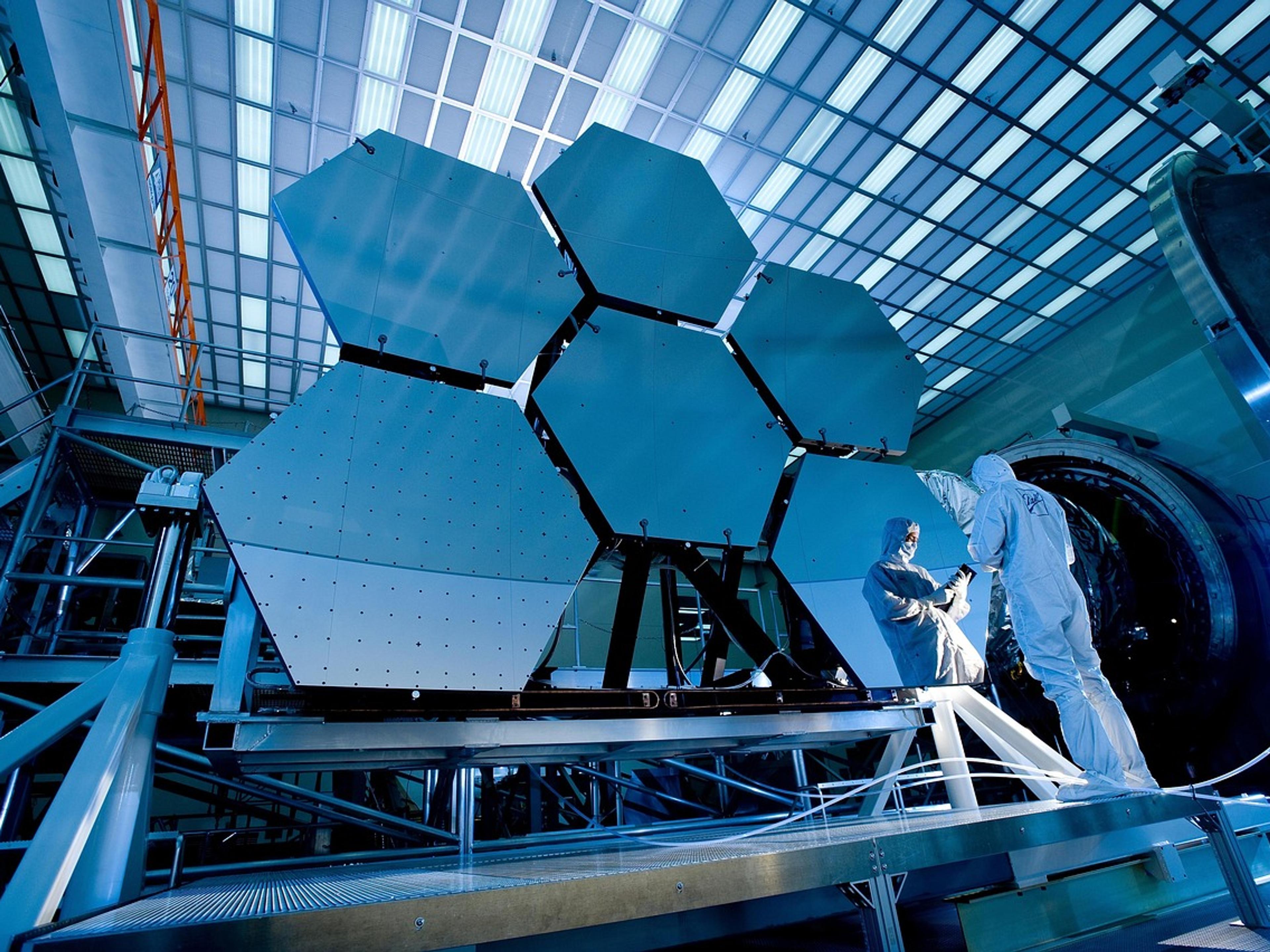
NASA's Nancy Grace Roman Space Telescope opened its coronagraph instrument to space for the first time, testing technology designed to block starlight and directly image planets around other stars.