A $9 million Indigenous-led project is protecting 6 million hectares across Brazil
Ywy Ipuranguete, a $9 million project funded by the Global Biodiversity Framework Fund, supports Indigenous communities in managing 15 Indigenous lands covering about 6 million hectares across five Brazilian biomes.
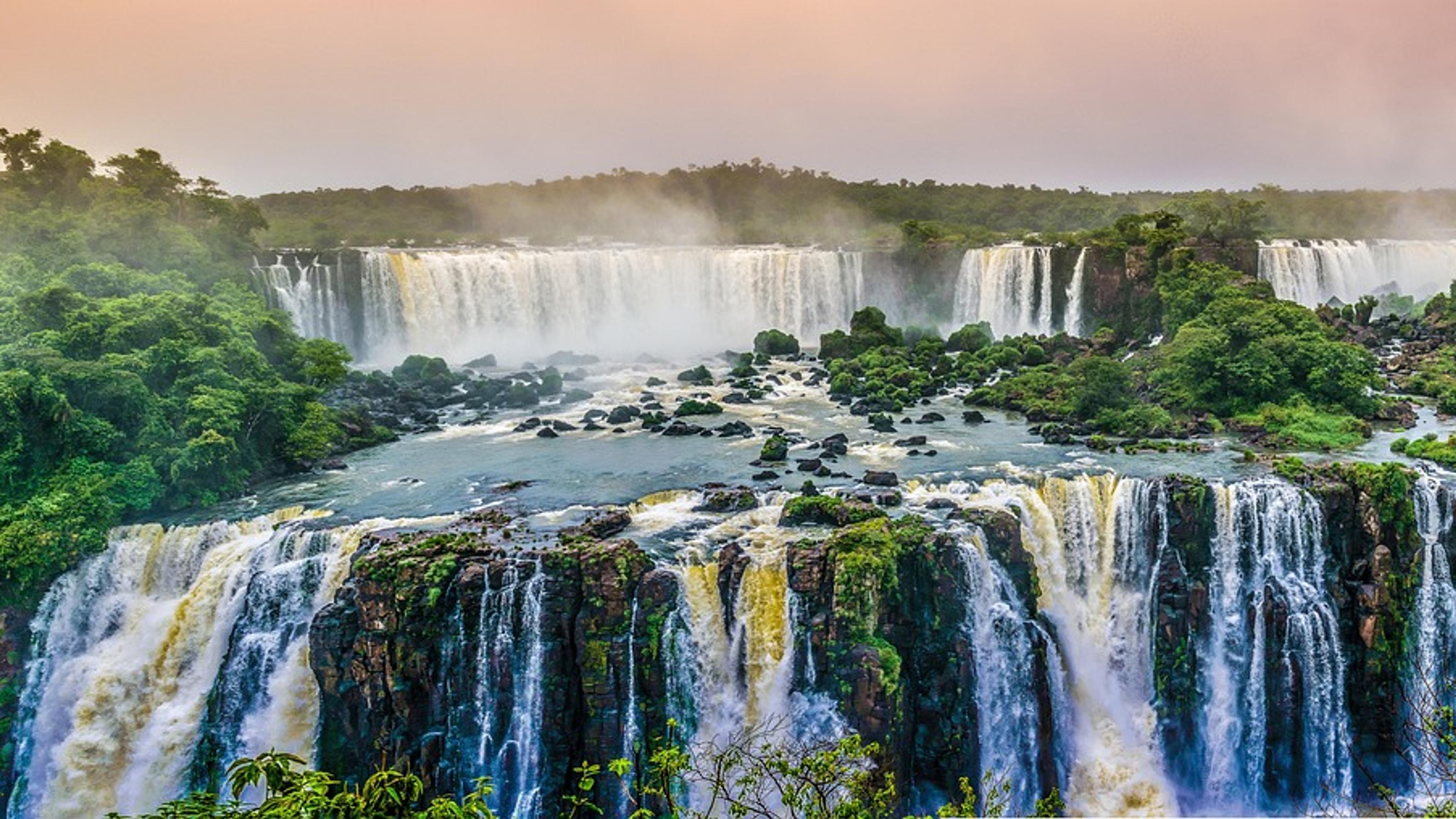
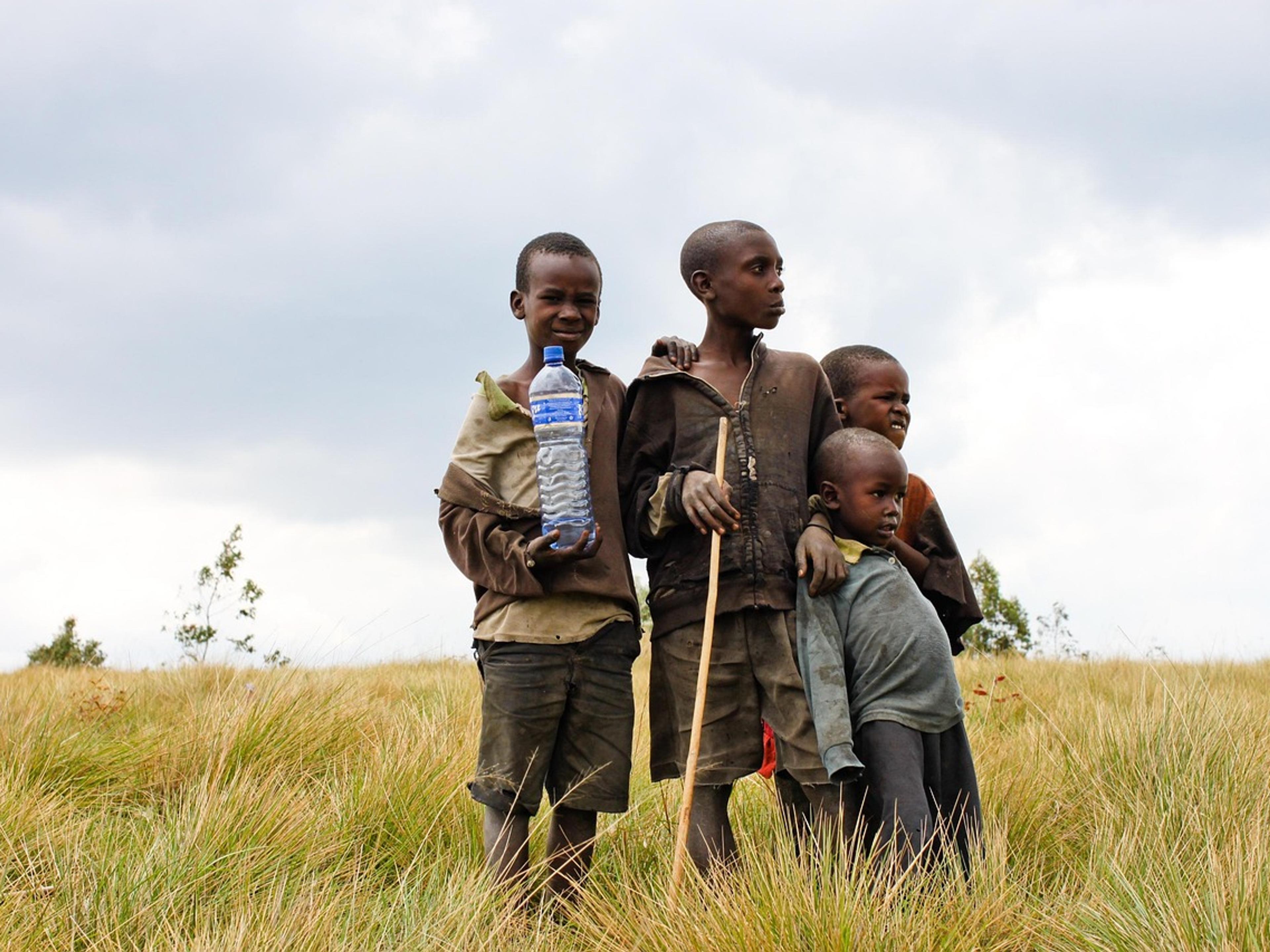
A $9 million project in Brazil is helping Indigenous communities protect and manage 15 Indigenous lands covering about 6 million hectares, home to some 57,000 people, according to the Brazilian Biodiversity Fund (FUNBIO), which manages it. The Global Environment Facility featured the project, called Ywy Ipuranguete, in [a film released on 8 October](https://www.thegef.org/newsroom/multimedia/guardians-land-indigenous-led-conservation-brazil).
Five biomes, one Indigenous-led plan
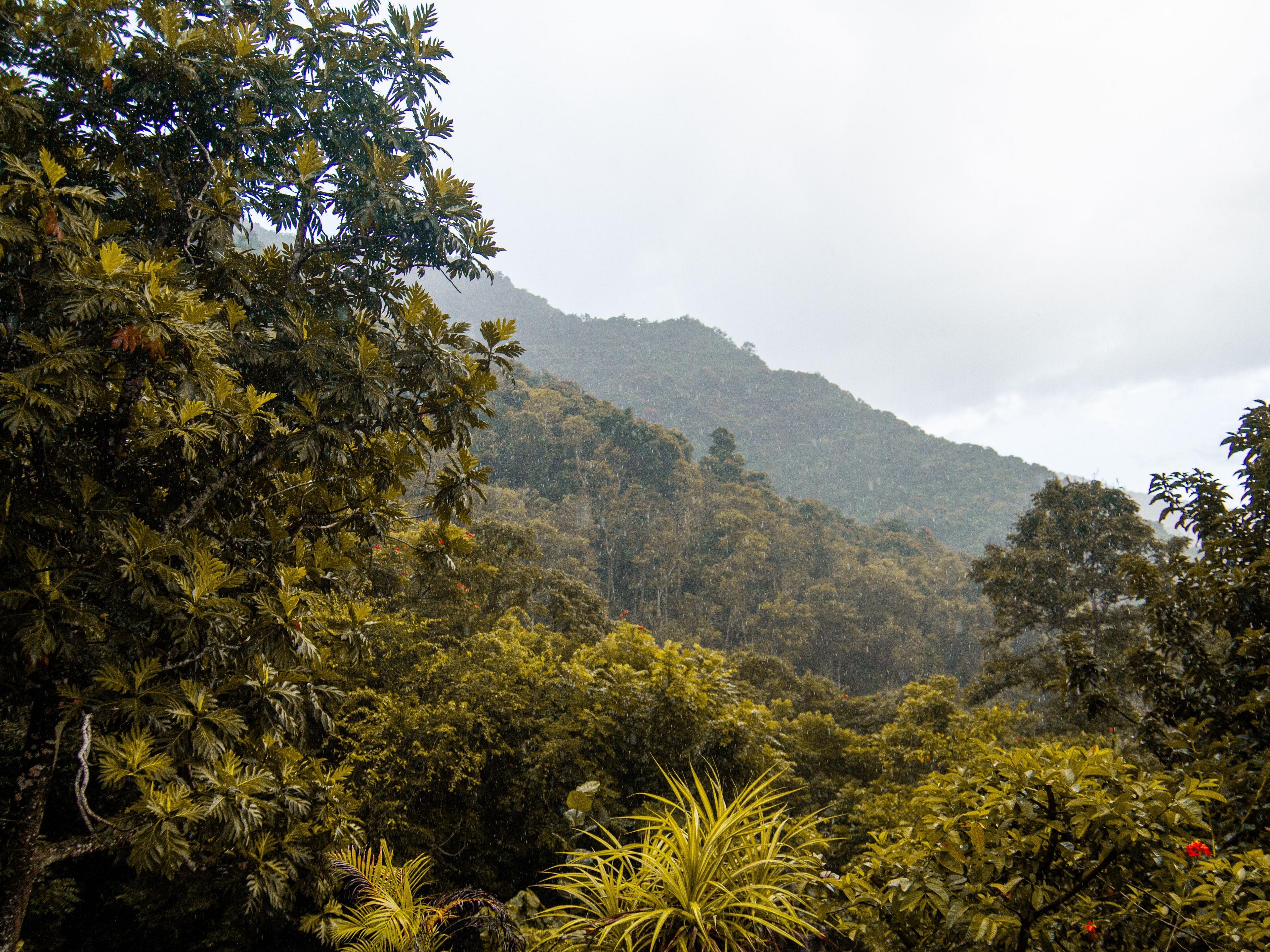
Ywy Ipuranguete means "beautiful land" in Tupi-Guarani. The lands it covers span the Amazon, Atlantic Forest, Cerrado, Caatinga and Pantanal. It is coordinated by Brazil's Ministry of Indigenous Peoples, managed by FUNBIO and carried out by the International Institute of Education of Brazil, with support from the national Indigenous agency Funai.
The money comes from the Global Biodiversity Framework Fund, set up under the Global Environment Facility to help countries meet the global goals for nature agreed in 2022. It was one of the first projects the fund supported.
Drones, radios and native products
The project pays for territorial monitoring and protection, including community infrastructure, drones and radios to deter invasions and environmental crimes. It also supports income from native fruits, nuts and crafts, sustainable farming and food sovereignty, and training for young people and women in leadership and land management.
“The Indigenous Peoples are the true guardians of the forest.” — Sonia Guajajara, Brazil's Minister of Indigenous Peoples, at the project launch
Most of the budget is meant to reach communities
The project was launched in March 2025 in Brasília. Its first year focused largely on helping communities finalise their territorial and environmental management plans, and the ministry has said that eventually 75% of the budget will go directly to communities, Inter Press Service reported. Indigenous-led protection is part of a wider push across South America, such as [Bolivia's new Agua Dulce wildlife reserve](https://the-goodnews-daily.com/articles/agua-dulce-wildlife-reserve-baures-bolivia-715000-acres).
Like what you're reading?
Related stories
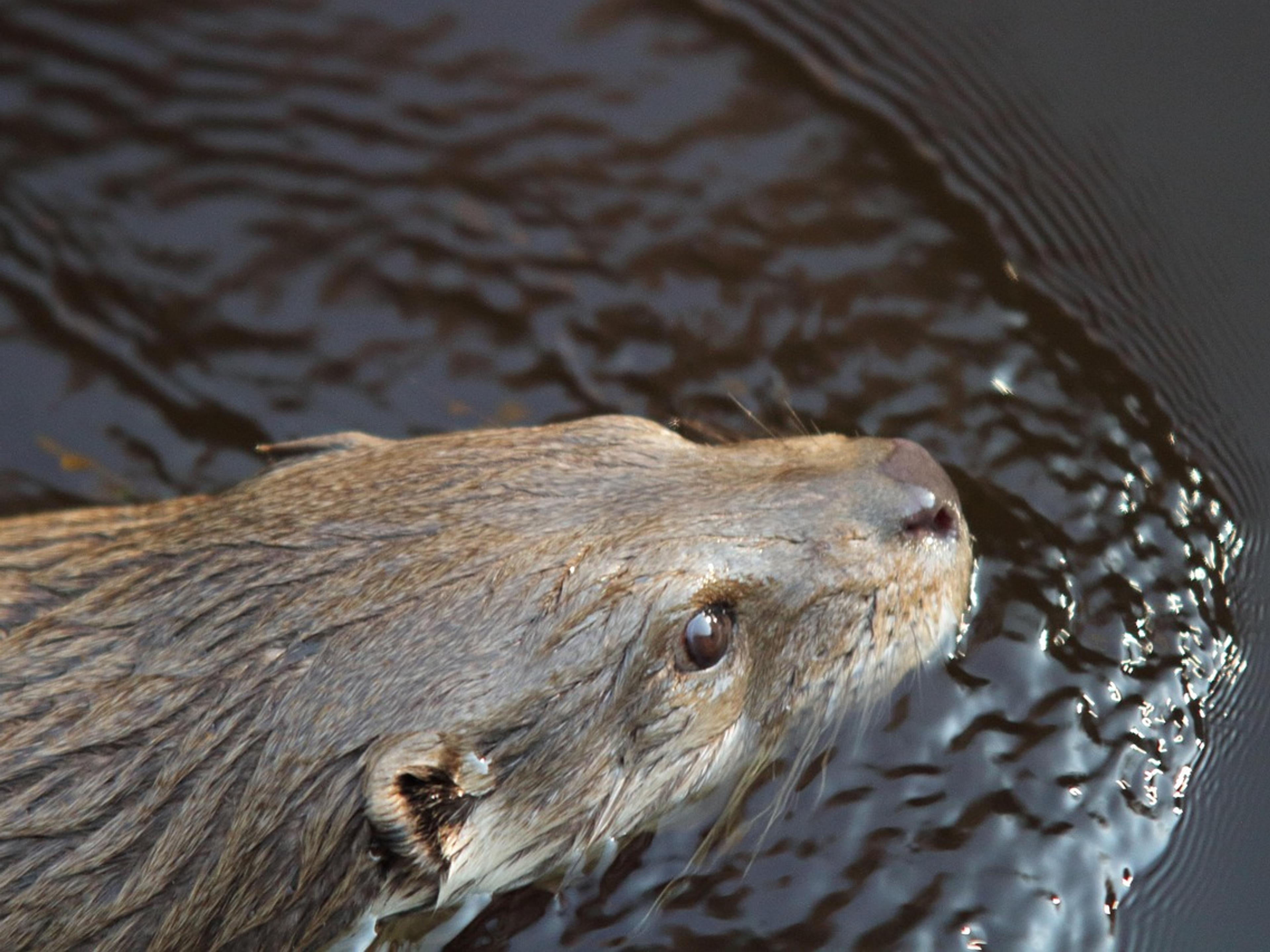
New Bolivian reserve protects 715,000 acres for jaguars, river dolphins and giant otters
The new Agua Dulce Municipal Wildlife Reserve in Baures, Bolivia, protects nearly 715,000 acres of habitat for jaguars, Amazon river dolphins, giant otters and hundreds of bird species.
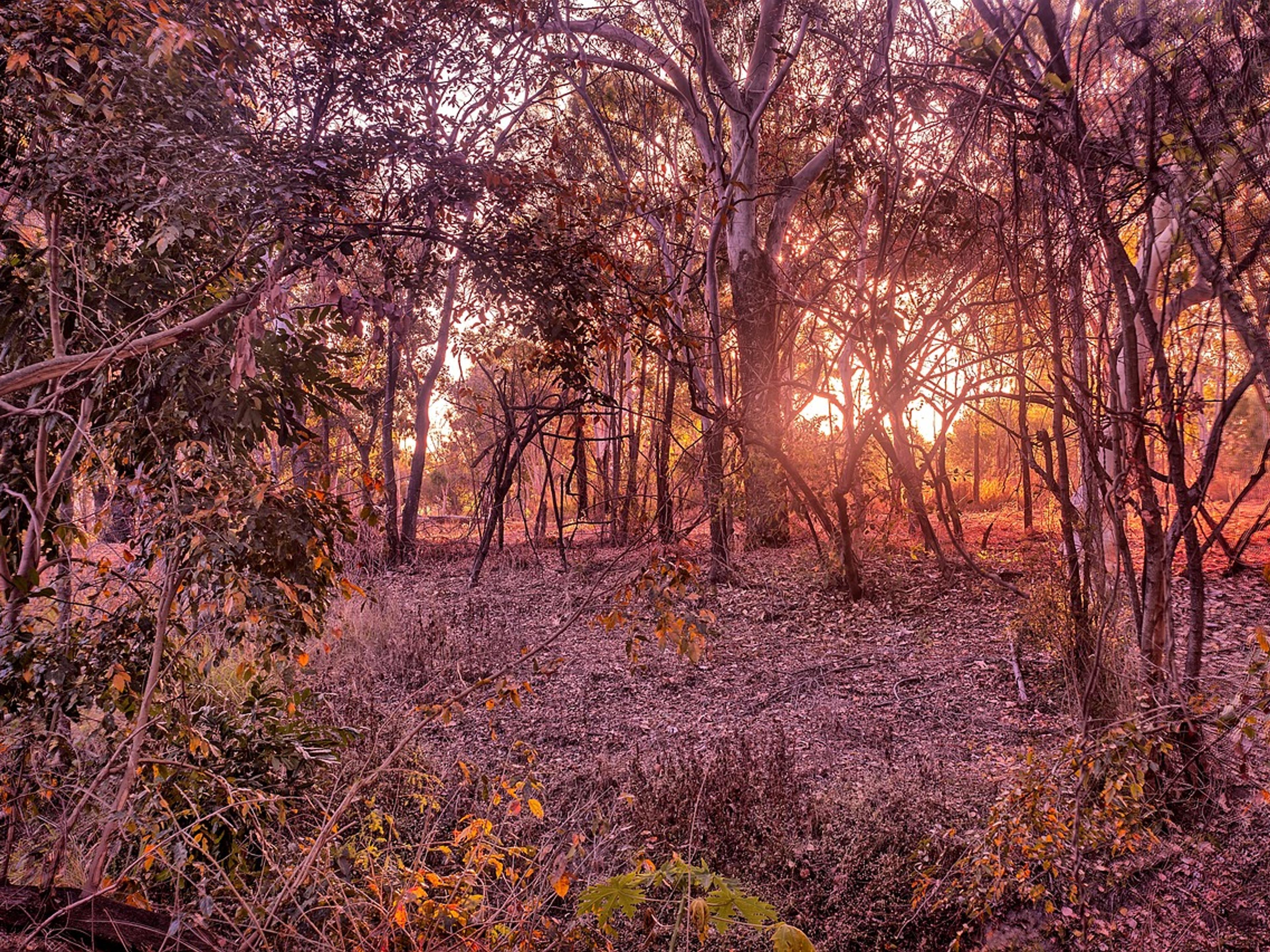
Victoria creates three new national parks covering over 65,000 hectares in the Central West
Victoria has formally established three new national parks, Mount Buangor, Pyrenees and Wombat–Lerderderg, along with new conservation and regional parks and nearly 30 reserves.
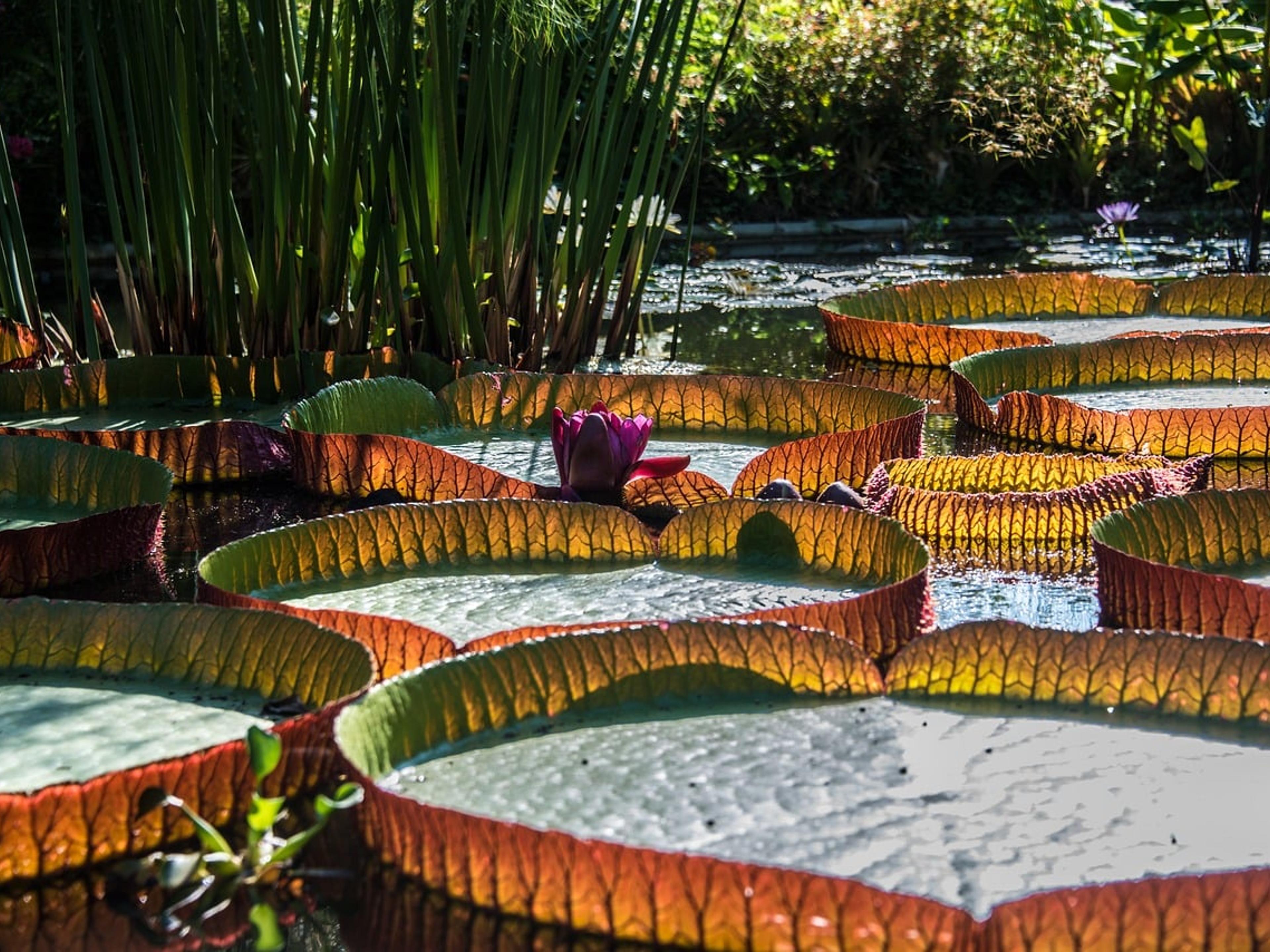
An Instagram photo led scientists to a new giant waterlily with pads up to 2 metres wide
Kew horticulturist Carlos Magdalena spotted an unfamiliar giant waterlily in an Instagram photo from Colombia. Five years later it has been named Victoria colombiana, and only 30 to 50 plants are thought to survive.