Laos Establishes New National Park to Protect the World's Rarest Land Mammal
Laos has designated a 217,400-hectare national park in the Annamite Mountains, protecting habitat for the critically endangered saola and several other species found almost nowhere else on Earth.
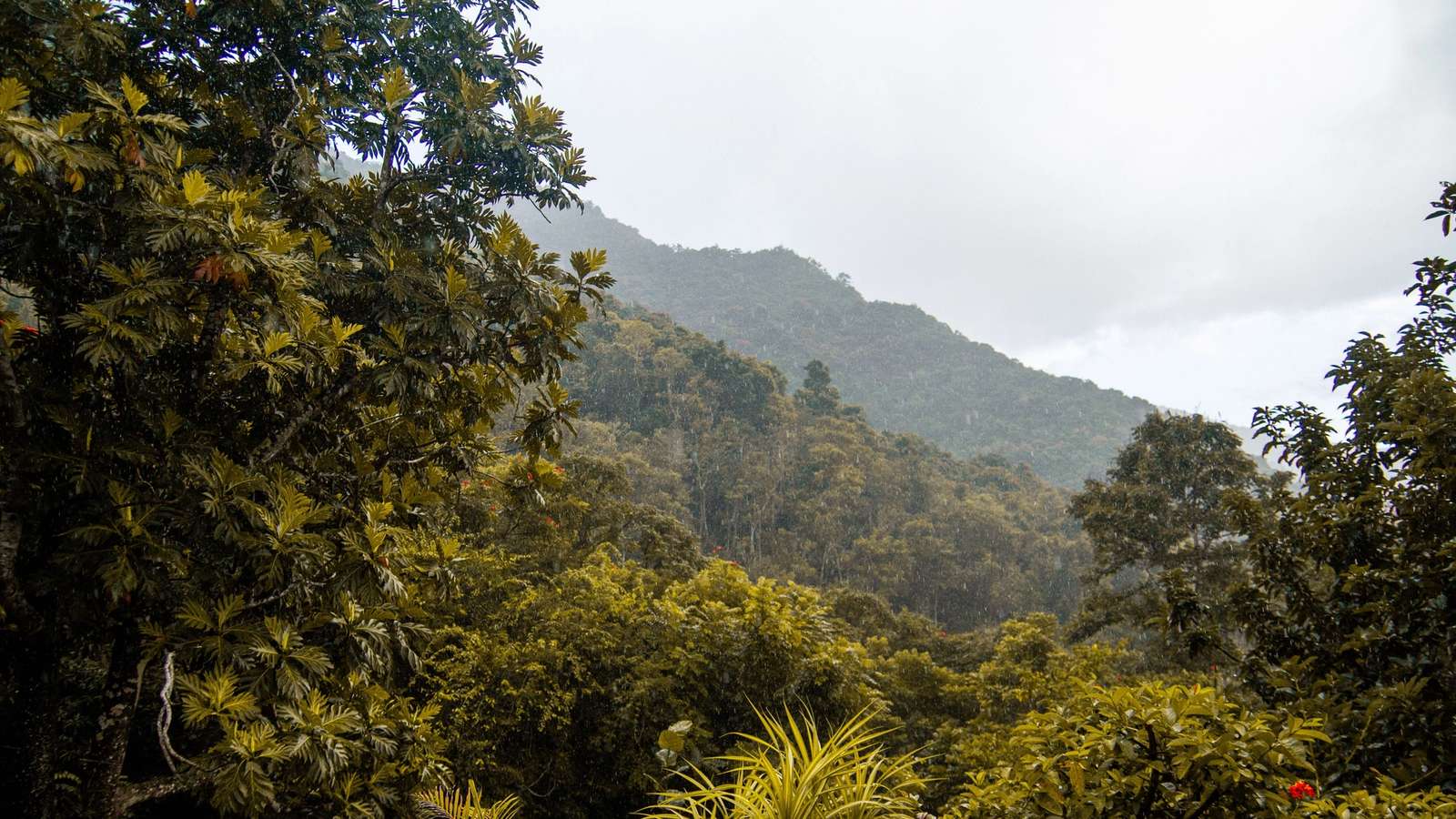
Laos has designated a new national park covering more than 217,000 hectares of the Annamite Mountains, creating protected habitat for some of the world's rarest and least-seen mammals, including a species so elusive it is sometimes called the Asian unicorn.
Prime Minister Sonexay Siphandon signed the decree establishing Nam Mouane-Phou Chomvoy National Park on August 7, 2026, consolidating four existing protected zones in Bolikhamxay Province into a single park of roughly 2,174 square kilometers, an area comparable to about seven-tenths the size of Yosemite National Park in the United States. The new park directly borders Vietnam's Pu Mat National Park for more than 60 kilometers, linking protected forest across the two countries' shared stretch of the Annamite range.
Habitat for a species almost no one has seen
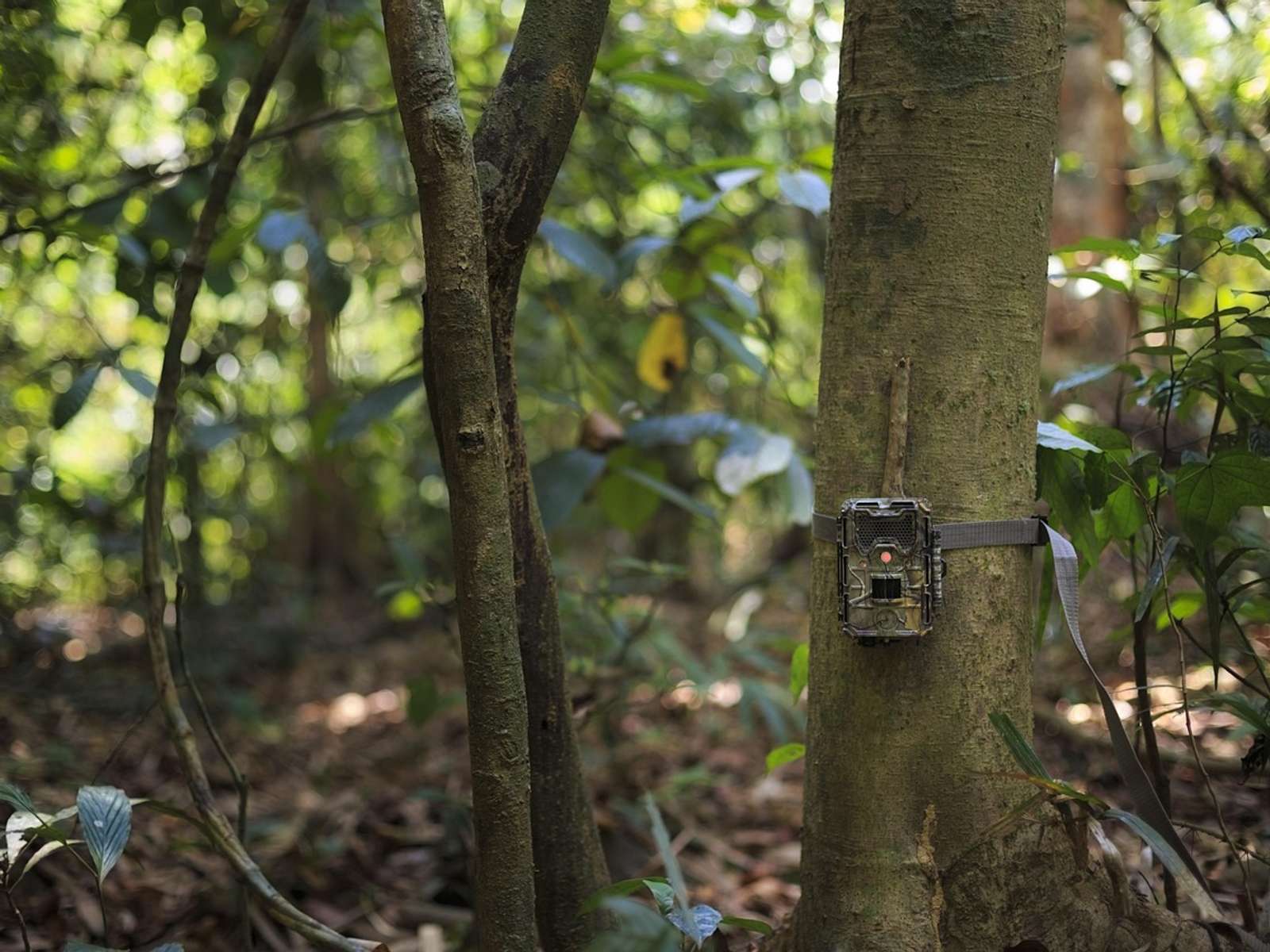
Among the animals the park protects is the saola, a forest-dwelling bovine first documented by scientists in 1992, the first large mammal discovery anywhere in more than 50 years at the time. It exists only in the Annamite Mountains straddling Laos and Vietnam, and researchers estimate that at most a few hundred individuals remain, possibly only a few dozen. It is listed as Critically Endangered, and camera traps have captured it so rarely that long stretches have passed without any confirmed photographic evidence at all.
The park also shelters the northern white-cheeked gibbon, red-shanked douc langur, Annamite striped rabbit, Asian golden cat, great hornbill, and large-antlered muntjac, all species with limited global ranges concentrated in this stretch of forest.
Built from four protected areas and years of groundwork
The new park merges the Nam Chouan-Nam Xang National Protection Forest, the Phou Chomvoy Provincial Protected Area, part of the Nam Chat-Nam Pan National Protection Forest, and the Phou Sithone Endangered Species Conservation Area into one unified, more manageable designation.
Getting there took roughly three and a half years of preparatory work by the Wildlife Conservation Society, alongside Lao government agencies, including biodiversity and socioeconomic assessments, field surveys, GIS mapping to establish clear boundaries, and consultations with local communities under a free, prior and informed consent process. The area is also home to 29 villages and roughly 23,500 people who depend on the forest's watershed and natural resources, so the designation includes plans for a law enforcement system and a "Forest Development Village Model" intended to support sustainable livelihoods alongside conservation.
Funding and support for the effort came from Rainforest Trust, the Liz Claiborne and Art Ortenberg Foundation, and private donors Harvey and Heidi Bookman, in addition to WCS.
Part of a bigger national and global push
The designation supports Laos's Forestry Strategy to 2035 and its broader goal of raising national forest cover to 70 percent of the country's land area. It also counts toward the international 30x30 commitment, the global pledge, adopted by nearly 200 countries, to protect 30 percent of the planet's land and water by 2030. Rainforest Trust vice president James Lewis described the move as an example of "what real leadership on the global 30x30 commitment can look like."
"Protecting more than 217,000 hectares of Annamite forest strengthens a vital refuge for threatened wildlife," said Dr. Santi Saypanya, WCS Country Director in Laos, while Somvang Phimmavong, Director General of Laos's Department of Forestry, called the designation a reflection of "the Government's commitment to conserving the country's biodiversity and natural heritage."
What still has to happen
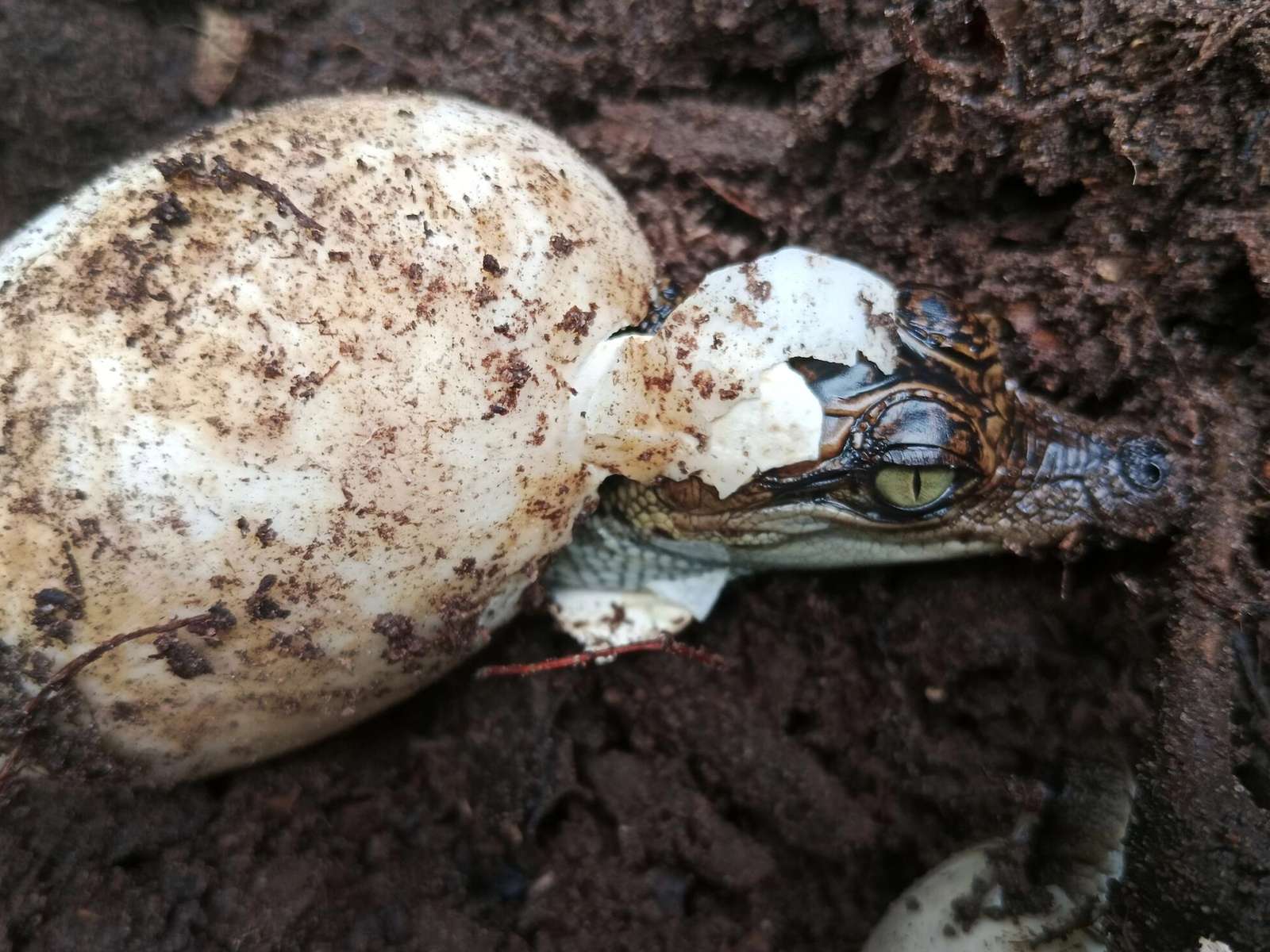
A decree on paper is a starting point, not a finish line. Officials and conservation groups say the coming work includes building out day-to-day management systems, continuing engagement with the villages inside and around the park's boundaries, and applying a mitigation hierarchy to screen future infrastructure and development proposals so they do not fragment the habitat the designation is meant to protect. In neighboring Cambodia, the government has made a similar move for a different rare animal, setting aside its first conservation area for the Siamese crocodile.
For a species that may number only in the dozens, and a landscape that spans two countries, a protected area of this size gives conservationists something they have lacked: a large, connected, legally protected stretch of forest with a real chance of keeping the Annamites' rarest animals from disappearing entirely.
Sources
- Wildlife Conservation Society · laos.wcs.org
How we choose and verify sources: editorial policy.