What is 30x30? The goal to protect 30% of land and sea by 2030
30x30 is the global target, agreed by governments in December 2022, to have at least 30% of the world's land and 30% of its ocean effectively conserved by 2030. By October 2026, protected and conserved areas covered 18.69% of land and 10.04% of the ocean.
By Diego Callegari ·
30x30 is the shorthand for Target 3 of the Kunming-Montreal Global Biodiversity Framework, the global plan for nature that governments adopted at the UN biodiversity conference COP15 in December 2022. The framework has four goals for 2050 and 23 targets for 2030. Target 3 is the one people quote most often.
It asks countries to ensure that by 2030 at least 30% of the world's land and inland waters, and at least 30% of its coastal and marine areas, are effectively conserved and managed, according to the Convention on Biological Diversity.
What counts toward the 30%
Two kinds of areas count. The first is protected areas, such as national parks and nature reserves. The second is “other effective area-based conservation measures,” usually shortened to OECMs. These are places outside the formal protected area system that are governed and managed in ways that deliver lasting conservation of nature, the CBD's guidance says.
The target also recognizes Indigenous and traditional territories where that applies. The CBD's guidance says any decision about such land must respect the rights of Indigenous peoples and local communities, including their free, prior and informed consent.
Area alone is not enough. The text says the network should be ecologically representative, well connected and equitably governed, should focus on places of particular importance for biodiversity, and that any use of these areas, such as fishing or grazing, must be fully consistent with conservation.
How far the world has come
The main global count is the Protected Planet Report, published by the UN Environment Programme's World Conservation Monitoring Centre and IUCN. Its 2024 edition found that protected and conserved areas covered 17.6% of land and inland waters and 8.4% of the ocean and coastal areas, IUCN said. Reaching 30% by 2030 would take another 12.4% of land and 21.6% of the ocean.
Coverage has grown since. By October 2026, the Protected Planet database, which is updated monthly, counted protected areas and OECMs covering 18.69% of land and inland waters and 10.04% of the ocean.
The same report found gaps in quality as well as quantity:
- Only one-fifth of key biodiversity areas are fully covered by protected and conserved areas, and a third lie entirely outside them.
- Management effectiveness has been assessed for less than 5% of the land covered and 1.3% at sea.
- Only 8.5% of land is both protected and well connected.
- Less than 11% of marine protected area coverage lies in the high seas, although they make up 61% of the ocean.
On the positive side, 51 countries and territories had already passed 30% coverage on land and 31 at sea, and Indigenous and traditional territories cover at least another 13.6% of the world's land, the report found.
Official figures may undercount conservation
Some land that is well looked after never makes it into the official databases. A study in Nature, led from the University of Kent, estimated that conservation areas may already cover 26.81% of the world's land, far more than the official figure of about 18.5%, as Good News Daily reported. The authors warned that the extra land fills few gaps in the protection of species and habitats, so the quality questions remain.
New protected areas in our stories
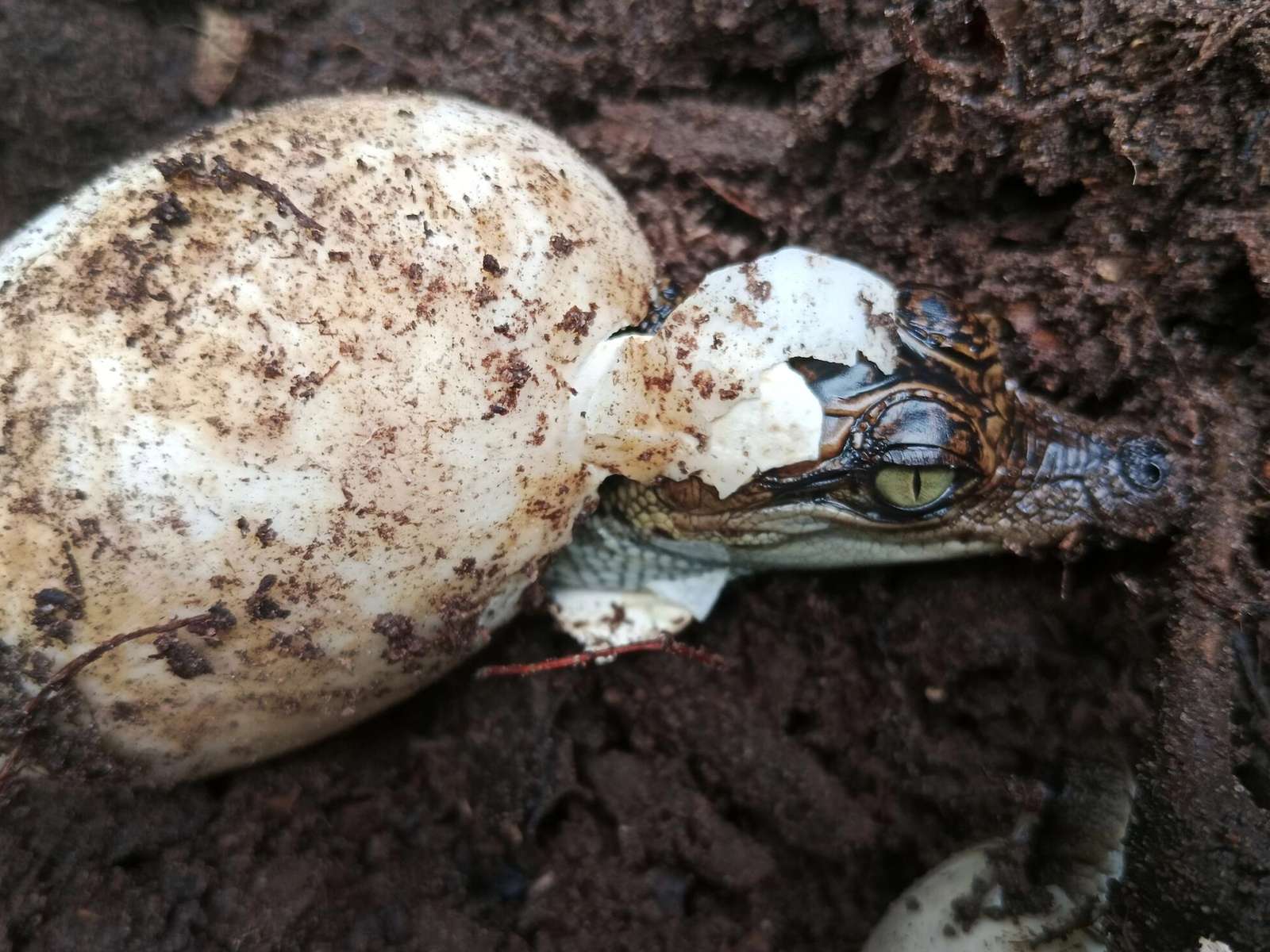
Each new park or reserve adds a small piece. Recently, Vietnam's Lam Dong province created the 8,408-hectare Ta Kou Nature Reserve, and Cambodia set aside its first conservation area for the Siamese crocodile. More new parks and reserves are collected under protected areas.
What happens next
The deadline is 2030. With the land figure still about 11 percentage points short and the ocean figure about 20 points short in October 2026, UNEP and IUCN said the world is not moving far or fast enough, and the gaps in their report show that how well areas are managed and connected matters as much as how much is set aside.