Landmine clearance in Colombia aims to let Indigenous communities protect 18,000 hectares of forest
The HALO Trust will clear landmines from almost 18,000 hectares in Colombia's Meta region so two Indigenous communities can return to and guard their land. The three-year project costs about $1 million.
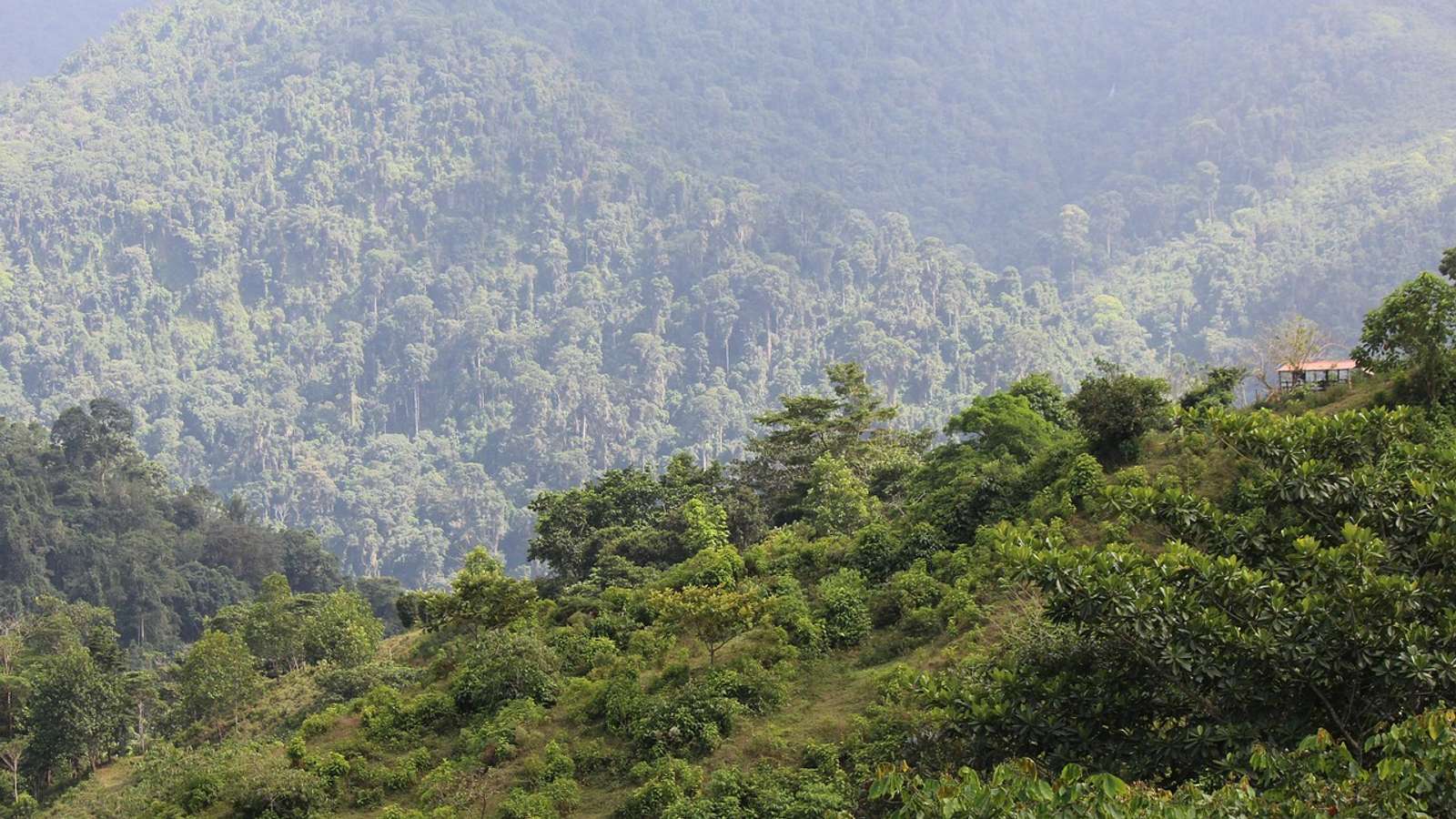
Deminers from The HALO Trust have started clearing explosives from almost 18,000 hectares (about 45,000 acres) of forested land in Colombia's Meta region, so that two Indigenous communities can safely return to and protect their territory, according to a joint release from Rainforest Trust and HALO dated 1 October. The three-year project costs about $1 million.
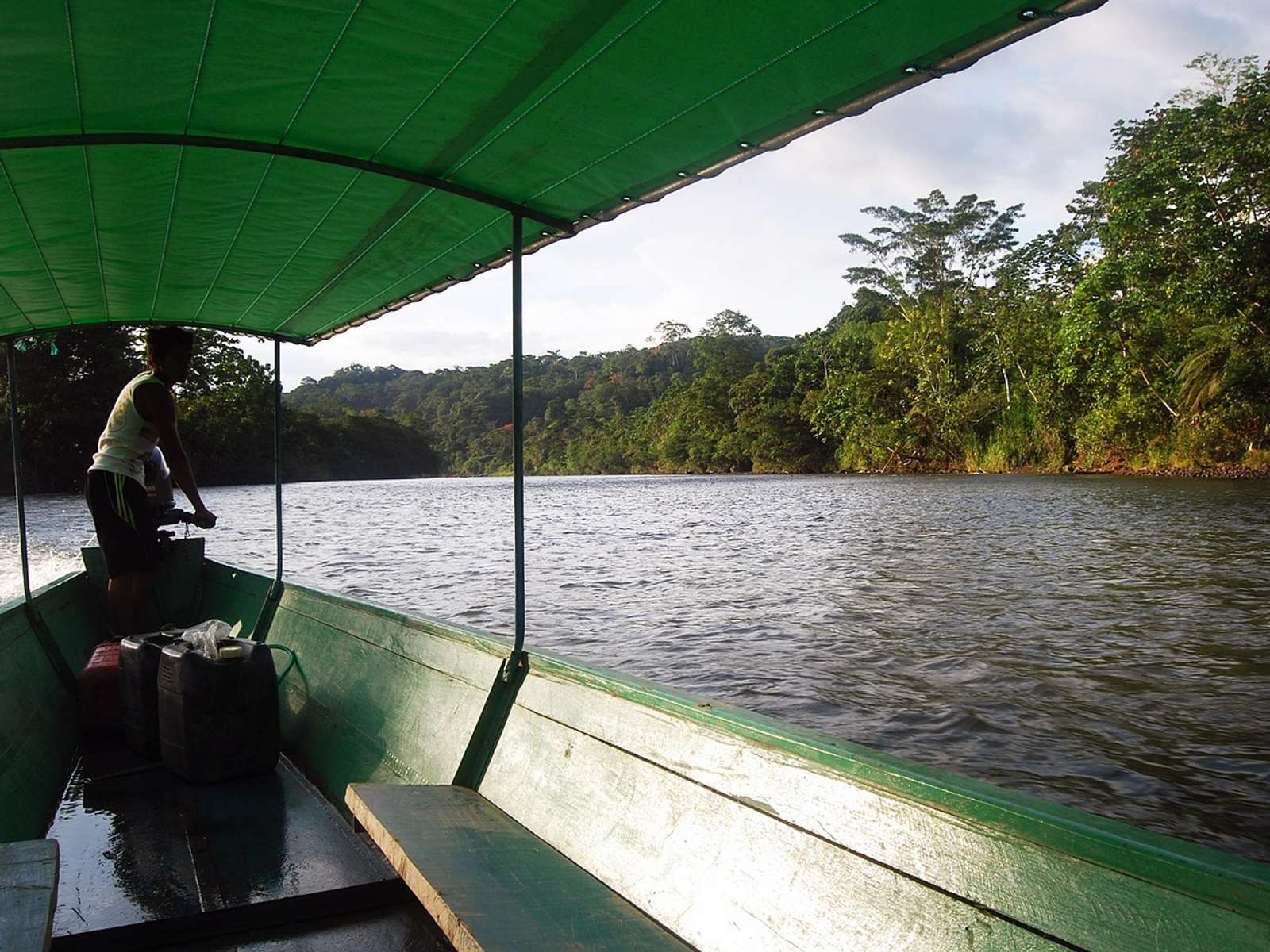
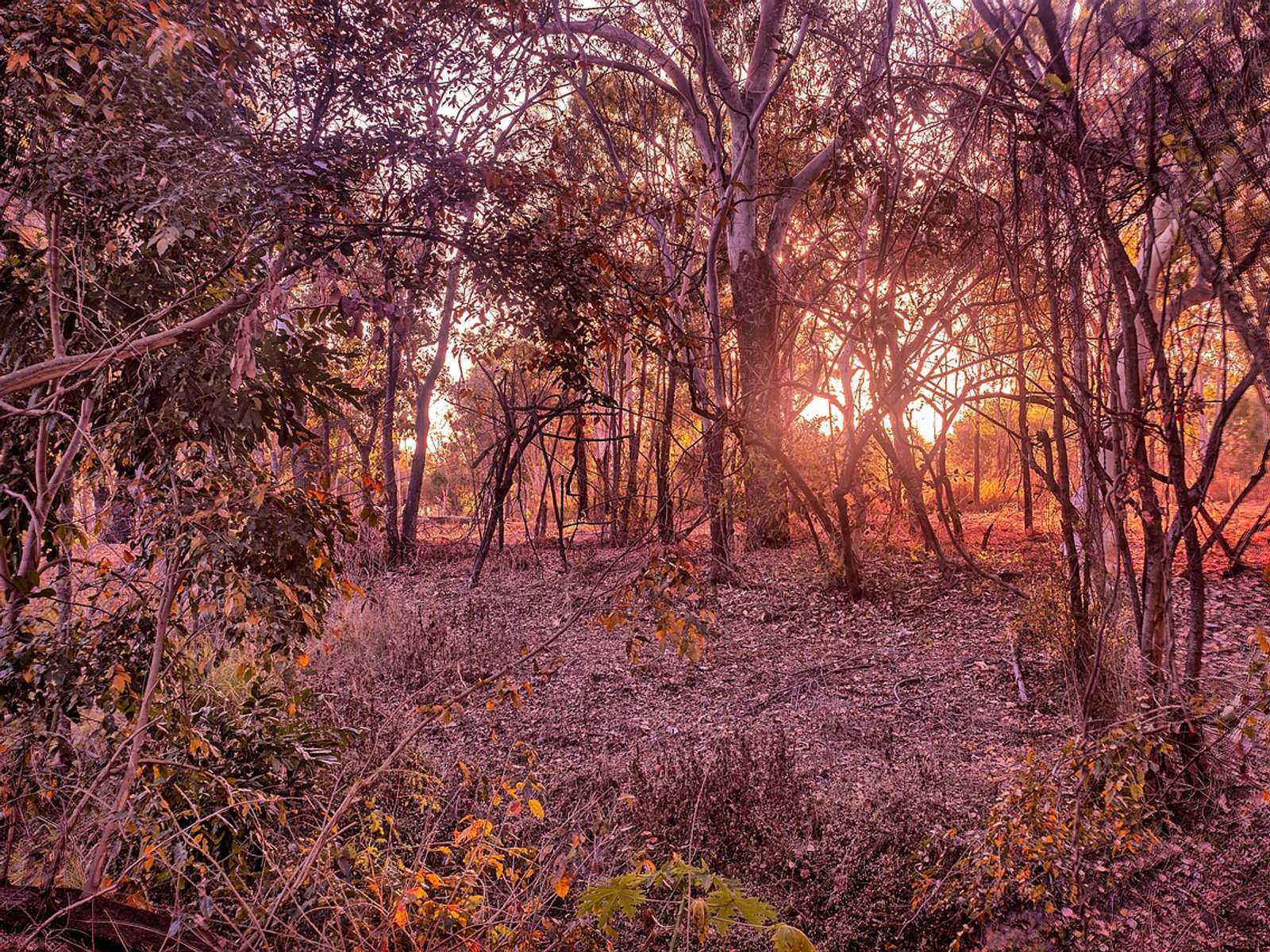
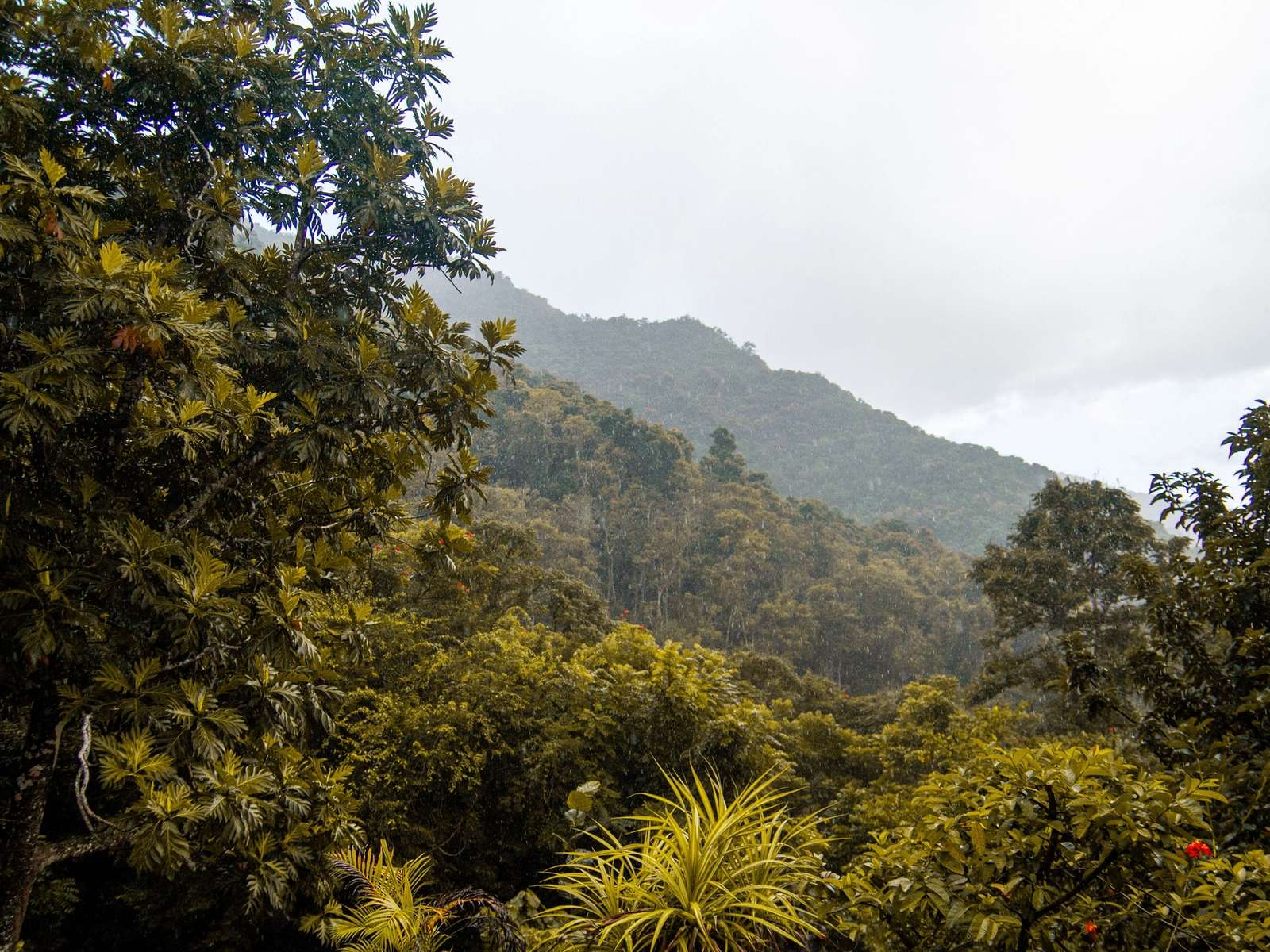
The land belongs to the Sol Naciente community in the municipality of Mesetas and the Nuevo Milenio community in Uribe, 81 families in total. It lies about 1,000 meters above sea level on the edge of protected rainforest and is home to rare and endangered species. Work has begun in Sol Naciente.
Mine-free land can become an official Indigenous reserve
Clearing the mines is the first step in a longer legal process. Once the land is declared free of explosives, the Colombian government can designate both areas as Indigenous reserves, which gives the communities more control over how the forest is used and conserved. Rainforest Trust and the Amazon Conservation Team (ACT) lead that conservation and legal work, while HALO handles the clearance.
After the explosives are gone, HALO and ACT will give the Indigenous Guard, the communities' own patrol, environmental monitoring equipment and motorbikes. The guard will watch for illegal logging, one of the extractive activities the release names as a threat to the area. Rainforest Trust calls this its first partnership of this kind.
“Clearing landmines means that these communities can safely access and protect their ancestral lands.” — Oliver Ford, HALO Colombia Programme Manager
Colombia still records more than 100 mine casualties a year
Decades of armed conflict left Colombia with one of the worst landmine problems in the world. Nearly 12,700 people have been killed or injured by landmines or unexploded ordnance in the country since 1990, the second-highest rate after Afghanistan, according to HALO's country page. The charity has worked in Colombia since 2013 and says its survey teams have recorded 1,433 villages as free of explosive contamination.
Annual casualties fell sharply after the 2016 peace agreement with the FARC-EP guerrillas, but they have not stopped. The Landmine Monitor recorded 109 casualties from mines and explosive remnants of war in Colombia in 2024, including four deaths. Most victims were civilians, and the Monitor attributes all of the 2024 casualties to improvised mines.
James Deutsch, chief executive of Rainforest Trust, said that "conservation starts with people being able to safely live on, care for and defend their land." Removing the mines, he added, should create "the conditions for nearly 45,000 acres of critical rainforest habitat to be protected for the long term."
What the project has and has not done yet
The figures in the release are targets. No area has yet been declared mine-free, and the Indigenous reserve status depends on a later government decision. The release does not say how many mines are suspected in the two territories or when the first section is expected to be finished.
Rainforest Trust also backed a new 715,000-acre wildlife reserve in Bolivia for jaguars, river dolphins and giant otters. ACT, founded in the mid-1990s, says it has helped create or expand 72 Indigenous reserves covering more than 7.2 million acres.
HALO, founded in Afghanistan in 1988, works in more than 30 countries and hires about 95% of its roughly 9,000 staff locally. The Colombia project is scheduled to run for three years.
Sources
- Rainforest Trust and The HALO Trust · rainforesttrust.org
- halotrust.org
- the-monitor.org
How we choose and verify sources: editorial policy.
Like what you're reading?
Related stories
A $9 million Indigenous-led project is protecting 6 million hectares across Brazil
Ywy Ipuranguete, a $9 million project funded by the Global Biodiversity Framework Fund, supports Indigenous communities in managing 15 Indigenous lands covering about 6 million hectares across five Brazilian biomes.
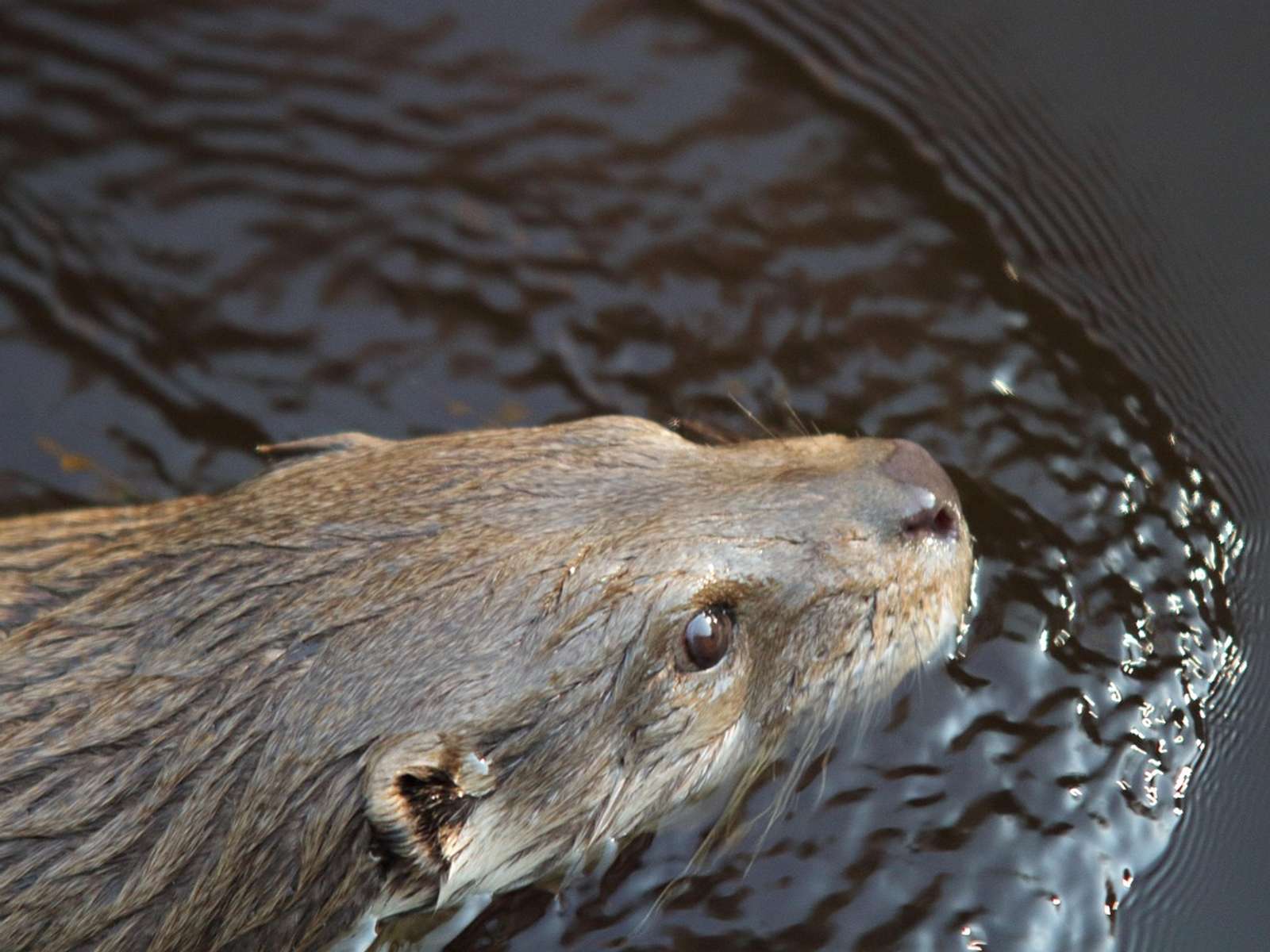
New Bolivian reserve protects 715,000 acres for jaguars, river dolphins and giant otters
The new Agua Dulce Municipal Wildlife Reserve in Baures, Bolivia, protects nearly 715,000 acres of habitat for jaguars, Amazon river dolphins, giant otters and hundreds of bird species.
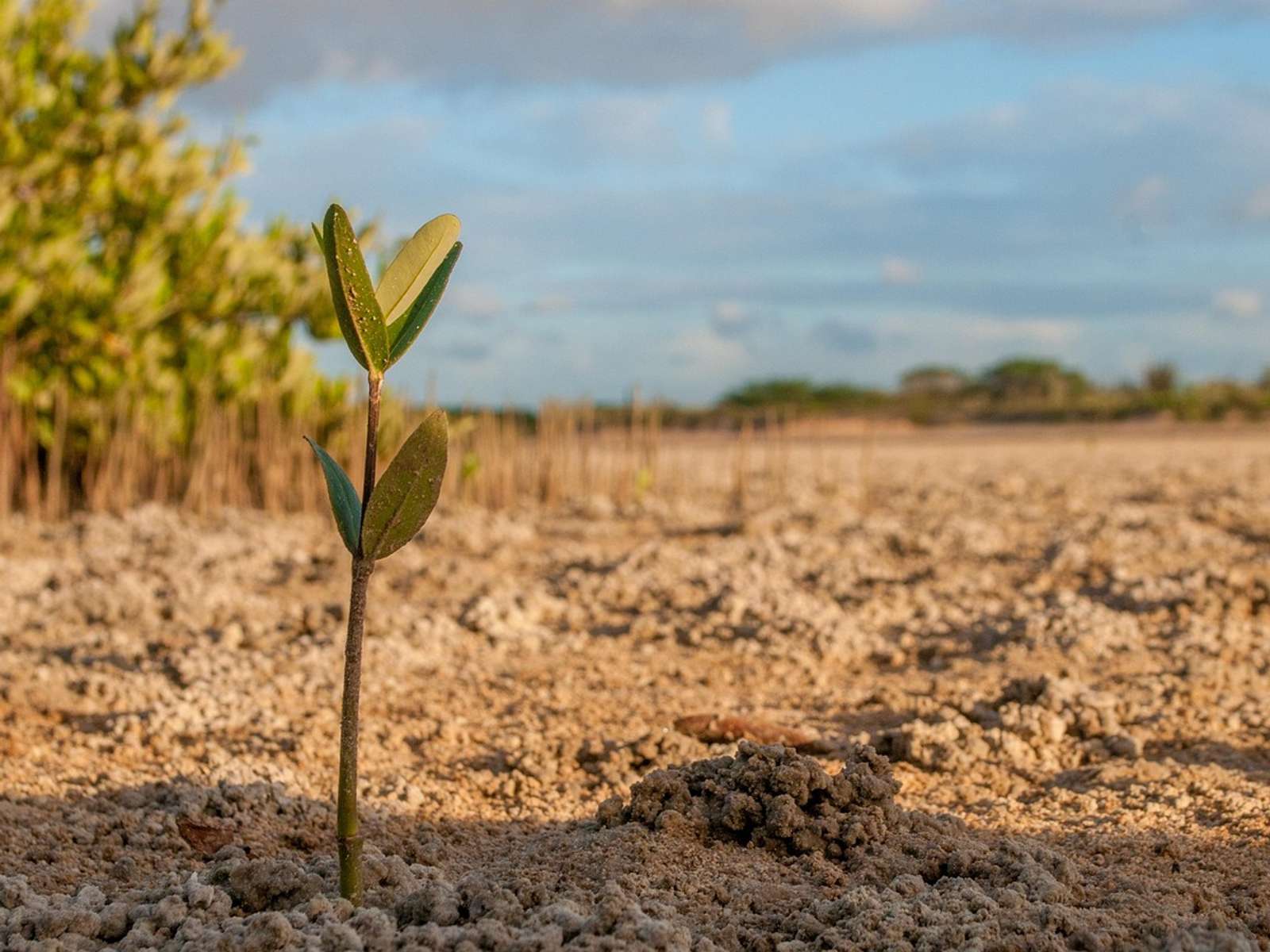
Young Kenyans have replanted more than 15 hectares of mangroves on the Kwale coast
A youth-led network and local fishers have restored more than 15 hectares of degraded mangroves at Nyumba Sita in Kenya's Kwale County. They now aim for 200 hectares by 2030.