Forgotten 30-Year Experiment Finds Thinned Mountain Ash Forests Grew Bigger Trees
A long-neglected forestry trial in Victoria, Australia, found that heavily thinned mountain ash stands grew trees 20% wider than untouched forest and, within 30 years, stored as much or more carbon in their wood.
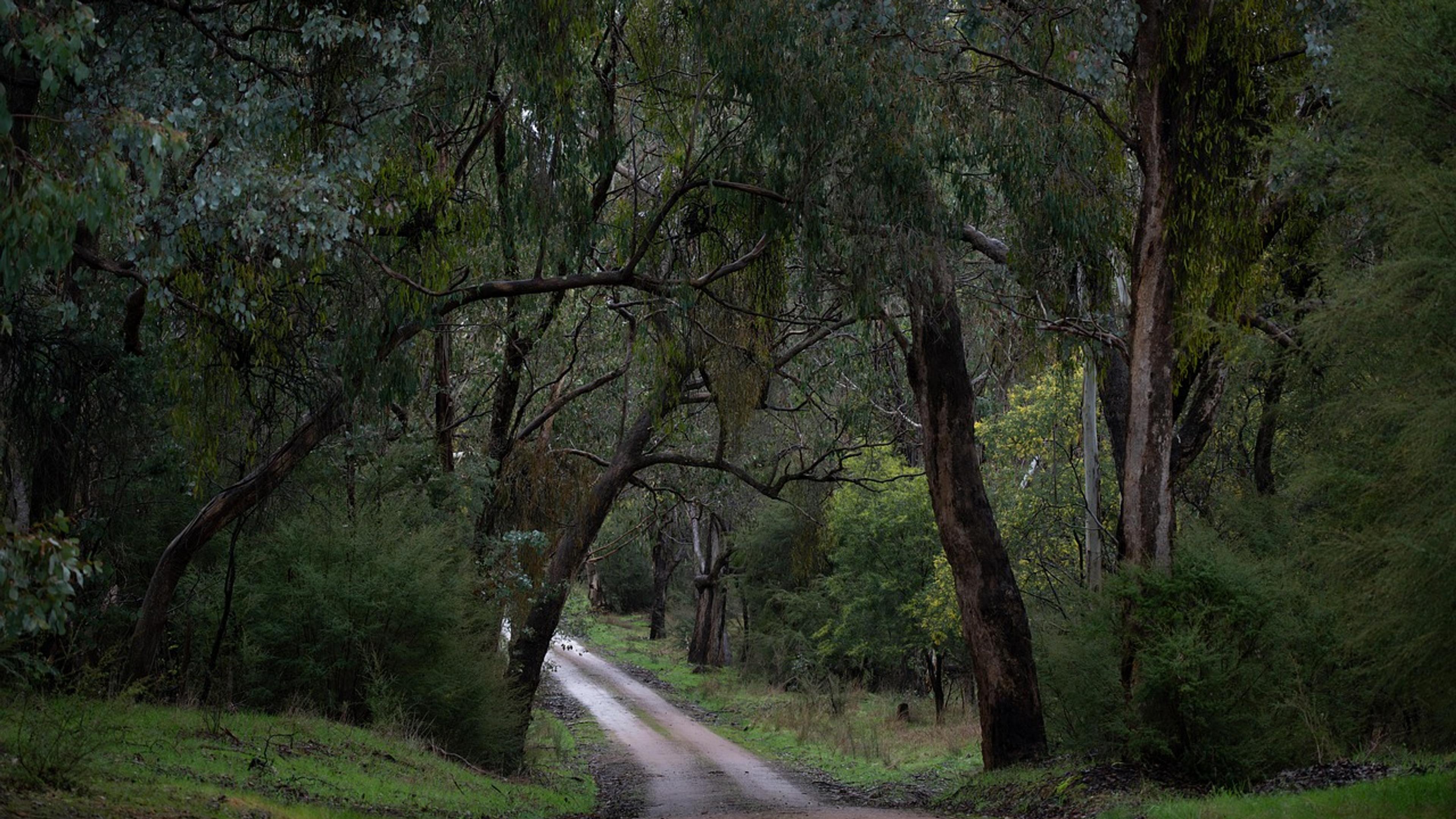
Heavily thinned stands of mountain ash in Victoria, Australia, grew trees 20% wider than nearby unharvested forest and, within about 30 years, stored as much or more carbon in their wood, according to University of Melbourne researchers writing in The Conversation.
The trial was set up in the 1980s, then forgotten
In the mid-1980s, Victoria’s government invested the equivalent of A$26 million today to test alternatives to clearfelling, in which every tree in a block is cut. The Silvicultural Systems Project was established between 1987 and 1989 at Tanjil Bren in the Central Highlands and Cabbage Tree Creek in East Gippsland.
It compared large clearfells, small patch clearfells, heavy thinning that removed 50% to 70% of trees, and unharvested control areas. At Tanjil Bren, the forest was dense regrowth from the 1939 bushfires. Early results showed mountain ash regenerated best on clearfelled sites. After that, the researchers wrote, the access road grew over and the experiment was forgotten.
Thinned stands regained their carbon within 30 years
In 2014, the team brought students to Tanjil Bren. The trees left after thinning were only about 80 years old, but the largest averaged more than a meter in diameter at chest height, and some exceeded 1.5 meters. With more space and resources, they had grown 20% wider than the largest trees in the controls.
The thinned stands had also recovered all the carbon removed during harvesting and, on top of that, added as much new carbon as the unharvested controls did over the same period. The full results are published in a peer-reviewed study.
Leadbeater’s possums turned up in every treated plot
Bigger trees are more likely to survive fires and to form hollows used by rare species such as the greater glider and Leadbeater’s possum, the researchers note. Camera traps found Leadbeater’s possums in every silvicultural treatment plot surveyed but in none of the unharvested areas. The acacia that regrew after harvesting gives the possums food and routes through the forest.
The authors, Kaitlyn Hammond, Craig Nitschke, Patrick Baker and Raphael Trouve, say thinning “cannot (and should not) be done everywhere,” but could add variety in tree ages and sizes, especially in forests hit by clearfelling or severe fire. The results come from one forest type, mostly at a single site. Victoria ended commercial native forest logging on January 1, 2024.
Like what you're reading?
Related stories
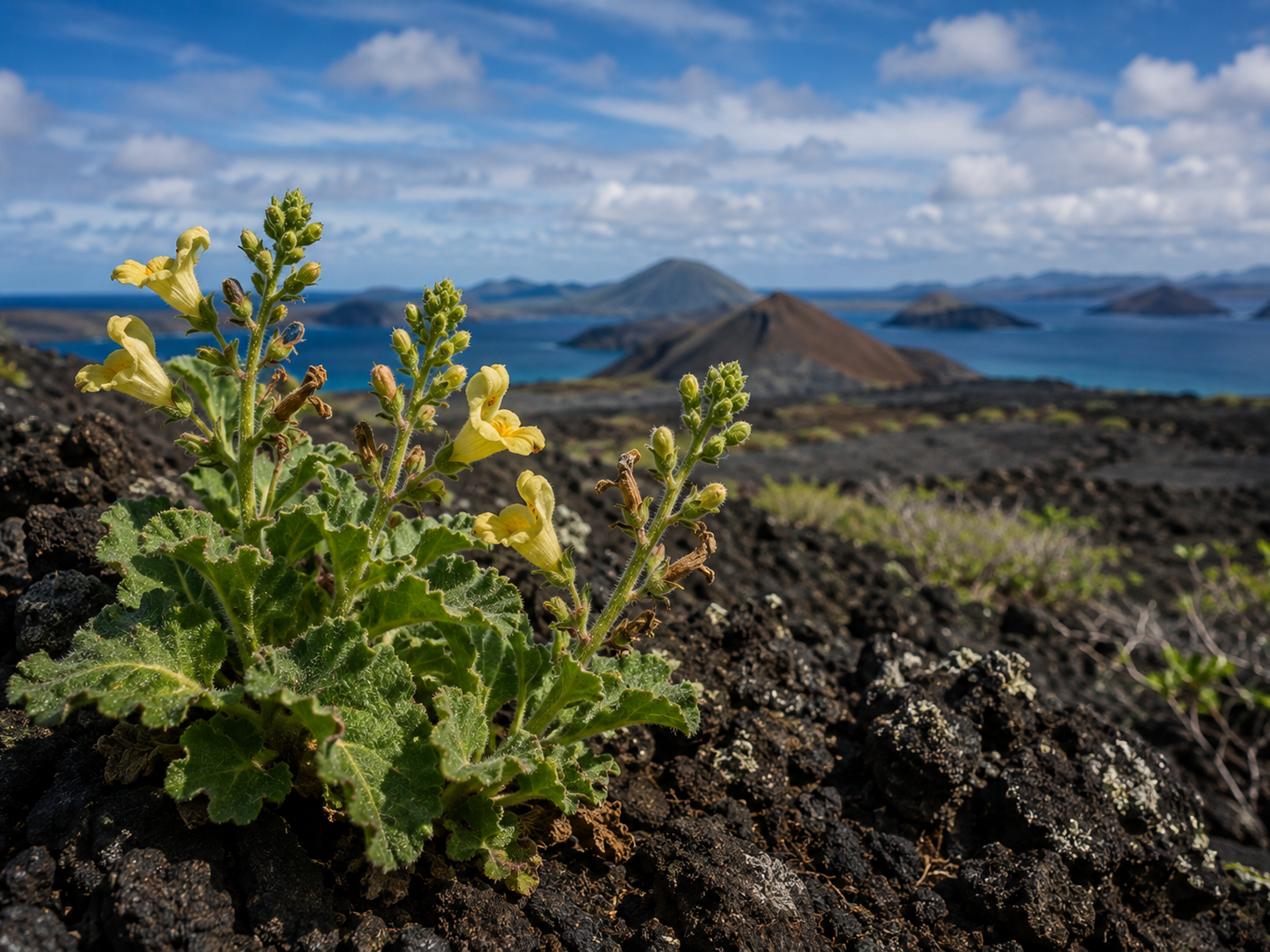
Galápagos Plant Recovers From Just Six Survivors After Decades-Long Rescue Effort
A critically endangered Galápagos plant has made a remarkable comeback, growing from just six known survivors into a recovering wild population after decades of dedicated conservation work.
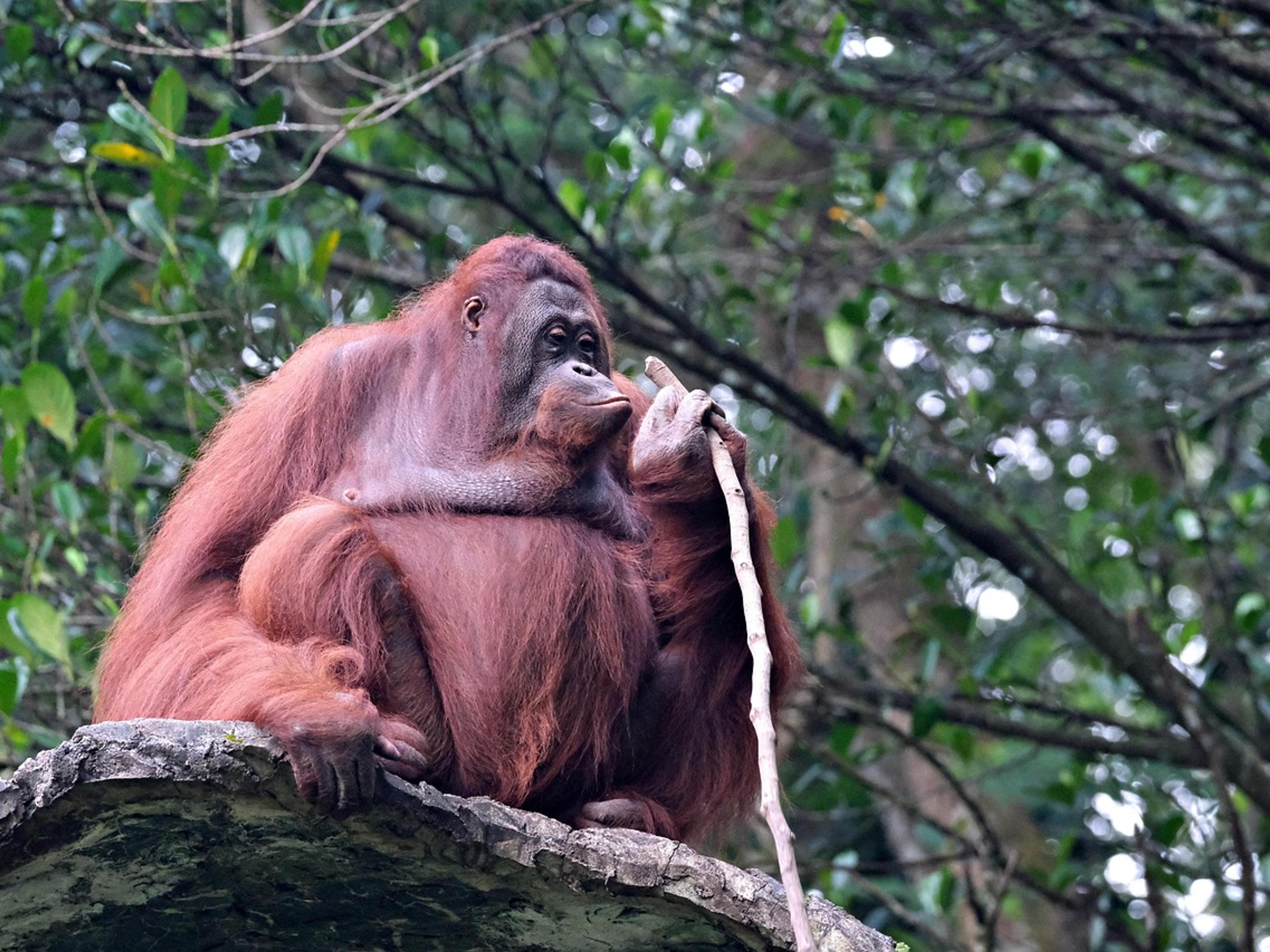
Villagers in Borneo Now Earn More From Wildlife Photos Than From Hunting
A program called KehatiKu pays villagers in Indonesian Borneo for verified wildlife photos and sightings, turning more than 800 former hunters into citizen conservationists tracking orangutans and other endangered species.

Three Wind Turbines on Ross Island Cut About 122,000 Gallons of Diesel a Year at Two Antarctic Bases
The three-turbine wind farm powering McMurdo Station and Scott Base has cut the bases' fuel use by roughly 463,000 liters, about 122,000 gallons, a year since 2009, and larger turbines with batteries are due by 2030.