Amazon deforestation in Brazil fell 42% to the lowest level since records began in 1988
Satellite monitoring by Brazil's space institute INPE recorded 3,335 square kilometers of Amazon deforestation from August 2025 to July 2026, down 41.8% in a year and the lowest since 1988. Clearing in the Cerrado also hit a record low.
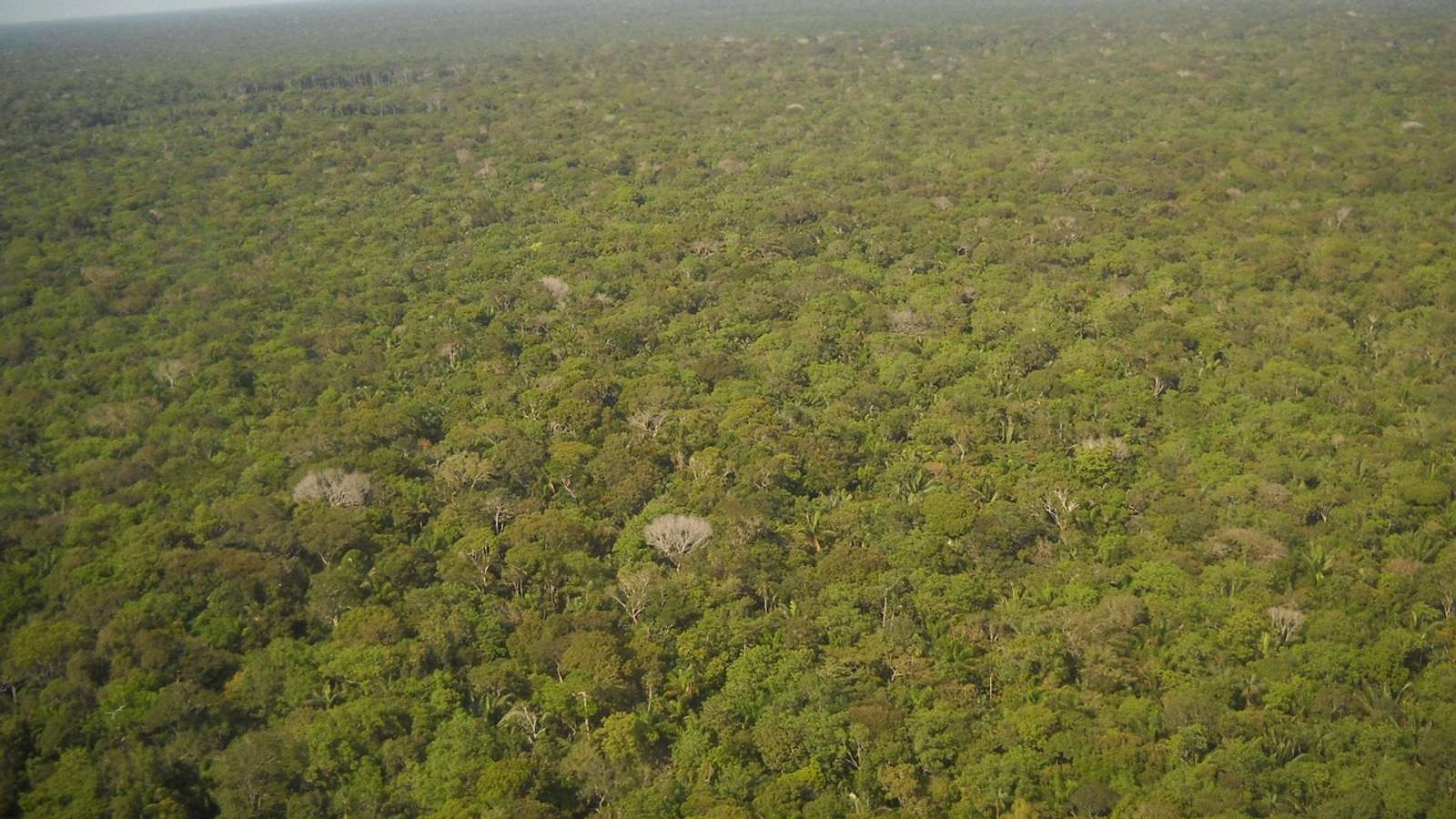
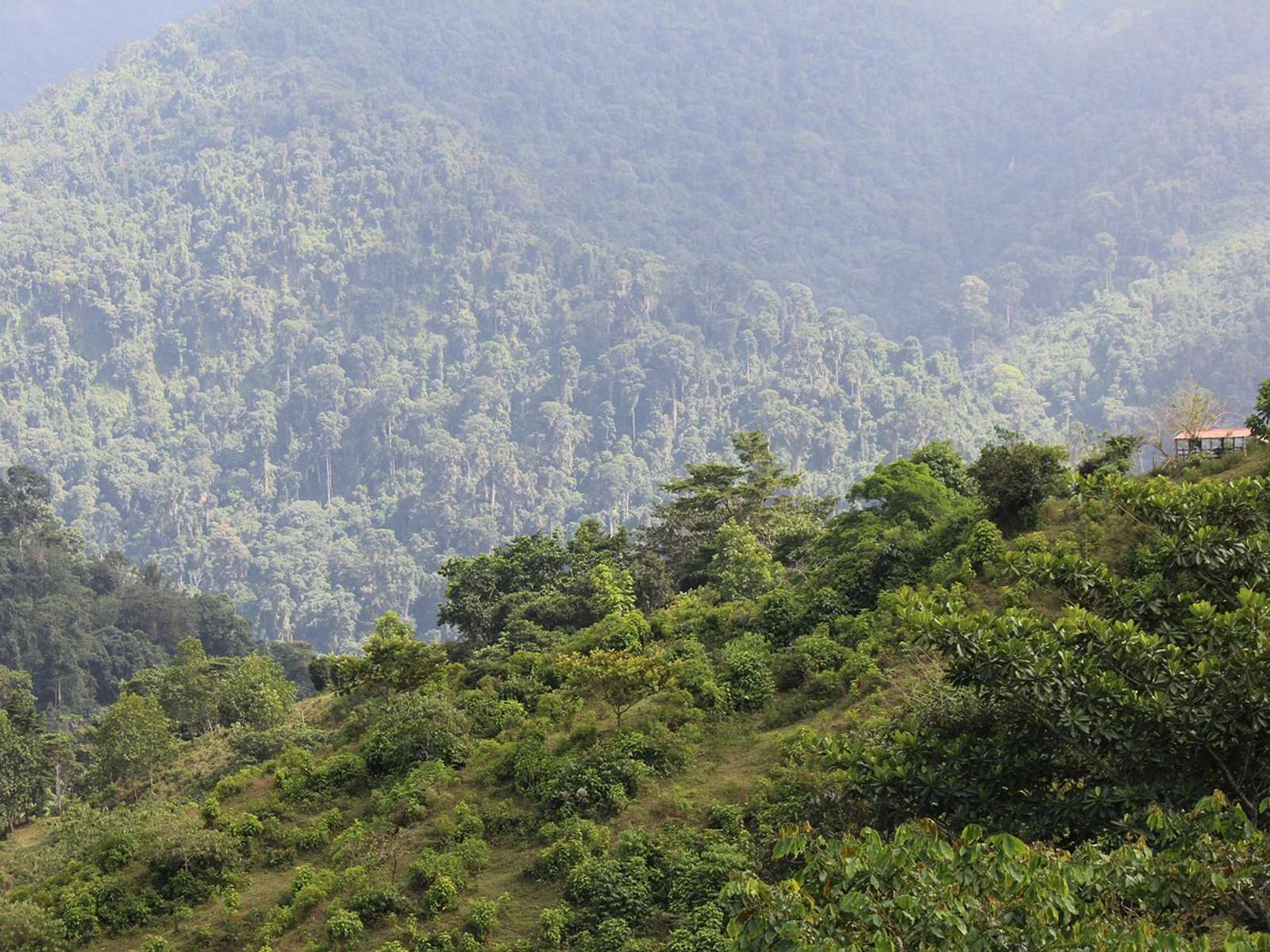
Deforestation in Brazil's Amazon fell to 3,335 square kilometers between August 2025 and July 2026, down 41.8% from 5,731 square kilometers a year earlier and the lowest figure since records began in 1988, Brazil's National Institute for Space Research (INPE) reported on 16 October. The data come from PRODES, the satellite program that produces Brazil's official annual deforestation rate.
The previous record low was 4,571 square kilometers, set in 2012. This year's figure beats it by more than 1,200 square kilometers.
The three biggest states cut clearing by almost half
The largest areas were still cleared in Pará (1,130 square kilometers), Mato Grosso (849) and Amazonas (525), but all three fell by 45% to 47% compared with the year before. Rondônia dropped 35% and Acre 22%. Roraima was the only Amazon state that did not improve, staying almost flat at 286 square kilometers.
The Cerrado, the vast savanna south and east of the Amazon, also hit its lowest level since monitoring there began in 2001. Clearing fell 23.8% to about 5,517 square kilometers. Three quarters of it happened in the agricultural frontier known as Matopiba (Maranhão, Tocantins, Piauí and Bahia), where Piauí more than halved its losses.
Fines, embargoes and new protected areas
The government credits a federal strategy relaunched in 2023 that combines satellite monitoring, enforcement, land-use planning and support for sustainable farming. Between 2023 and 2026, the environmental agency Ibama carried out 76,095 enforcement actions, issued R$11.8 billion in fines for illegal clearing and embargoed 18,630 square kilometers of land, according to INPE's release. Since January 2023, 18 new federal conservation units and 20 Indigenous territories have been created or recognized.
Brazil has pledged to end illegal deforestation by 2030, Mongabay reported in August, when the faster DETER alert system showed alerts at their lowest level since 2013.
Protecting what remains standing also matters for wildlife: in Mato Grosso, canopy bridges in the town of Alta Floresta recorded nearly 15,000 animal crossings.
Clearing is down, but degradation is a separate problem
PRODES measures clear-cutting, not all forest damage. The Amazon remains vulnerable to logging, drought, degradation and fire, and fire damage can grow even while the area that is completely cleared shrinks, Mongabay noted. INPE's next annual PRODES figure, for August 2026 to July 2027, will show whether the decline holds.
Sources
How we choose and verify sources: editorial policy.