Southern right whales take two very different routes and still arrive for dinner on time
Satellite tracking of 21 southern right whales from New Zealand's Auckland Islands showed half swam straight west to feed south of Australia, while the rest took a month-longer L-shaped route. Both groups arrived at about the same time.
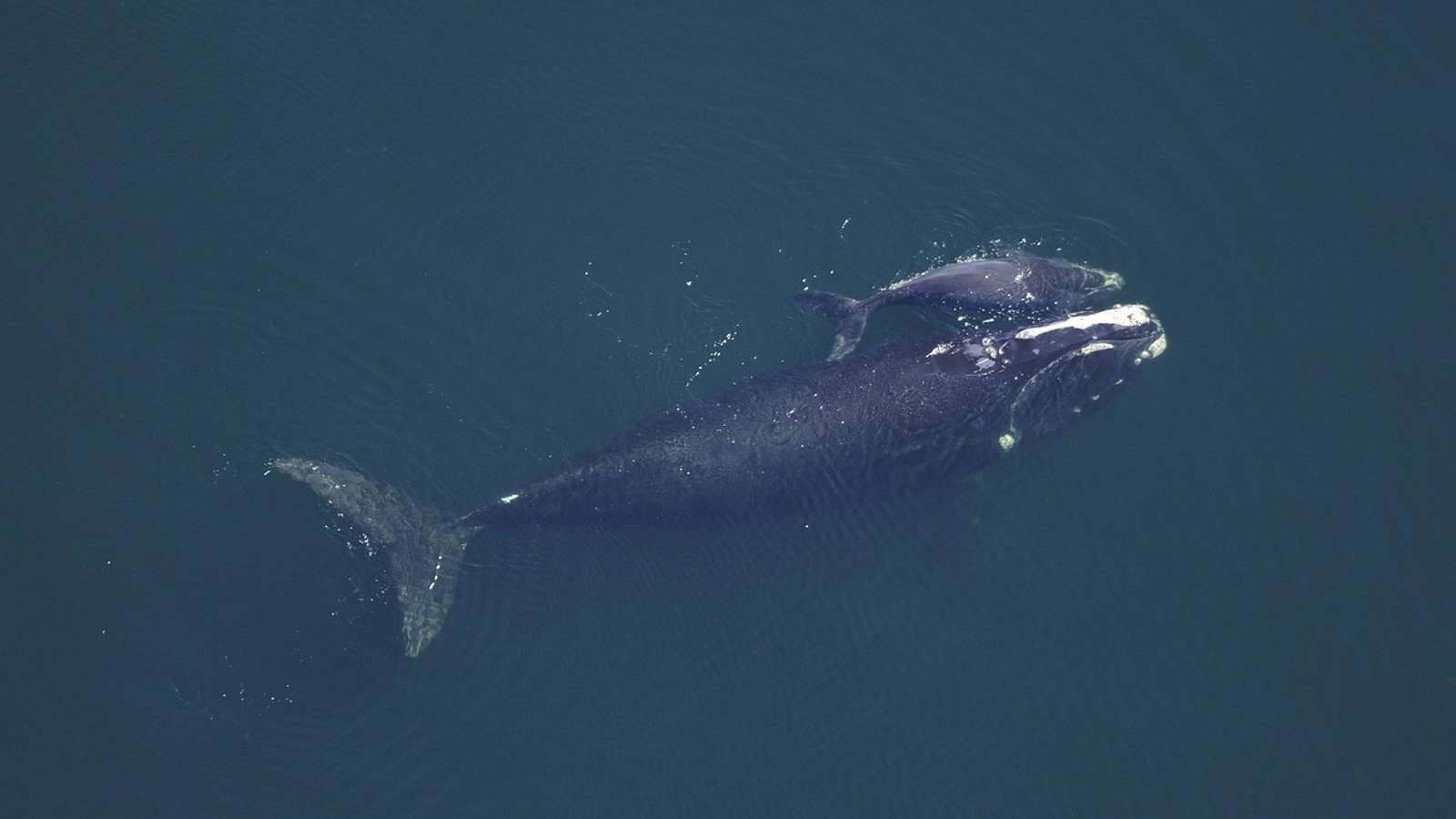
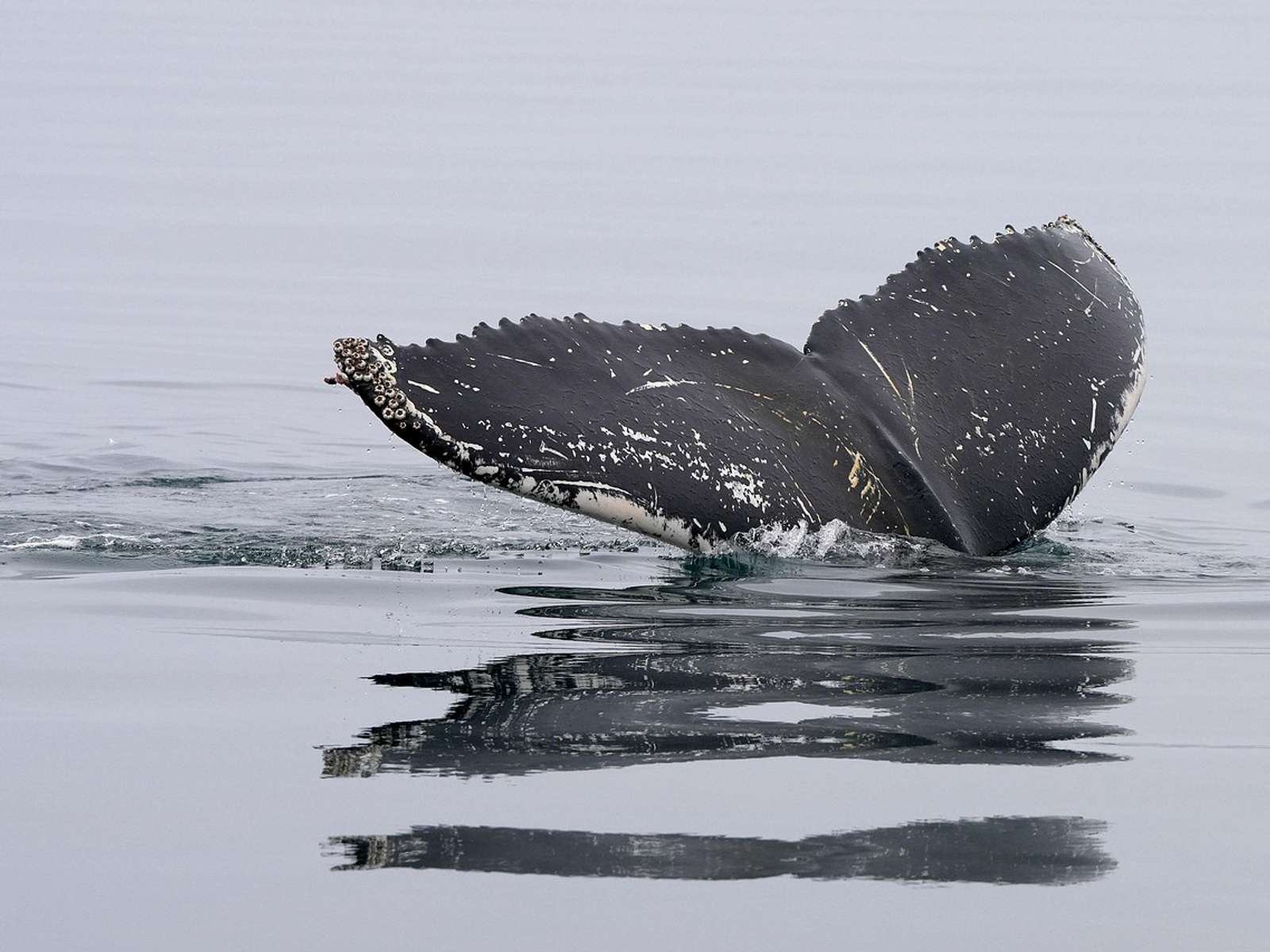
Southern right whales leaving New Zealand's subantarctic Auckland Islands split into two very different routes on their way to feeding grounds south of Australia, yet both groups arrived at about the same time, the University of Auckland said on 14 October. The team tracked 21 of the whales, known in Māori as tohorā, by satellite. The study was published in Proceedings of the Royal Society B.
A 42-day sprint or a 64-day detour
About half the whales swam directly west. The rest headed much farther south before turning north again, tracing a giant L across the Southern Ocean. The long route took 64 days on average and the short one 42 days. Whales on the long route left about a month earlier and travelled more slowly; the late starters took the shortcut and moved a little faster.
“Findings suggest whales may be balancing different priorities, much as people do on a road trip,” said lead author Leena Riekkola, with some conserving energy and others making up for lost time. Individual whales also switched strategies between years: a female might delay leaving so her calf can grow, take the shorter route, and then take the longer route the next year when travelling alone.
Currents, seafloor and magnetism as signposts
The whales' movements lined up with major ocean currents, features on the seafloor and small variations in Earth's magnetic field. Rather than following a single cue, they appear to combine several to cross thousands of kilometers of open ocean.
“A population that can adapt its behaviour has a better chance of coping with changing seas.” — Associate Professor Emma Carroll, University of Auckland
That flexibility matters for a population still recovering from whaling. Southern right whales dropped to as few as 400 animals worldwide early last century and now number around 15,000, the university reported in 2025, when the same team found that 90% of 25 tracked tohorā headed to a single feeding zone about 500 kilometers south of Australia, near the Subtropical Front.
Genetic and tracking studies keep turning up surprises about whale populations. A recent DNA study suggested Arabian Sea humpback whales are a fourth subspecies.
The feeding zone lies in the high seas
The feeding grounds are outside any country's waters. In 2025 Carroll said the zone should become a marine protected area under the High Seas Treaty, which allows nations to propose areas where fishing and other activities are limited. The new paper shows the whales reach it by more than one path. The researchers have not yet said whether a formal proposal has been made.
Sources
- University of Auckland · auckland.ac.nz
- royalsocietypublishing.org
- auckland.ac.nz
How we choose and verify sources: editorial policy.
Your weekly dose of good news
The 5 biggest positive stories of the week, straight to your inbox. Free, no noise.
Like what you're reading?