Most frogs at a Brazilian forest station recovered after a 1980s fungal die-off, study finds
Museum specimens show the chytrid fungus arrived at Brazil's Boracéia station just as frogs vanished in 1979-1982. Today most species there appear to have recovered, Smithsonian and Penn State researchers report, though five have not been found.
By Diego Callegari, Editor
· 2 min read
Source: Smithsonian's National Zoo and Conservation Biology Institute ↗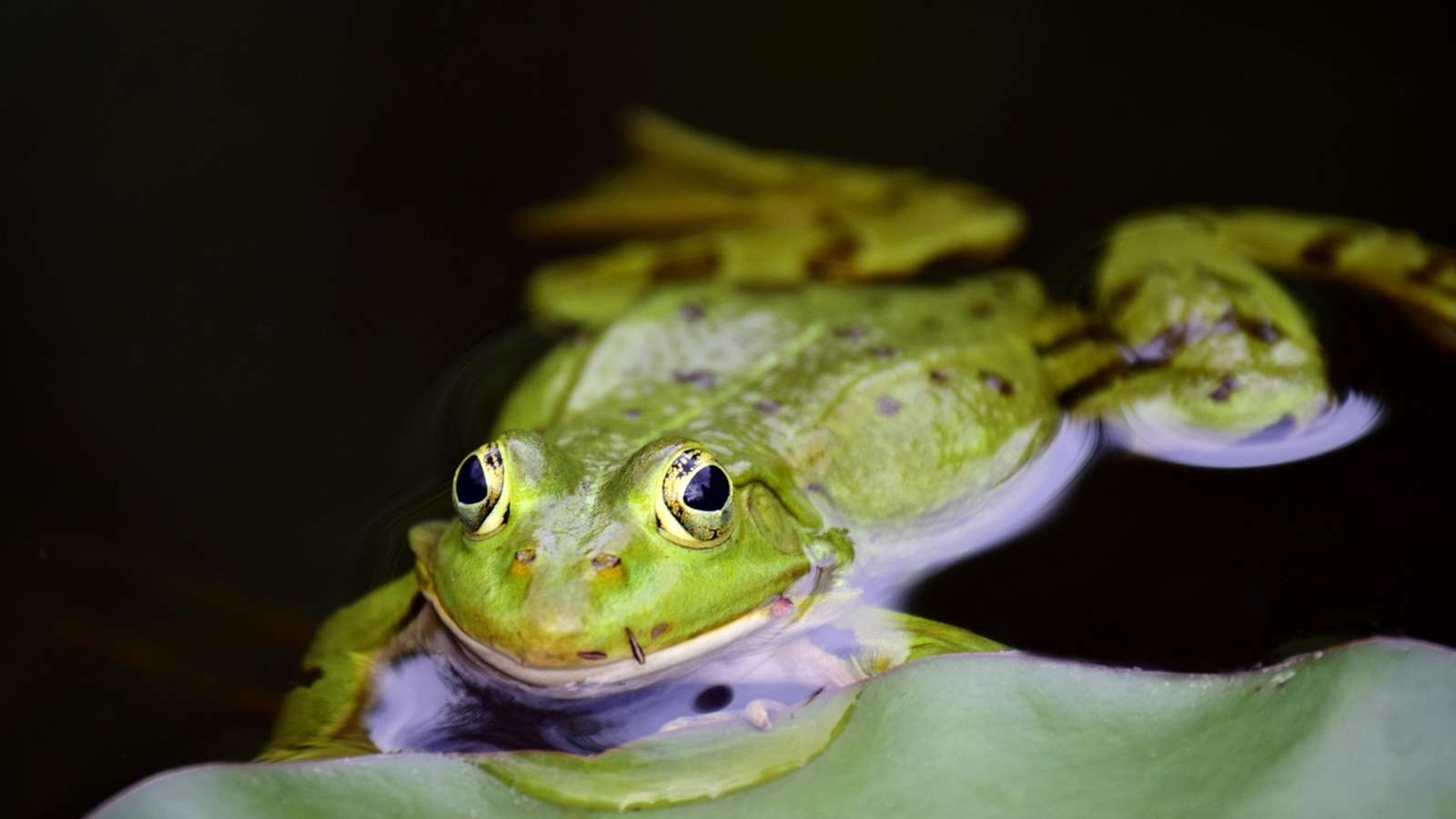
Frogs that vanished from the Boracéia Biological Station in Brazil's Atlantic Forest between 1979 and 1982 were most likely killed by the chytrid fungus, and most of the station's amphibian species appear to have recovered since, the Smithsonian's National Zoo and Conservation Biology Institute said on 14 October. The study, with Pennsylvania State University, was published in Molecular Ecology.
The die-offs had been one of the oldest open questions in amphibian research. Some scientists had blamed climate change or extreme weather.
“After almost 50 years, we still aren't confident what caused many historical amphibian die-offs.” — Jack Boyette, NZCBI graduate fellow and Penn State doctoral candidate, who led the study
Frogs collected before and after the crash
The answer came from a museum cabinet. William Ronald Heyer, a former curator at the Smithsonian's National Museum of Natural History, collected frogs at Boracéia on five field trips: two in the 1970s, before the die-offs, and three in the 1980s, after them. The team sampled more than 370 of those specimens from 17 species and tested them for the fungus, Batrachochytrium dendrobatidis.
None of the specimens collected before 1979 showed signs of infection. More than half of those from the 1980s tested positive. Oddly, the species that crashed hardest had no detectable infections, while species that never declined were heavily infected. The researchers think the most vulnerable frogs died before they could be collected, while tolerant species carried the fungus without dying.
Twelve of 17 species still found today
Between 2022 and 2024 the team went back to Boracéia six times with researchers from the University of São Paulo. Most species appear to have recovered since the early 1980s. The fungus still infects frogs there, but infection patterns suggest that species which once declined have since become tolerant of it, which would explain how they persisted.
The recovery is not complete. Only 12 of the 17 species in Heyer's collection were found at the site, and the absence of the other five raises concern that they have been lost locally. The researchers also say the results apply to Boracéia only and cannot be extended to the whole Atlantic Forest.
Globally the picture is grimmer. Chytrid has contributed to the decline of at least 501 amphibian species, including 90 extinctions, over the past 50 years, according to a 2019 study in Science described by the Smithsonian. That makes Boracéia's recovery one of the more hopeful results among other species recovery stories.
Next: the genes behind tolerance
The team is now using DNA from the museum specimens to look for the genetic mechanisms behind the frogs' responses to the fungus, and other projects plan to fill gaps in the historical record with ancient environmental DNA. The work could help predict the impact of a related fungus, B. salamandrivorans, which threatens salamanders in Europe and could pose a serious risk to salamanders in North America.
Sources
- Smithsonian's National Zoo and Conservation Biology Institute · nationalzoo.si.edu
- nationalzoo.si.edu
How we choose and verify sources: editorial policy.
Your weekly dose of good news
The 5 biggest positive stories of the week, straight to your inbox. Free, no noise.
Like what you're reading?