A 13-year-old went back to school in Iraq, and his two sisters followed him
Suhaib, 13, returned to school in Ramadi through Iraq's Back-to-Learning campaign, and his sisters Malak, 14, and Tiba, 18, followed. The campaign helped 92,843 children back into learning in 2025, UNICEF said.
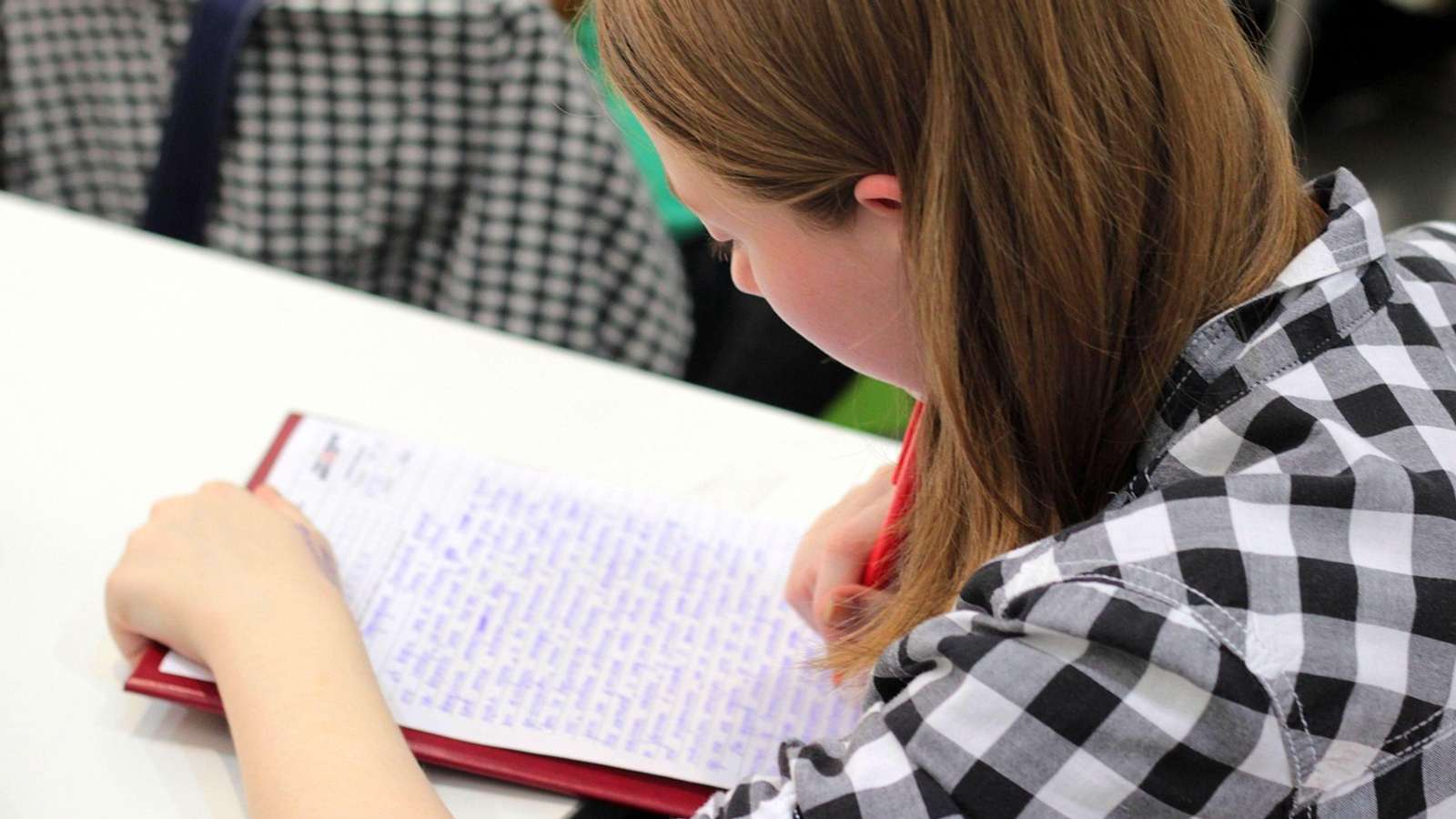
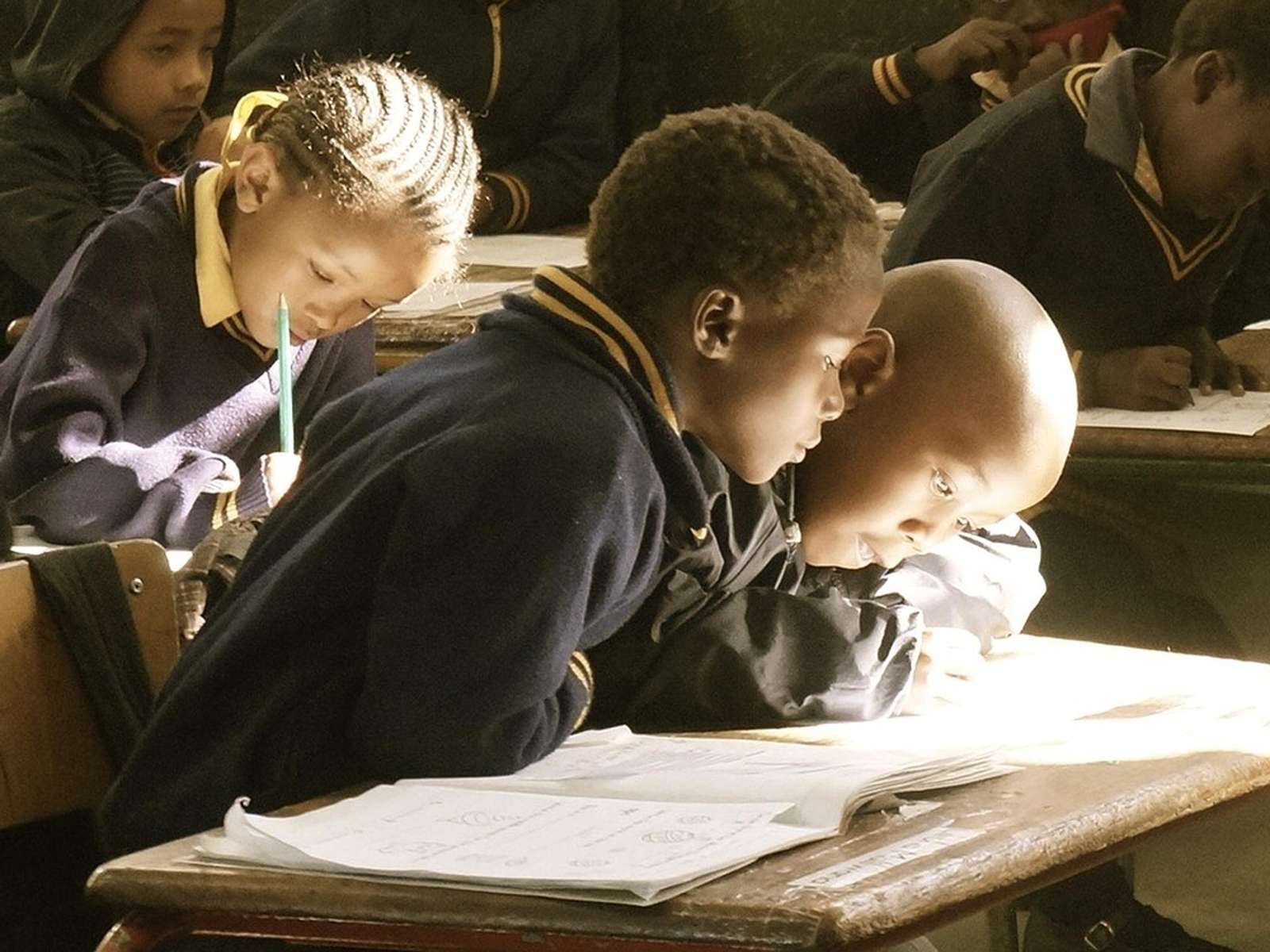
Suhaib Jihad Khalaf Shatran, 13, is back in a classroom at Salah al-Din School in Ramadi, in Iraq's Anbar Governorate, and his return has brought his two sisters back to education too, UNICEF Iraq said on 15 October. All three returned through Back-to-Learning, a national campaign run by the Ministry of Education with UNICEF support.
“It feels great to be back in school. I have new friends now, and I can start a new life,” Suhaib told UNICEF. He wants to become a doctor.
One brother, a lawyer-to-be and a future surgeon
Suhaib's example persuaded his 14-year-old sister, Malak, to return to school. “My dream is to become a lawyer,” she said. Their older sister, Tiba, 18, has also gone back to education. She wants to become a surgeon and serve her community.
“Everyone who dropped out of school should return. There is nothing better than studying.” — Tiba Jihad Khalaf Shatran, 18
Their mother keeps them there. She talks to Suhaib's principal about his attendance and helps him with his homework, she told UNICEF. The family, from Albu Assaf in the Al-Jazeera area of Anbar, appeared at the national launch of the 2026 campaign in Baghdad.
About 238,000 children found out of school in a single year
Back-to-Learning tracks down children who are out of school, finds out what keeps them away and helps them return. Some have never enrolled. Others left because their families could not pay for transport or school materials, because they had to work, or because displacement interrupted their schooling again and again.
The campaign has grown fast. UNICEF began supporting it in Nineveh and Kirkuk, and by January 2022 it had identified 50,000 children and adolescents and helped more than 14,000 enroll or re-enroll, the agency reported at the time. After adding Maysan in 2023, it went national in 2024 and found more than 260,000 out-of-school children that year, helping more than 100,000 back to learning.
In 2025 it found about 238,000 children and helped 92,843 enroll in school, join other learning programs or sit exams outside the regular school system. That is roughly four in 10 of the children it found, which also means most of them were still not back in a classroom by the end of the year.
Children who missed years of school face the same uphill climb elsewhere. In Uganda, a teenage mother named Amina returned to class with the goal of becoming a nurse.
Catch-up classes decide whether children stay
Getting children through the school gate is only the first step. In areas where displaced families have returned, including Anbar, Salah al-Din and Nineveh, UNICEF also supports teacher training, psychosocial support, and remedial and catch-up classes, so that children who missed years of lessons can keep up once they are back. The European Union, ECHO, Germany's KfW and the Netherlands fund UNICEF's education work in Iraq.
“Every child who steps back into a classroom carries a dream and gives us all a reason to hope,” said Laetitia Bazzi-Veil, UNICEF's deputy representative for programs in Iraq. UNICEF has not yet published a target for the 2026 campaign or said how many of the children who returned in 2024 were still in school a year later.
Sources
- UNICEF Iraq · unicef.org
- unicef.org
How we choose and verify sources: editorial policy.
Your weekly dose of good news
The 5 biggest positive stories of the week, straight to your inbox. Free, no noise.
Like what you're reading?