
In Mwinilunga, Zambia, girls who became pregnant are back at school under the country's re-entry policy, with support from a UNICEF and EU program. One wants to join the police, another to study physiotherapy.
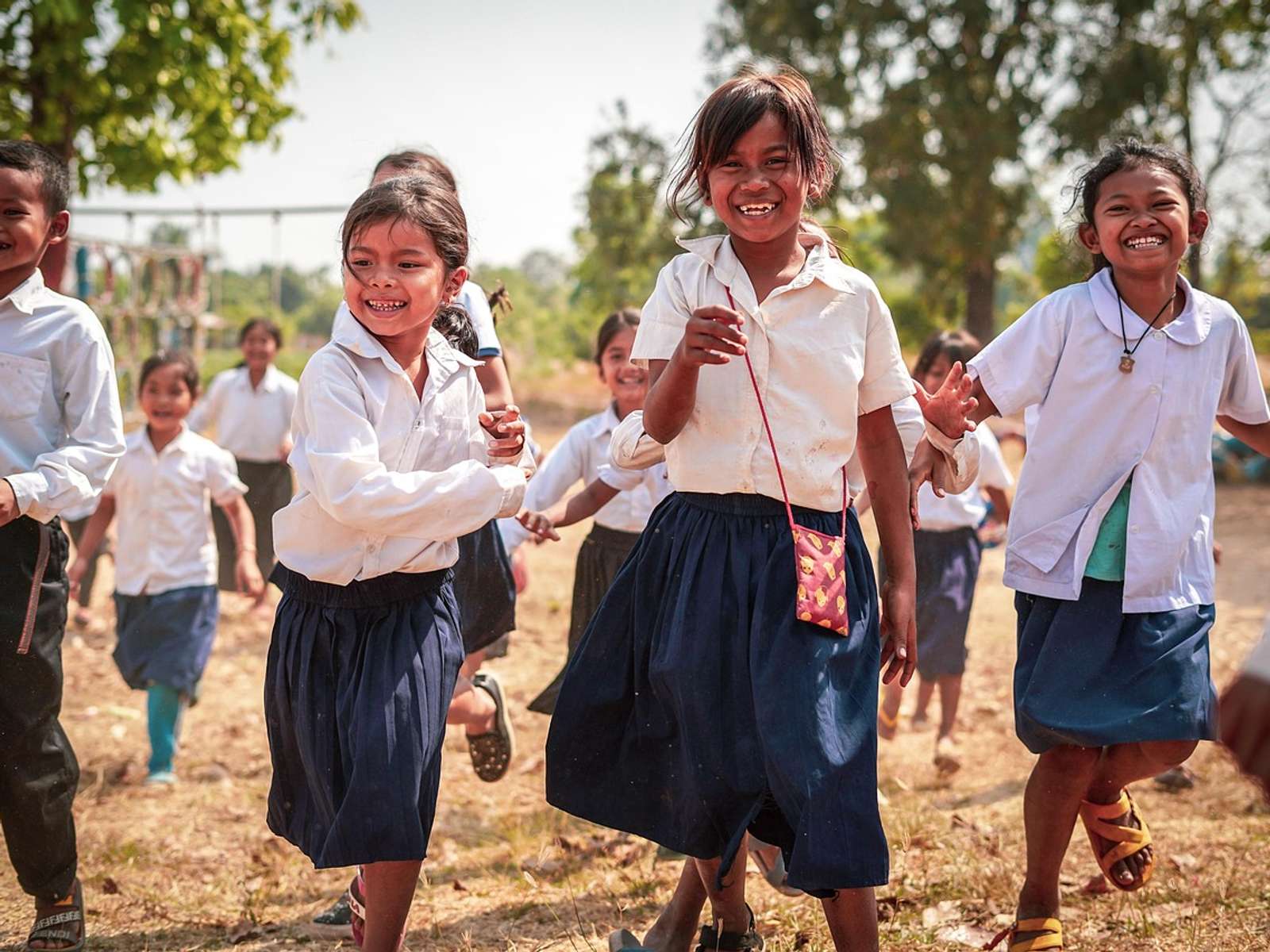
In Prey Veng, five 16-year-old volunteers have taught about 1,300 primary schoolchildren about healthy food and persuaded snack vendors to drop banned products, through a UNICEF-backed youth program that has reached 50,000 students.
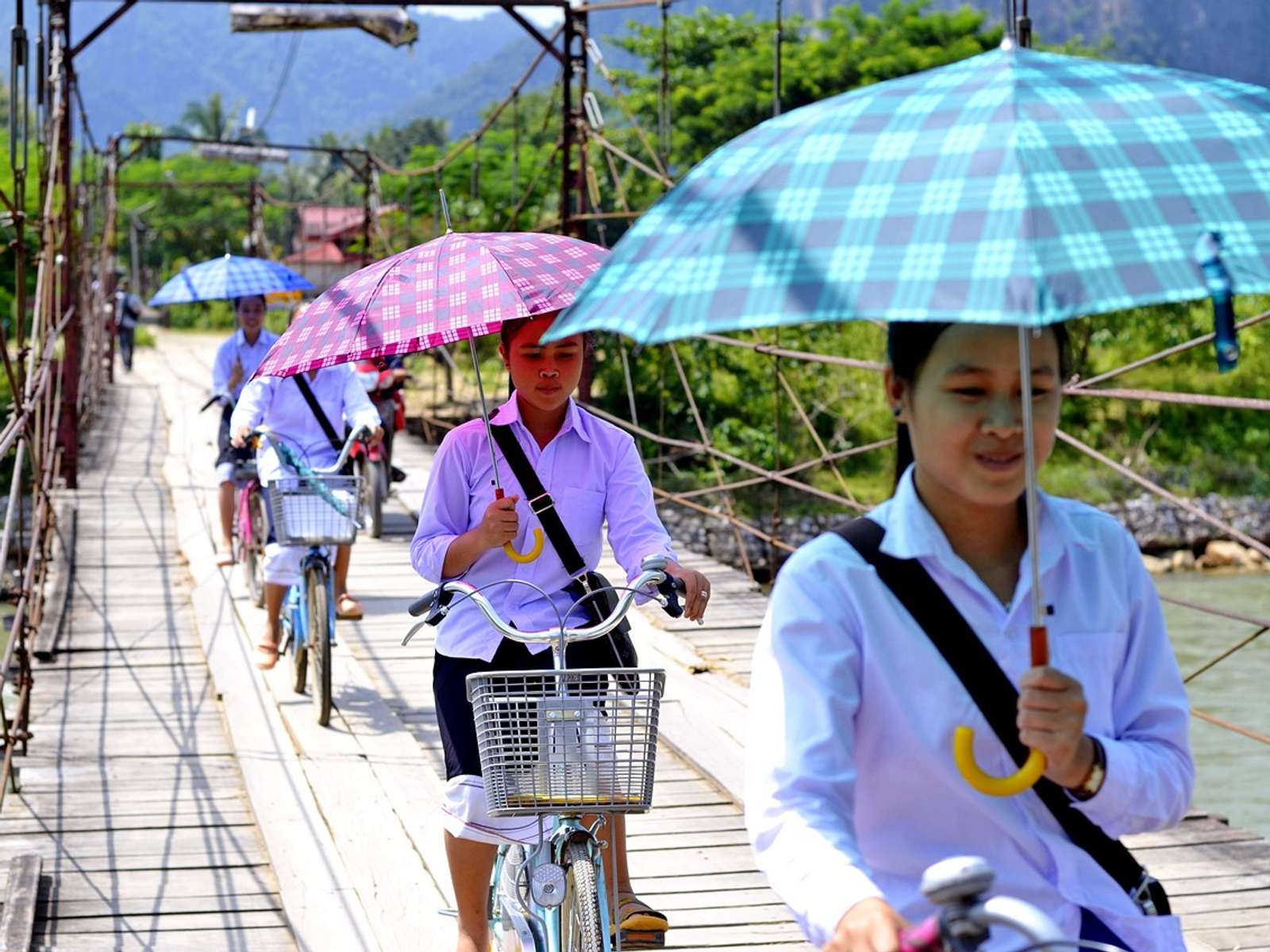
Project Sinxay, run by the Lao Youth Union with UNICEF, has now reached more than 7,000 young people in seven provinces, up from just over 1,000 a year ago. Its youth-led projects range from rice-straw products to campaigns against child marriage.
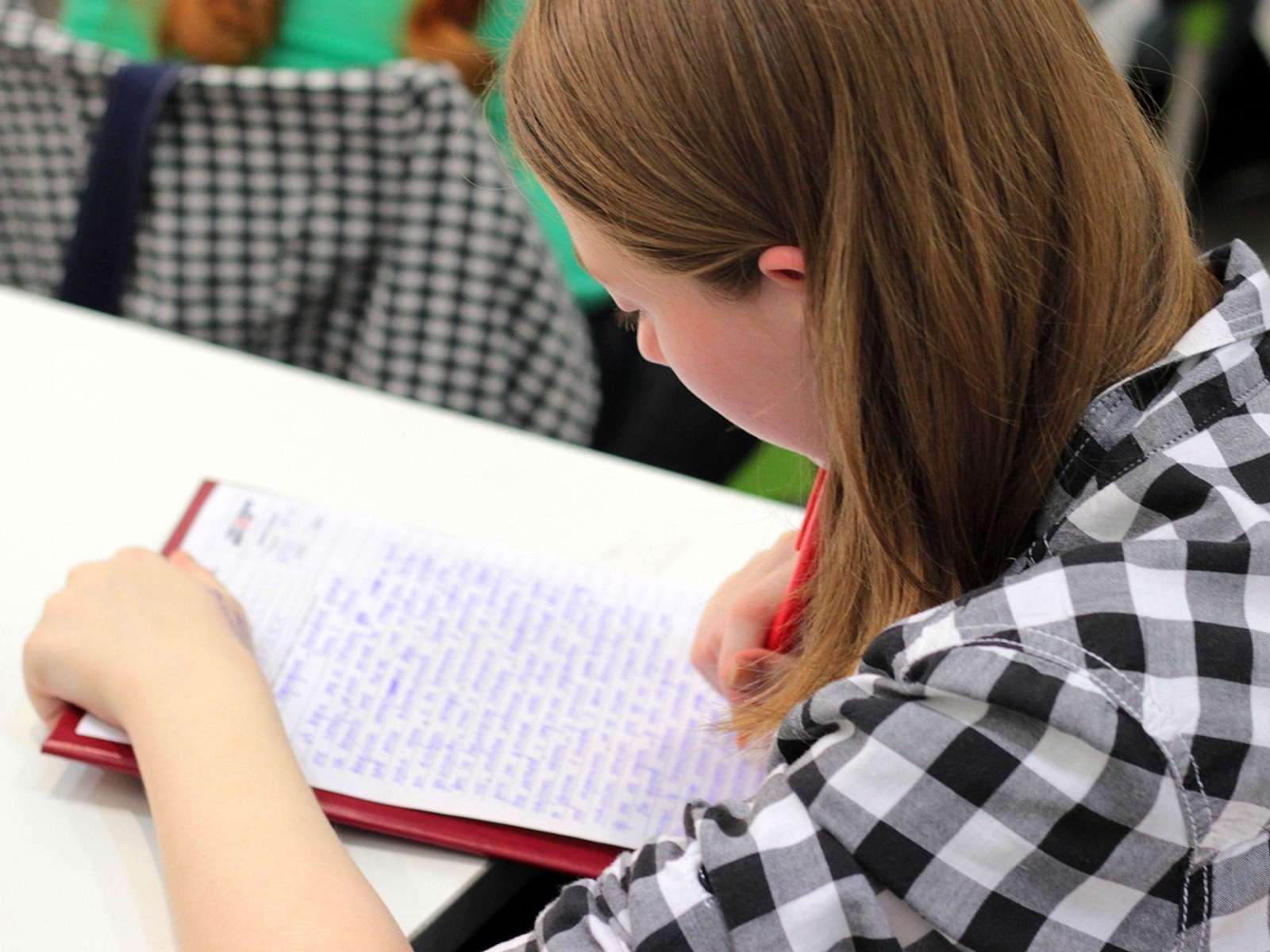
Suhaib, 13, returned to school in Ramadi through Iraq's Back-to-Learning campaign, and his sisters Malak, 14, and Tiba, 18, followed. The campaign helped 92,843 children back into learning in 2025, UNICEF said.
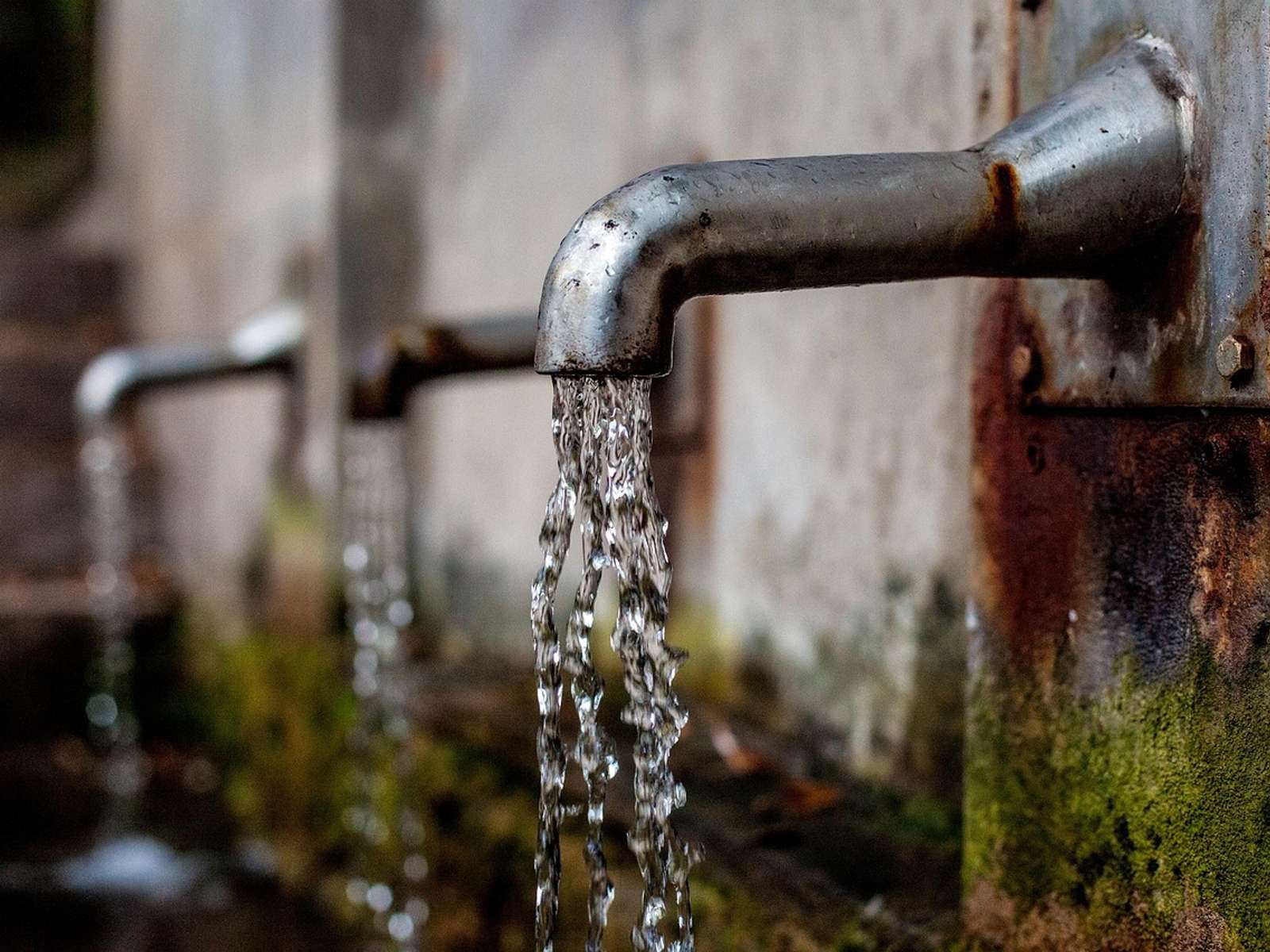
In Mzogole, Tanzania, a solar-powered water treatment system now supplies community taps, the health clinic and the local school, so Salome no longer walks a kilometer each day to collect water.
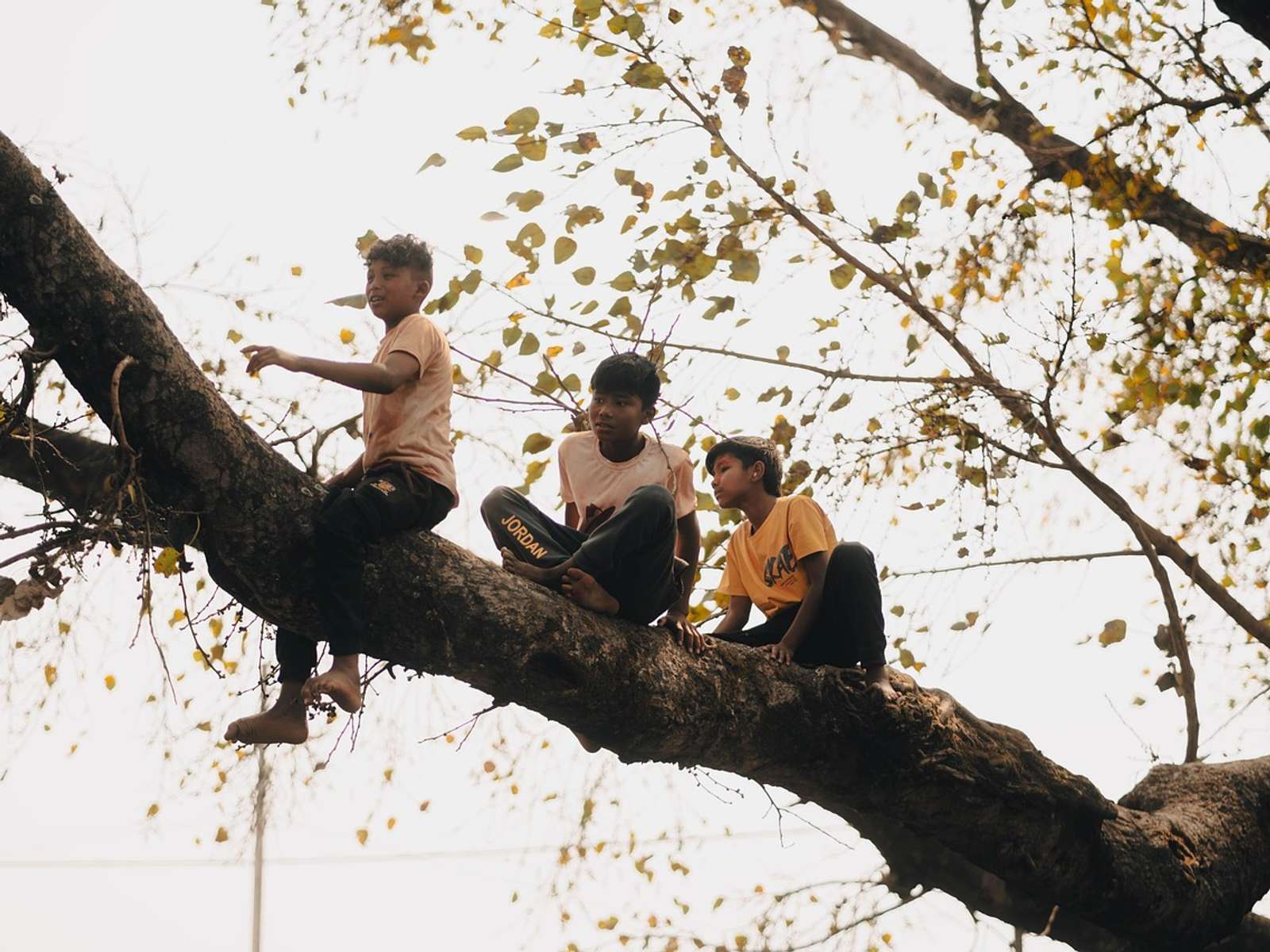
The share of young women in Nepal who married before 18 fell from 37% in 2014 to 28% in 2024-25, and marriage before 15 halved, but girls from the poorest homes are being left behind.
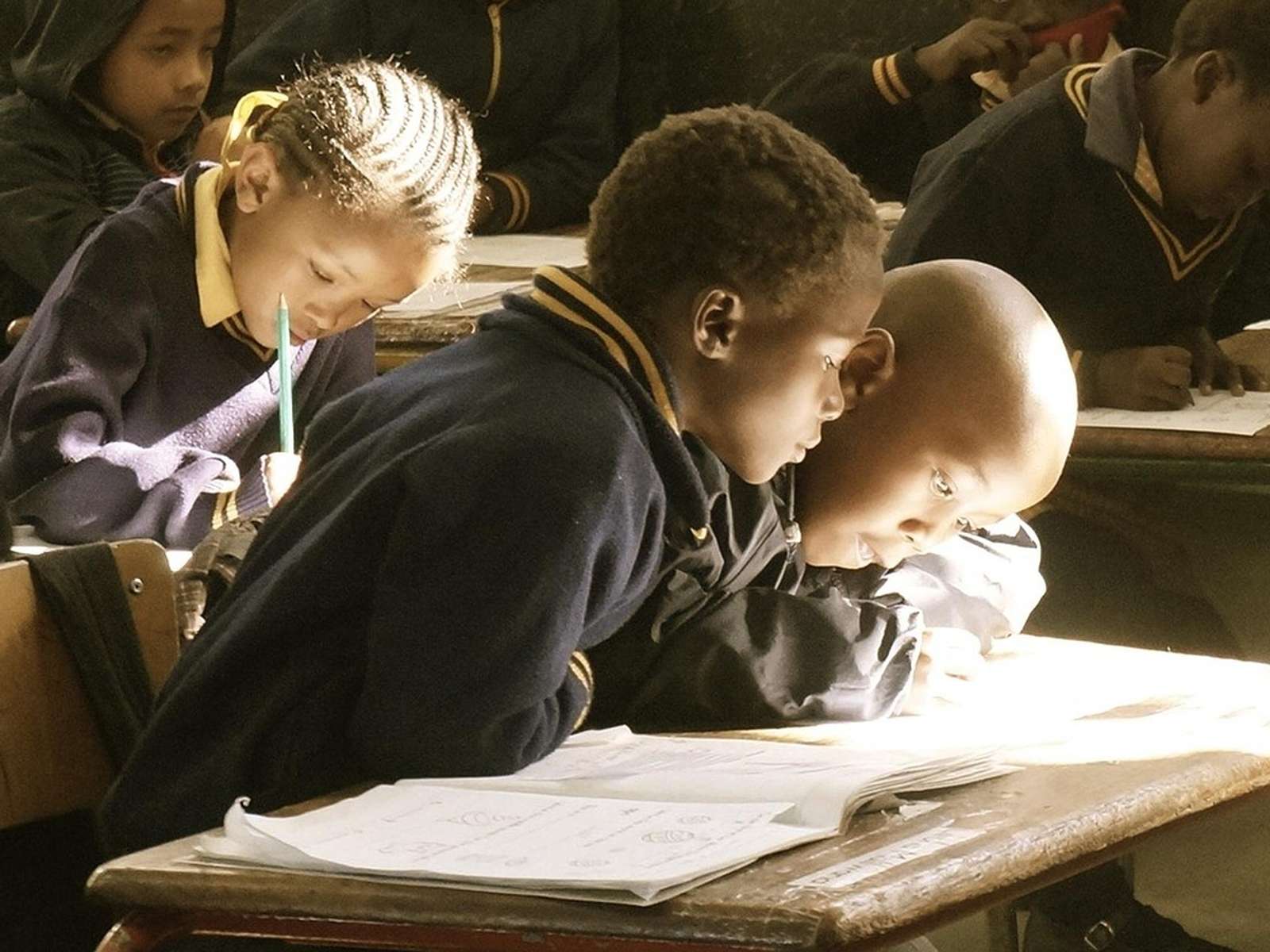
Pushed out of school by pregnancy at 13, Amina is now a 17-year-old secondary student in Uganda’s West Nile region thanks to cash support and mentoring from an EU-funded program, and she plans to become a nurse.