Five teenage girls in Cambodia taught 1,300 children to avoid junk and unsafe food
In Prey Veng, five 16-year-old volunteers have taught about 1,300 primary schoolchildren about healthy food and persuaded snack vendors to drop banned products, through a UNICEF-backed youth program that has reached 50,000 students.
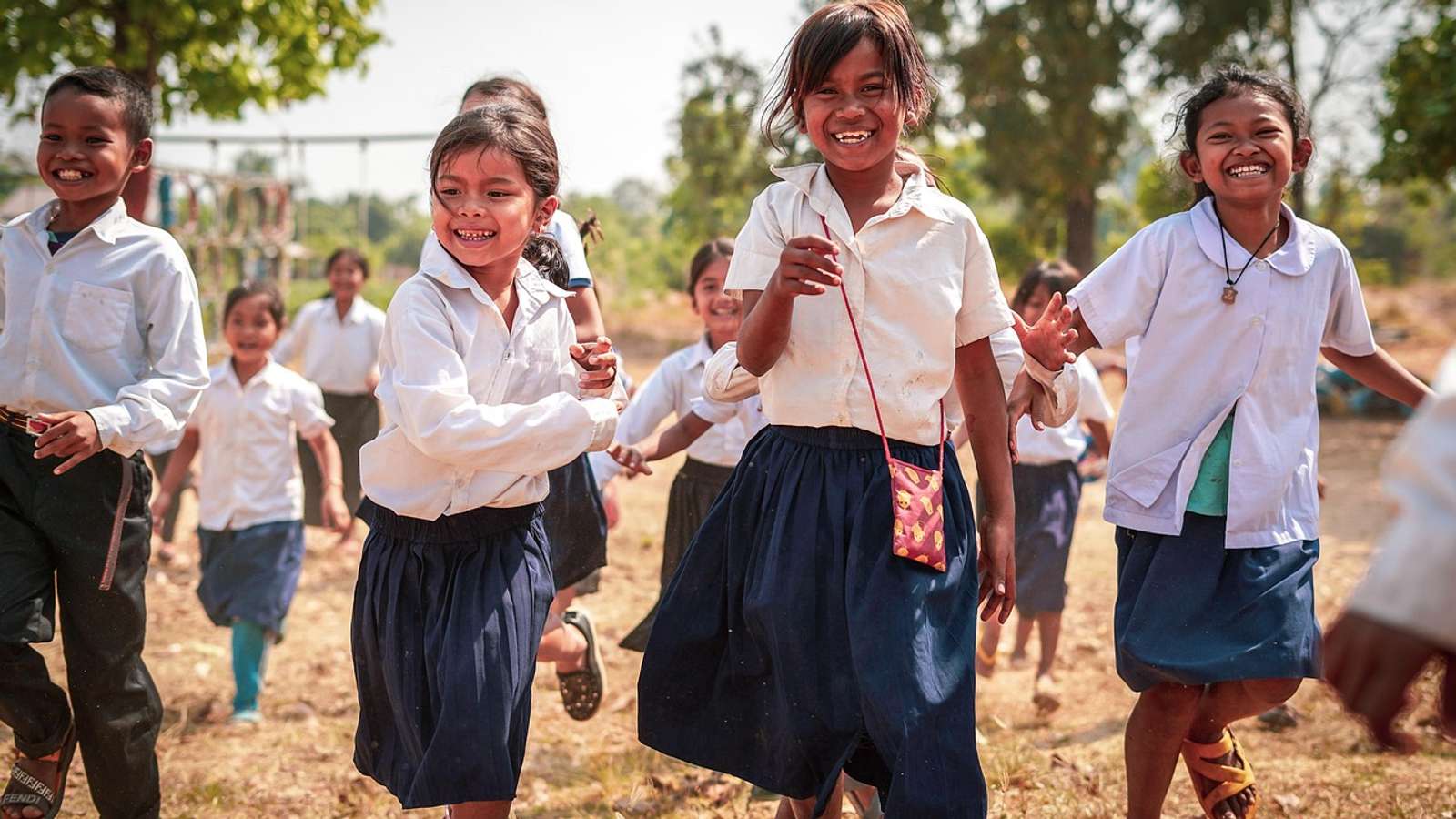
A team of five teenage girls in Cambodia's Prey Veng province has taught about 1,300 primary schoolchildren how to choose healthier food and avoid junk and unsafe snacks, UNICEF Cambodia said on 16 October. Over four months they led classroom lessons, spoke at morning assemblies and talked food stall vendors into removing banned products.
“Nowadays, we see children getting sick from eating poor-quality food,” said 16-year-old Chanrotha, who now leads the team. Her best friend and teammate, Sina, also 16, put their goal simply: “I want to help all children develop and stay healthy.”
Expired snacks and energy drinks at the school gate
The problem is easy to see around Cambodian schools: shelves of sugary treats, energy drinks and packaged snacks, some long past their expiry date. While researching, the girls learned that the Ministry of Education, Youth and Sport has issued directives banning unhealthy and unsafe products in and around schools. That gave them something concrete to ask of vendors.
Not every seller agreed straight away, so teachers invited the girls back again and again. “When we went to check, they didn't have as much harmful food,” Sina said. “They promised that once what's left is gone, they will stop selling it.” The team also designed posters, paid for with money raised from classmates, and posted videos of their sessions on Facebook.
“I see that our efforts are making a difference.” — Sina, 16, volunteer nutrition educator in Prey Veng
Stunting still affects one child in five
Poor nutrition remains a serious issue in Cambodia. In 2022, 22% of children under five were stunted, meaning too short for their age, and 10% were wasted in 2021, according to UNICEF data. Stunting has many causes, and lessons in a few schools will not change those figures on their own.
The girls are part of Volunteer for My Community (VMC), run by UNICEF with the Ministry of Education, Youth and Sport and funded by the Australian Government. With that support, more than 50,000 upper secondary students, 25,000 of them girls, in three provinces have designed and run youth-led projects on topics from climate change and mental health to nutrition and child marriage.
Confidence, and permission to travel
For Chanrotha, joining meant convincing her parents, who worried about a girl travelling far outside school hours. “I told them that I want to improve my own capacity, which could help me when I study at university and maybe even help me get a small scholarship,” she said. Once too scared to talk to children or teachers, she now speaks at school assemblies with her team.
Youth-led projects backed by UNICEF are growing across the region; in Laos, a similar program has reached more than 7,000 young people. It is the first year VMC has run at the girls' school, and they plan to keep the project going until they graduate, following up with the students and vendors they have already visited.
Sources
- UNICEF Cambodia · unicef.org
- data.unicef.org
How we choose and verify sources: editorial policy.
Your weekly dose of good news
The 5 biggest positive stories of the week, straight to your inbox. Free, no noise.
Like what you're reading?