Glucose sensors gave people with type 2 diabetes five more healthy hours a day in a 283-person trial
In a 26-week trial of 283 adults with type 2 diabetes who don't use insulin, those given continuous glucose monitors spent about five more hours a day in their target range and lowered their A1c by 0.9 points more than with routine care.
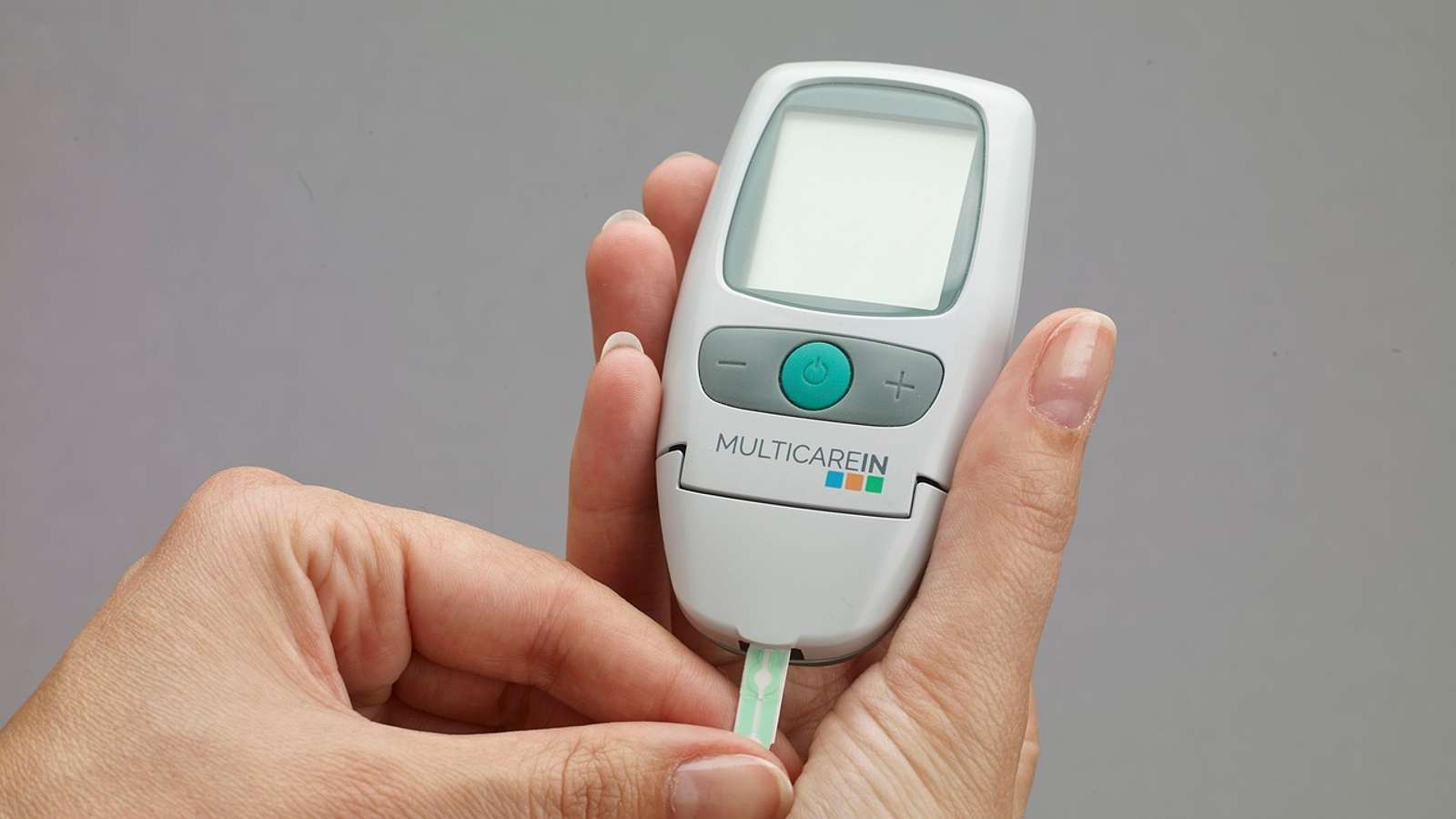
Adults with type 2 diabetes who do not take insulin spent about five more hours a day in a healthy blood sugar range when they used a continuous glucose monitor (CGM), in a 26-week trial of 283 people, the University of Colorado Anschutz said on 14 October. The results were published in the New England Journal of Medicine.
A CGM is a small sensor worn on the body that tracks glucose day and night, so people can see how food, exercise and daily habits change their blood sugar.
Bigger drops in A1c than routine care
The trial, called CONNECT, enrolled adults at 22 primary care practices in the US whose A1c, a measure of average blood sugar over about three months, was 7.5% or higher. Participants were randomly assigned to wear a Dexcom G7 sensor or to receive routine care with fingerstick testing. After 26 weeks, the CGM group spent 62% of the time in the target range of 70 to 180 mg/dL, against 41% with routine care, according to a summary of the results presented in June.
The CGM group's A1c fell by an average of 1.6 percentage points, 0.9 points more than in the routine care group, a difference the university said greatly exceeds the threshold usually considered clinically meaningful. Nearly twice as many CGM users reached an A1c below 7%, a common treatment goal. CGM users also reported more satisfaction and less diabetes distress, and wore the sensor a median of 97% of the time.
“An estimated 20 million adults in the United States have type 2 diabetes and do not take insulin, and despite advances in treatment, many still do not reach glycemic targets.” — Dr. Tamara Oser, first author, University of Colorado Anschutz
What it means for patients now
CGMs are already on the market, so the trial does not introduce a new device; it adds stronger evidence for a group that has been less studied. The American Diabetes Association's Standards of Care currently give their highest evidence rating, Level A, to CGM use for people on insulin, but only Level C for people who do not take insulin, according to the university.
The researchers hope the trial will strengthen guidelines and expand insurance coverage. For now, the authors suggest people with type 2 diabetes who don't take insulin discuss CGM with their primary care provider. The trial lasted 26 weeks, so it does not show whether the benefit lasts longer or reduces complications such as heart or kidney disease; a six-month extension is underway, according to the June summary.
Lifestyle programs can also move blood sugar a long way: in another recent trial, more than half of young adults with early type 2 diabetes reached remission through diet and exercise.
Not medical advice. This article reports on research and health programs for general information. Results from early studies often change in larger trials. Talk to a doctor before making decisions about your own health or treatment.
Sources
- University of Colorado Anschutz · news.cuanschutz.edu
- nejm.org
- ccjm.org
How we choose and verify sources: editorial policy.
Your weekly dose of good news
The 5 biggest positive stories of the week, straight to your inbox. Free, no noise.
Like what you're reading?
Related stories
Gene therapy plus light goggles gave six of 10 blind patients a meaningful gain in light sensitivity

Diabetes drug empagliflozin cut inflammatory blood cell clumps within two weeks in small Vanderbilt study