In the RESET for Remission trial in Canada and the UK, 54% of adults aged 18 to 45 with type 2 diabetes reached remission after a low-calorie diet and supervised exercise, against 4% with usual care.
ETH Zurich researchers built an implant with a gold-and-platinum catalyst that converts excess blood glucose into gluconate, switched on wirelessly when a sensor detects high sugar. In diabetic mice it regulated blood sugar for six weeks.
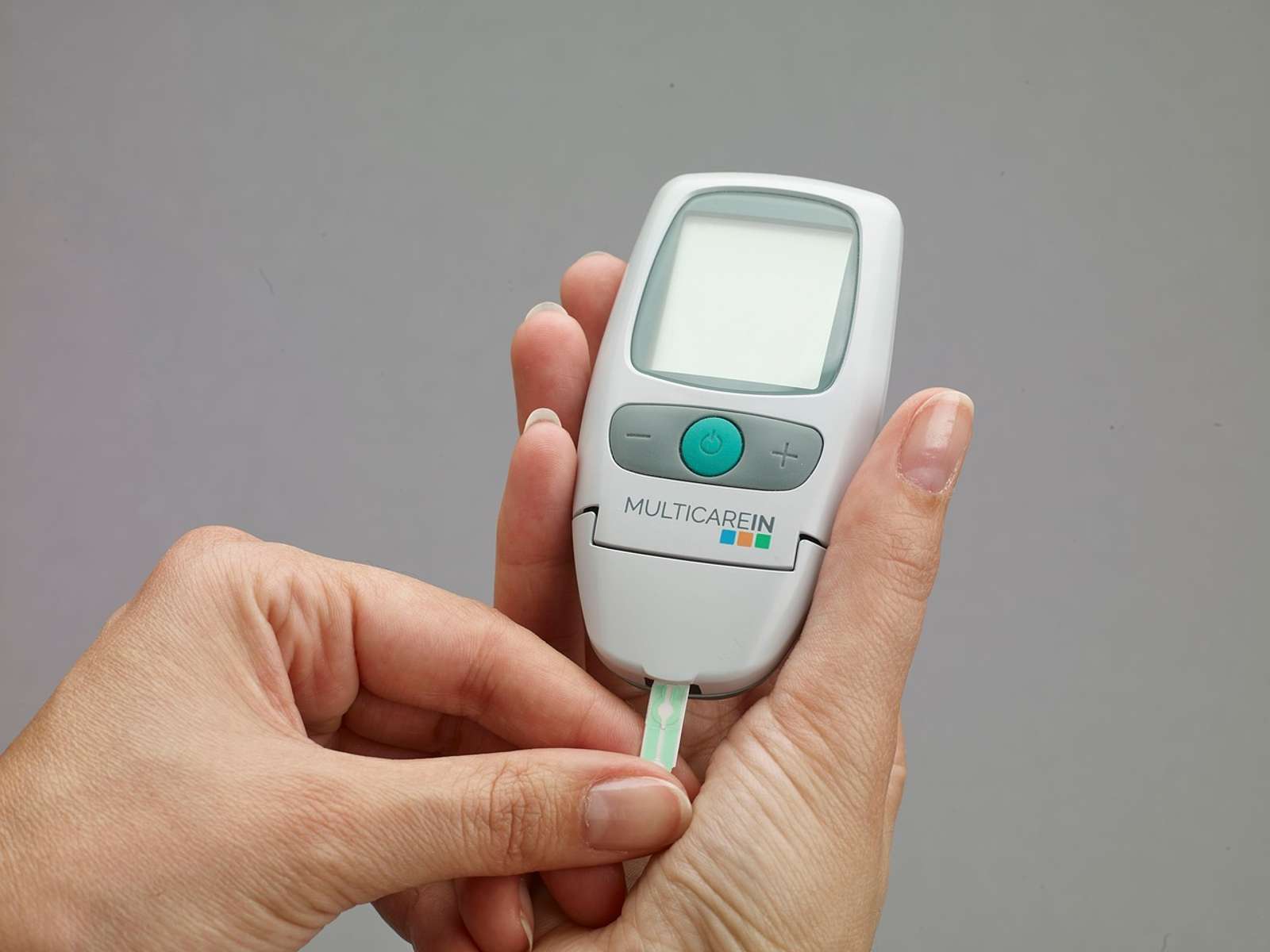
In a 26-week trial of 283 adults with type 2 diabetes who don't use insulin, those given continuous glucose monitors spent about five more hours a day in their target range and lowered their A1c by 0.9 points more than with routine care.
In a Vanderbilt pilot study of 16 women with obesity and prediabetes, empagliflozin reduced blood cell clumps linked to heart disease within two weeks. Women on a low-calorie diet did not show the drop. A larger placebo-controlled trial is now enrolling.
In a randomized trial of adults under 45, 54% of those on a low-calorie diet with supervised exercise reached type 2 diabetes remission at 24 weeks, versus 4% receiving usual care, researchers at McGill and Leicester report.
A large Danish study found that people who started statins within a year of a type 2 diabetes diagnosis had a 15 percent lower relative risk of dementia over the next decade than those who never started treatment.