A wireless implant that breaks down excess blood sugar without drugs worked for six weeks in diabetic mice
ETH Zurich researchers built an implant with a gold-and-platinum catalyst that converts excess blood glucose into gluconate, switched on wirelessly when a sensor detects high sugar. In diabetic mice it regulated blood sugar for six weeks.
Researchers at ETH Zurich have built an implant that lowers blood sugar without drugs or living cells, by breaking down excess glucose with a catalyst that is switched on wirelessly, ETH Zurich said on 22 October. In diabetic mice it regulated blood sugar precisely and reliably for six weeks. The work, led by Martin Fussenegger, was published in Science.
A catalyst instead of insulin
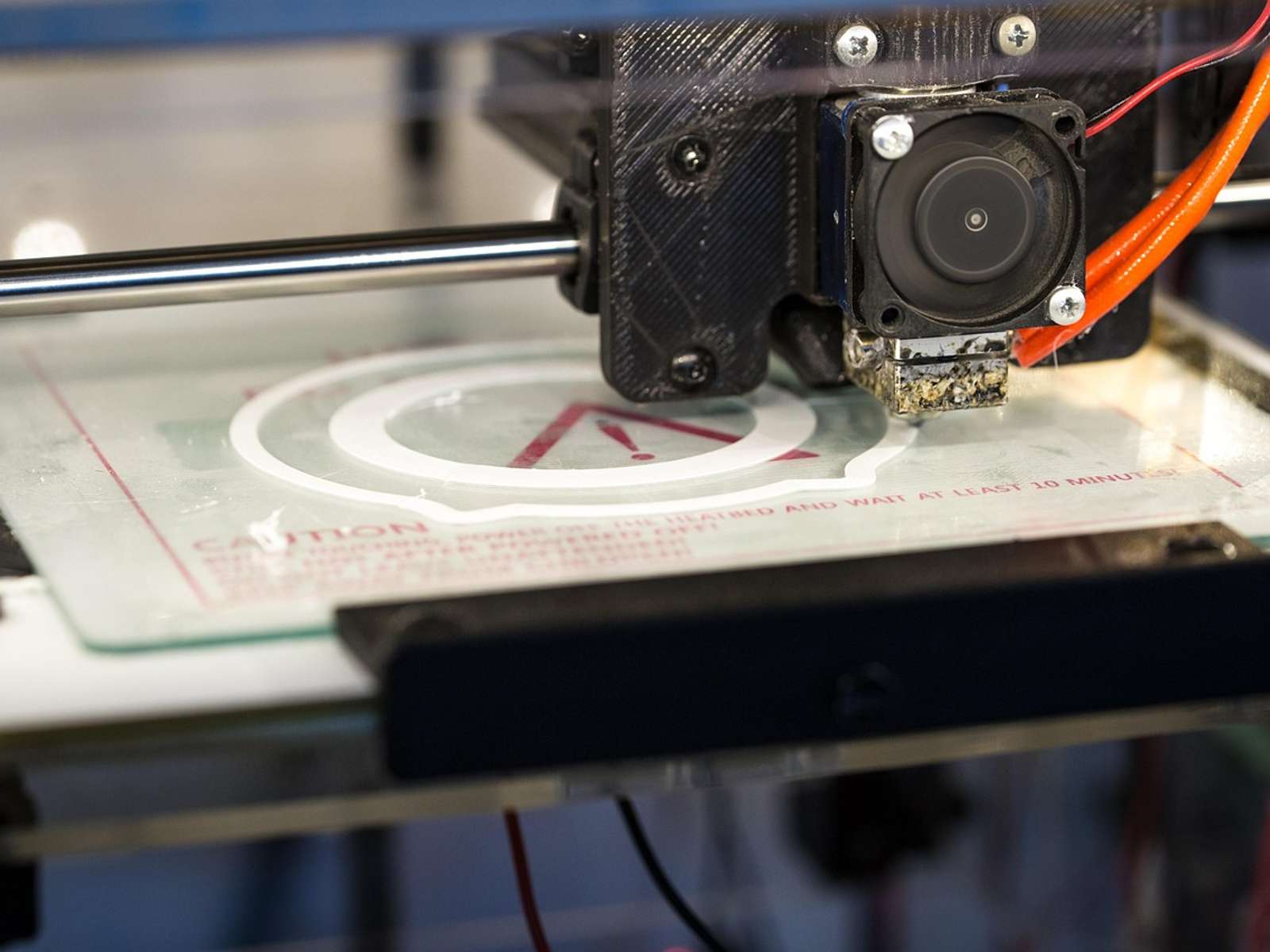
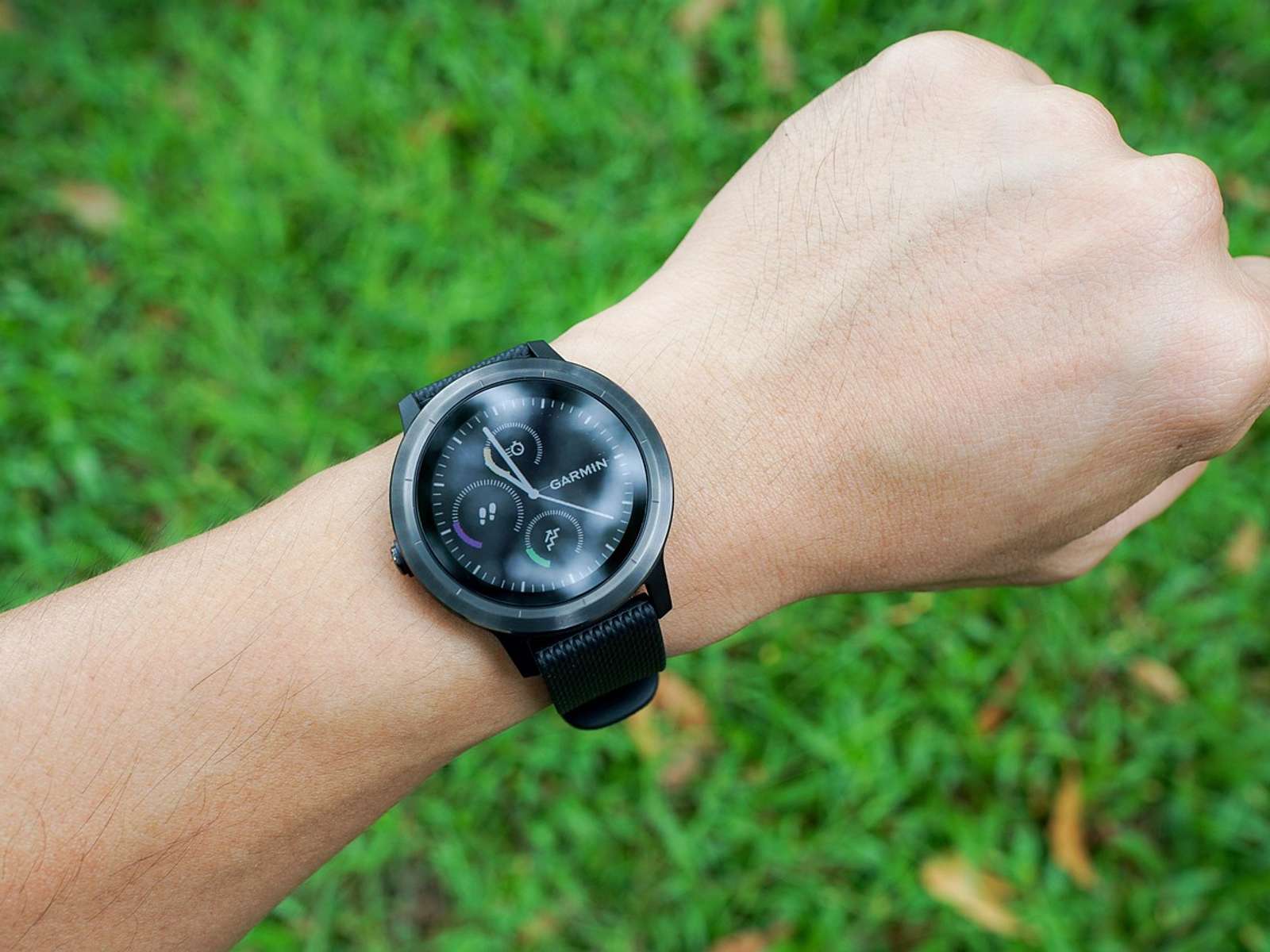
The core is graphite felt decorated with gold nanoclusters and smaller platinum particles. When switched on, it converts excess glucose into gluconate, which the body excretes in urine. An implanted control unit in a 3D-printed casing receives wireless power, and a standard glucose sensor sends a Bluetooth signal to a smartphone or smartwatch when sugar rises after a meal. The implant then activates and switches off once glucose reaches the target level.
“We can take control of glucose directly, using electronics rather than drugs.” — Martin Fussenegger, ETH Zurich
In the lab, the catalyst converted glucose in a 5-liter reservoir, roughly the volume of blood in a human body. In mice, the implant was well tolerated, the animals lost weight, and the researchers saw no tissue damage from electrical or thermal effects, since the system runs at very low voltage.
A disease affecting 830 million people
Diabetes is widespread and often untreated. The number of people living with diabetes rose from 200 million in 1990 to 830 million in 2022, and more than half were not taking medication for it, according to the World Health Organization. In 2021, diabetes and diabetes-related kidney disease caused more than 2 million deaths.
Still far from patients
The implant has been tested only in the lab and in mice, and ETH gives no timeline for human trials. The team plans to develop it into a medical device, and notes that the external control and wireless power parts are already available commercially, which could simplify development. Whether it works safely in people, and for how long, is not yet known.
Sources
- ETH Zurich · ethz.ch
- who.int
How we choose and verify sources: editorial policy.