A rare, nearly complete 75-million-year-old 'ostrich dinosaur' from Utah goes on view as scientists study it
A substantially complete skeleton of an ornithomimid, a fast, toothless 'ostrich dinosaur', found in Utah's Grand Staircase-Escalante, is being prepared in public view at the N.C. Museum of Natural Sciences. It may be a new species.
By Diego Callegari, Editor
· United States · 1 min read
Source: North Carolina Department of Natural and Cultural Resources ↗
A rare, substantially complete skeleton of an “ostrich dinosaur” is now being prepared and studied at the N.C. Museum of Natural Sciences in Raleigh, North Carolina's Department of Natural and Cultural Resources said on 23 October. The roughly 75-million-year-old fossil may turn out to be a species new to science.
A beaked, toothless runner
The skeleton belongs to an ornithomimid, a group of fast-running theropod dinosaurs with beaks and no teeth, nicknamed ostrich dinosaurs for their build. In life this animal was roughly 8 to 10 feet long.
It was found in Grand Staircase-Escalante National Monument in southern Utah, and it is the first substantially complete skeleton of its kind recovered from the region. Paleontologists from the N.C. Museum of Natural Sciences and the Natural History Museum of Utah excavated it together and encased it in a 5,000-pound plaster jacket for the trip east.
“This is exactly the kind of fossil paleontologists dream about.” — Lindsay Zanno, head of paleontology, N.C. Museum of Natural Sciences
Why a complete skeleton matters
Many dinosaurs are known from scattered bones. A largely complete skeleton lets researchers compare the whole body with related species and work out where it fits in the family tree. If it proves to be a new species, this specimen could become its holotype, the single specimen that formally defines it, the museum said.
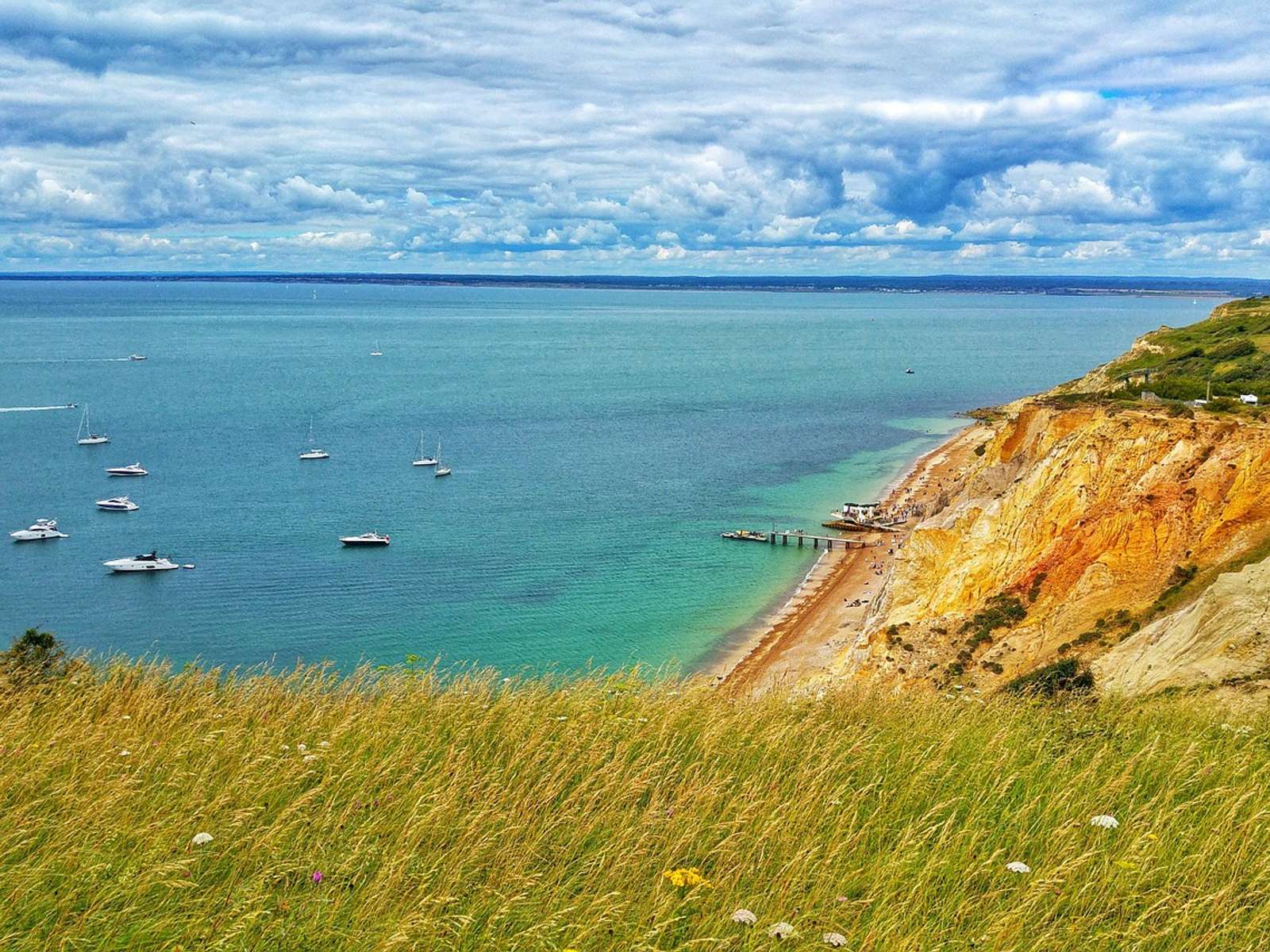
Fossils sometimes turn up in unexpected places; earlier this month, a skull fragment kept in a museum drawer for a century was identified as a new long-clawed dinosaur from the Isle of Wight.
Science in public view
The fossil will be prepared and studied in the museum's SECU DinoLab, where visitors can watch paleontologists work. Museum director Denise Young said the specimen lets North Carolinians watch world-class science unfold in Raleigh. A formal description, and a name if it is new, will come after study. More fossil stories are collected under paleontology.
Sources
How we choose and verify sources: editorial policy.