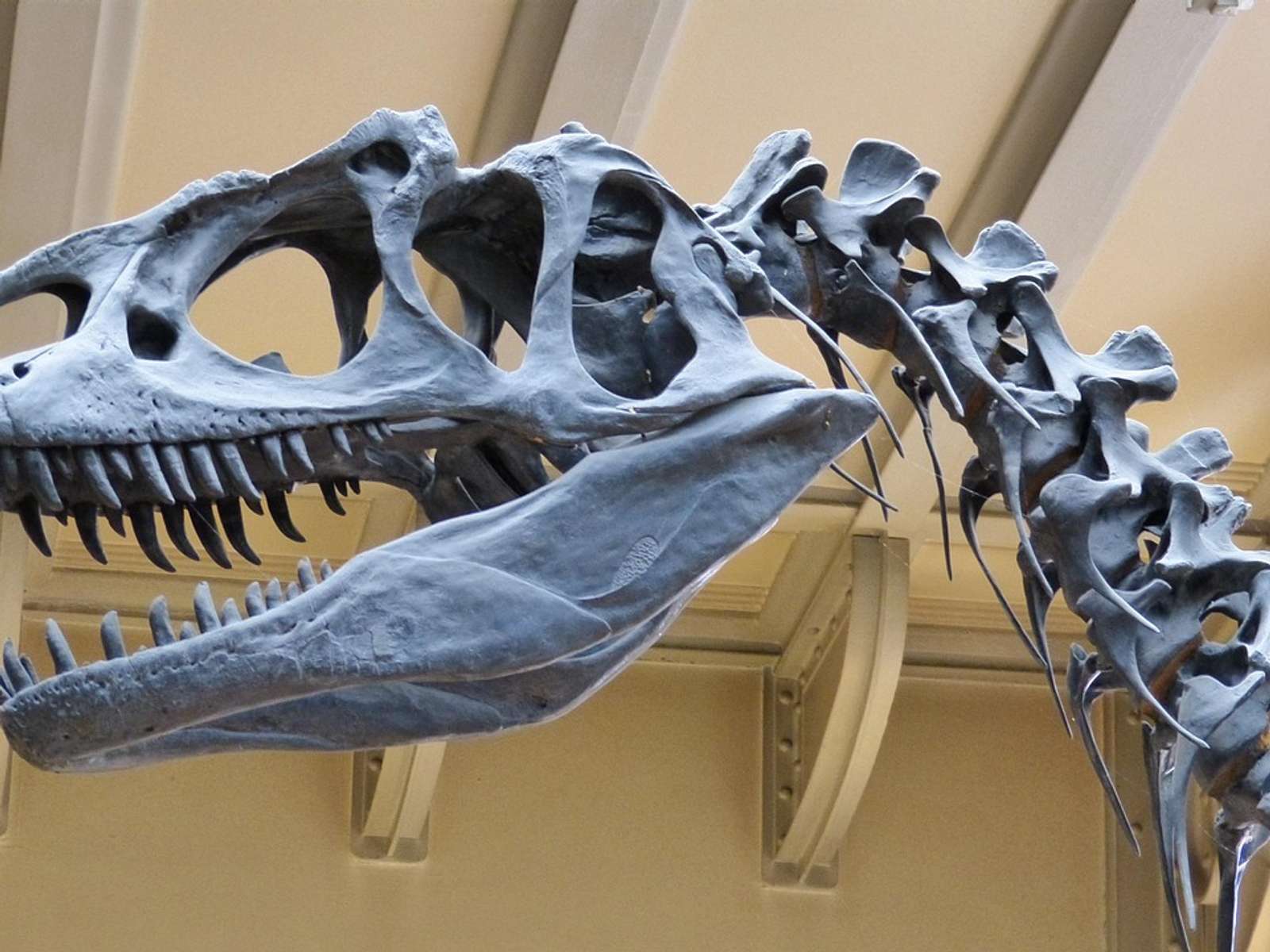
A Curtin University-led team found heme, part of hemoglobin, inside tiny structures in the leg bones of Aratasaurus, a feathered dinosaur from Brazil, and interprets them as mineralized red blood cells. Some experts remain unconvinced.
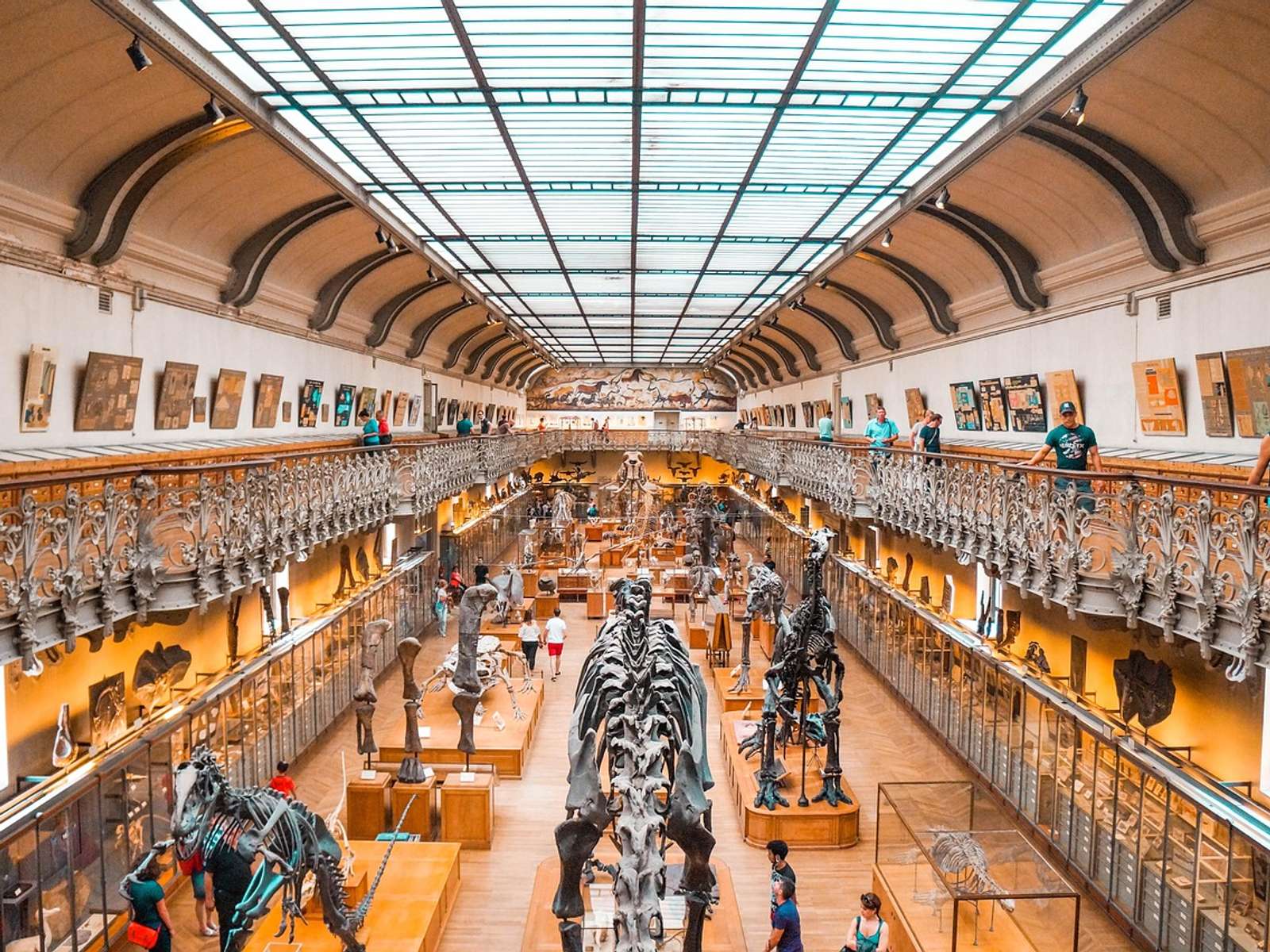
Infernogallus jamesi, a toothless, feathered dinosaur from the Hell Creek Formation, had jaw muscles arranged like those of fruit-eating parrots, researchers from the Royal Ontario Museum and Stony Brook University report in Nature Communications.
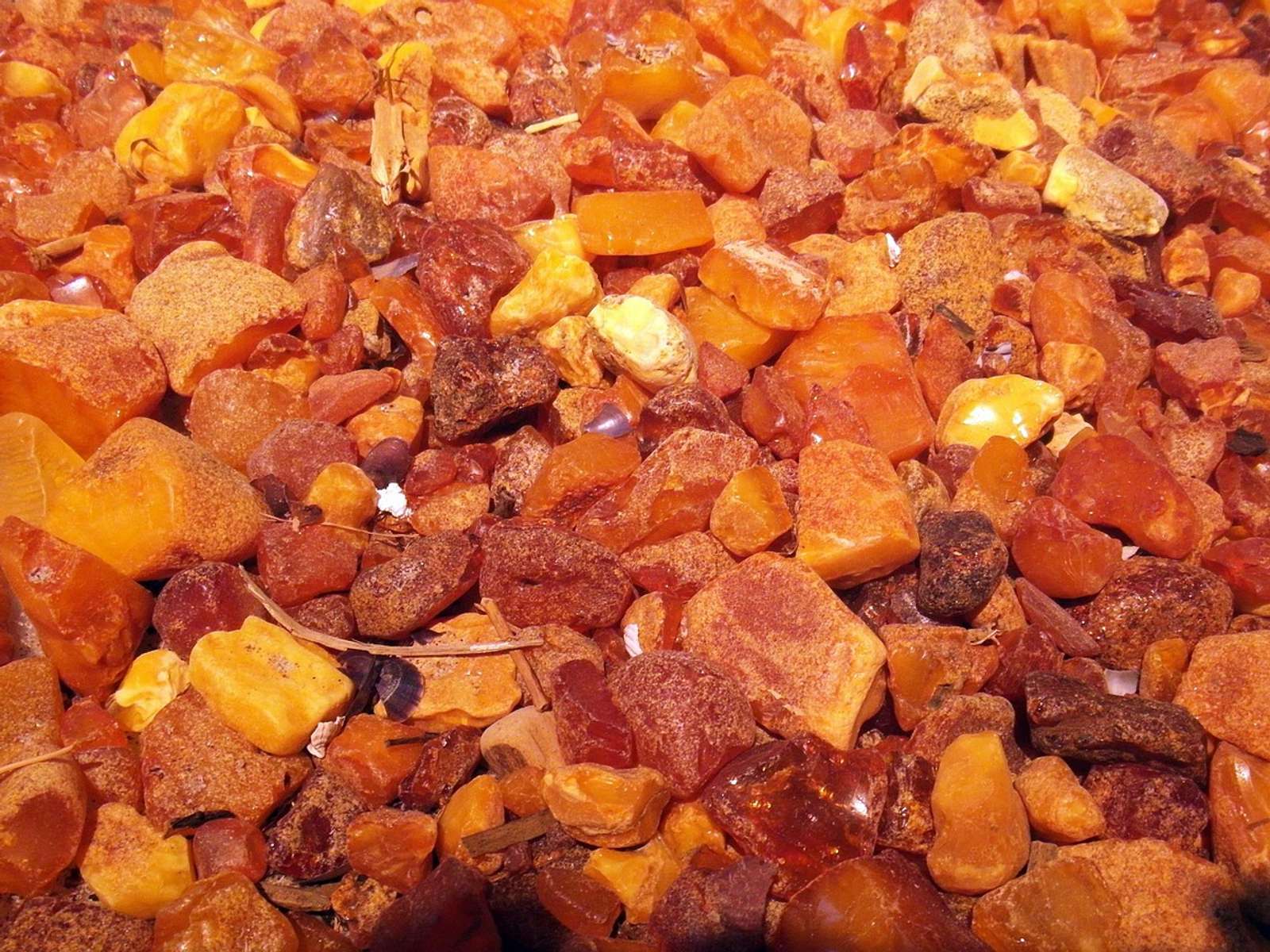
Tel Aviv University researchers scanned a lizard tail in 99-million-year-old amber from Myanmar and found a clean break framed by a ring of muscle, the first direct soft-tissue fossil evidence that lizards were already shedding their tails to escape.
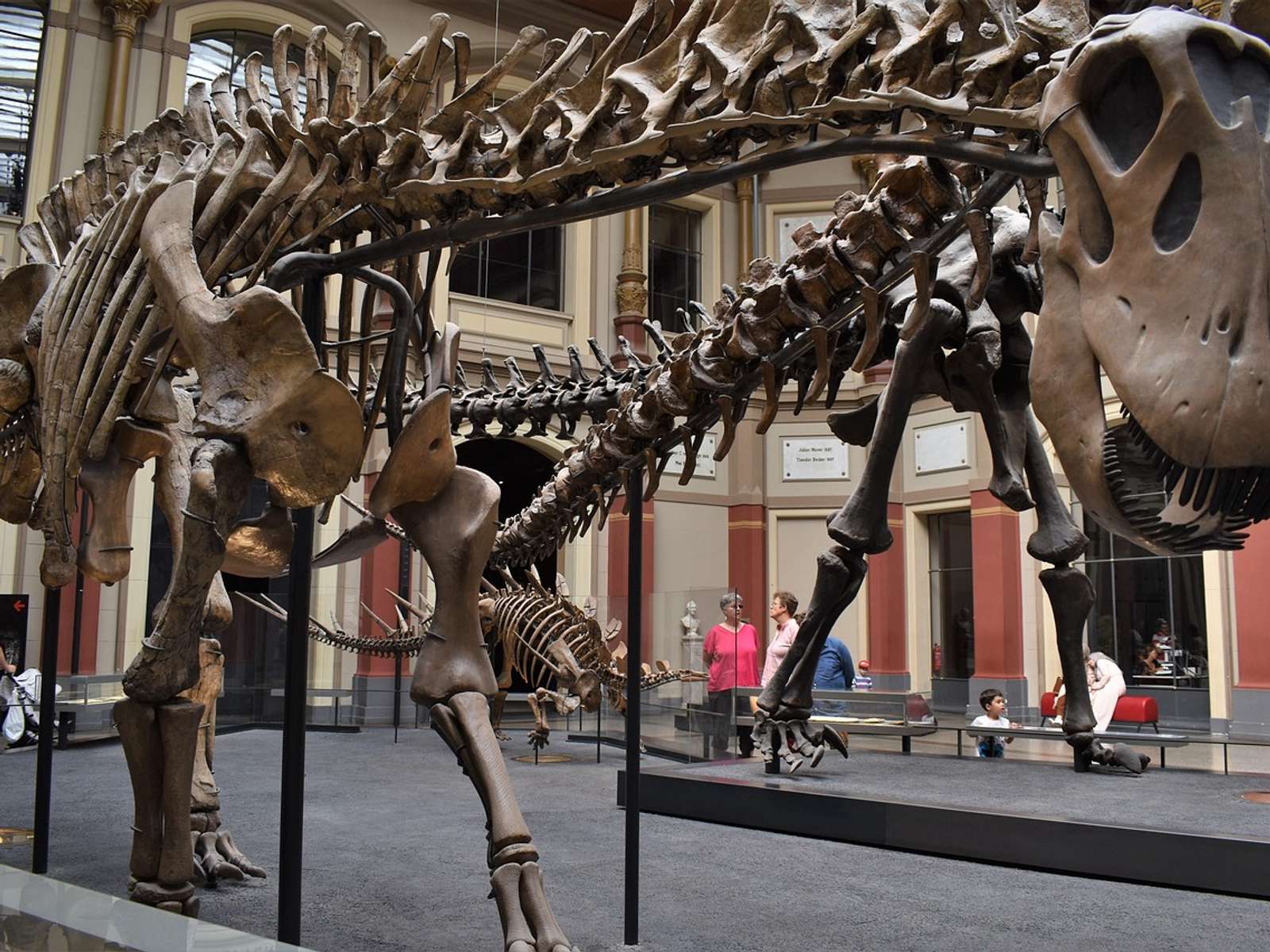
A substantially complete skeleton of an ornithomimid, a fast, toothless 'ostrich dinosaur', found in Utah's Grand Staircase-Escalante, is being prepared in public view at the N.C. Museum of Natural Sciences. It may be a new species.

A fossil the Natural History Museum acquired in 1924 belongs to a new dinosaur, Invictibellatrix amberina, the first megaraptoran found in Europe. The 3-4 meter predator lived on the Isle of Wight about 120 million years ago.
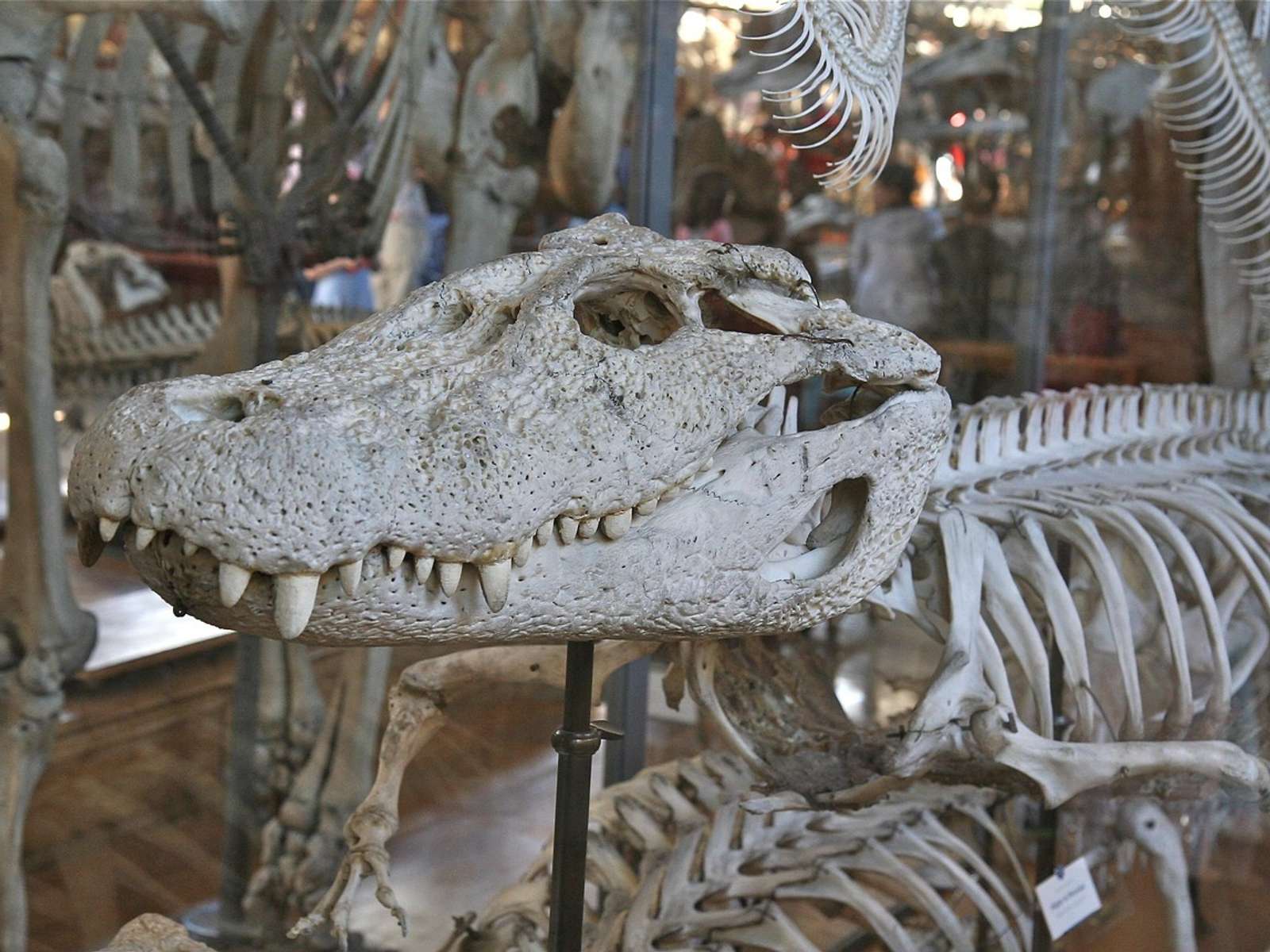
Fossils dug up in Egypt in the 1920s belong to a new gavial-like crocodile, Herugavialis cairensis, from the same rock formation as the Great Sphinx, a team led by UCL researchers reports.
Well-preserved microfossils from Mongolia contain no animals even though animals already existed then, an Oxford-led team reports. Their molecular clock analysis puts the origin of animals between 800 and 700 million years ago.