About one in three unresponsive ICU patients changed a sound using only their thoughts in a Columbia study
In a Columbia study of 41 clinically unresponsive patients with acute brain injury, about one in three changed the pitch of a tone by imagining hand movements, using a noninvasive EEG brain-computer interface at the bedside.
By Diego Callegari, Editor
· United States · 2 min read
Source: Columbia University Irving Medical Center ↗
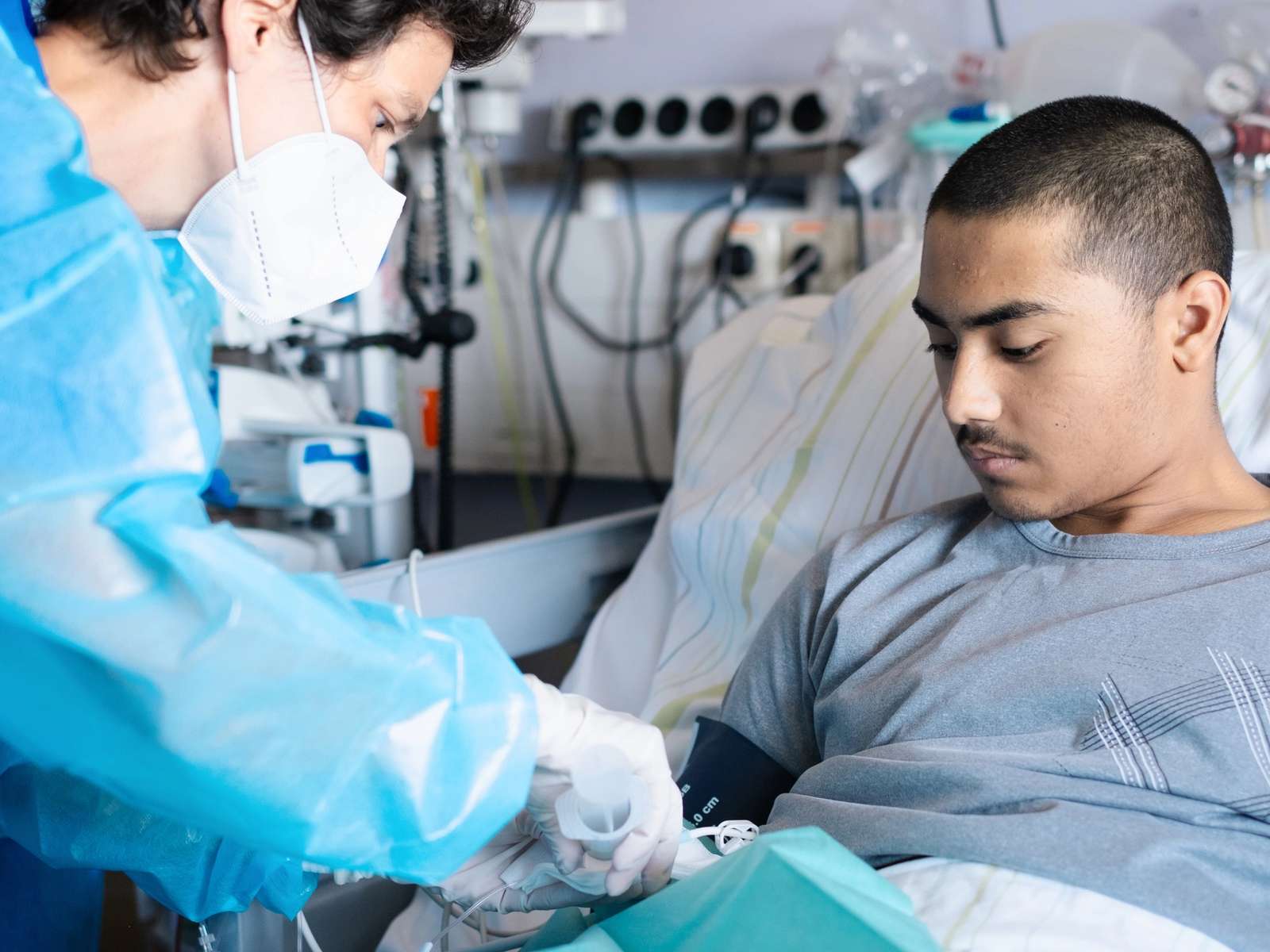
Some patients who appear completely unresponsive after a brain injury can use their thoughts to control a sound, according to a study from Columbia University and NewYork-Presbyterian published in the journal Brain on 22 October, Columbia University Irving Medical Center said. About one in three of 41 clinically unresponsive patients changed the pitch of a tone by imagining hand movements.
Imagining a hand opening and closing
Patients were tested a few days after they were hospitalized. Through headphones, they heard a beeping tone and a recorded voice asking them to change its frequency by imagining opening and closing their hands. Standard EEG electrodes on the scalp picked up their brain signals, and software on a bedside computer adjusted the tone in real time, with the voice offering encouragement and congratulating them when they hit the target.
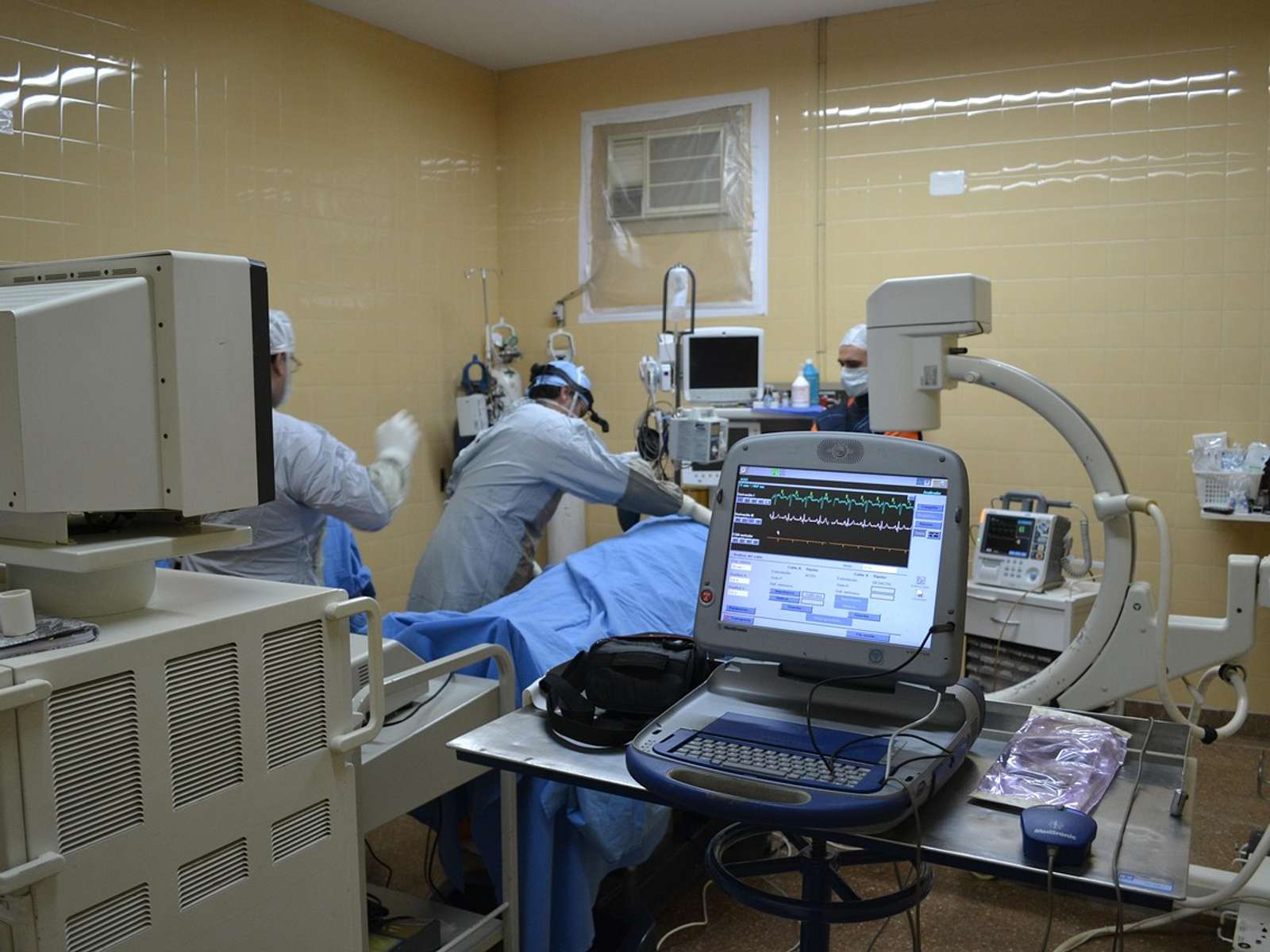
No implant is involved. EEG electrodes are already used to monitor patients in the intensive care unit; the new part is the custom software that reads the signals.
“Our brain-computer interface is only a first step.” — Dr. Jan Claassen, professor of neurology, Columbia University Vagelos College of Physicians and Surgeons
Hidden awareness in patients who seem unconscious
All patients who had already been identified with cognitive motor dissociation, a state in which a person shows brain responses to commands but cannot move or speak, were among those who succeeded.
What it means for patients now
This is an early research study in 41 patients, and the system is not yet a clinical tool. Only about a third of patients succeeded, testing happened within days of injury, and longer-term results are not known. The team wants to refine the system so patients can tell their doctors and loved ones how they feel, including signs of pain or hunger, and to add features families suggested, such as a loved one's voice.
Advances in brain imaging are also coming from other teams; at MIT, researchers built an AI model that tracks a moving fetus during MRI to capture clearer scans of the developing brain.
Not medical advice. This article reports on research and health programs for general information. Results from early studies often change in larger trials. Talk to a doctor before making decisions about your own health or treatment.
Sources
- Columbia University Irving Medical Center · cuimc.columbia.edu
How we choose and verify sources: editorial policy.