
ARPA-H will fund an MIT-led team with up to $38 million over four years to develop PYTHIA, a noninvasive patch powered by body heat that would track biomarkers of sepsis and heart failure. No device has been built or tested yet.
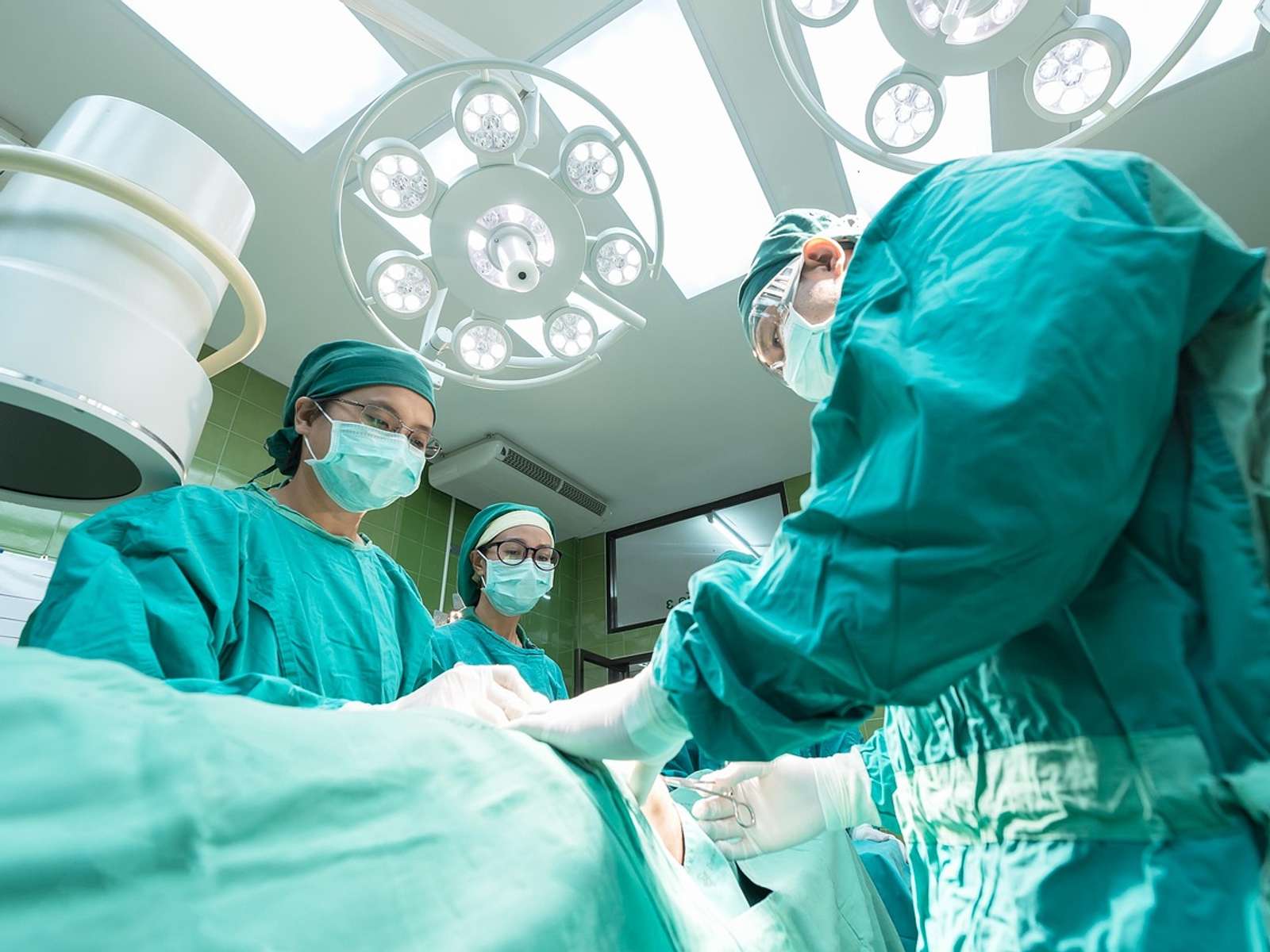
MIT researchers built LUCID, a flexible implant as thin as cardstock that releases drugs in the brain and uses 24 tiny ultrasound transducers to spread them farther. It has been tested in a tissue model and in mice.
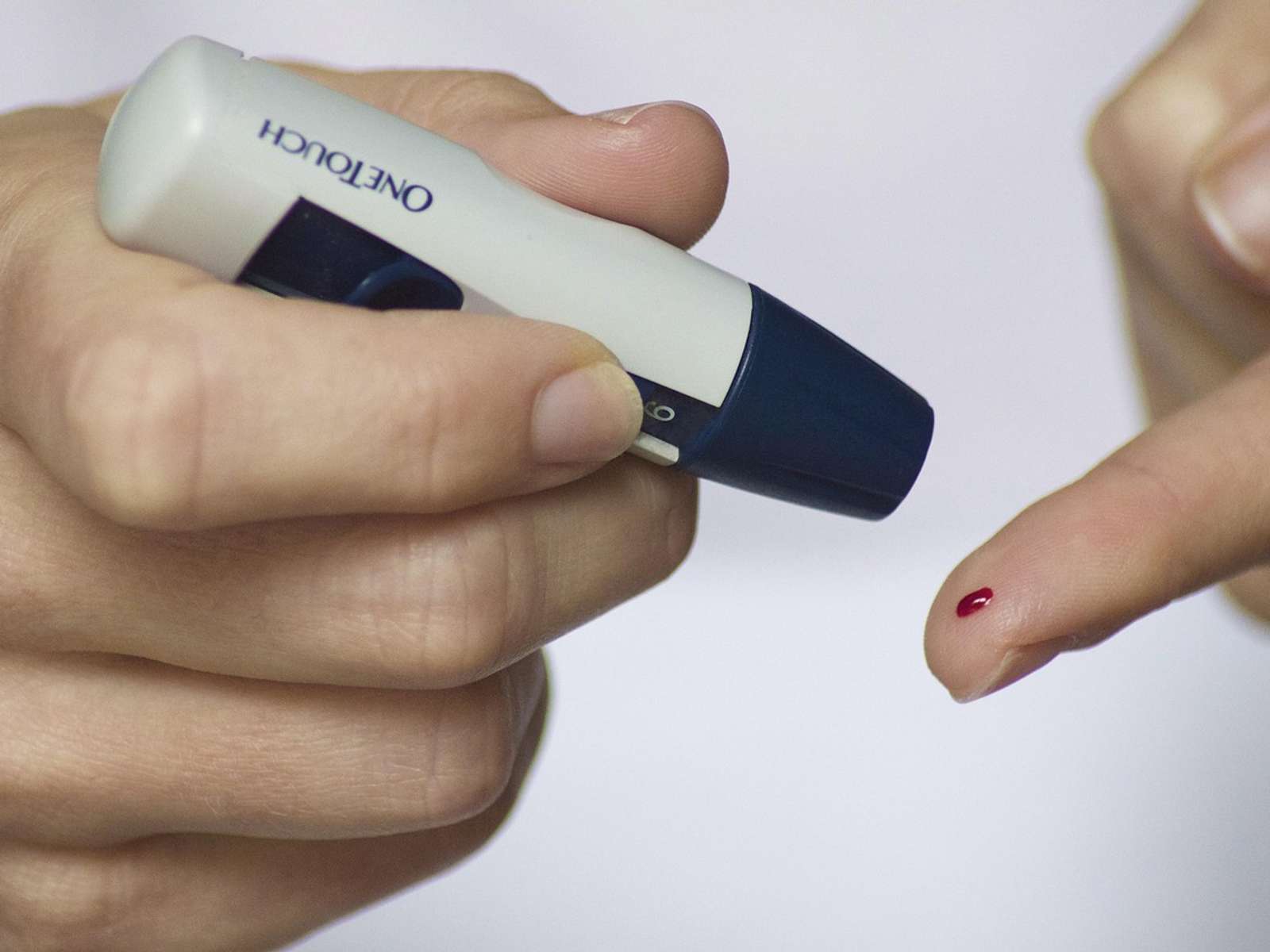
ETH Zurich researchers built an implant with a gold-and-platinum catalyst that converts excess blood glucose into gluconate, switched on wirelessly when a sensor detects high sugar. In diabetic mice it regulated blood sugar for six weeks.
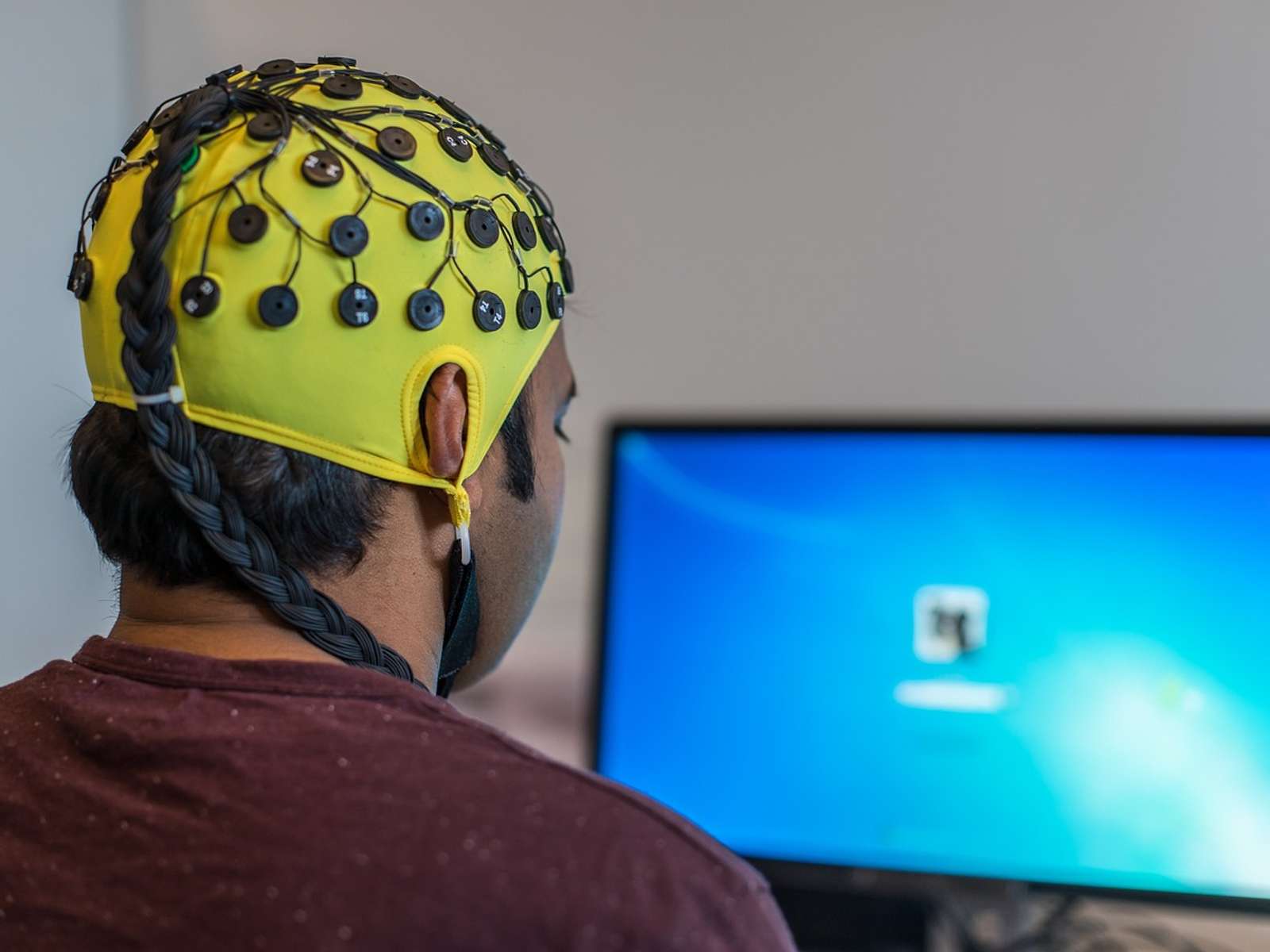
In a Columbia study of 41 clinically unresponsive patients with acute brain injury, about one in three changed the pitch of a tone by imagining hand movements, using a noninvasive EEG brain-computer interface at the bedside.

The University of Queensland's BASE mRNA Facility will build quality-control technology for ARPA-H's GIVE program, which aims to let US hospitals produce personalized RNA medicines on demand. UQ's share is up to $57 million.
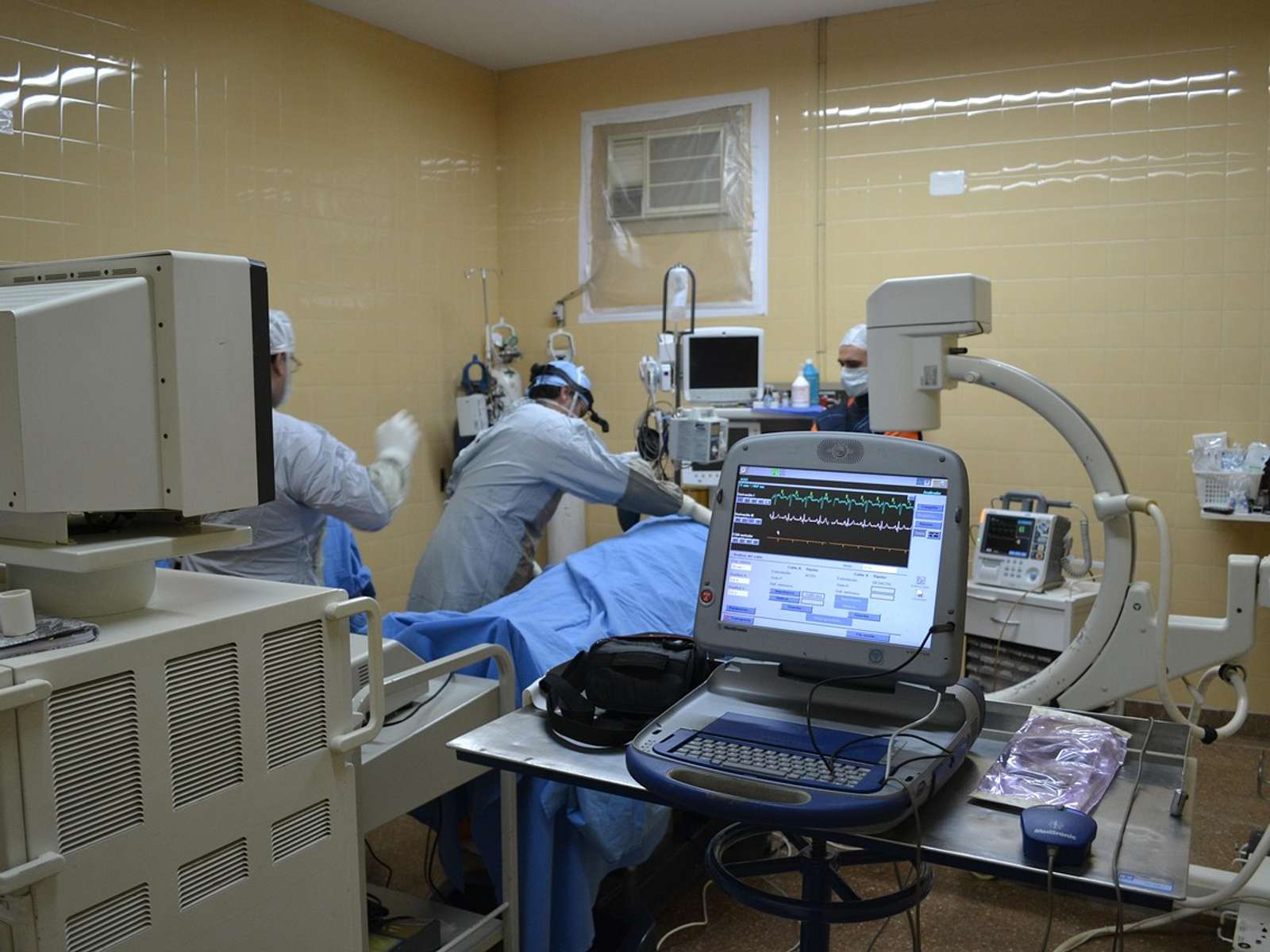
UC Davis Health has finished imaging the last of 10 patients in the first human study of a catheter that combines two optical techniques to show the makeup of plaque in heart arteries. Results have not yet been reported.
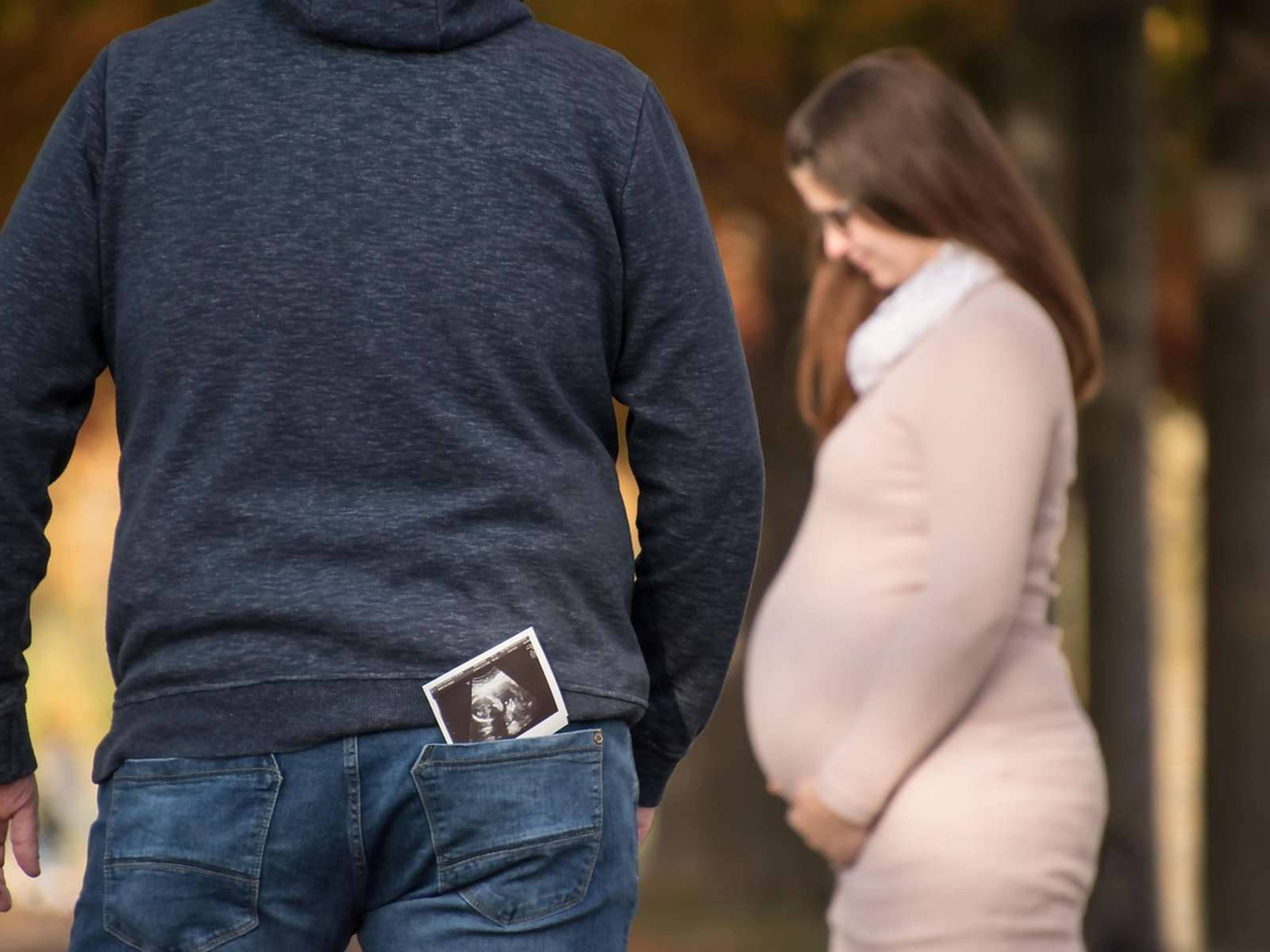
MIT and Boston Children's Hospital researchers built E(3)-Pose, a model that uses the left-right symmetry of the fetal head to track its position during MRI, so scans can adjust on the fly instead of leaving gaps.
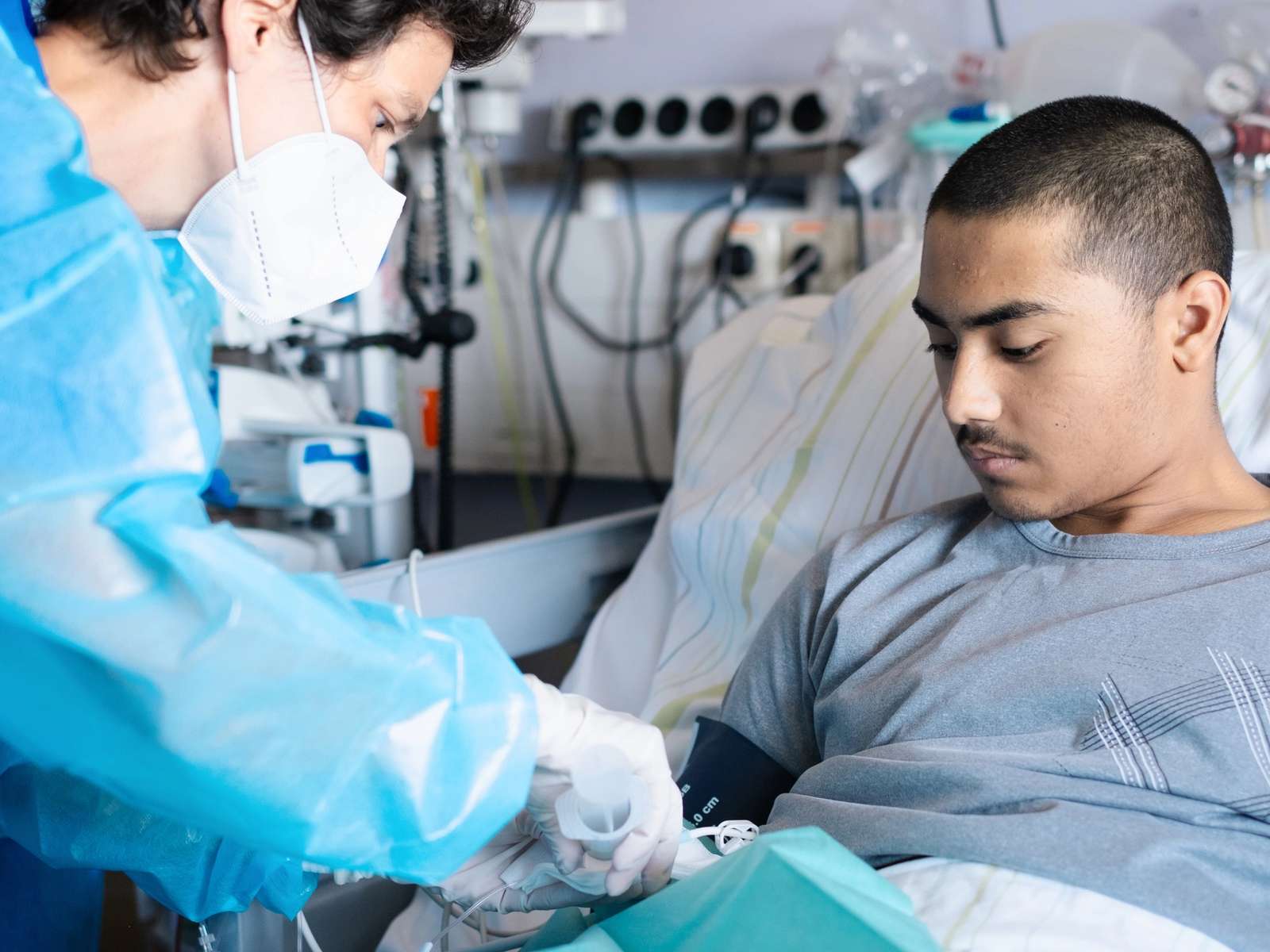
Charité in Berlin has given Germany's first routine CRISPR-based treatment to a 19-year-old with beta-thalassemia. Four months later his hemoglobin is normal and he no longer needs transfusions.
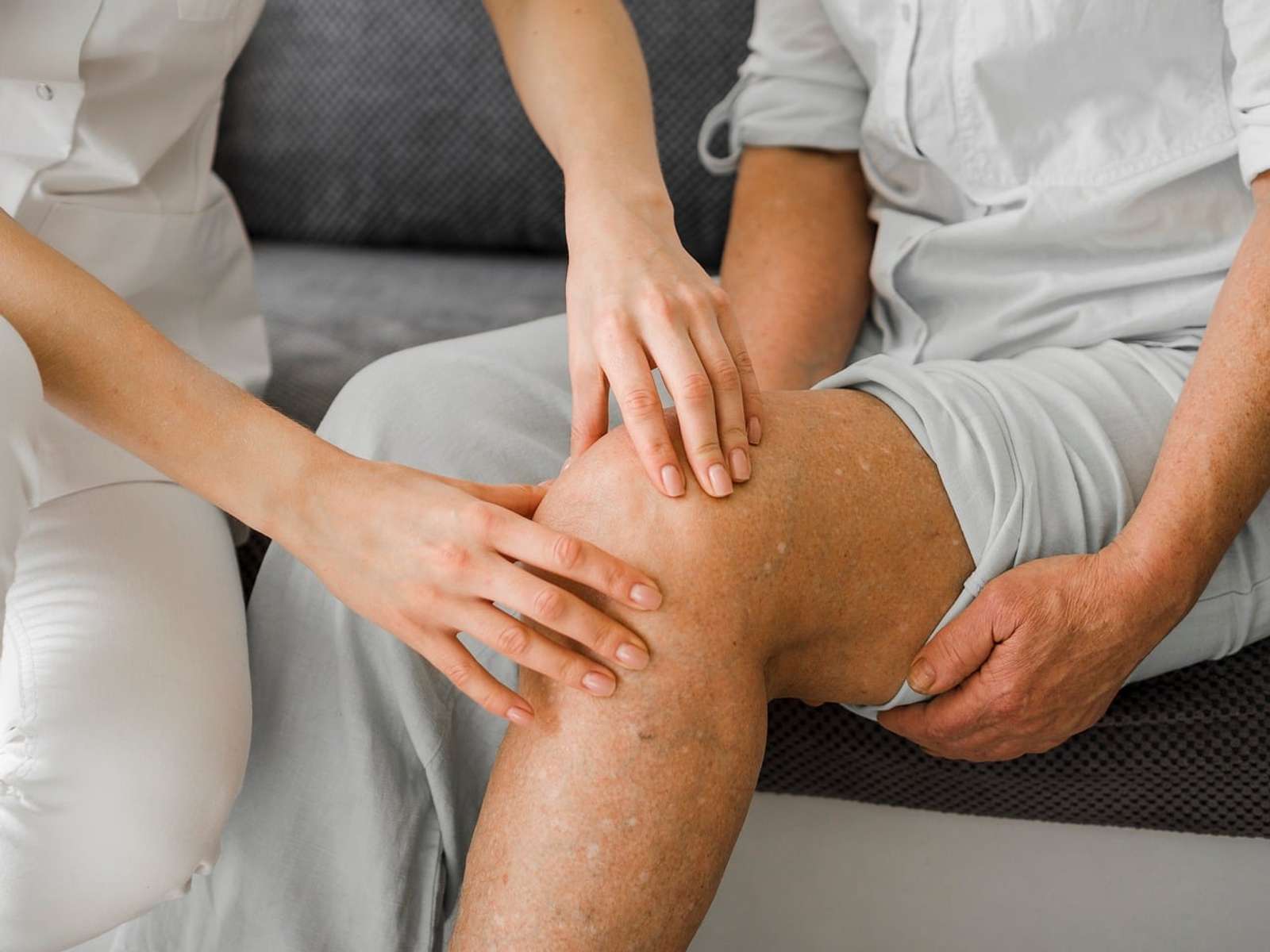
MIT engineers built a soft silicone sheet with light-carrying rubber fibers that rebuilds its own shape on screen almost in real time. They hope it could one day help physical therapists track patients' movement.
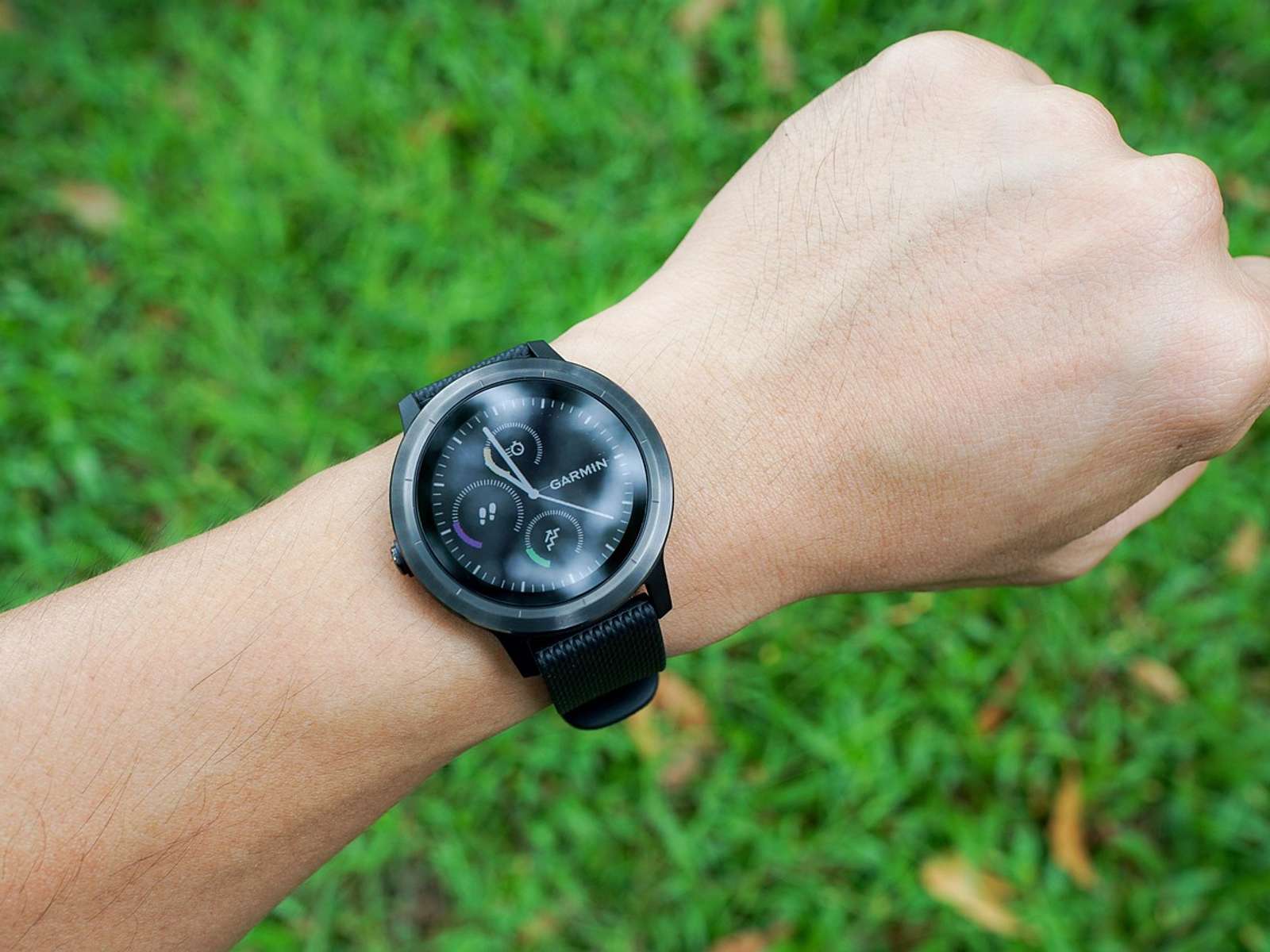
A vibrating wristband first built as a foamcore prototype in MIT's product-design class is now FDA-cleared for adults with essential tremor. In two trials, more than 70% of patients improved. Insurance coverage is the next hurdle.
Doctors in Edinburgh have transplanted testicular tissue frozen before a 19-year-old's chemotherapy back into his body, the UK's first such procedure and only the second reported worldwide.
President Cyril Ramaphosa opened the CSIR's FuturePharma facility in Pretoria on 7 October. The open-access site helps researchers and young companies scale up medicine ingredients, part of a push to cut South Africa's reliance on imported drugs.
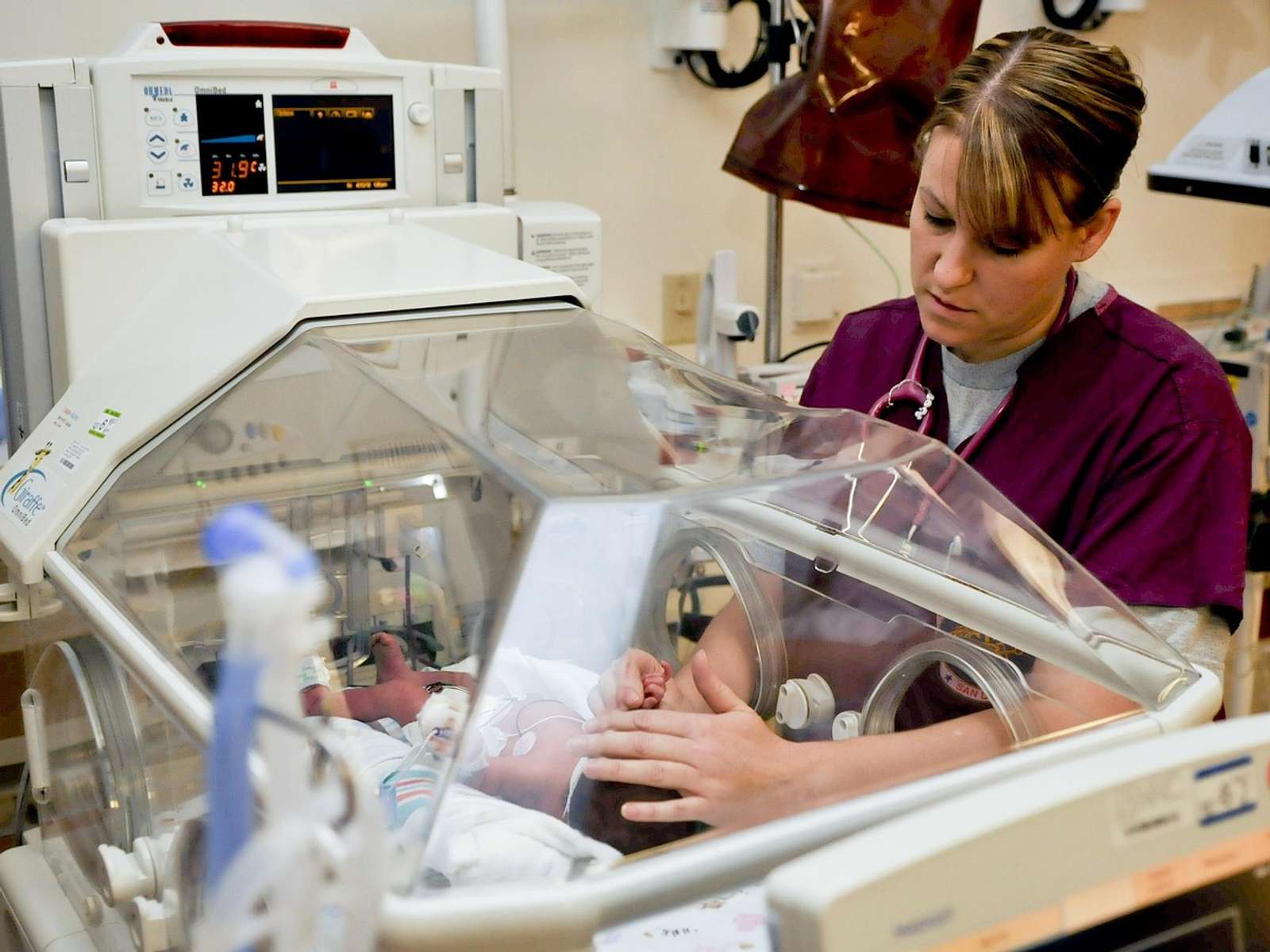
The neonatology center in Kragujevac, Serbia, has received a mobile X-ray machine, funded by UNICEF donors and OTP Bank, that images preterm and sick babies beside their incubators so they do not have to be moved.

Stanford researchers' urine test, uRARE-seq, detected localized bladder cancer with 95% sensitivity at 90% specificity in 683 samples and flagged which patients were more likely to respond to BCG immunotherapy.
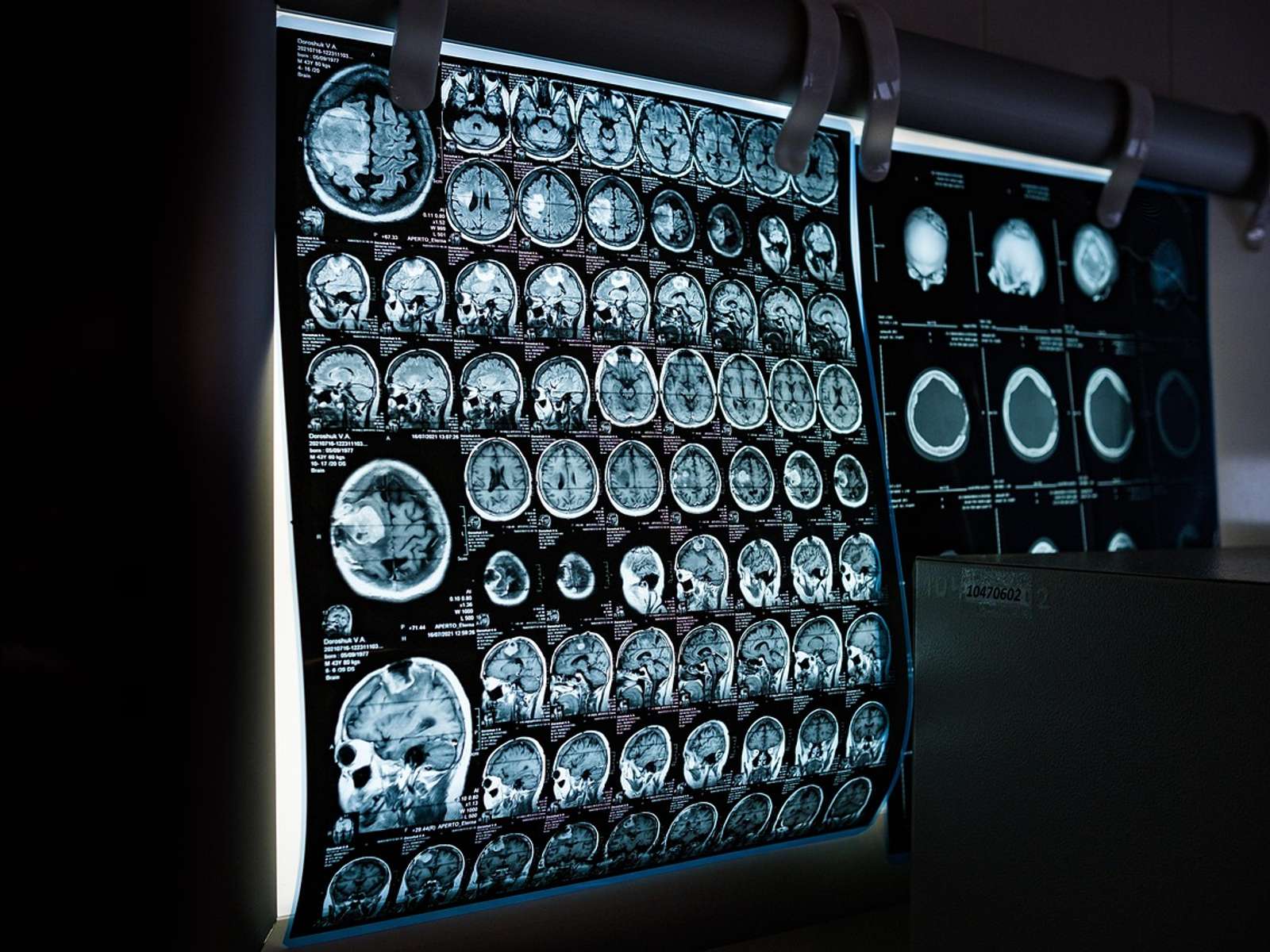
UC San Diego Health says it is the first West Coast health system to use a new coil that blocks the artery feeding chronic brain bleeds, a condition that is becoming more common as people age and take blood thinners.
The FDA has approved a first-in-class targeted treatment for metastatic pancreatic cancer after a major trial showed substantially longer median survival than standard chemotherapy.