South Africa opens FuturePharma to develop and make critical medicines at home
President Cyril Ramaphosa launched the CSIR's FuturePharma facility in Pretoria, an open-access site meant to turn lab research into locally made medicine ingredients and cut reliance on imports.
South Africa’s Council for Scientific and Industrial Research (CSIR) launched its FuturePharma facility in Pretoria on 7 October, at an event officiated by President Cyril Ramaphosa. The site is designed to help the country develop and manufacture critical medicines locally, the Presidency said.
The facility targets the gap between lab and factory
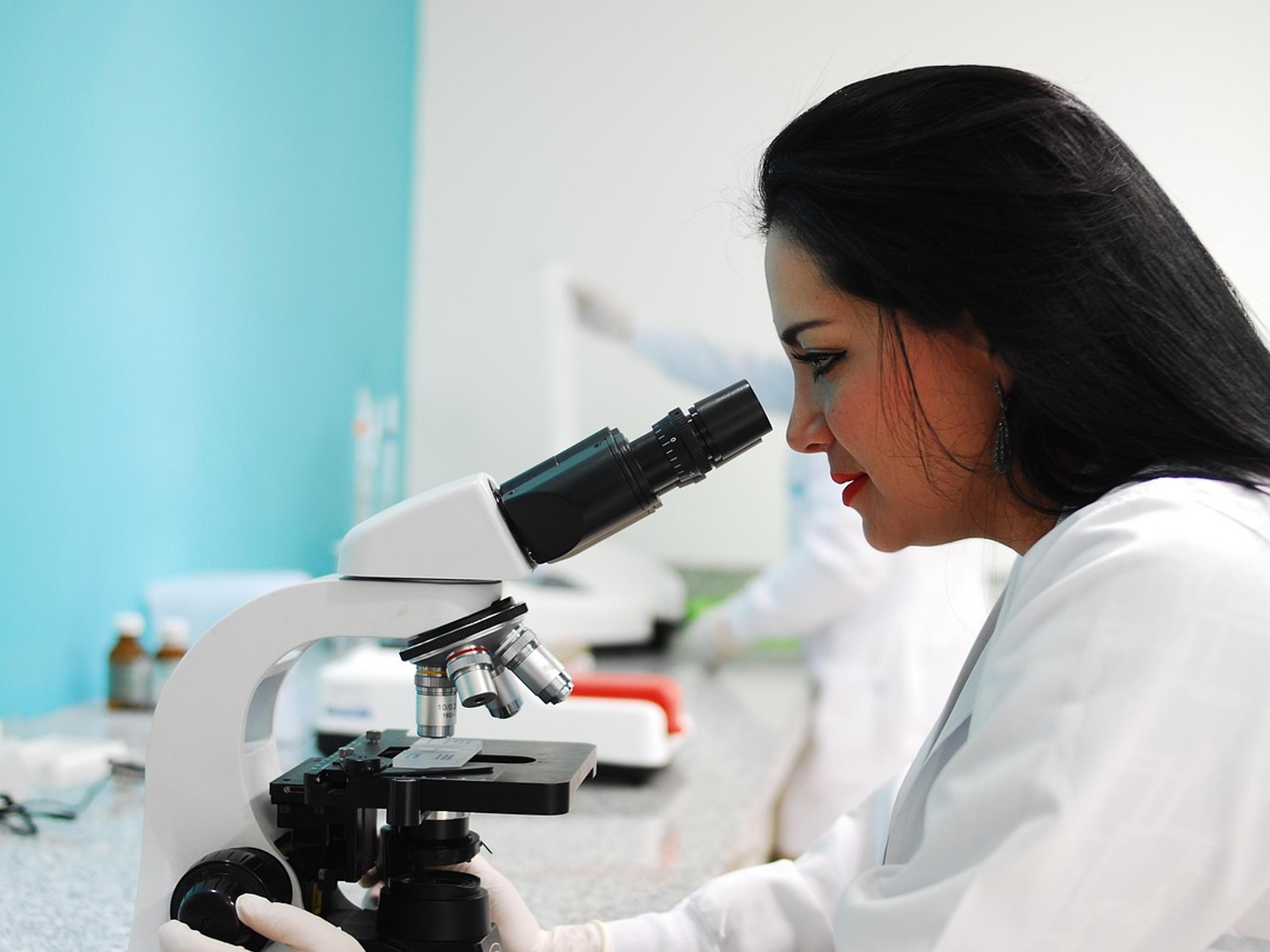
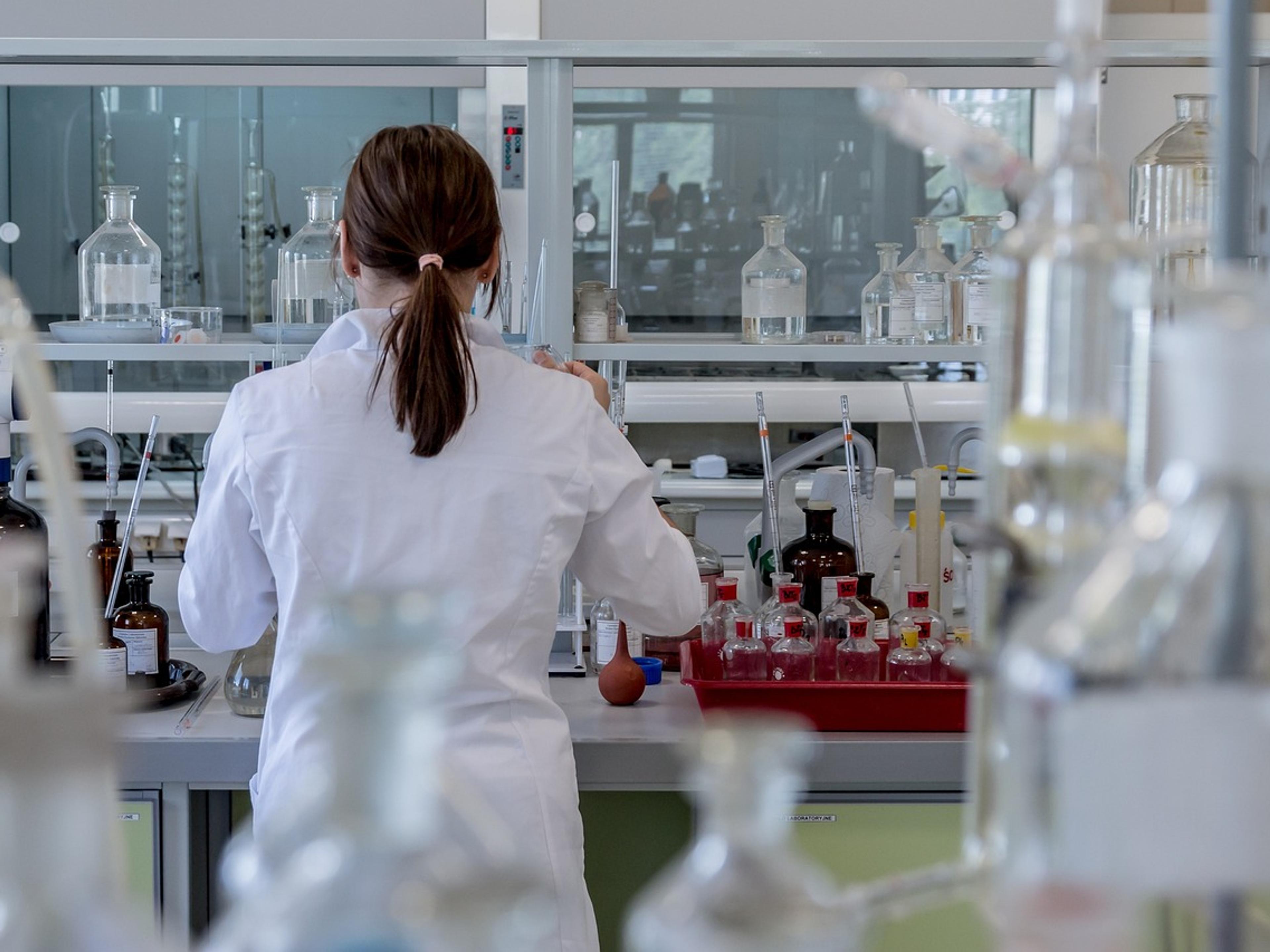
FuturePharma is an open-access facility for developing and producing active pharmaceutical ingredients (APIs), the substances in a medicine that do the therapeutic work. Researchers, innovators and companies can use its equipment and expertise to take promising lab results through development and scale-up towards manufacturing.
That step is often where promising ideas stall. The Presidency said the facility will also support technology transfer and skills development, giving local scientists and companies a place to test whether a process works at larger scale.
Small-molecule and biologic ingredients under one roof
The CSIR has said FuturePharma can make both small-molecule and biologic APIs, with flexible space for combined batch and continuous-flow process development, built to current Good Manufacturing Practice standards, according to an earlier CSIR announcement. The CSIR said the facility would be assessed against those standards and the requirements of the South African Health Products Regulatory Authority.
“Our intent is to be proactive in pandemic preparedness through innovative medical countermeasures accessible to African populations and beyond at a fraction of the cost.” — Dr Rachel Chikwamba, CSIR Group Executive for Advanced Chemistry and Life Sciences
Less dependence on imports during the next health emergency
The CSIR has pointed to Africa’s dependence on imported medicines, particularly for chronic diseases such as diabetes, cancer and heart disease. The Presidency said local API production should reduce that dependence, strengthen security of supply and improve the country's preparedness for future pandemics and health emergencies.
The facility is a platform rather than a factory for any single drug, so its impact will depend on which researchers and companies use it and what they bring to market. The Presidency said the launch would bring together cabinet members and leaders from government, science and industry.
Like what you're reading?
Related stories
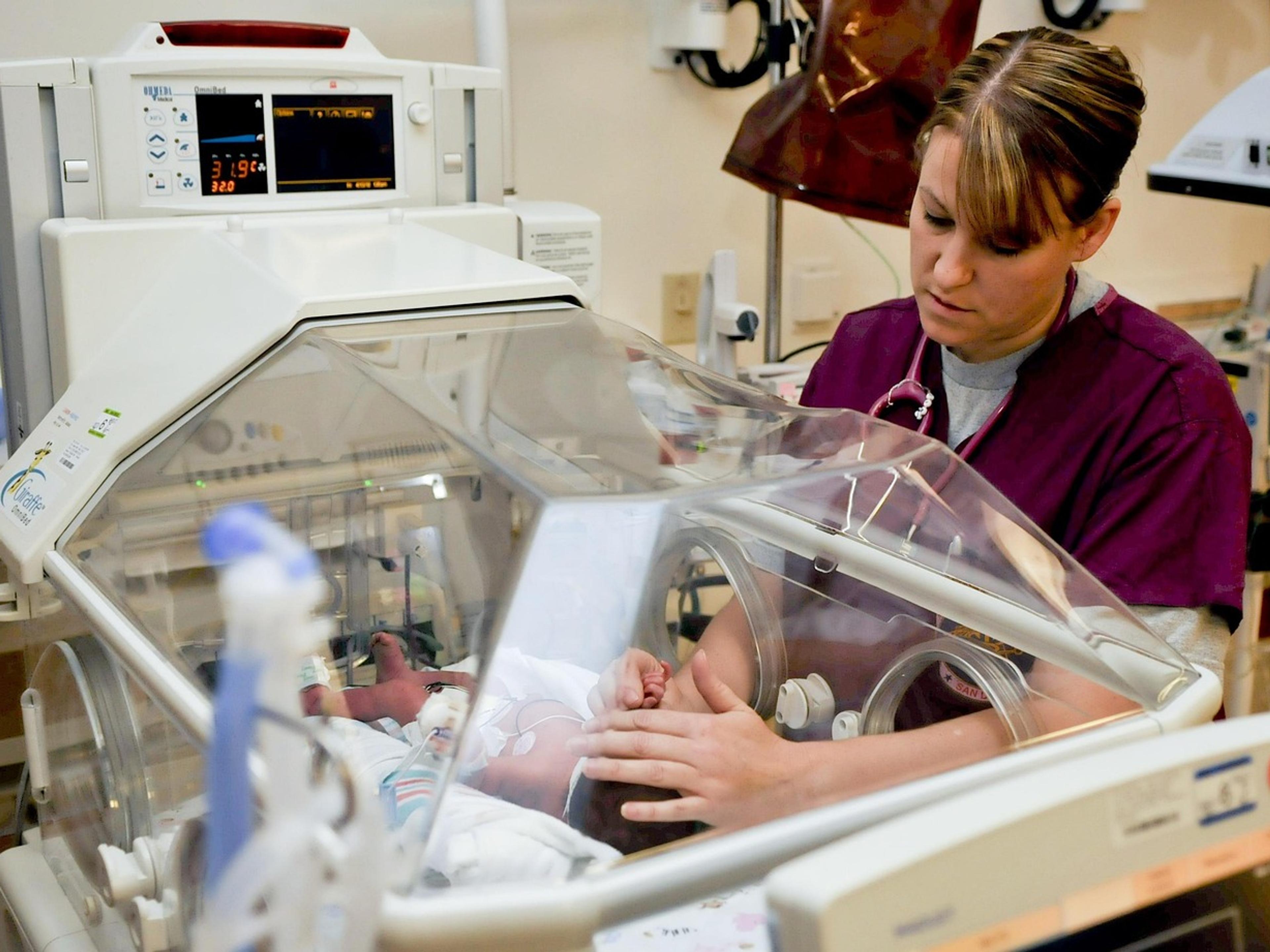
Mobile X-Ray Lets Doctors Scan Premature Babies in Serbia Without Moving Them
The neonatology centre in Kragujevac, Serbia, has received a mobile X-ray machine, funded by UNICEF donors and OTP Bank, that images preterm and sick babies beside their incubators so they do not have to be moved.
Twenty Asian Countries Push to Add Essential Dental Care to National Health Coverage
Oral health leaders from 20 Asian countries met in Malaysia at the midpoint of a WHO "100-Day Sprint" to build essential dental care into their universal health coverage plans.
Irish Radio Listeners Raise €500,000 for Home Nursing Care for Seriously Ill Children
Today FM’s first Power Hour campaign raised €500,000 for the Jack and Jill Children’s Foundation, enough to fund about 25,000 hours of in-home nursing care and respite for families of children with complex needs.