Mobile X-Ray Lets Doctors Scan Premature Babies in Serbia Without Moving Them
The neonatology centre in Kragujevac, Serbia, has received a mobile X-ray machine, funded by UNICEF donors and OTP Bank, that images preterm and sick babies beside their incubators so they do not have to be moved.
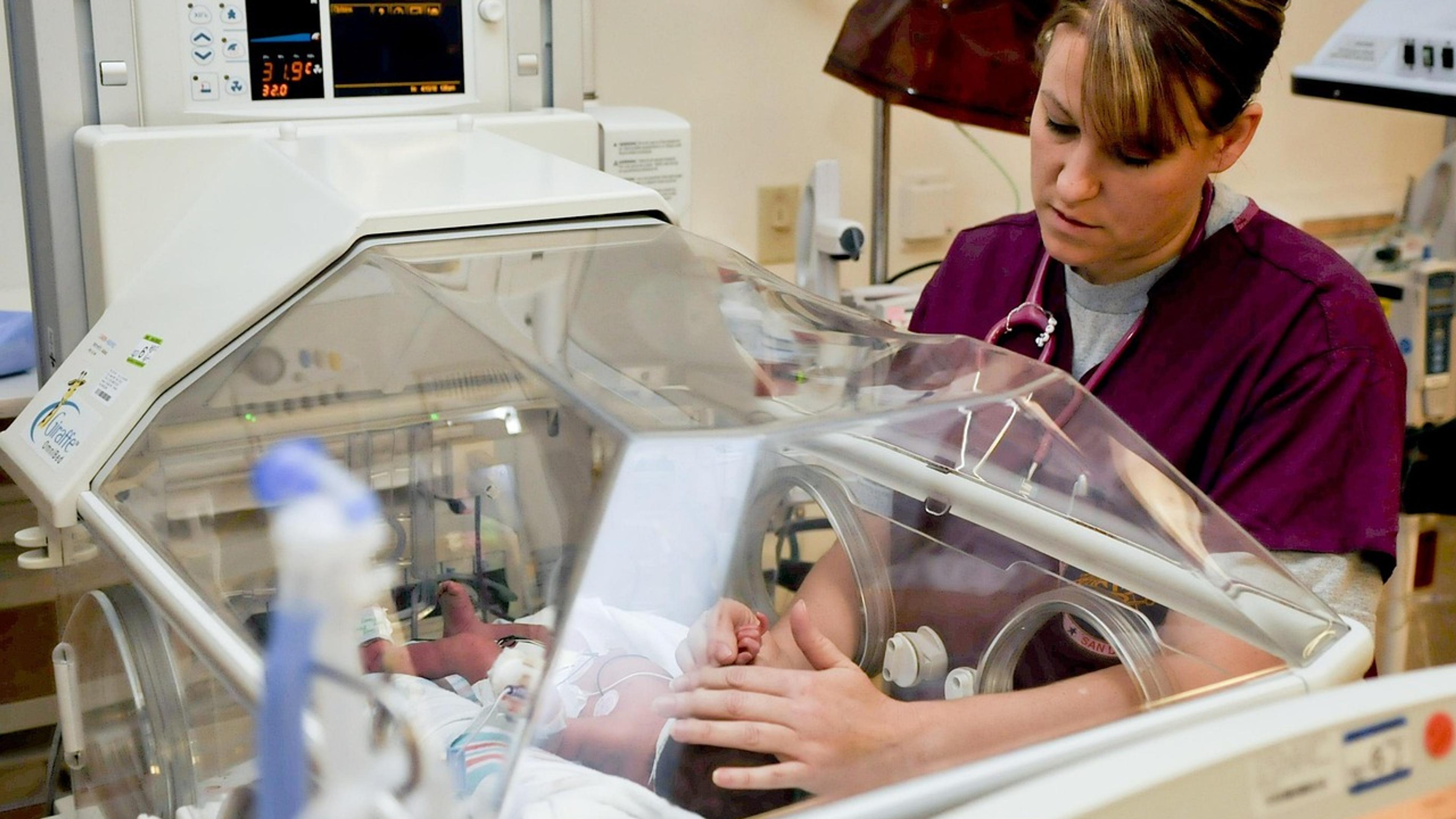
The Neonatology Centre at University Clinical Centre Kragujevac in Serbia has received a mobile X-ray machine that lets doctors image preterm and sick babies beside their cots or incubators, UNICEF Serbia said on October 6.
For the smallest patients, moving is a risk
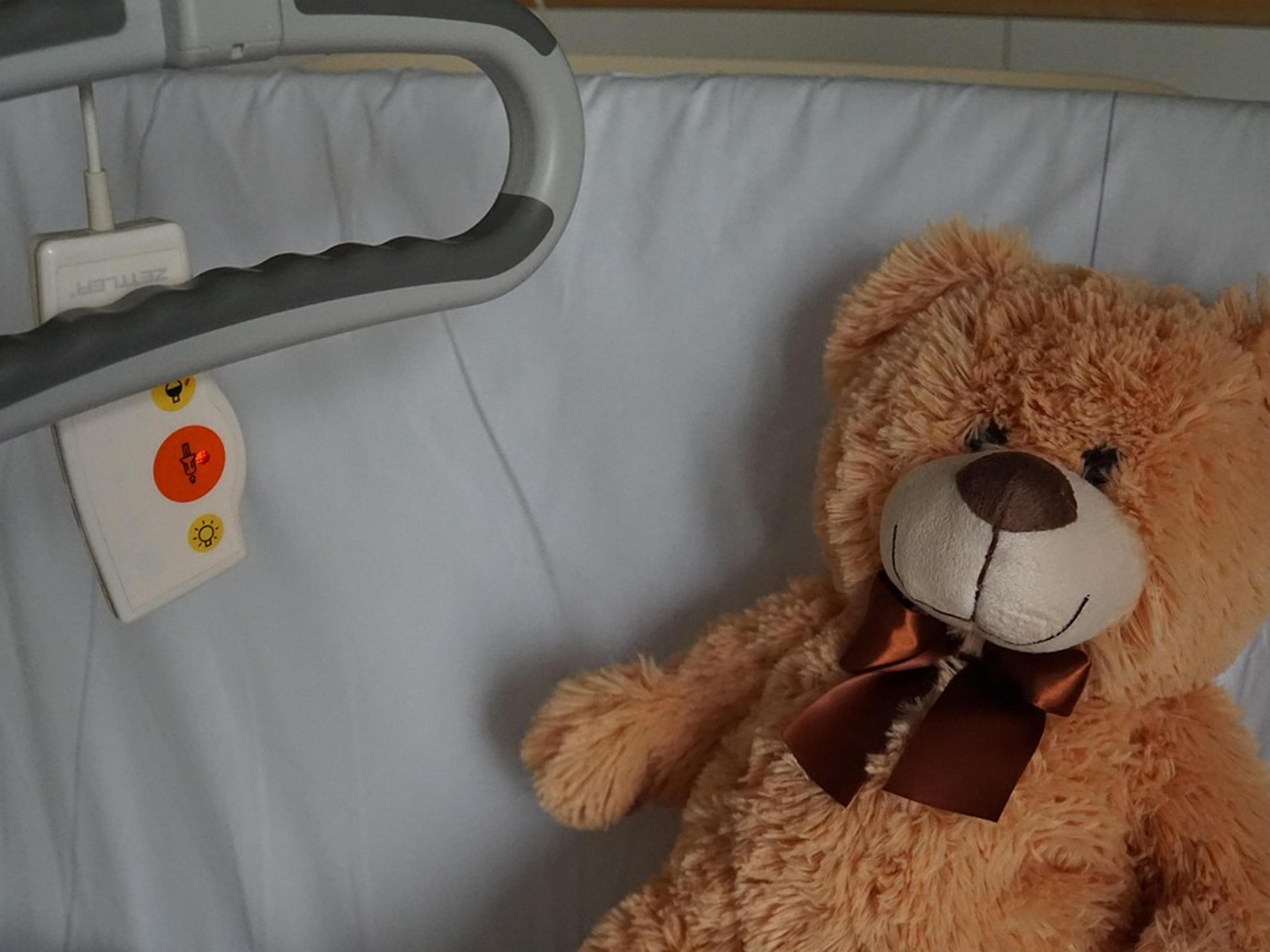
For preterm and sick babies, any movement can pose an added risk. Imaging them where they lie means safer, faster diagnosis and quicker treatment decisions. The machine, worth 12 million Serbian dinars, was funded by companies and individual UNICEF donors, with OTP Bank covering half.
“The mobile X-ray machine will enable our doctors to carry out diagnostic imaging quickly and safely, directly at the child’s bedside, without the risks involved in moving our most vulnerable patients.” — Prof. Dr Slobodan Milisavljević, Acting Director, University Clinical Centre Kragujevac
Newborn deaths in Serbia have fallen by more than a third
Serbia’s neonatal mortality fell from 4.63 per 1,000 live births in 2010 to 2.91 in 2025, according to UNICEF, which has invested more than €1 million in newborn care in the country since 2018. Close to 150 health workers have been trained in family-centred developmental care, including skin-to-skin contact.
At the handover, Ljubica Mijailović spoke about her twins, born at 30 weeks in Kragujevac weighing 1,340 and 960 grams. Petra and Jovana are now two and a half and go to nursery. The centre treats preterm and sick babies from across central and western Serbia.
Like what you're reading?
Related stories
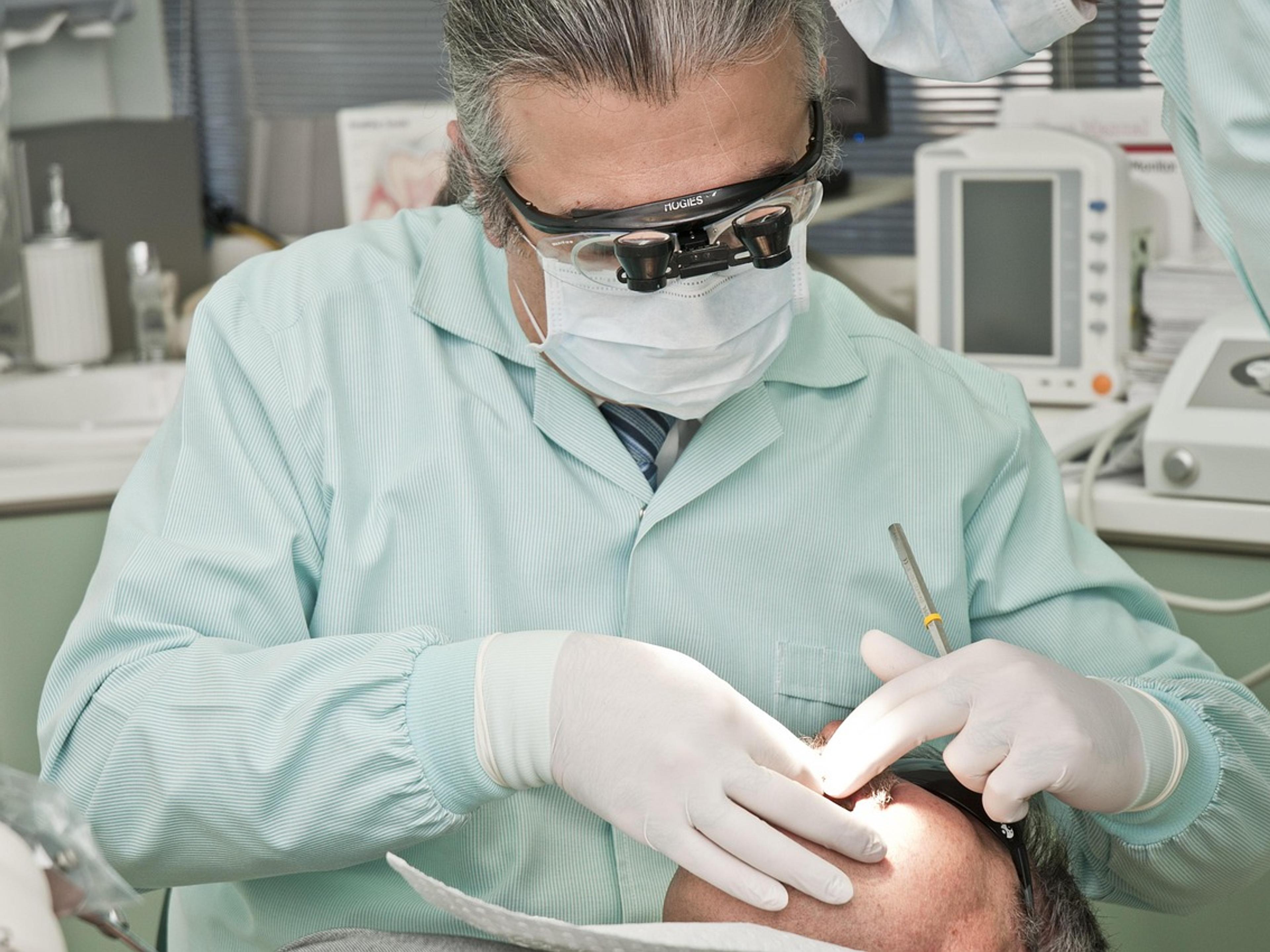
Twenty Asian Countries Push to Add Essential Dental Care to National Health Coverage
Oral health leaders from 20 Asian countries met in Malaysia at the midpoint of a WHO "100-Day Sprint" to build essential dental care into their universal health coverage plans.
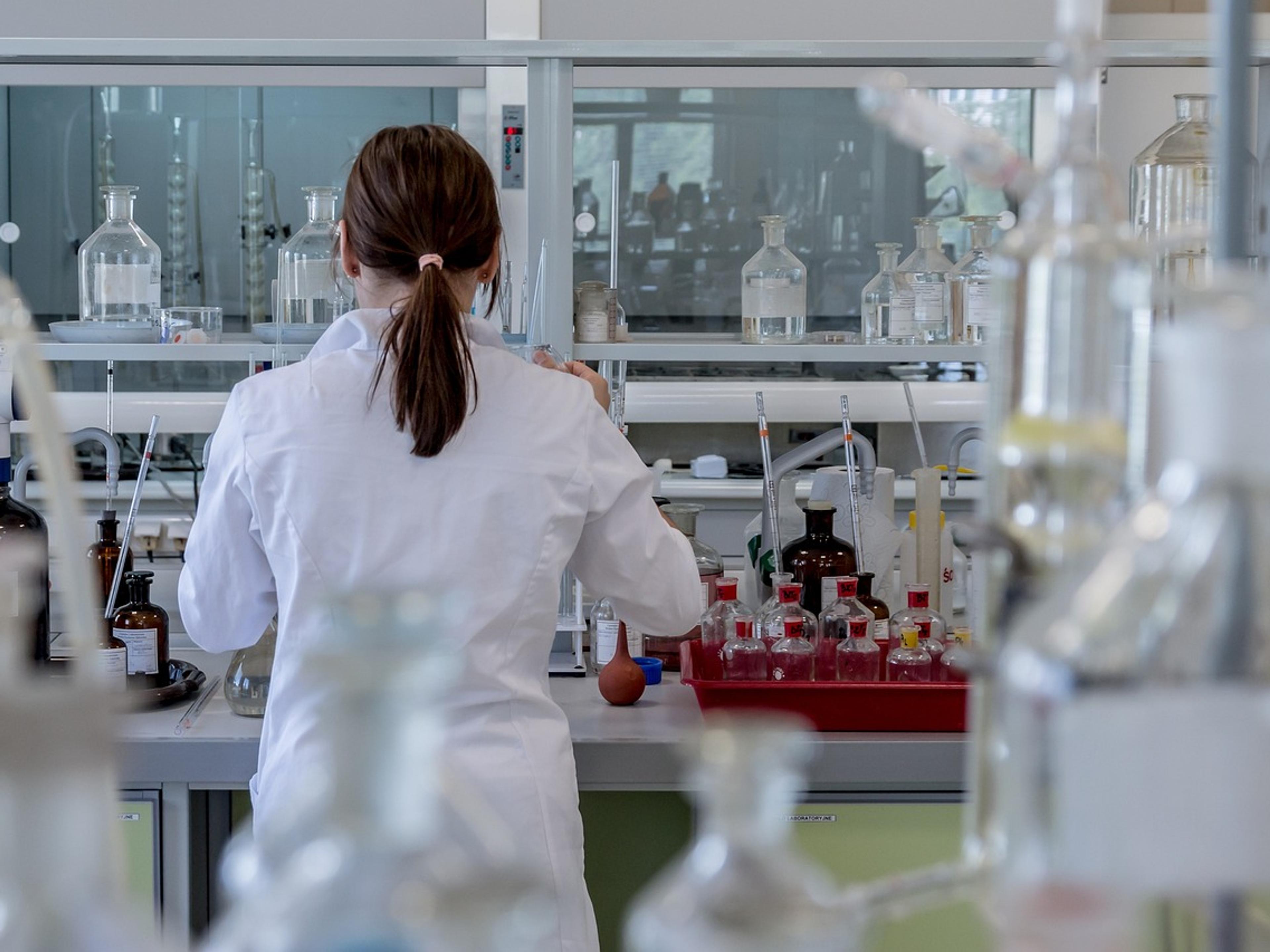
A Urine RNA Test Detected 95% of Localized Bladder Cancers and Predicted Who Would Respond to BCG
Stanford researchers' urine test, uRARE-seq, detected localized bladder cancer with 95% sensitivity at 90% specificity in 683 samples and flagged which patients were more likely to respond to BCG immunotherapy.
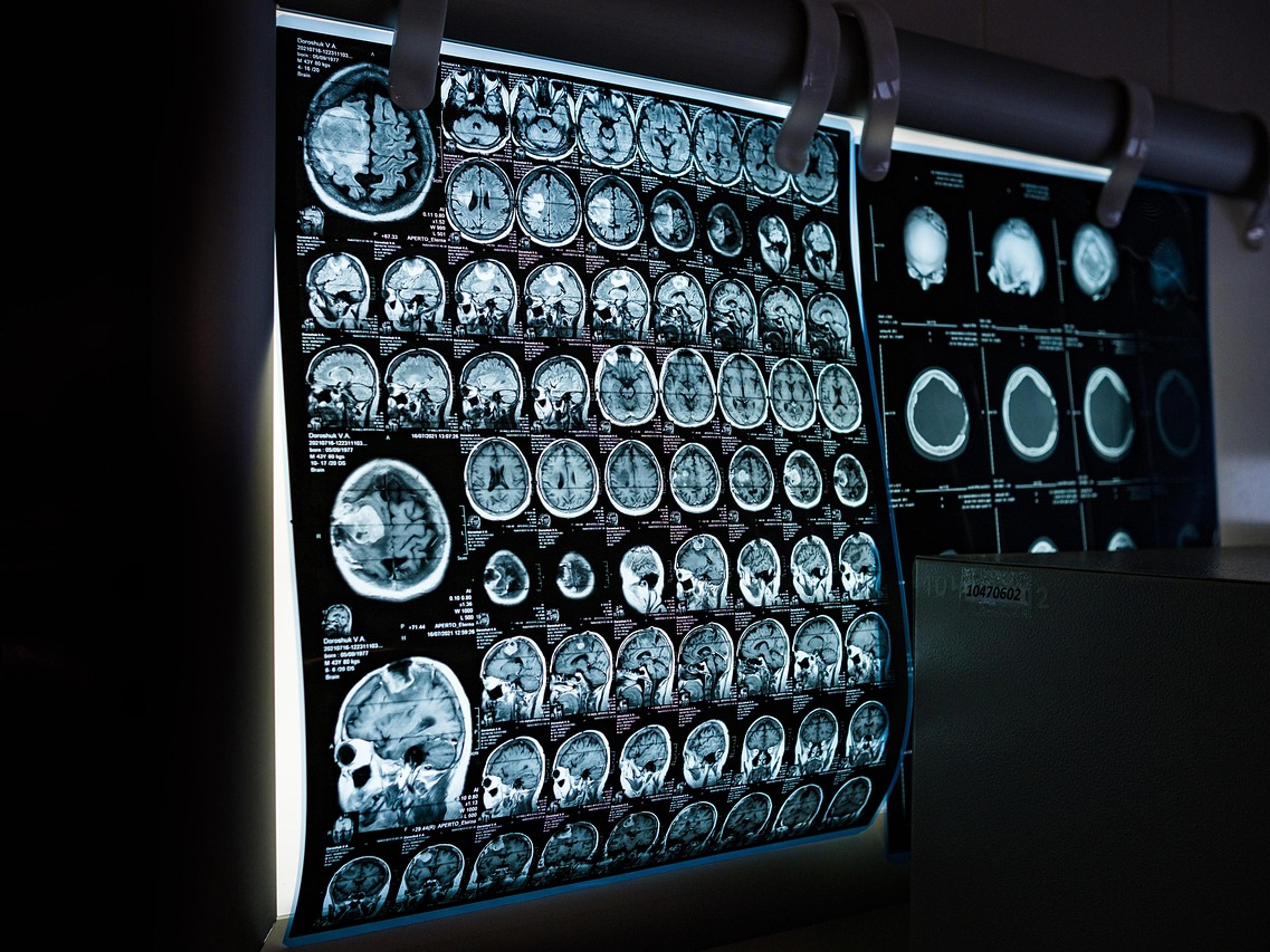
Doctors Are Treating Dangerous Brain Bleeds Without Open Surgery, Using New Minimally Invasive Tools
UC San Diego Health is the first West Coast health system to use new coil and liquid embolization technology that treats chronic brain bleeds through blood vessels instead of open surgery.