In Somalia, a community health worker goes door to door to catch child malnutrition early
In Jowhar, Somalia, community health worker Nafiso Ibrahim Ali visits homes every day to screen children for malnutrition and refer those who need it to treatment, UNICEF reports.
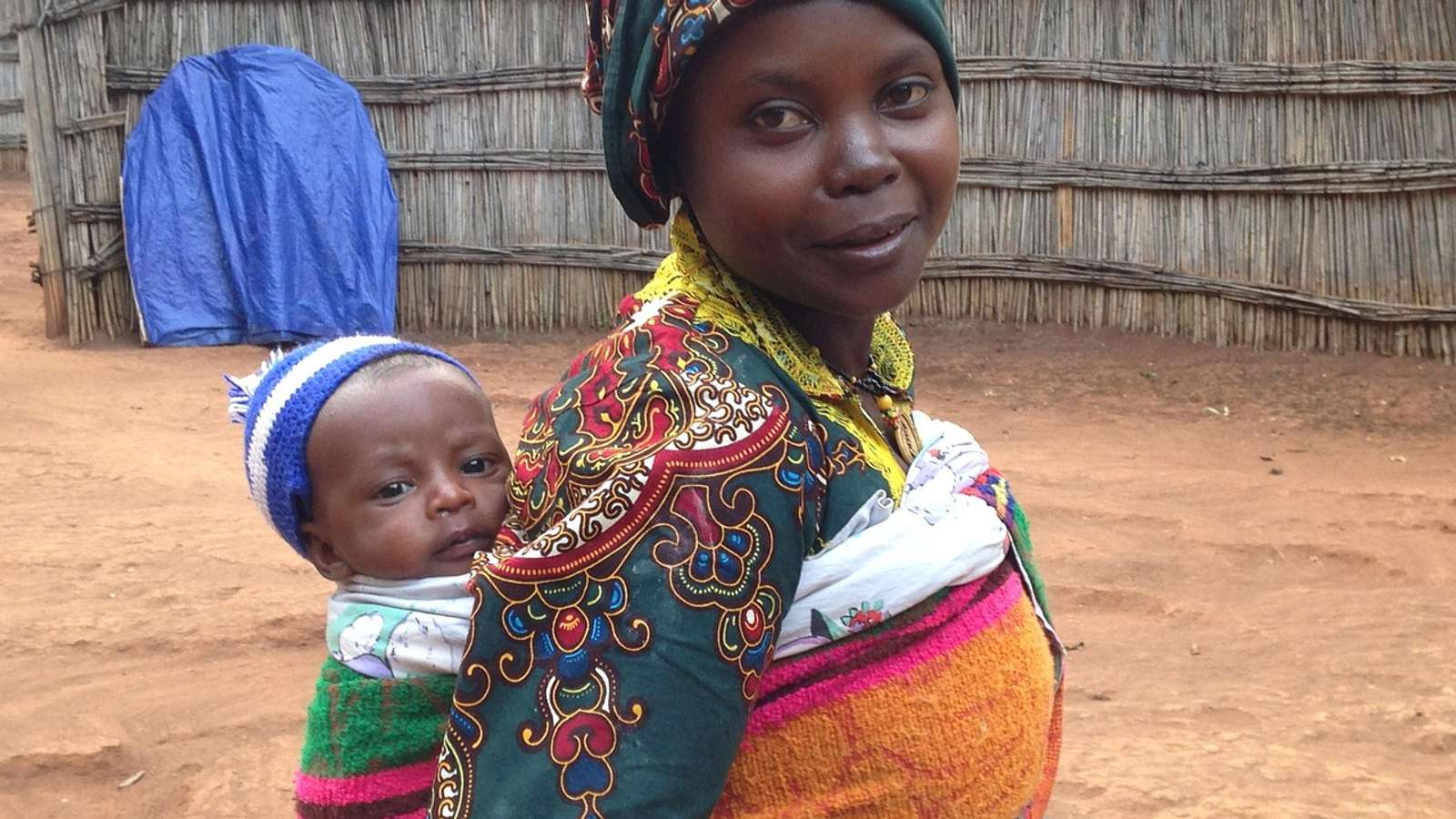
Every morning from 8 o'clock, community health worker Nafiso Ibrahim Ali walks from home to home in Jowhar, Somalia, screening children for malnutrition and connecting those who need it with treatment, UNICEF Somalia reported on 10 October.
Seven years of work in her own neighborhood
Nafiso, 26, was born and raised in Jowhar's Horseed neighborhood and has worked in the community for seven years. A mother of three herself, she spends her days from 8 a.m. to 4 p.m. visiting families: measuring children, talking with caregivers, sharing information and referring children to nutrition services.
One of those families is Maryan Calaso Geedi's. Maryan, 23 and a mother of three, was displaced from Ceel Cad by drought. Her husband earns a living moving goods with a handcart, and she sells grass she collects. When her youngest child was found to have severe acute malnutrition, the child was referred to the health center and enrolled in treatment with ready-to-use therapeutic food.
Reaching families who face barriers to care
For displaced and vulnerable families, getting to a clinic can be hard, and malnutrition caught early is easier to treat before it becomes severe. Community health workers screen, counsel, refer and follow up in people's own homes, which UNICEF says helps reach families who might otherwise be missed.
The need is large. About 1.9 million children in Somalia face acute malnutrition, 493,000 of them in its severe form, and 6 million people, 31% of the population, faced crisis-level hunger or worse between April and June 2026, UN agencies said in a joint statement in May. They warned of a risk of famine in Burhakaba district under a worst-case scenario.
The work in Jowhar is supported by the European Union's humanitarian aid department, ECHO.
Early detection saves lives
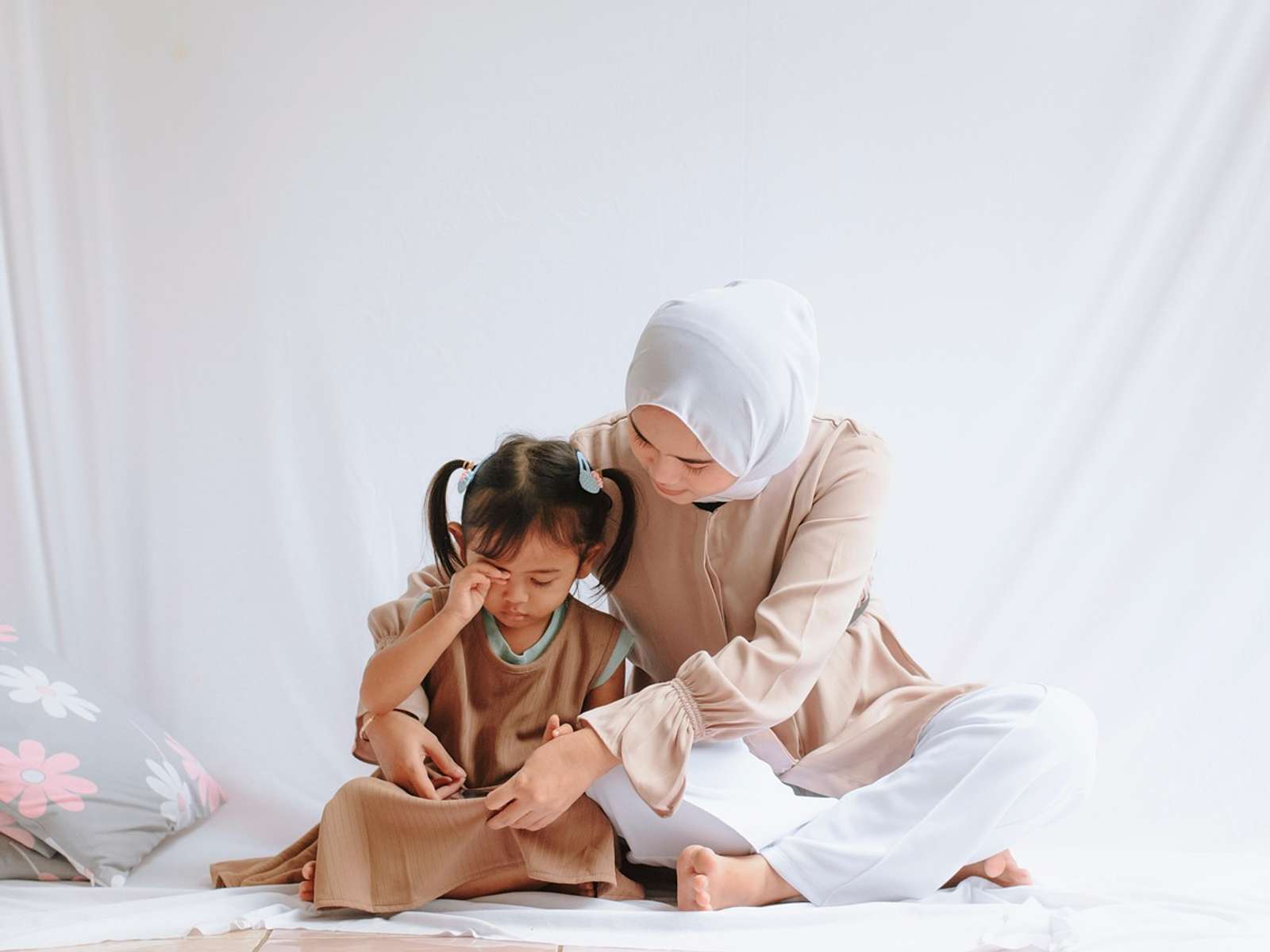
UNICEF's story is a single example rather than a program evaluation. The same approach of finding children early and treating them close to home helped two-year-old Margaretha recover from severe malnutrition in Indonesia.
UNICEF's account does not say how many community health workers are active in Jowhar or how many children they have screened, so it shows how the approach works rather than how far it reaches.
Not medical advice. This article reports on research and health programs for general information. Results from early studies often change in larger trials. Talk to a doctor before making decisions about your own health or treatment.
Sources
- UNICEF Somalia · unicef.org
- unicef.org
How we choose and verify sources: editorial policy.