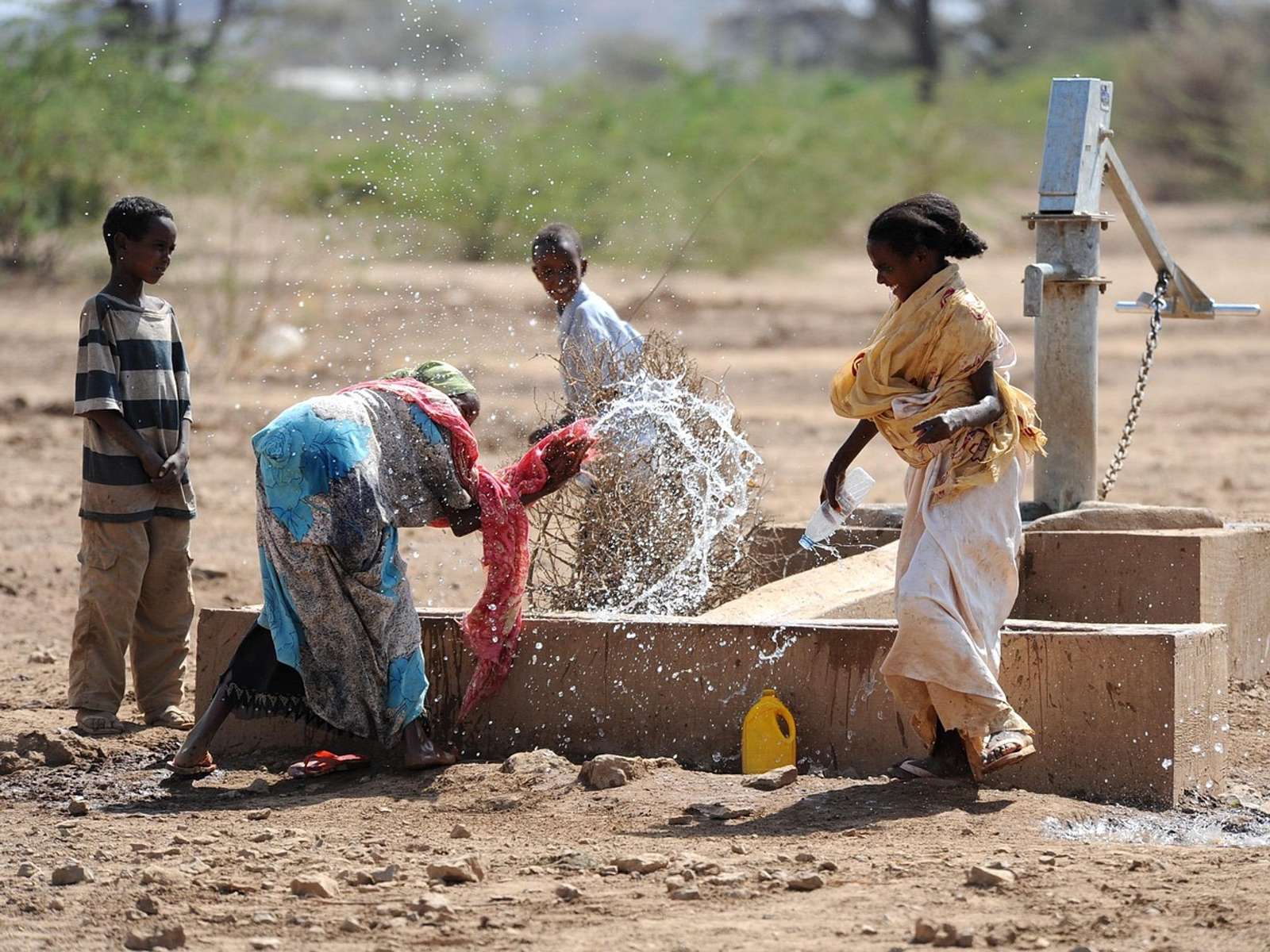
Austria funds safer water for 72,000 people in Uganda's refugee-hosting West Nile districts
Austria is giving EUR 3.5 million, and UNICEF EUR 390,000, for a three-year water and sanitation program in Uganda's Yumbe and Madi-Okollo districts, home to the Bidibidi and Rhino Camp refugee settlements. More than 72,000 people should benefit.
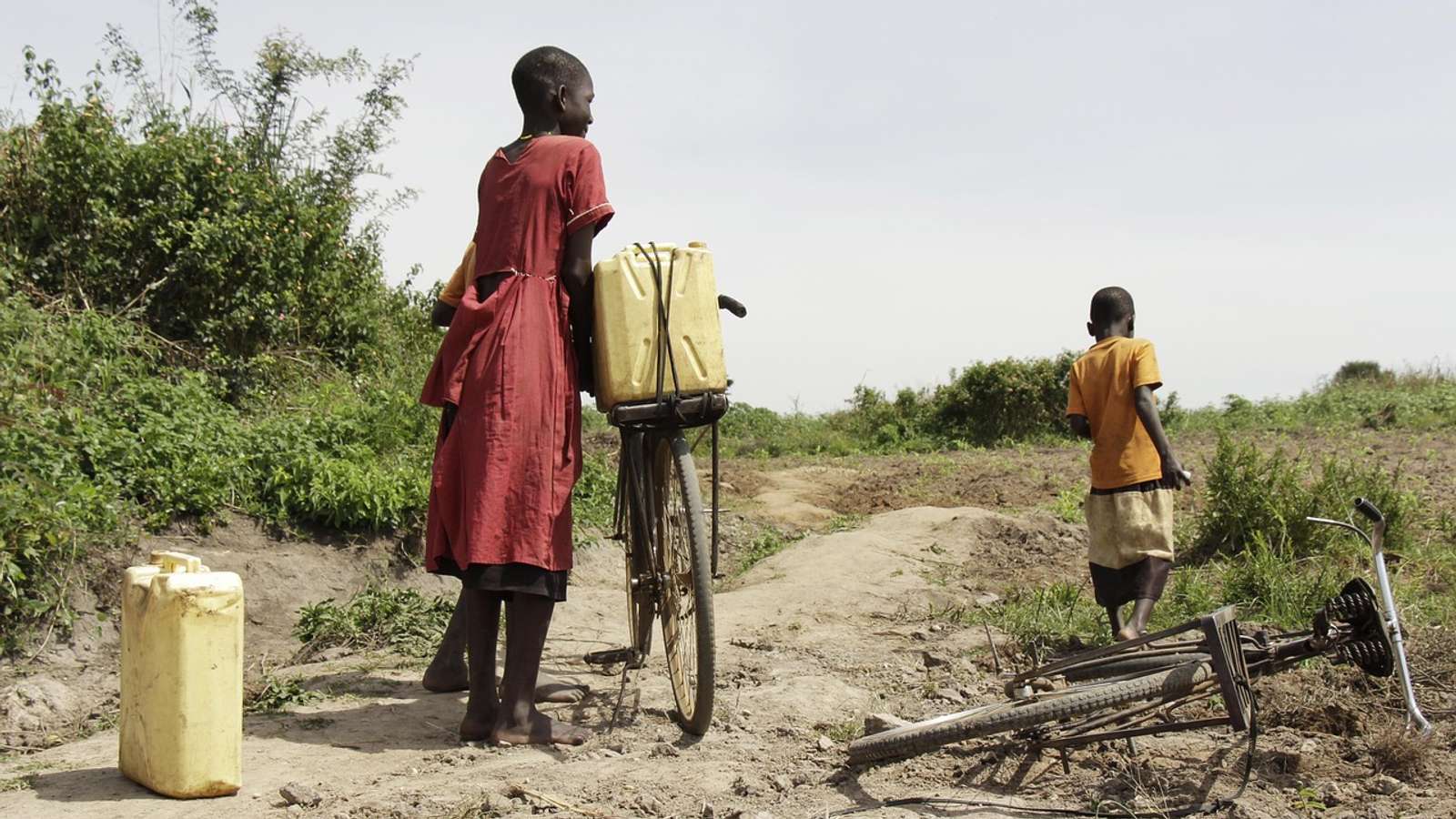
Austria and UNICEF signed an agreement in Kampala on 6 November to bring climate-resilient water and sanitation to more than 72,000 people in northern Uganda, UNICEF said. The Austrian Development Agency provides EUR 3.5 million (about UGX 14.96 billion), and UNICEF adds EUR 390,000, for a total of EUR 3.89 million over three years.
Two districts under water stress
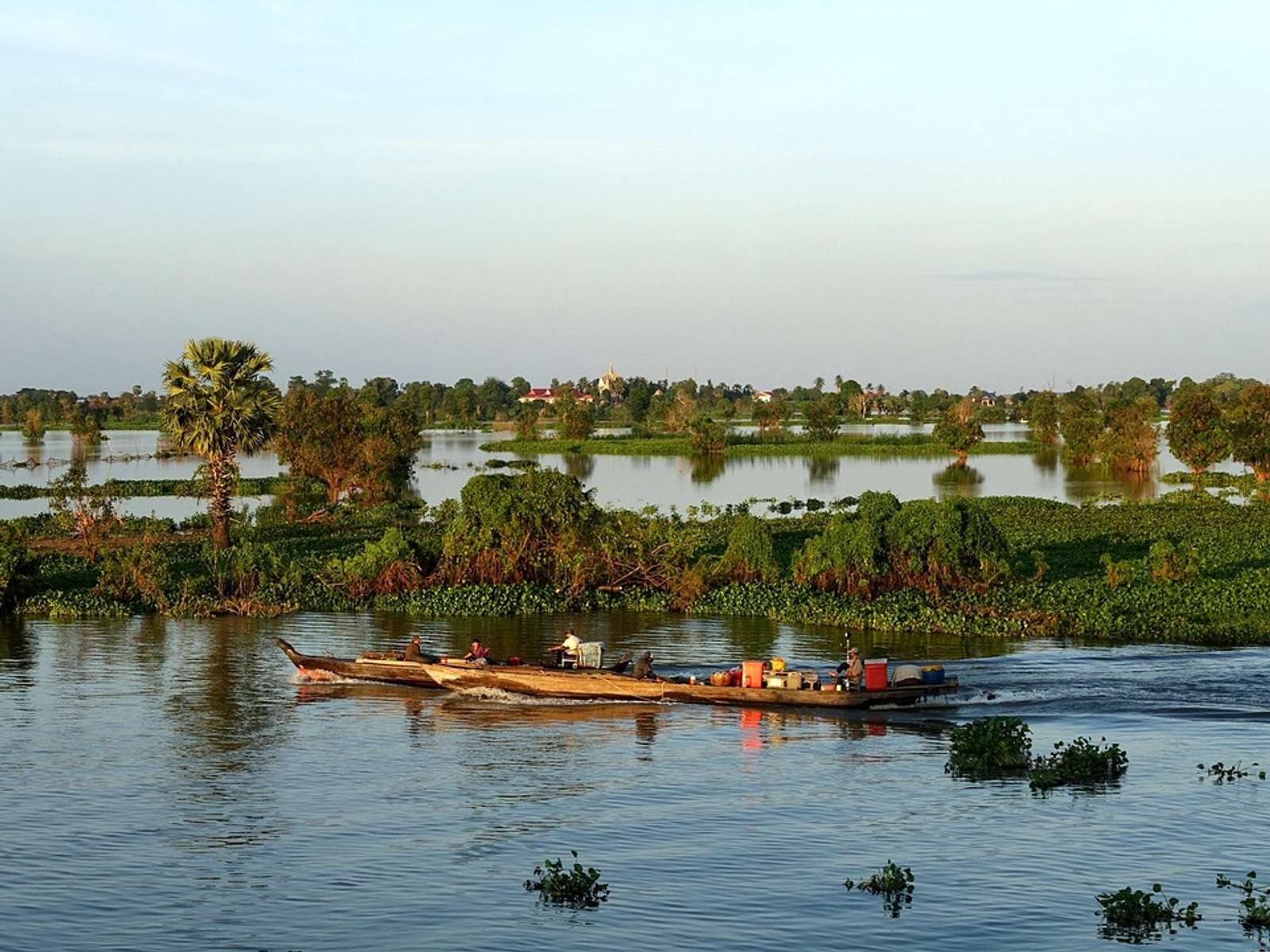
The program covers Yumbe and Madi-Okollo in the West Nile region, which host the Bidibidi and Rhino Camp refugee settlements. Both face erratic rainfall, long dry seasons and falling groundwater. On average, 71 pupils share one latrine there, against a national standard of 40, and one in three health facilities lacks adequate water and sanitation services.
“Safe water and sanitation are not privileges; they are fundamental human rights.” — Dr. Katja Kerschbaumer, Head of Austrian Embassy/Development Cooperation
Schools, clinics and two community systems
The 72,000 people include about 14,925 children in primary and secondary schools. About 50,000 people would be served through five health centers, and an estimated 8,000 community members through two community water systems. Work includes building and repairing climate-resilient water systems and sanitation facilities, and training local people to operate and maintain them.
Separate hygiene and behavior-change work aims to reach more than 1.3 million people, including over 400,000 refugees. To protect water sources, the program adds biogas systems, managed aquifer recharge, catchment restoration, tree planting and community bylaws. “Safe water and sanitation are essential for children's health, learning and dignity,” said Dr. Robin Nandy, UNICEF's representative in Uganda.
Three years to deliver
The money has been committed, and the systems still have to be built. The program runs from 1 October 2026 to 30 September 2029. UNICEF did not publish a schedule for individual sites. The numbers above are targets, not results so far. More stories on water access are collected under clean water.
Sources
- UNICEF Uganda · unicef.org
How we choose and verify sources: editorial policy.