Projects that bring safe water and sanitation to people who lacked it, from boreholes and solar pumps to new ways of treating contaminated water.
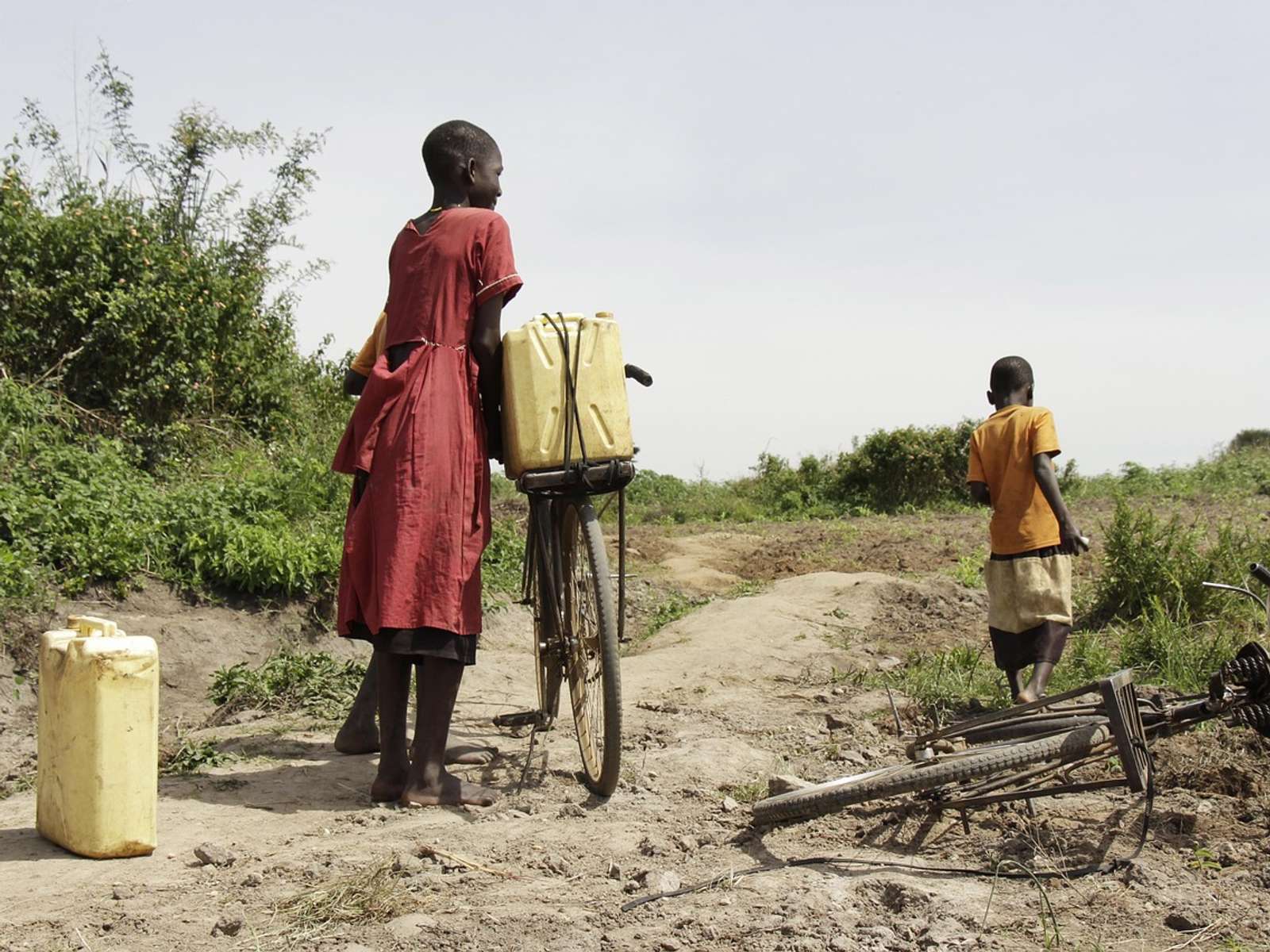
Austria is giving EUR 3.5 million, and UNICEF EUR 390,000, for a three-year water and sanitation program in Uganda's Yumbe and Madi-Okollo districts, home to the Bidibidi and Rhino Camp refugee settlements. More than 72,000 people should benefit.
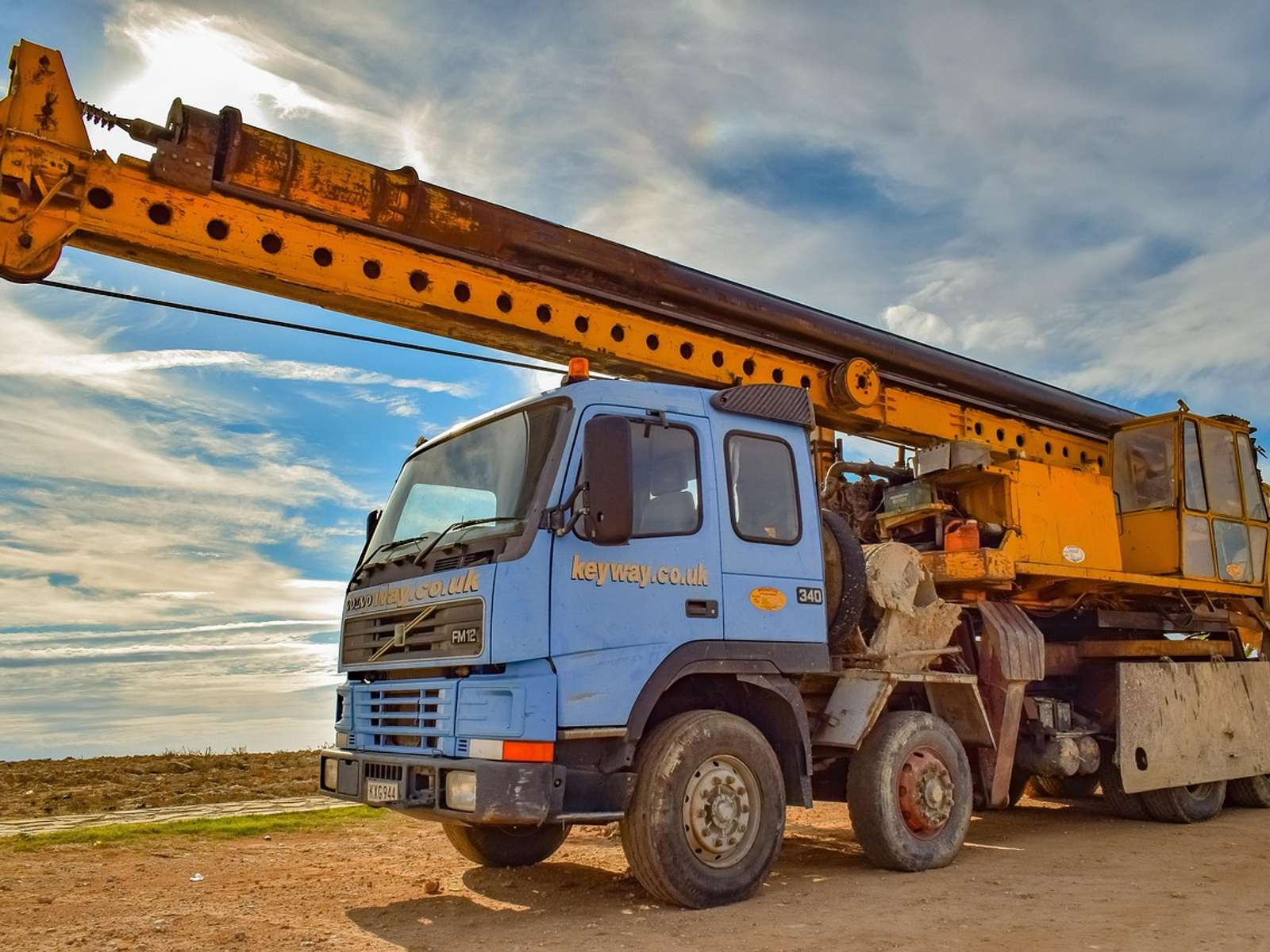
A UNDP groundwater project in Ethiopia's Somali Region drilled 11 high-yield boreholes in 2026, and four water systems now supply 41,112 people, seven schools, three health facilities and 76,618 livestock.
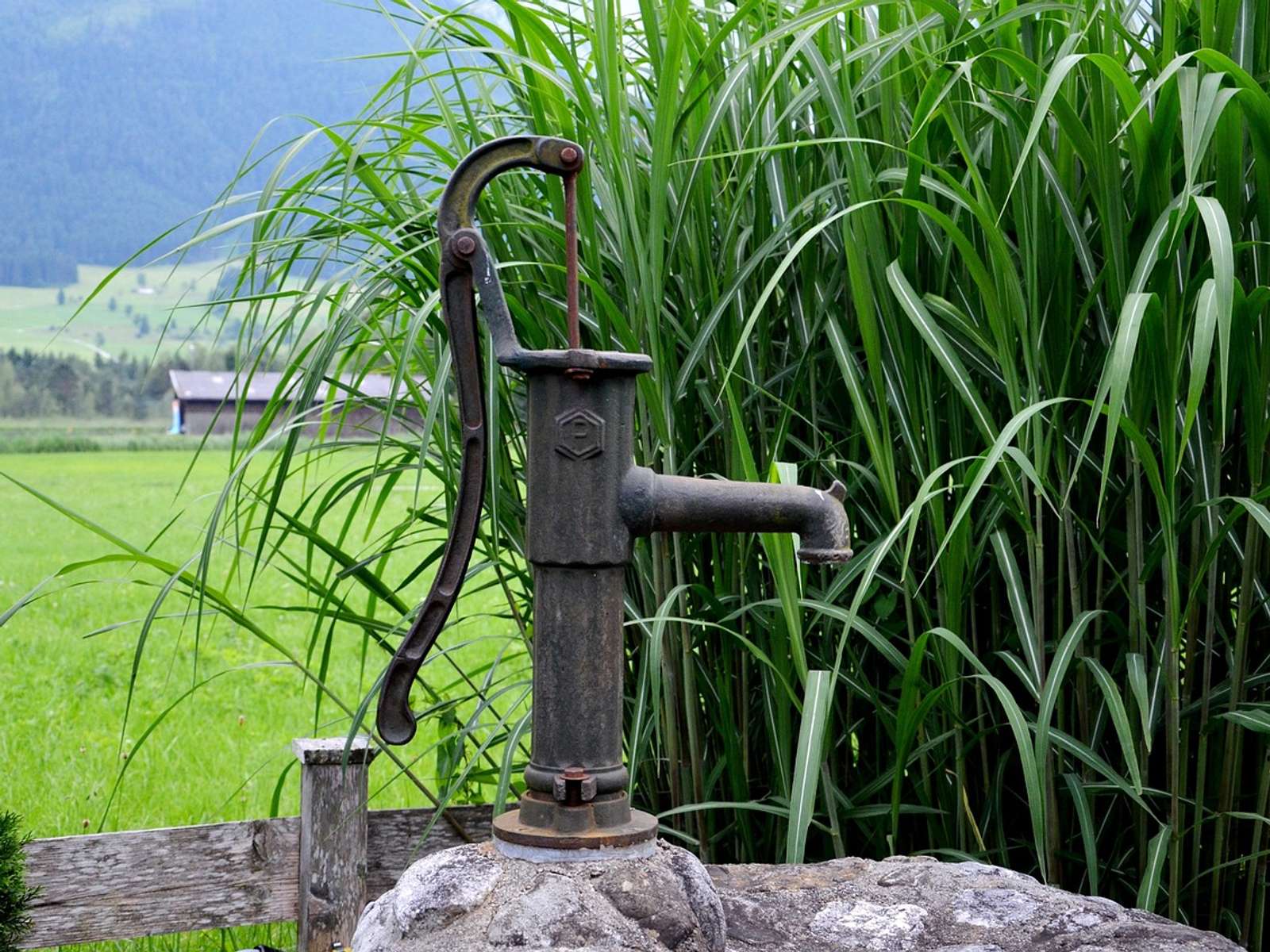
With funding from the Republic of Korea, UNICEF has built 19 boreholes, solar-powered pumps, reservoirs and pipe networks in climate-vulnerable communities including Ghor province, reaching over 39,000 children and their families.
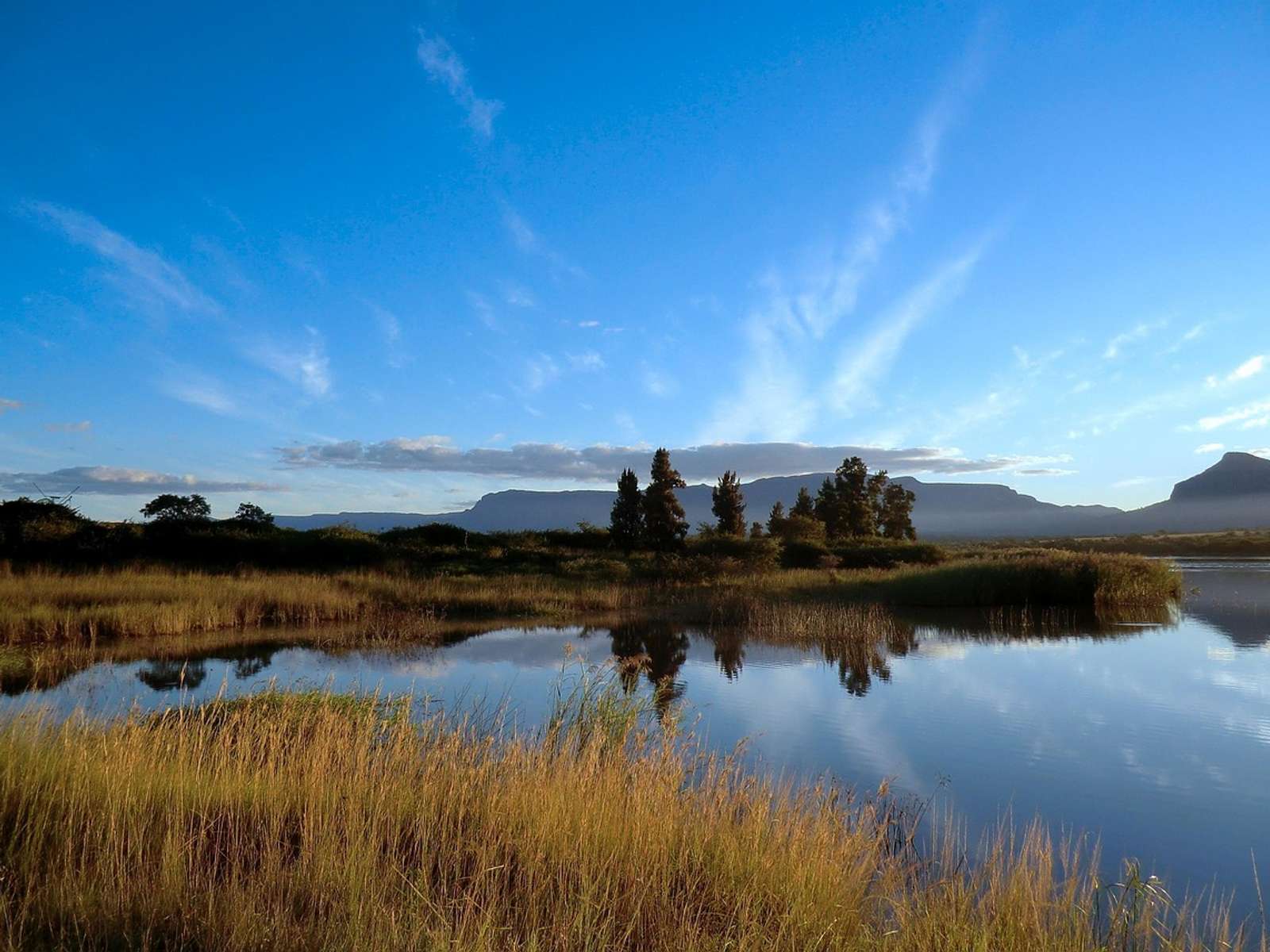
South Africa has declared the Grasslands National Park, 18 properties covering about 10,226 hectares between Nqanqarhu and Rhodes. It is the first national park created mainly through landowners signing on to protect their land.
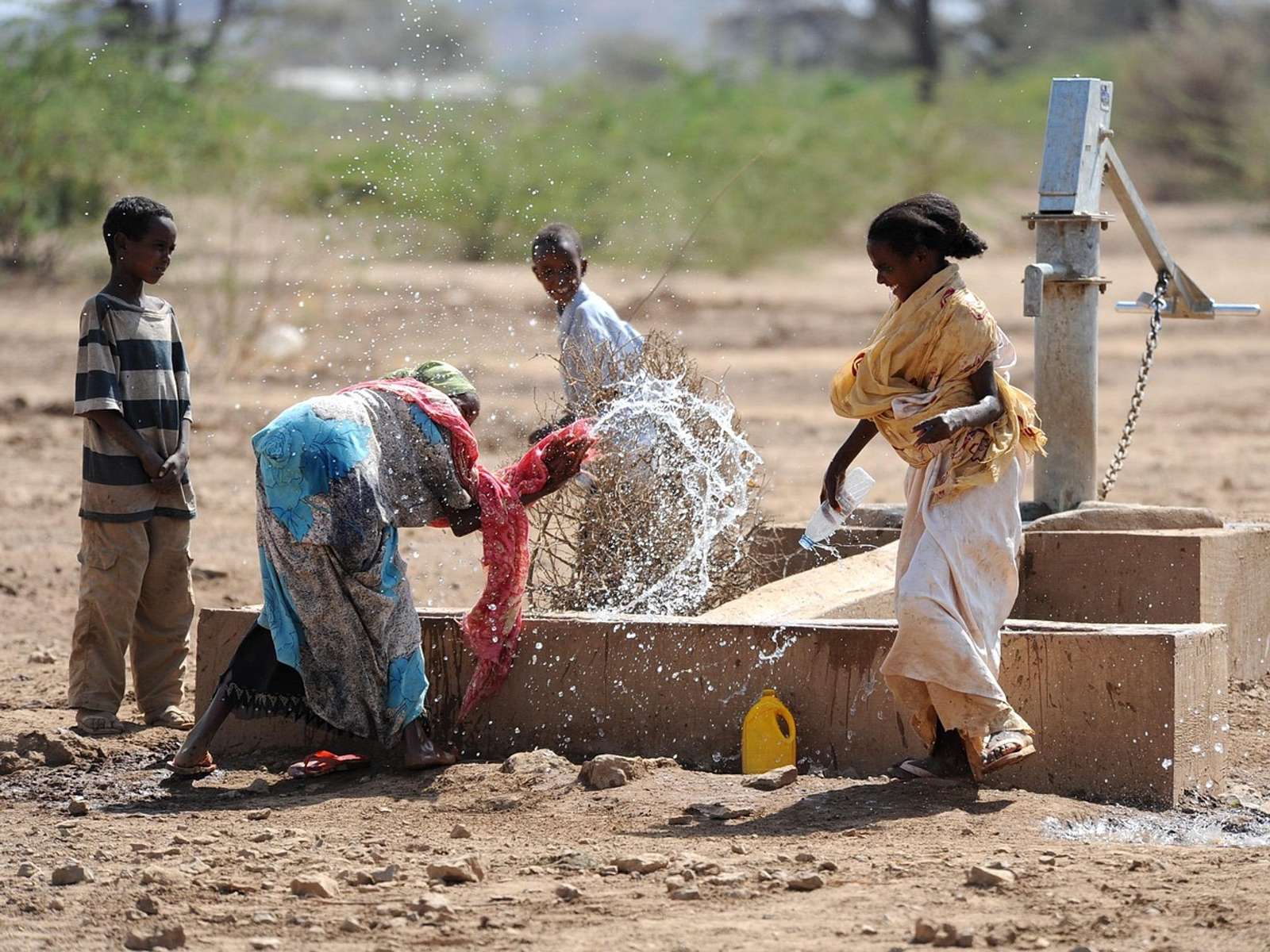
After a cholera outbreak with 720 suspected cases and 46 deaths, UNICEF and Oxfam set up river-water treatment systems in villages along the Oubangui in the Central African Republic, aiming to give 15,000 people safe water.

In Tawila, North Darfur, a solar-powered water yard built by UNICEF now gives about 10,000 displaced people at least 15 liters of safe water a day each, from 36 taps. Mothers like Hayat no longer queue for water trucks before sunrise.
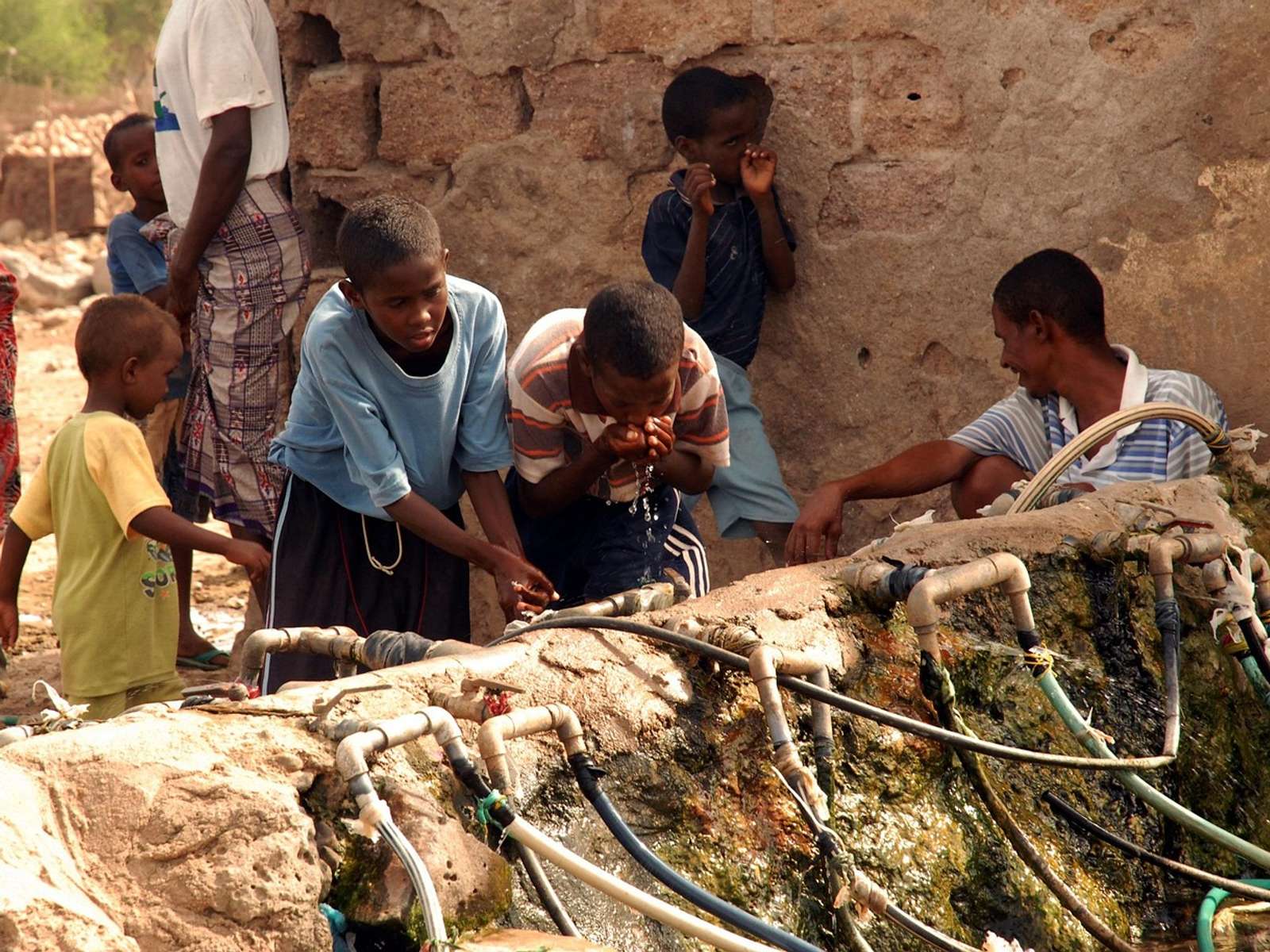
In Berehale, a town in Ethiopia's Afar region, 900 families now have water connected to their homes through a solar-pumped network for refugees and host communities, supported by UNICEF under the Dutch-funded PROSPECTS partnership.
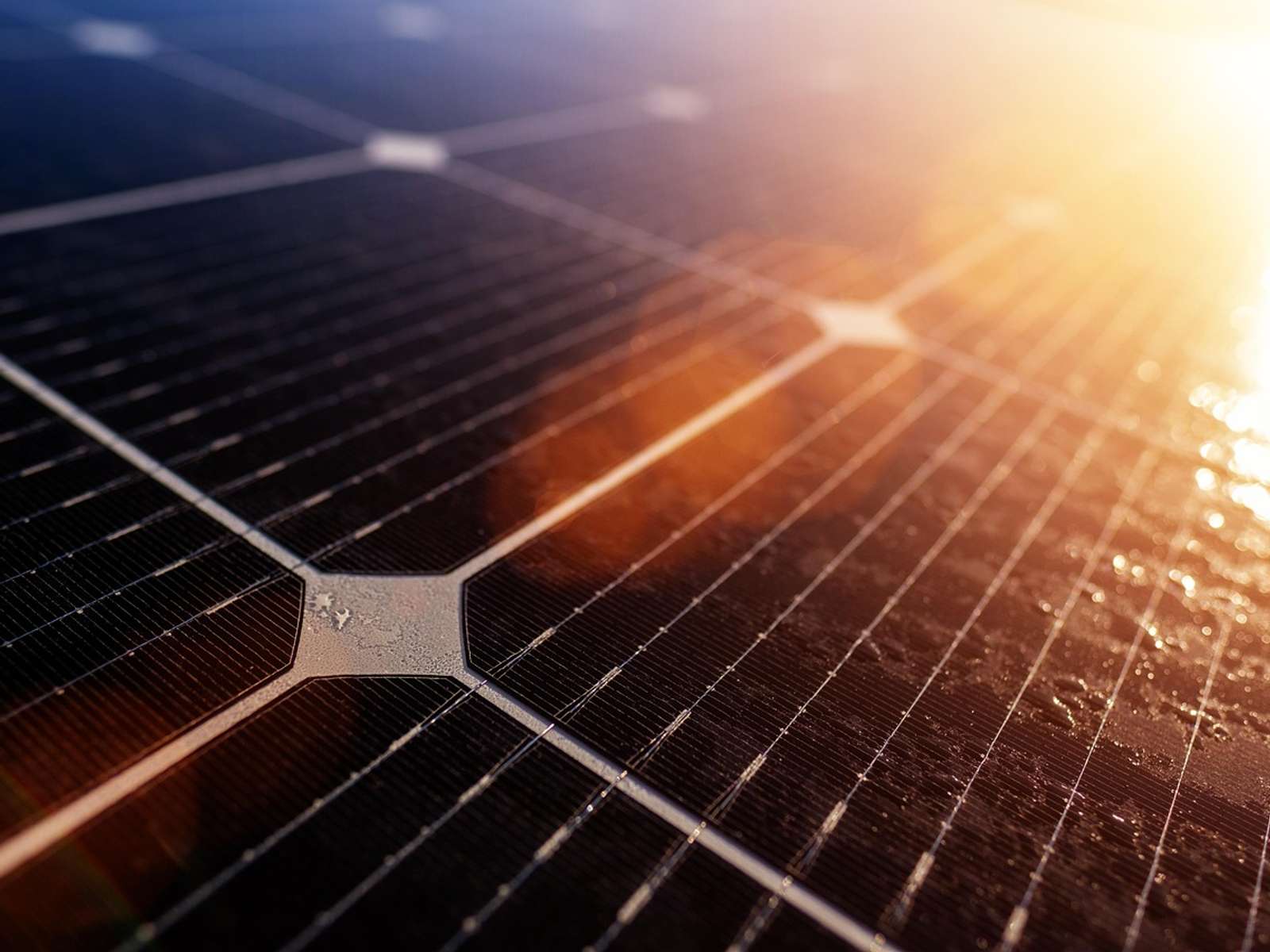
Six of eight planned solar-powered community water points are complete in Garissa County, Kenya, bringing water closer to homes and livestock in Yumbis, Labisigale, Hagadera and Welher.
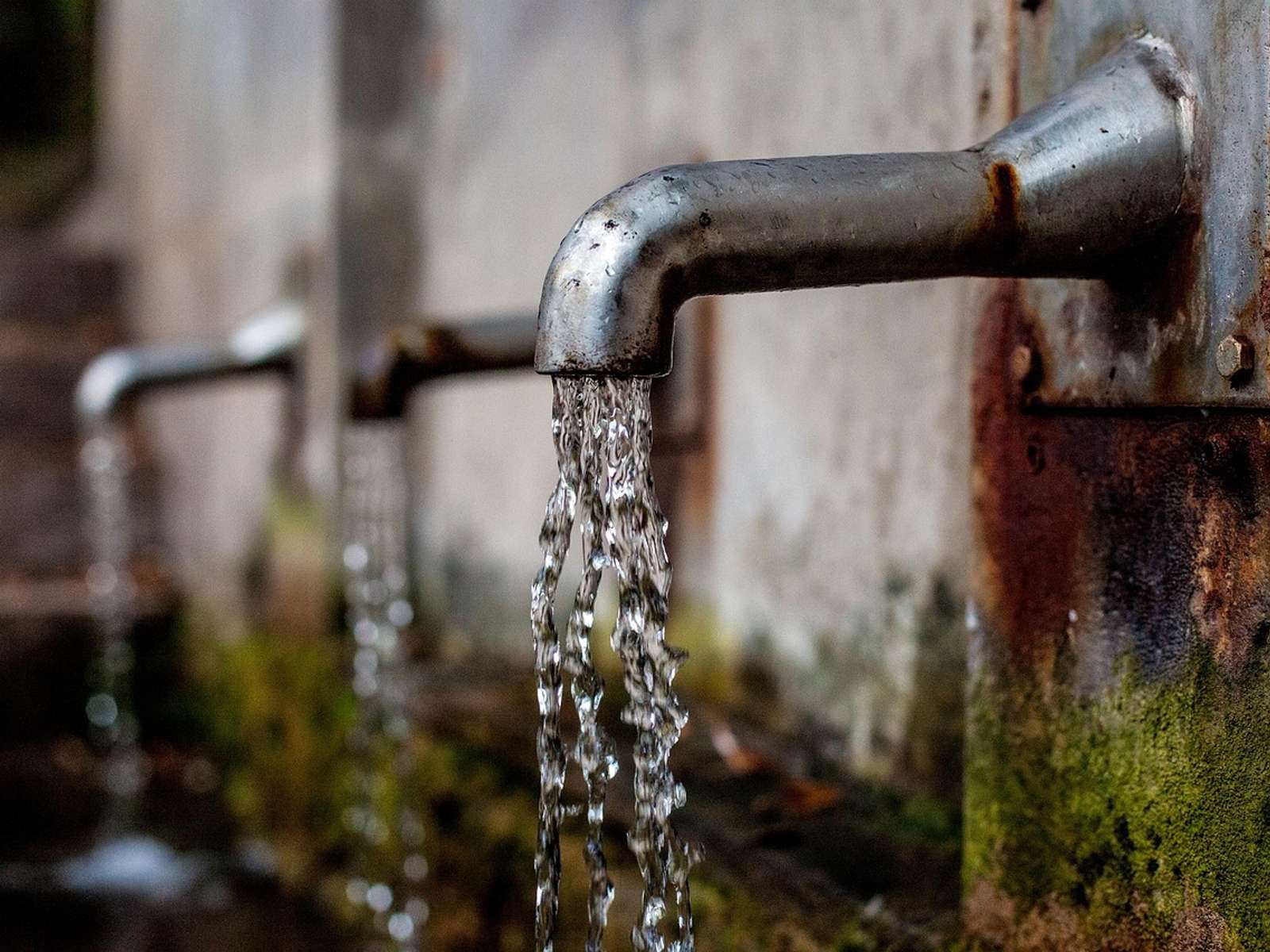
In Mzogole, Tanzania, a solar-powered water treatment system now supplies community taps, the health clinic and the local school, so Salome no longer walks a kilometer each day to collect water.
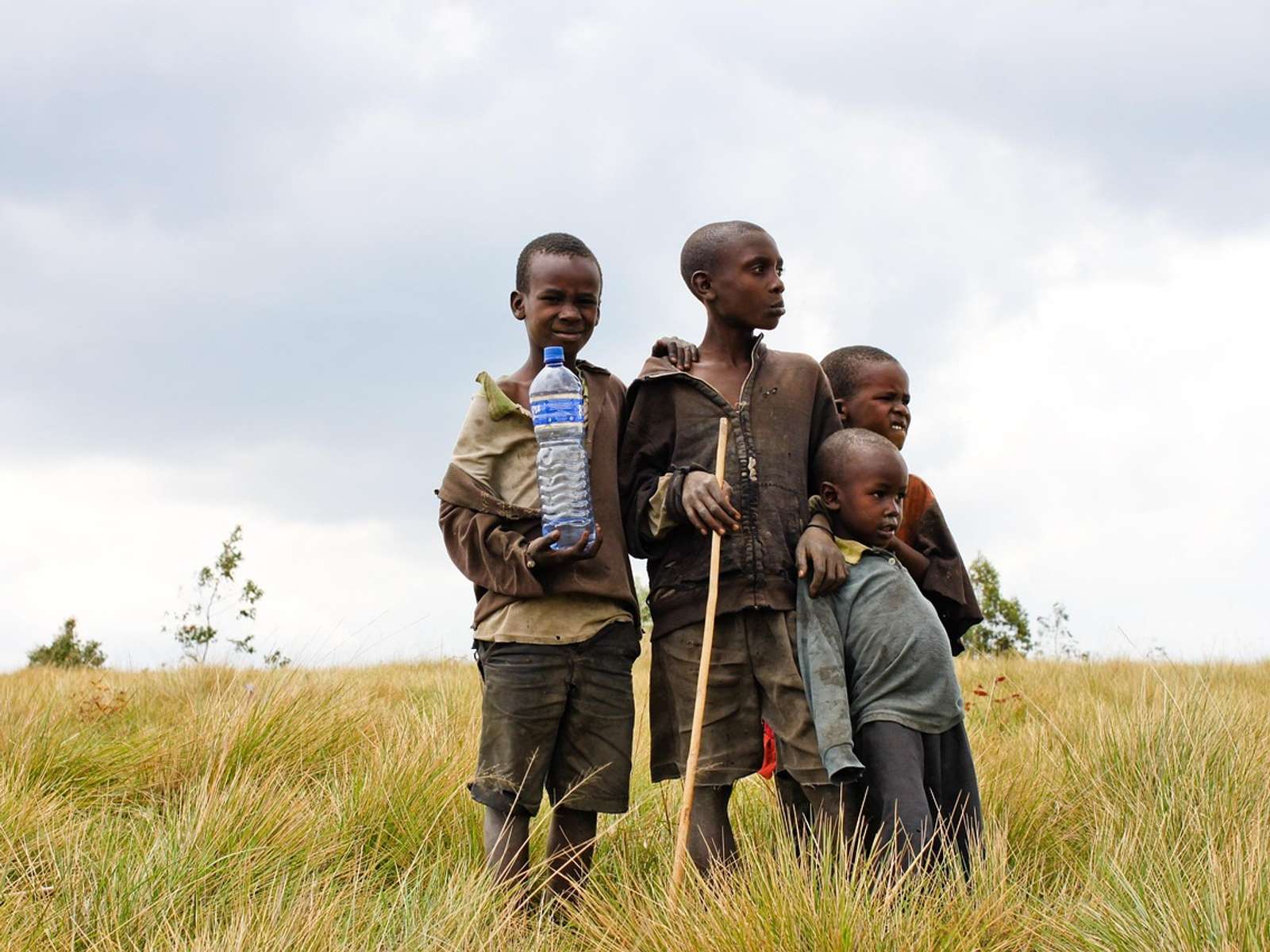
UK charity Hope Spring Water has completed a borehole in Angwan Kyauta, Nasarawa State, so more than 500 residents no longer need to walk to distant streams, and children can get to school on time.
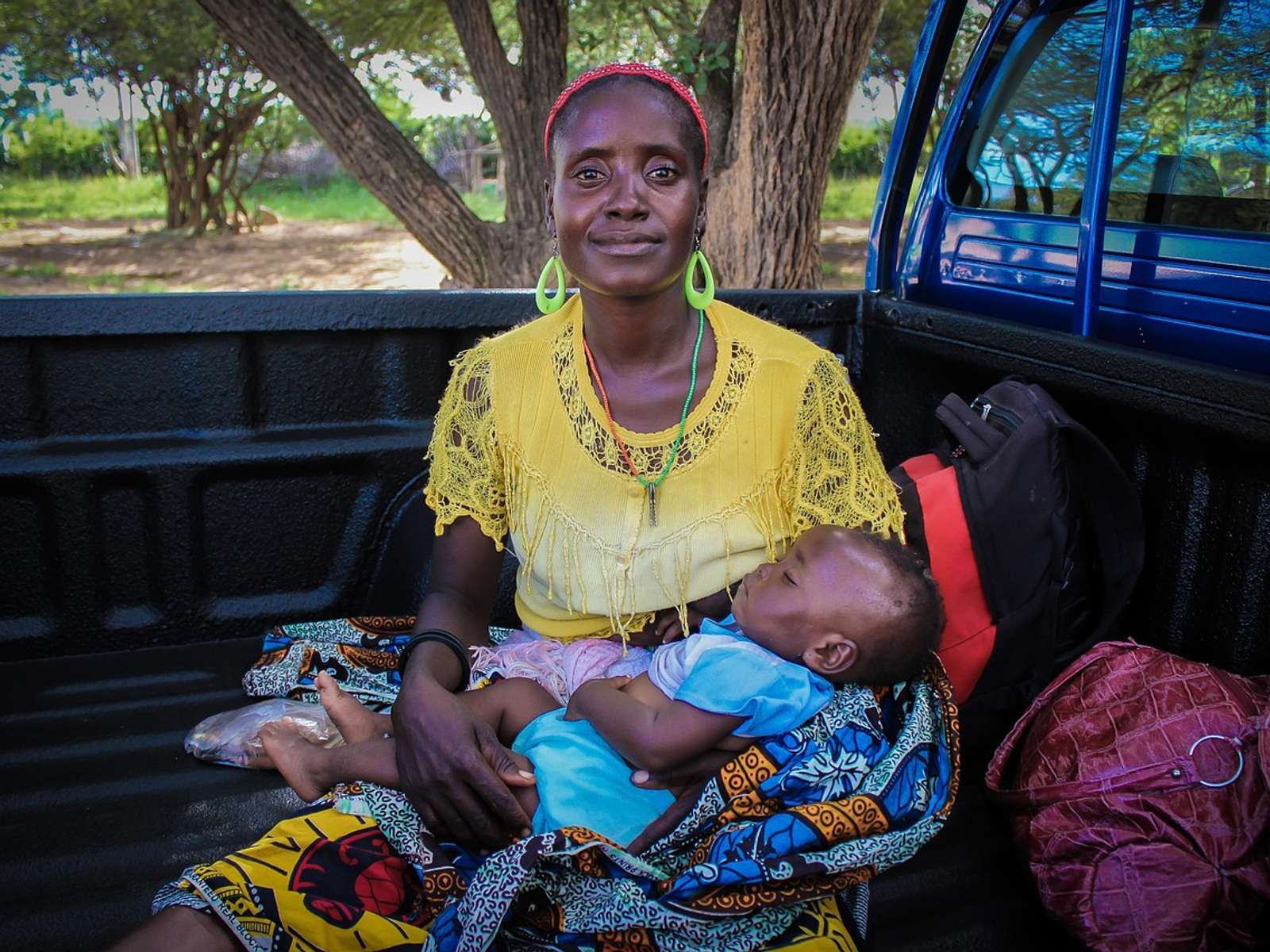
An evaluation in Mozambique's cyclone-hit Sofala province found that bringing nutrition, sanitation and behavior-change programs to the same communities was linked to a 6.7% relative drop in severe stunting.
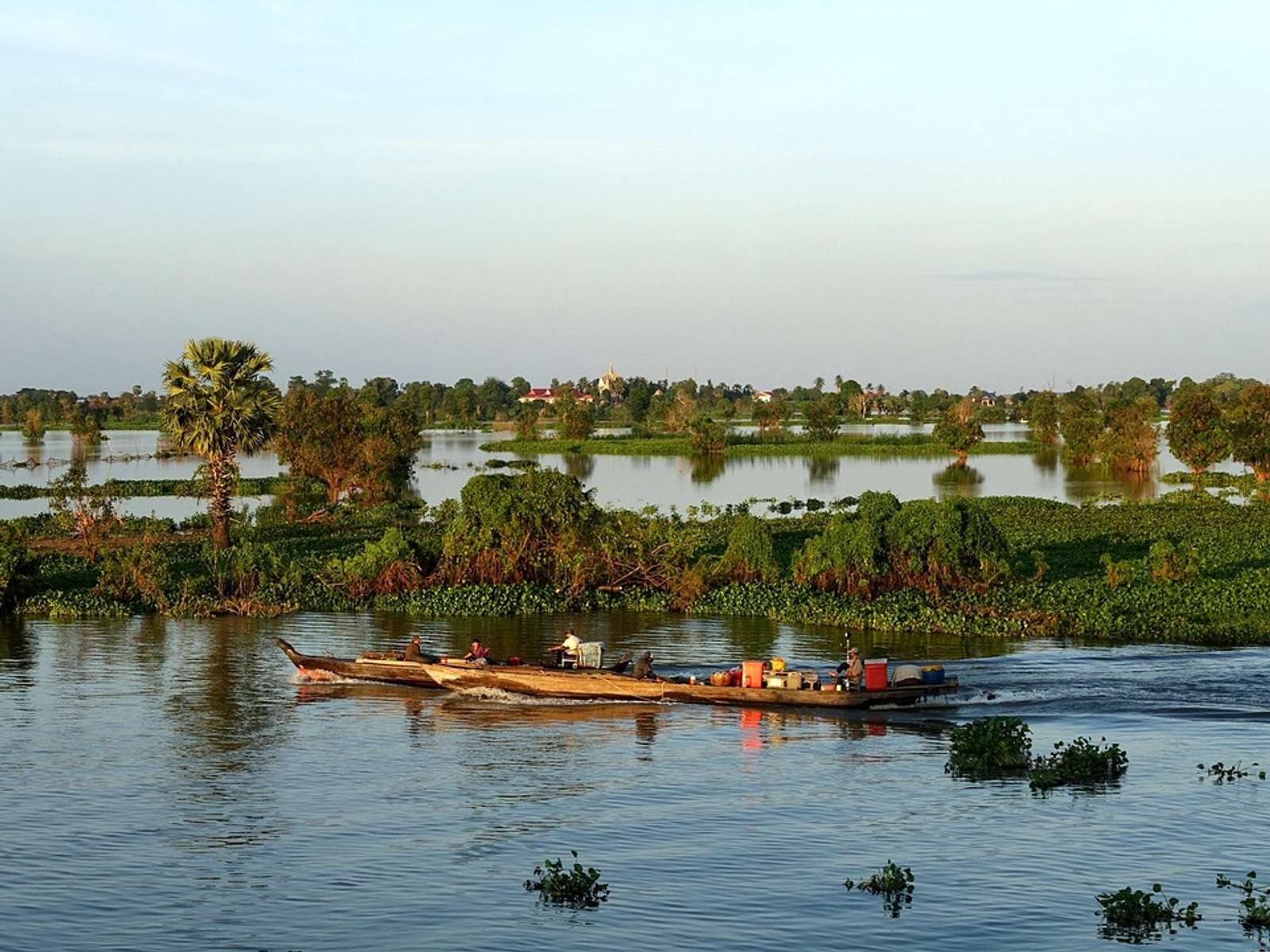
An ADB-backed project built landfills, wastewater plants, drains and latrines in two Cambodian towns on the Tonle Sap, improving services for more than 114,000 residents of Southeast Asia's largest lake basin.
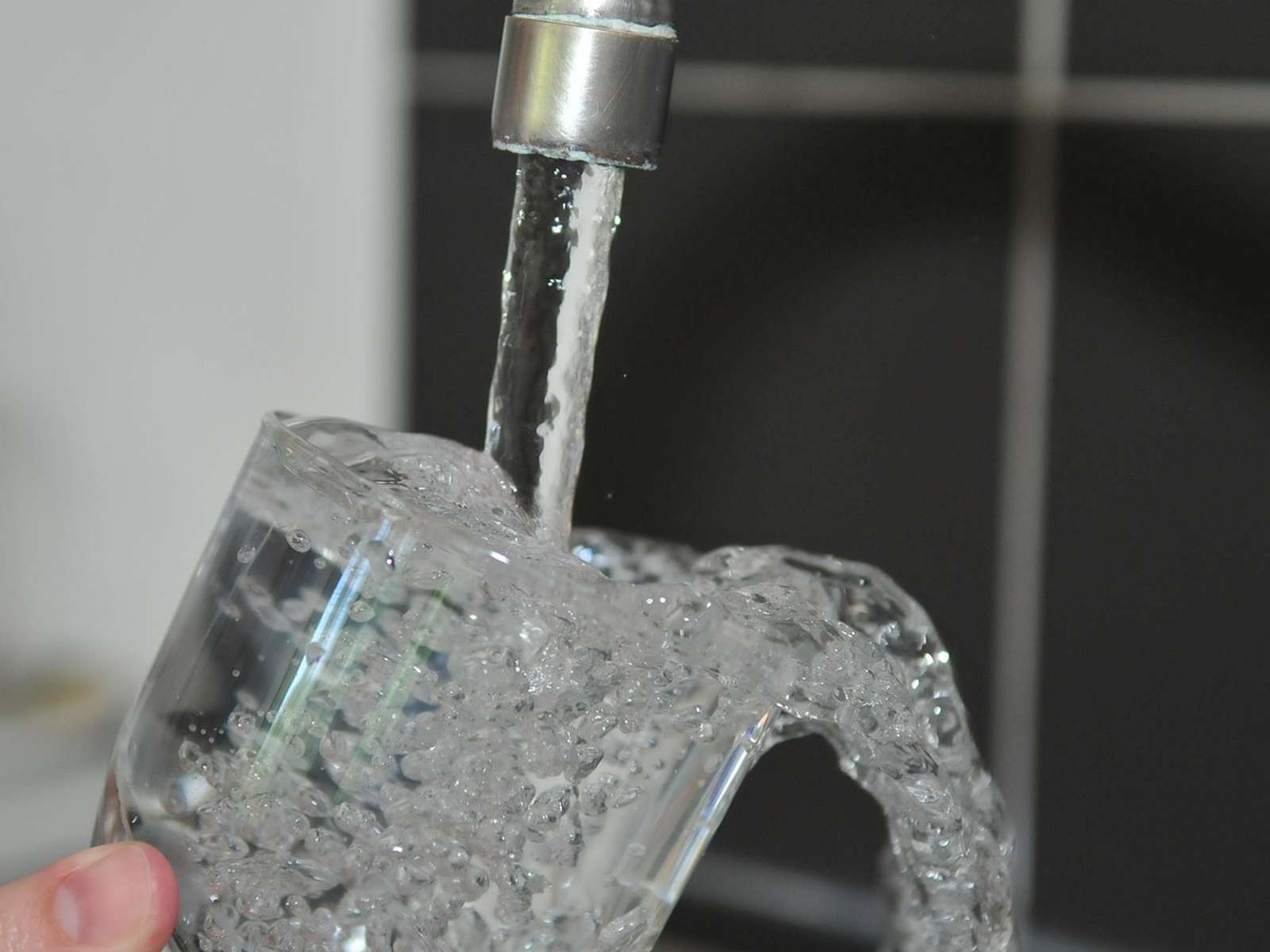
Researchers at Northeast Normal University made a carbon material from invasive staghorn sumac, loaded with nano-magnesium oxide, that captured up to 469.64 mg of fluoride per gram in lab tests. Larger real-world trials are still to come.
About this topic
About 2.1 billion people, one in four worldwide, still lacked safely managed drinking water in 2024, according to the 2025 report of the WHO/UNICEF Joint Monitoring Programme. Of them, 106 million drank directly from rivers, lakes and other untreated surface sources. There is progress: in rural areas, coverage of safely managed drinking water rose from 50% to 60% between 2015 and 2024.
Sanitation lags further behind. The same report counts 3.4 billion people without safely managed sanitation, including 354 million who still practice open defecation. WHO and UNICEF warn that universal coverage by 2030, the target of Sustainable Development Goal 6, "appears increasingly out of reach" without faster progress.
The stories on this page follow the projects that move those numbers: boreholes and solar-powered pumps that bring water closer to villages, new methods to remove contaminants such as fluoride, and sanitation and flood-protection works. Recent examples include six solar-powered water points in Kenya's Garissa County, a solar water system in Tanzania that ended a daily walk to a ravine, and a new borehole for more than 500 people in a Nigerian village.
We name the organization that built or funded each system and report how many people it serves according to that organization. When a figure is a target rather than a count, we say so. A new water point is a start, not an outcome, so where the source explains how the system will be maintained and paid for, we include it.