A solar-powered water yard now serves 10,000 displaced people in Sudan's Tawila
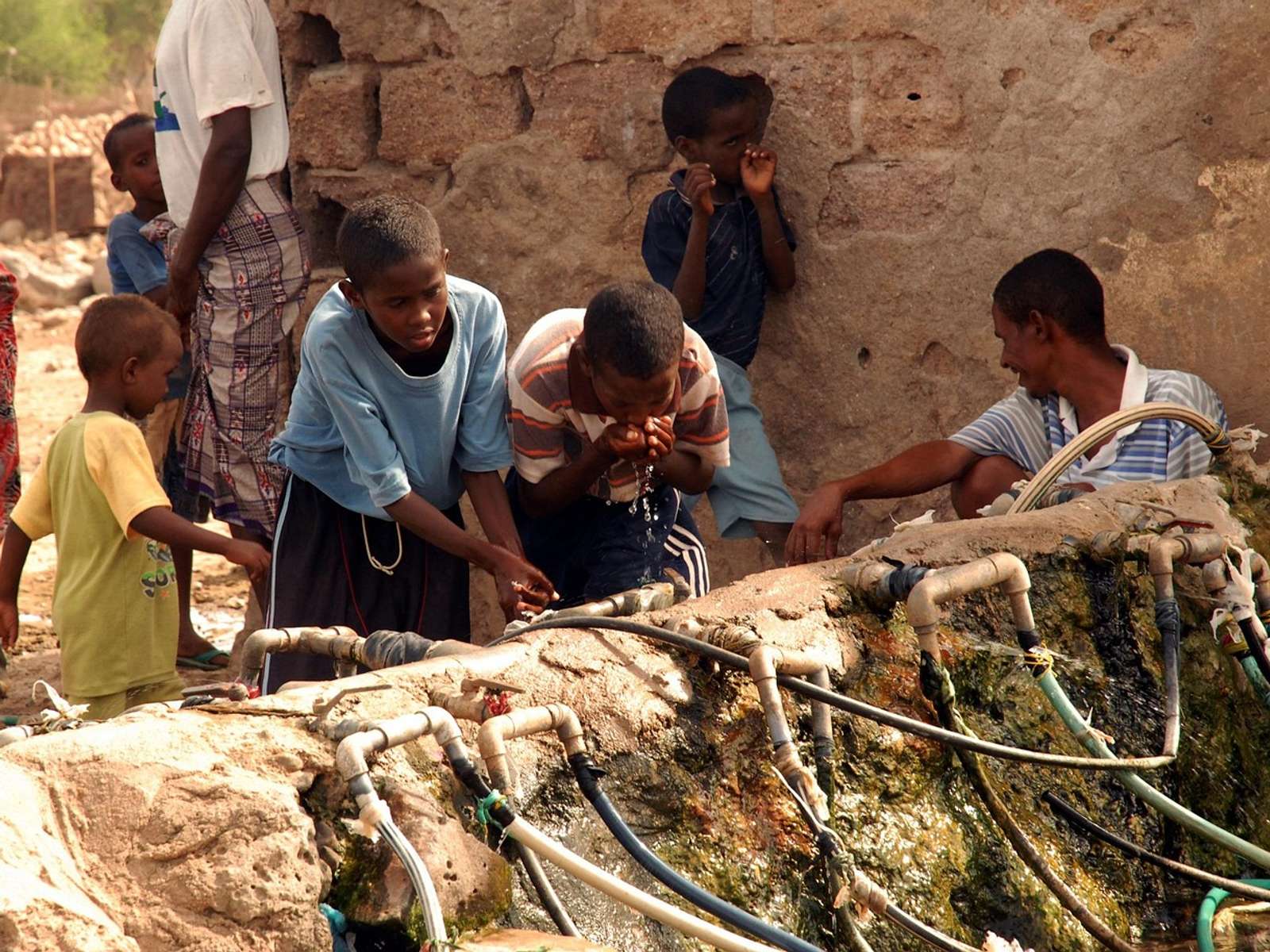
In Tawila, North Darfur, a solar-powered water yard built by UNICEF now gives about 10,000 displaced people at least 15 liters of safe water a day each, from 36 taps. Mothers like Hayat no longer queue for water trucks before sunrise.
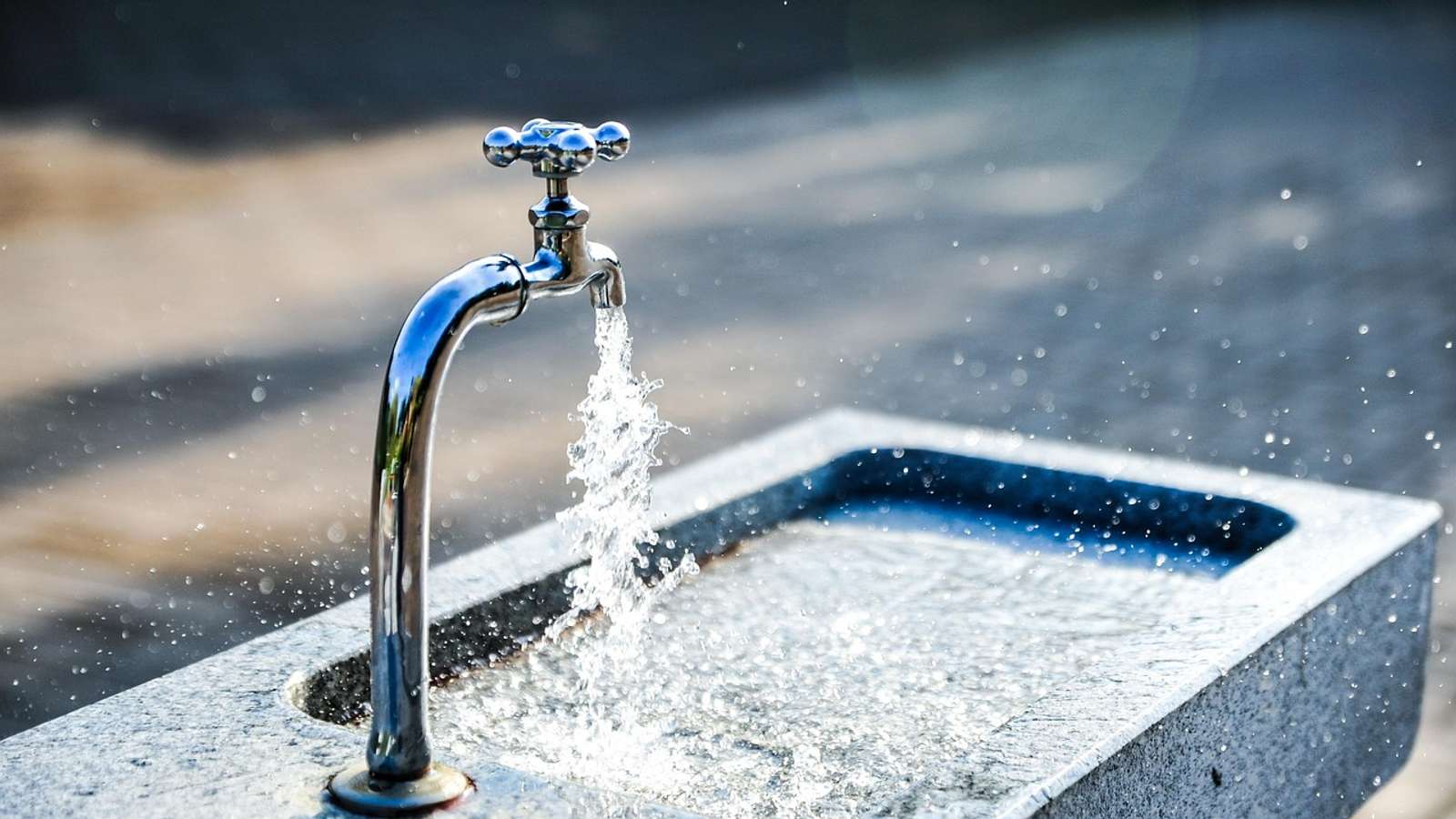
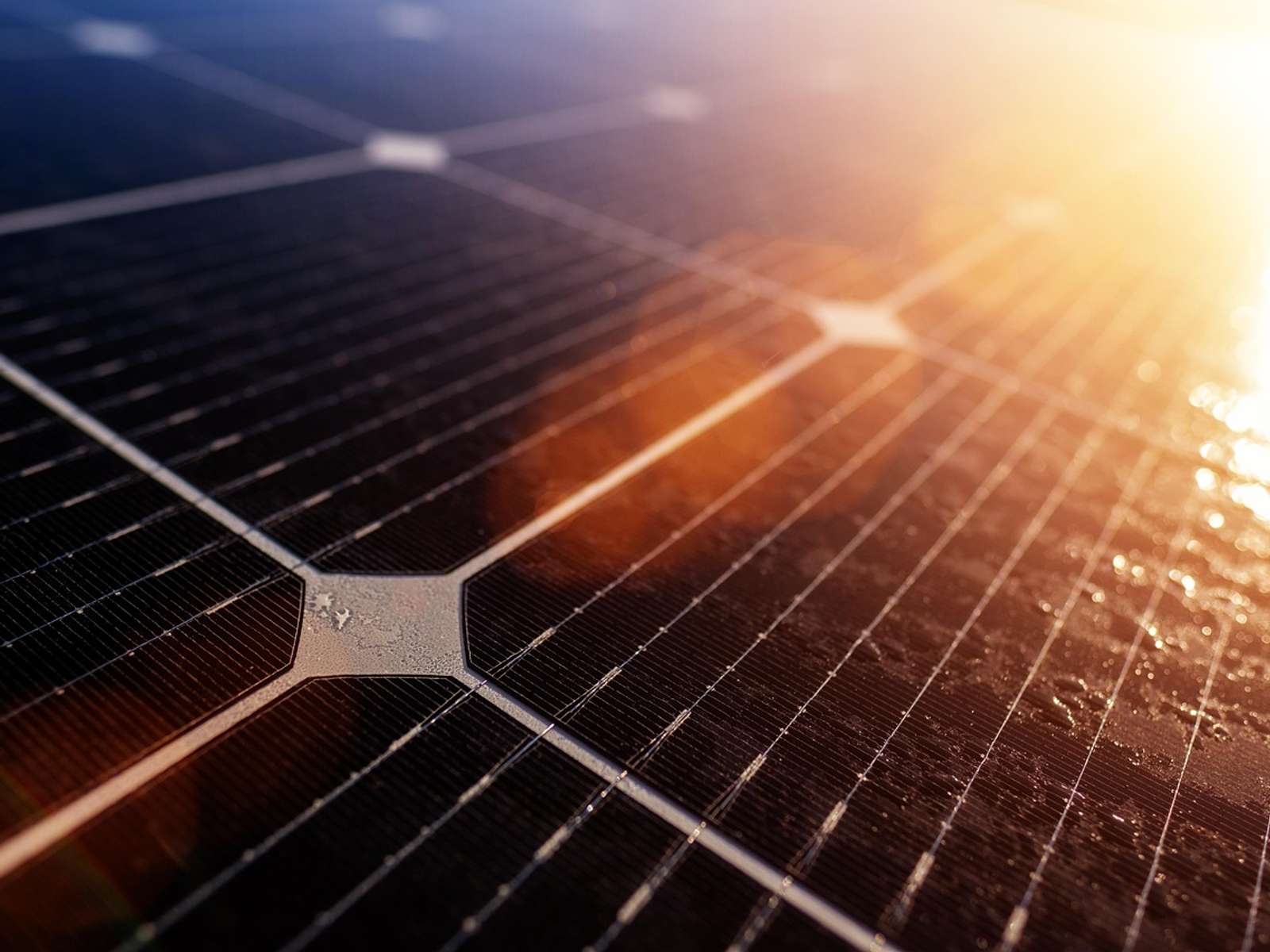
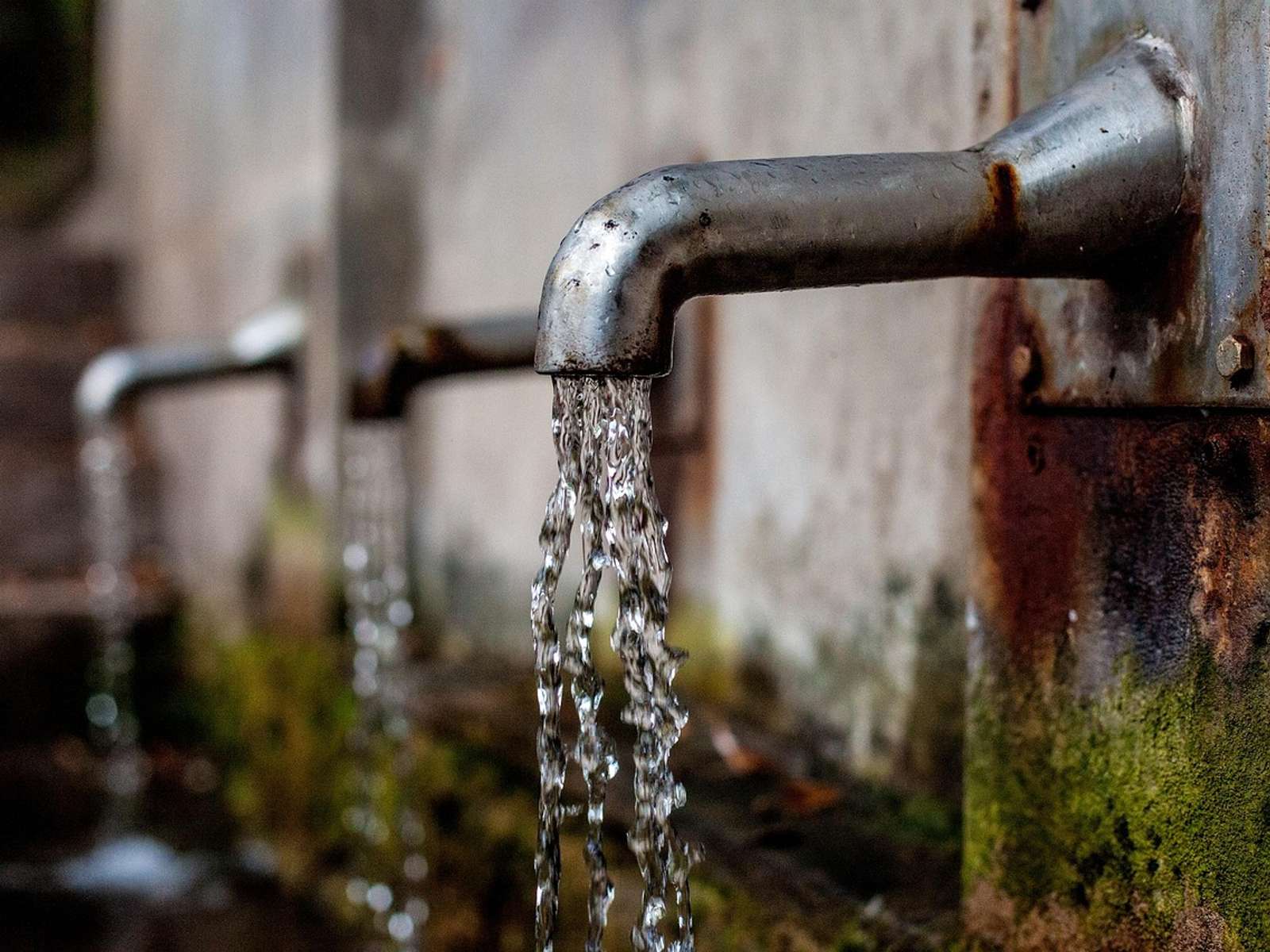
A new solar-powered water yard in a displacement camp in Tawila, North Darfur, now supplies about 10,000 people with safe water, UNICEF Sudan said on 15 October. The system pumps water into large elevated tanks that feed six distribution points with six taps each, giving every person at least 15 liters a day.
For Hayat, a displaced mother who collects water there with her daughter, the change is measured in time. She now fills a bucket in about 10 minutes and walks home to cook and wash up. “There is enough water for everyone,” she told UNICEF.
Before, the queue started before sunrise
In the camp's early days, Hayat woke before dawn every morning to look for water. Most families depended on trucks that delivered water to set points, and as more people arrived the queues grew longer. “When the trucks arrived, families rushed to collect what they could,” she said. “It was never enough.” When she missed the trucks, she had to walk farther to one of the few other water points.
Unsafe water had a cost. Cholera and other waterborne diseases were confirmed in the camp and killed people, including children, according to UNICEF.
Buckets, soap and latrines as well as taps
The water yard came with other supplies, provided with in-kind support from the UK's Foreign, Commonwealth and Development Office. Families in Tawila received jerry cans, buckets, soap, household water-treatment chemicals and hygiene kits, part of a wider response that also reaches Um Baro, Karnoi and Golo. Hayat got two buckets, one to carry water and one to store drinking water safely at home.
Families also received materials to build temporary latrines, and volunteers and hygiene promoters ran sessions on handwashing and safe water storage. “We remind each other to wash hands, to keep water safe. We help each other,” Hayat said.
“The water containers help us keep our water clean and safe from contamination.” — Hayat, displaced mother in Tawila
10,000 people out of about 665,000
The scale of the need is far larger than one water yard. Tawila hosts about 665,000 displaced people, most of whom fled El Fasher and its surroundings, the International Organization for Migration said in September, as reported by Al Jazeera. IOM warned that diseases like cholera were spreading because of a lack of clean drinking water in overcrowded camps.
Water close to home is changing daily life in other places too. In Ethiopia's Afar region, 900 families now have taps at home.
UNICEF has not said how many more water yards are planned in Tawila or how the solar systems will be maintained. Its story describes the work as part of lifesaving water services for displaced and host communities facing severe shortages.
Sources
- UNICEF Sudan · unicef.org
- aljazeera.com
How we choose and verify sources: editorial policy.
Your weekly dose of good news
The 5 biggest positive stories of the week, straight to your inbox. Free, no noise.
Like what you're reading?