The extinct imperial woodpecker flies again as a free, animated 3D model
Researchers built an open 3D model of the imperial woodpecker, the largest woodpecker on record, unseen in the wild since 1956. It is based on a museum specimen photographed 288 times and the only film of the living bird, and anyone can download it.
The imperial woodpecker, the largest woodpecker on record, has not been confirmed in the wild since 1956. Researchers have now built a detailed, animated 3D model of the bird from a museum specimen and the only film of a living one, and made it free for anyone to view and download, the publisher Pensoft said on 14 October.
The study, led by Joshua Medina at the University of Massachusetts Amherst with colleagues from the Moore Laboratory of Zoology at Occidental College and Oregon State University, appeared in the open-access journal Natural History Collections and Museomics.
A bird more than 60 centimeters long
Campephilus imperialis grew to more than 60 centimeters in length. It lived in the old-growth pine forests of Mexico's Sierra Madre Occidental and is presumed extinct after those forests were widely logged. About 100 specimens survive in museums.
Hunting also reduced its numbers. A Pennsylvania dentist, William Rhein, shot 85 seconds of color footage in Durango in 1956, the only moving images of the species, Cornell University reported when its researchers analyzed the film in 2011, naming logging and hunting as the causes of the bird's decline.
288 photos and a borrowed set of feathers
The team started with a female specimen at the Moore Laboratory, which holds the world's largest collection of Mexican birds. They photographed it 288 times from every angle and used photogrammetry, which turns overlapping photos into a 3D surface, to capture its shape to within a fraction of a millimeter.
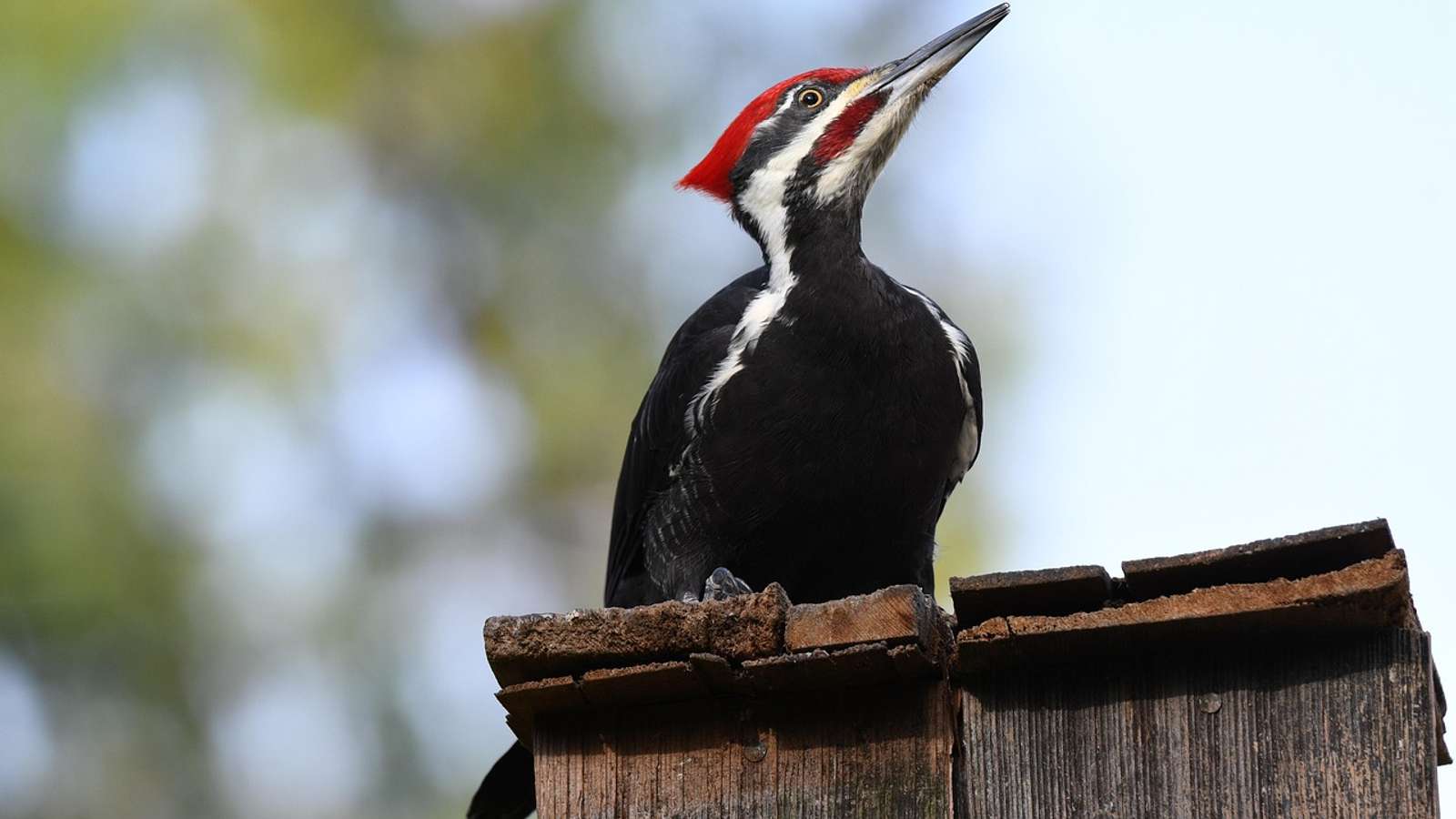
Feathers were the hardest part, because individual feathers are difficult to see on a stuffed skin. The researchers modeled them on the pileated woodpecker, the largest living woodpecker in North America, and resized them to the imperial woodpecker's proportions. In the free software Blender they built a digital skeleton and rigged 10 primary, 10 secondary and 12 tail feathers so each can move on its own.
Two animations show the bird flying and climbing a tree trunk while drumming on the bark. Both follow the 1956 film, supplemented with video of pileated woodpeckers and published data on woodpecker wingbeats.
“The Imperial Woodpecker hasn't been seen in the wild for nearly 70 years.” — the research team, in a statement from Pensoft
One specimen, and more to come
Scientists can use the model to estimate the bird's body volume, compare its shape with living relatives or simulate flight, and the authors say it could inform the design of bird-inspired flying robots. They also point out that the woodpecker features in the traditions of Indigenous communities of the Sierra Madre Occidental, while few if any specimens are held in Mexico, and suggest freely shared digital models may help close that gap.
The researchers are open about the limits. The model is based on a single female, and its soft tissue and flight movements are estimates from living relatives. They hope to digitize more specimens to capture differences between males, females and individuals.
Sources
- Pensoft Publishers · blog.pensoft.net
- doi.org
- news.cornell.edu
How we choose and verify sources: editorial policy.
Your weekly dose of good news
The 5 biggest positive stories of the week, straight to your inbox. Free, no noise.
Like what you're reading?