Colombia's first full bee checklist records 738 species, 246 of them new to the country
A team led by Penn State researchers documented 738 bee species in Colombia, including 246 never recorded there before, in the first annotated checklist of its kind for any country in the Western Hemisphere.
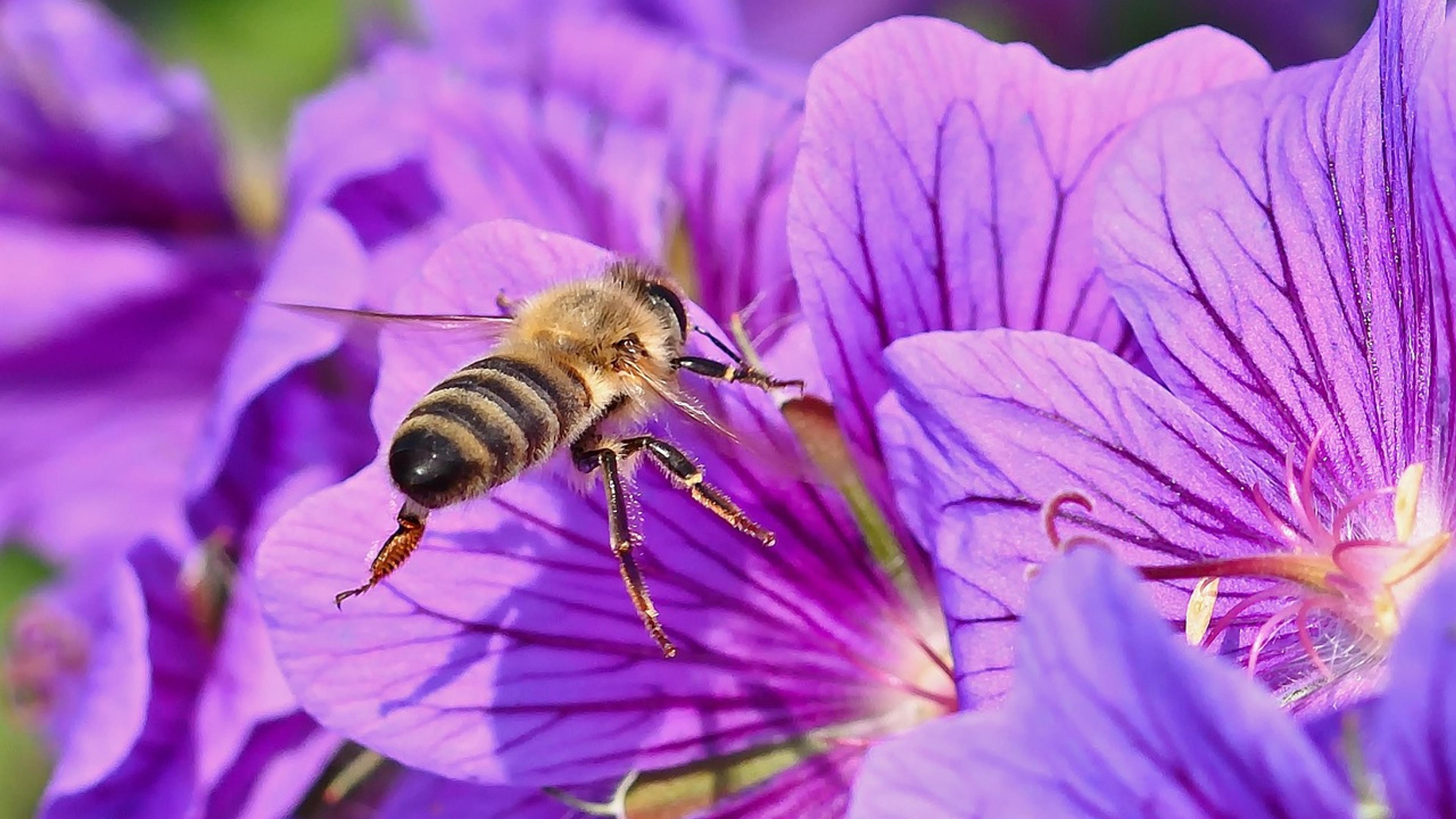
Scientists have documented 738 bee species in Colombia, including 246 never before recorded in the country, in what Penn State University called the first annotated bee checklist for any country in the Western Hemisphere. The work, published in the journal PeerJ, involved 44 partners from 31 institutions.
Earlier counts found at most 604 species
Previous counts put Colombia's bees at between 466 and 604 species. The new list, compiled by Professor Margarita López-Uribe and doctoral student Ruben Martín-Rojas with collaborators, raises that to 738, and about 20% of them are found only in Colombia.
Even so, the team estimates the true number is closer to 1,400 species, meaning many bees remain unrecorded or undescribed.
“Species checklists may sound simple, but they are critical tools we have to document and conserve biodiversity by reporting their changes overtime.” — Margarita López-Uribe, Associate Professor of Entomology, Penn State
Tropical bees live differently
The bees differ from those in temperate regions. In North America and Europe, only about 10% of bee species are social and 70% nest underground. In Colombia, about 40% are social and most nest above ground, and the greatest diversity is in the Andes rather than in dry habitats.
Local insect collections did most of the work
About 70% of the records came from 18 insect collections across Colombia, combined with public databases and scientific literature. The network built for the project now continues as "Proyecto Abejas de Colombia", linking museums, universities and researchers.
Counting species is a foundation for protecting them, whether it is bees in collections or the 4.8 million migrating birds counted by volunteers across Europe. Bees are among the most important pollinators of wild plants and crops.
Like what you're reading?
Related stories
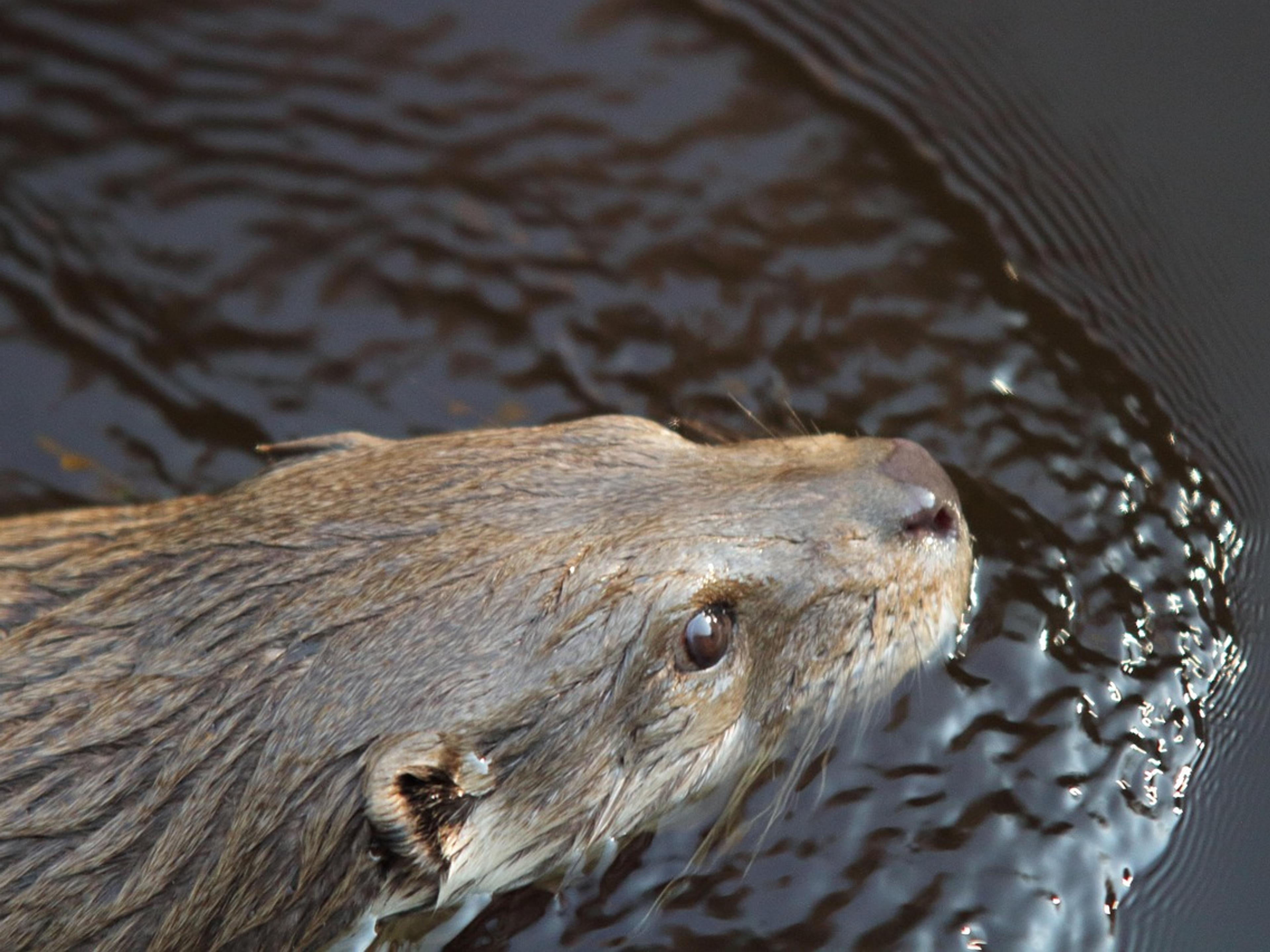
New Bolivian reserve protects 715,000 acres for jaguars, river dolphins and giant otters
The new Agua Dulce Municipal Wildlife Reserve in Baures, Bolivia, protects nearly 715,000 acres of habitat for jaguars, Amazon river dolphins, giant otters and hundreds of bird species.
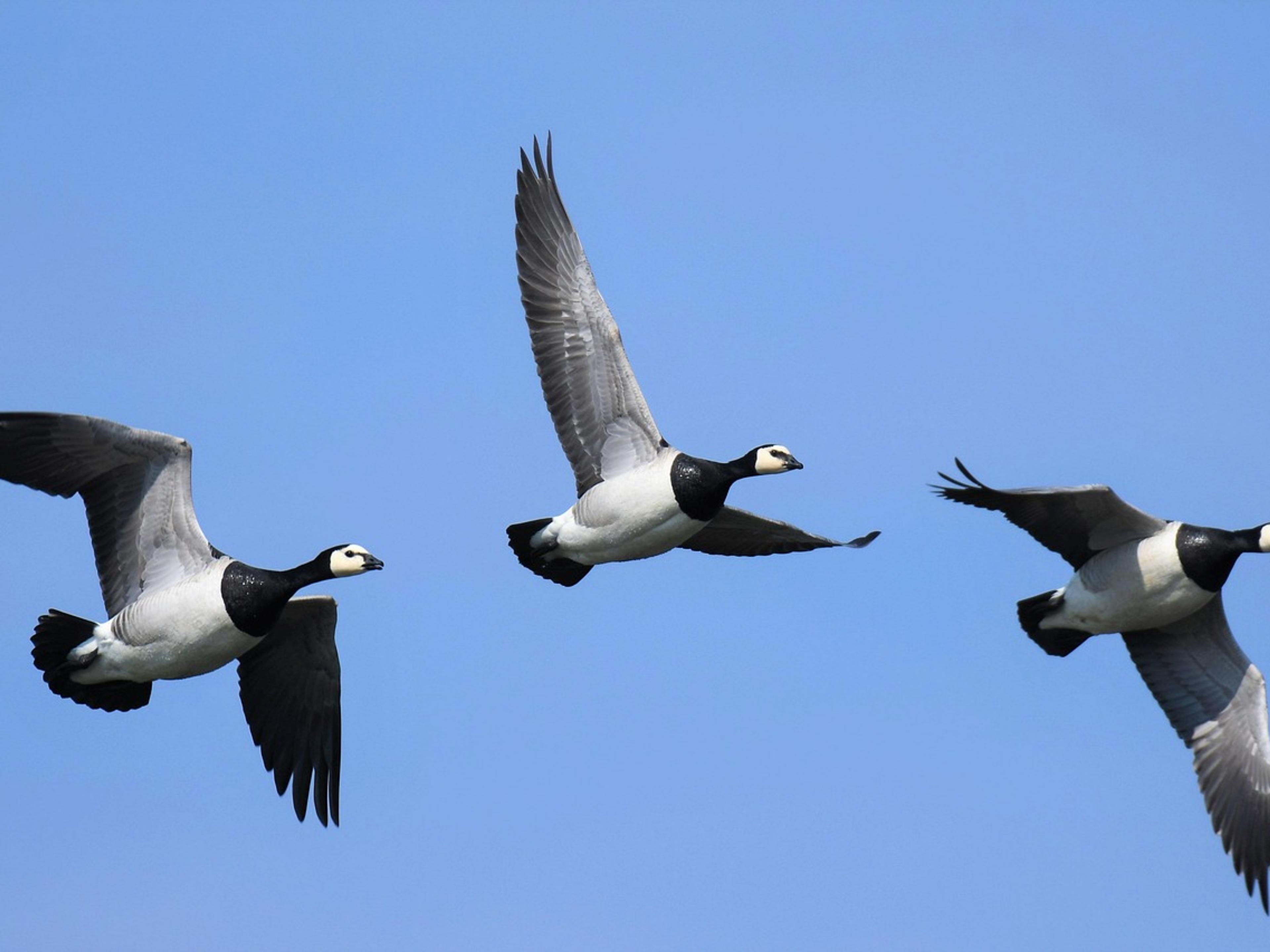
More than 23,000 volunteers count 4.8 million migrating birds in EuroBirdwatch 2026
Over one October weekend, more than 23,000 people at 927 events across Europe and Central Asia counted 4.8 million birds on autumn migration, with barnacle geese the most counted species.

Forgotten 30-Year Experiment Finds Thinned Mountain Ash Forests Grew Bigger Trees
A long-neglected forestry trial in Victoria, Australia, found that heavily thinned mountain ash stands grew trees 20% wider than untouched forest and, within 30 years, stored as much or more carbon in their wood.