Wild elephants use more than 40 gestures to tell others to "move away" or "stop that"
A study of wild elephants in South Africa found they use more than 40 types of gestures intentionally, checking whether others are watching and repeating signals until they get the response they want.
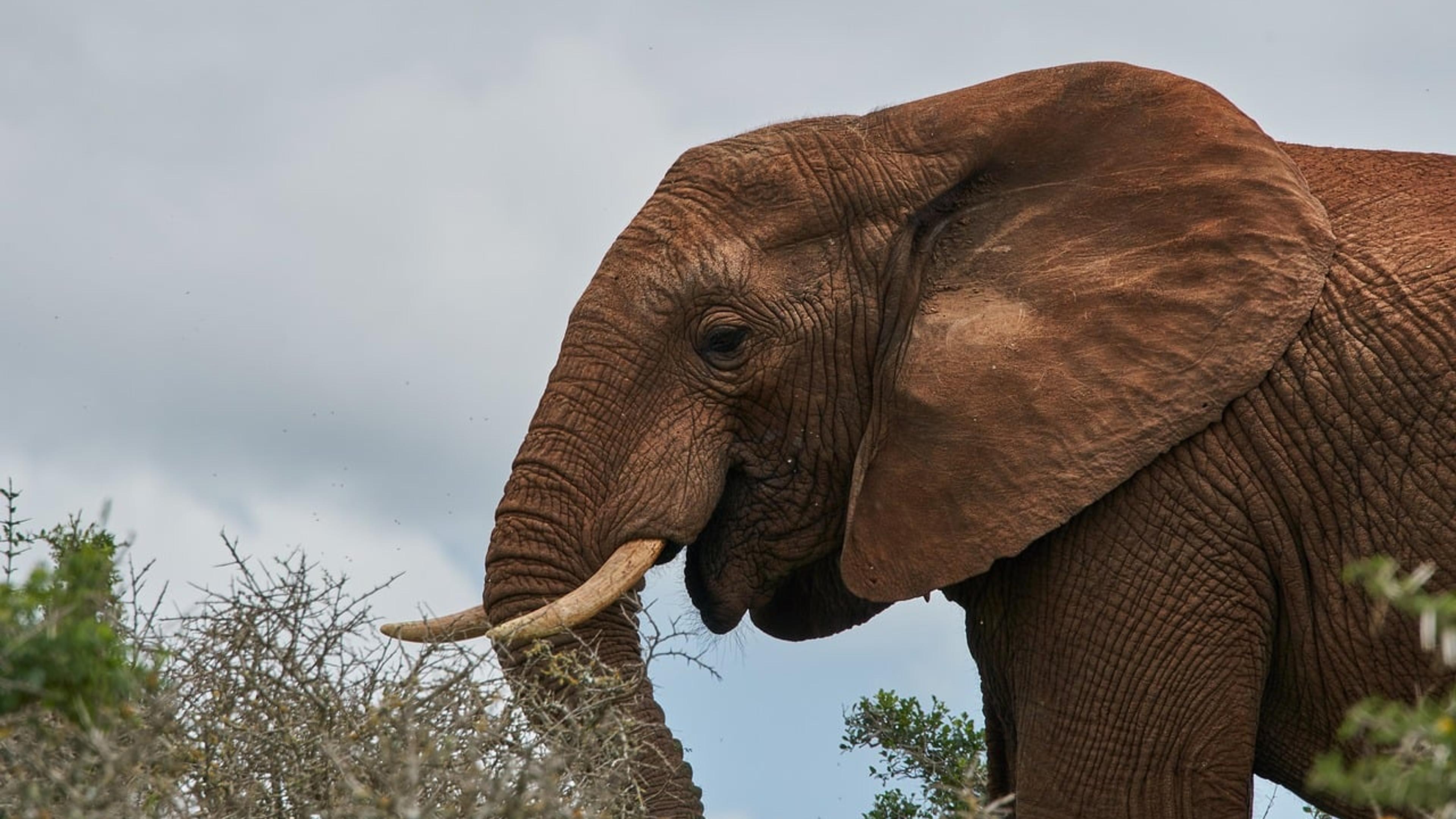
Wild African savannah elephants use more than 40 types of gestures on purpose to tell other elephants to "move away" or "stop what they're doing", according to a study announced by the University of Portsmouth. The research, led by the University of Vienna and published in Animal Cognition, is the first systematic study of intentional gesturing in wild elephants.
840 gestures recorded in two national parks
The team spent more than 90 hours watching elephants in competitive situations in Addo Elephant National Park and Marakele National Park in South Africa, recording about 840 individual gestures, such as flinging the trunk or spreading the ears wide.
The elephants behaved in ways that show intent. They checked whether another elephant was paying attention before and while gesturing, switched to a different kind of signal when it was not looking, waited for a response, and tried again when they did not get what they wanted.
“Here we find for the first time that, in competitive situations, wild elephants use intentionally over 40 different gesture types made up of 32 gesture actions to achieve two main goals.” — Vesta Eleuteri, University of Vienna, lead author
Gestures are used flexibly, like in apes
Of 33 gesture types seen in successful exchanges, 21 were used for both meanings, so elephants do not tie each gesture to one goal. Such rich, flexible repertoires were previously known in apes and a few other primates. Finding them in elephants, which are distant relatives of primates, suggests this kind of communication may evolve in any species with high intelligence and complex social lives.
The two South African populations shared the same gesture types as elephants recorded in Kenya and Mozambique, hinting at a common gesture "vocabulary".
Reading elephants could prevent dangerous encounters
The study covered only competitive situations, and the researchers want to look at gestures in other contexts next. Co-author Dr Lucy Bates of Portsmouth said understanding how elephants signal when they feel threatened could help people recognise when an elephant wants them to leave, before an encounter becomes dangerous.
Like what you're reading?
Related stories
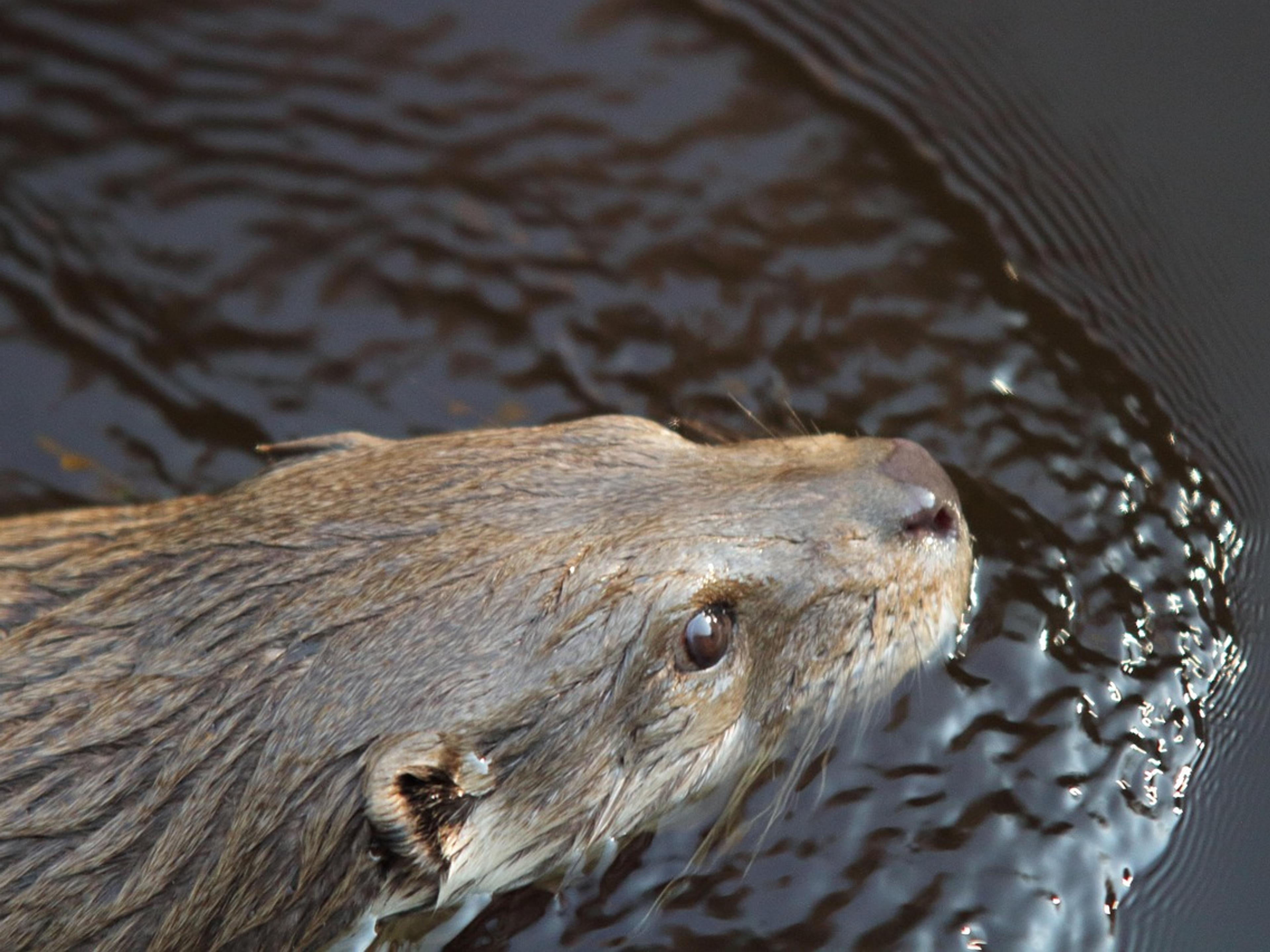
New Bolivian reserve protects 715,000 acres for jaguars, river dolphins and giant otters
The new Agua Dulce Municipal Wildlife Reserve in Baures, Bolivia, protects nearly 715,000 acres of habitat for jaguars, Amazon river dolphins, giant otters and hundreds of bird species.
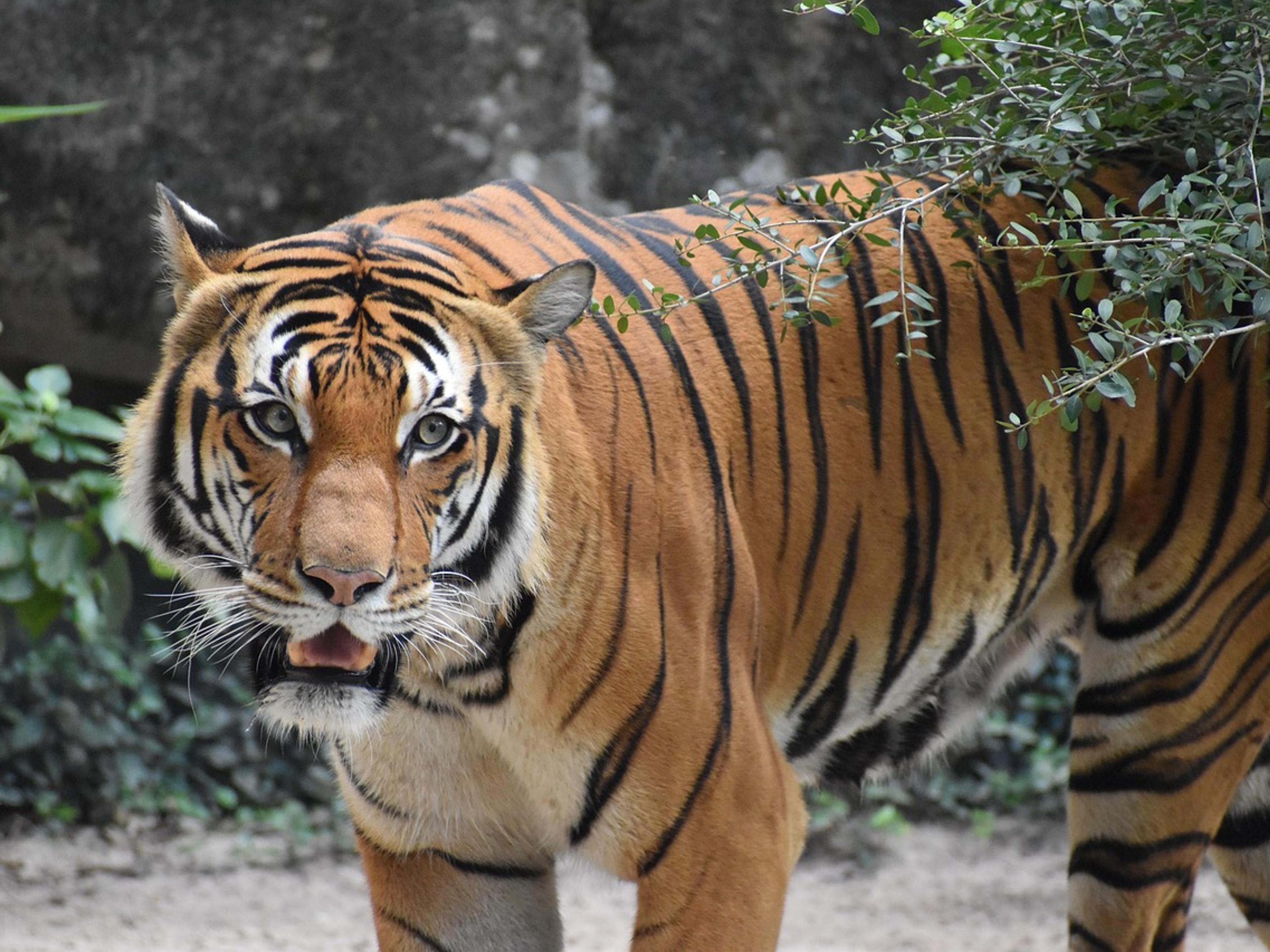
Thai tigress Mae Kaew has raised nine cubs, and now her daughter is a mother too
Camera traps in Thailand's Western Forest Complex show a wild tigress named Mae Kaew has raised three litters, nine cubs in all, and one of her daughters has now had two cubs of her own.
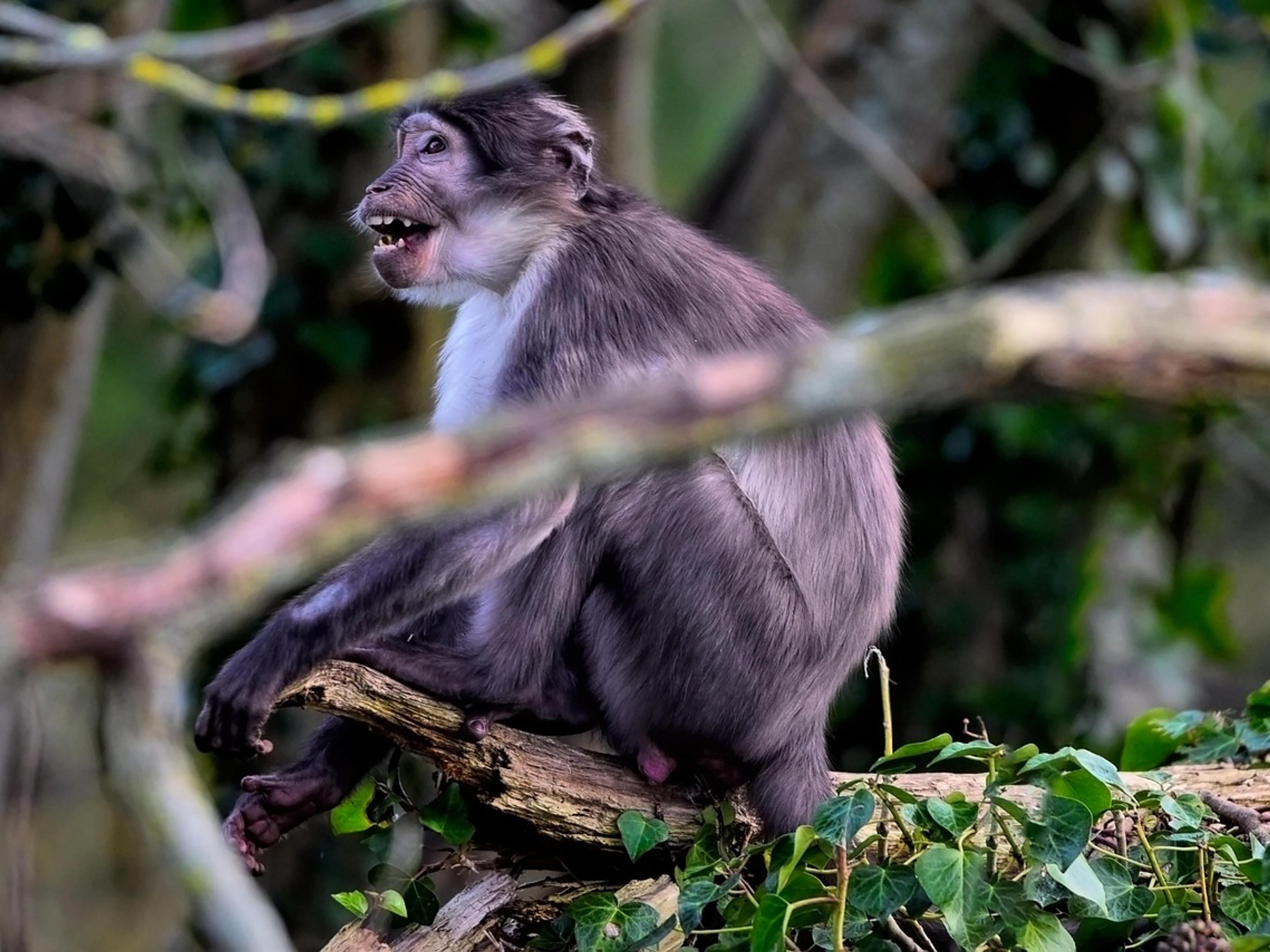
Critically endangered mangabey born at BIOPARC Valencia, the park's 10th for the species
A white-crowned mangabey, a West African monkey that signals with its white eyelids, has been born at BIOPARC Valencia, the 10th birth there for the European breeding program.