First hearing tests on Australian sea lions and fur seals show how human noise may reach them
Researchers at Curtin University and Taronga trained sea lions and fur seals to press a paddle when they heard a tone, producing the first hearing baselines for the two Australian species.
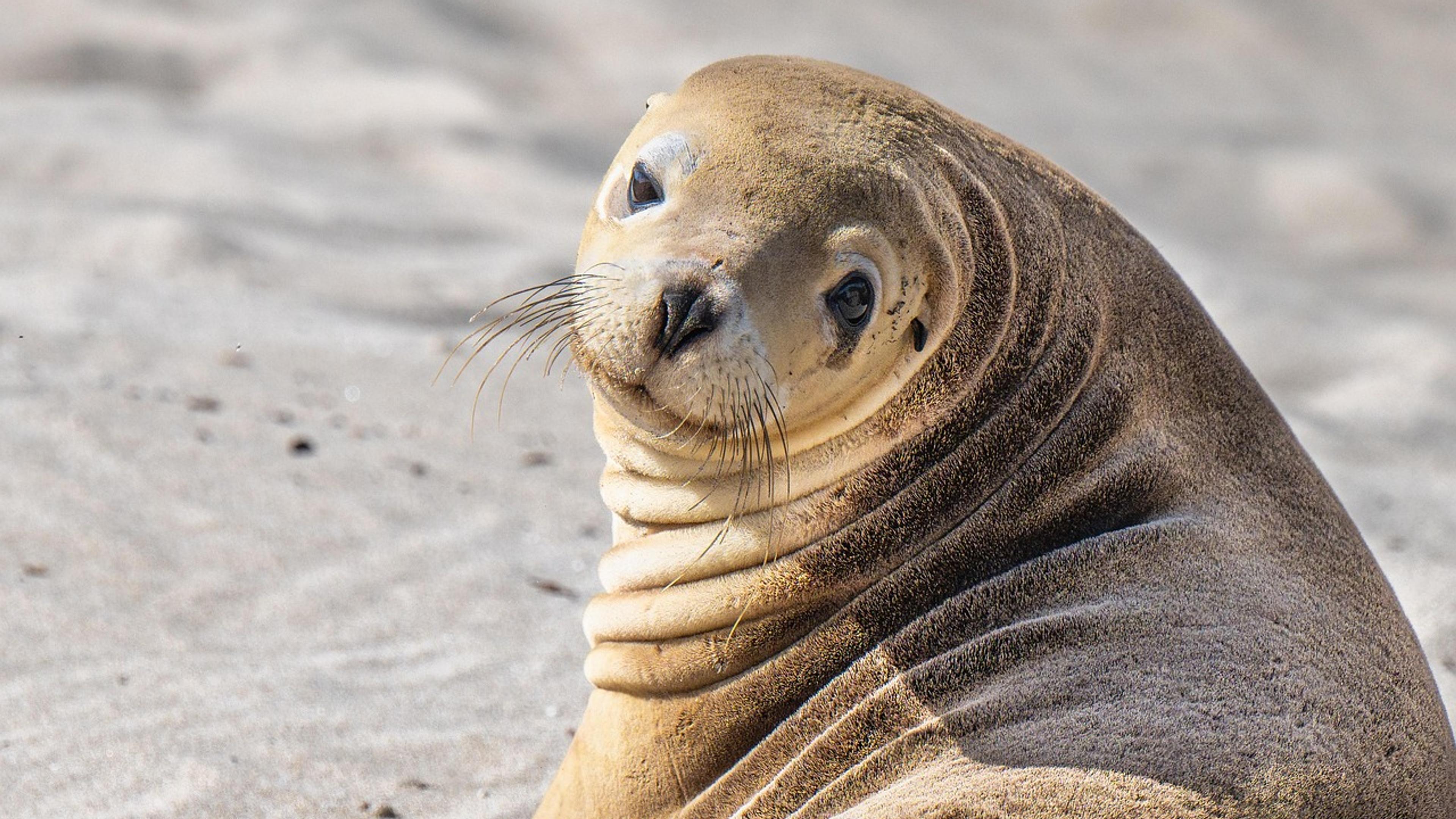
Researchers at Curtin University and Taronga Conservation Society Australia have carried out the first hearing tests on Australian sea lions and long-nosed fur seals, Curtin University said. The results show which sounds the animals can hear and help assess how noise from ships, aircraft and construction might affect them.
The animals pressed a paddle when they heard a tone
Keepers at Taronga Zoo Sydney trained two Australian sea lions and two long-nosed fur seals to press a paddle whenever they heard a tone, rewarding correct answers with fish. Taking part was voluntary for the animals.
Both species were most sensitive to sounds around 3.2 kilohertz. That gives the first detailed baseline of hearing for the two Australian species, measured in air.
“Before we can understand whether a noise is affecting an animal, we need to know whether it can hear that noise in the first place.” — Professor Christine Erbe, Centre for Marine Science and Technology, Curtin University
Boats, aircraft and trains are audible on land
The team compared the fur seals' hearing with recordings of boats, ships, aircraft, trains and construction, and found many of those sounds would be audible to the animals while they rest on land.
That matters most for the endangered Australian sea lion, which has an estimated population of only about 12,000 and relies on hearing to communicate, find food, navigate and detect threats. Noise is a growing concern for marine life, and researchers are also working on quieter technology, such as a sound-absorbing material inspired by moth wings.
Underwater hearing is the next step
The tests involved only four animals, all in air. Taronga behavioural biologist Dr Benjamin Pitcher said the next step is to learn how noise affects the animals underwater and when it starts to interfere with their behaviour or hearing. The findings could feed into environmental impact assessments as shipping and coastal development expand.
Like what you're reading?
Related stories
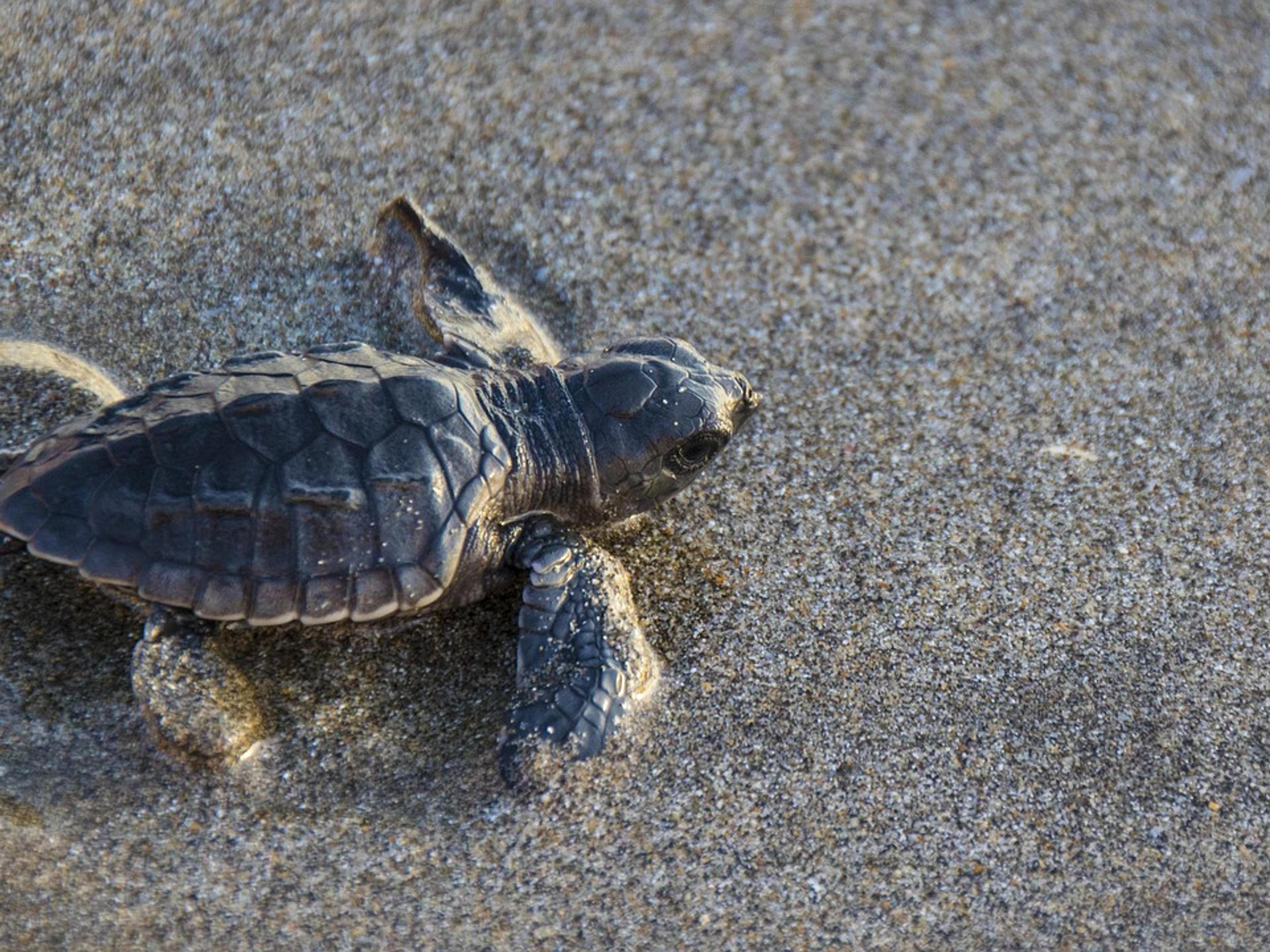
Sea Turtles Nest on the US West Coast for the First Time Ever Recorded
Two olive ridley sea turtle nests were found in Orange County, California this September — the first sea turtle nests ever recorded on the US West Coast. More than 100 eggs are now being cared for at an aquarium.
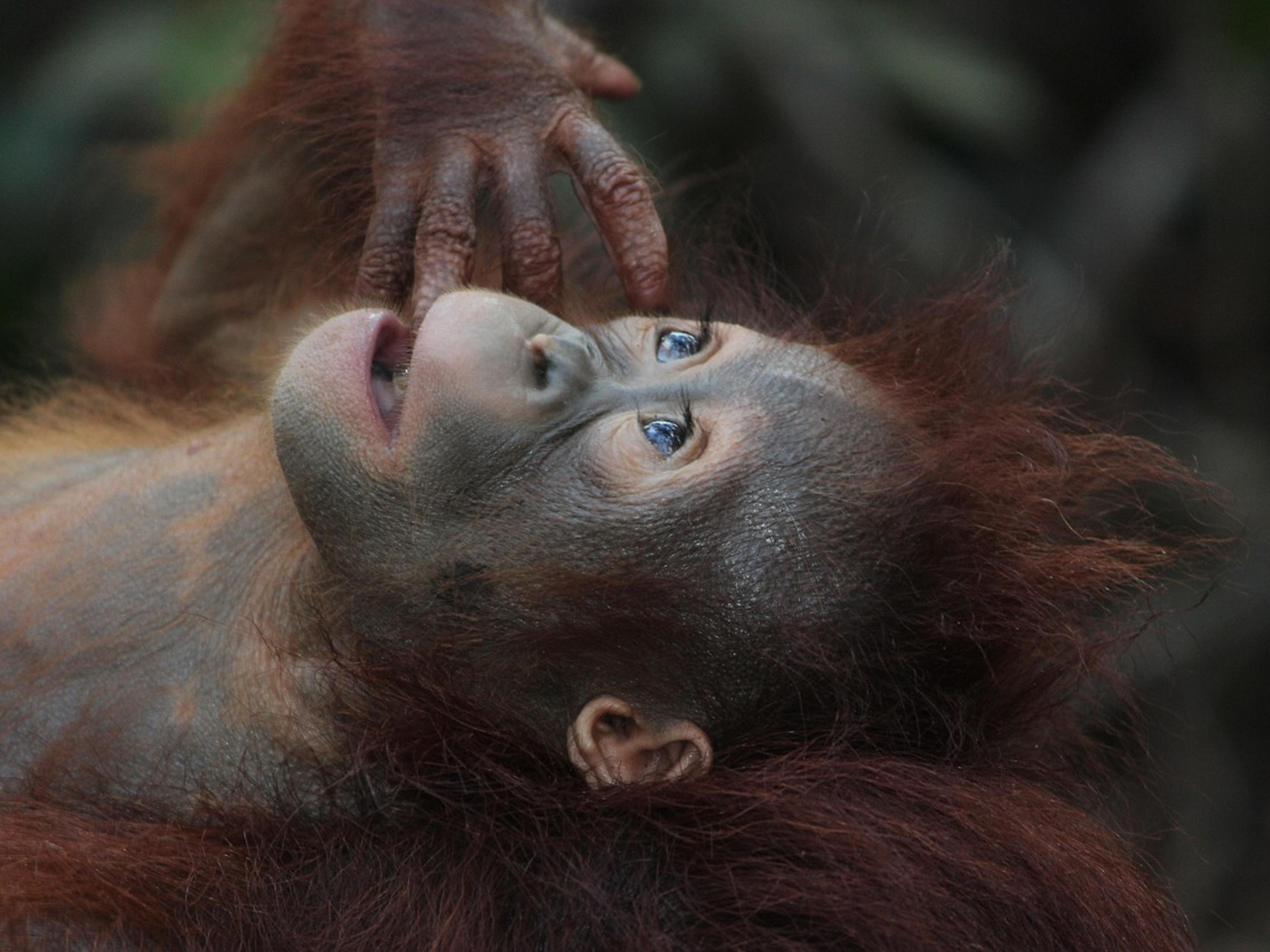
Orangutans pulled from Indonesia's wildfires as rescuers race to save them
Rescue teams in Indonesia have saved dozens of orangutans from wildfires in Borneo and Sumatra in recent months, including a burned young female named Novita now in intensive care.
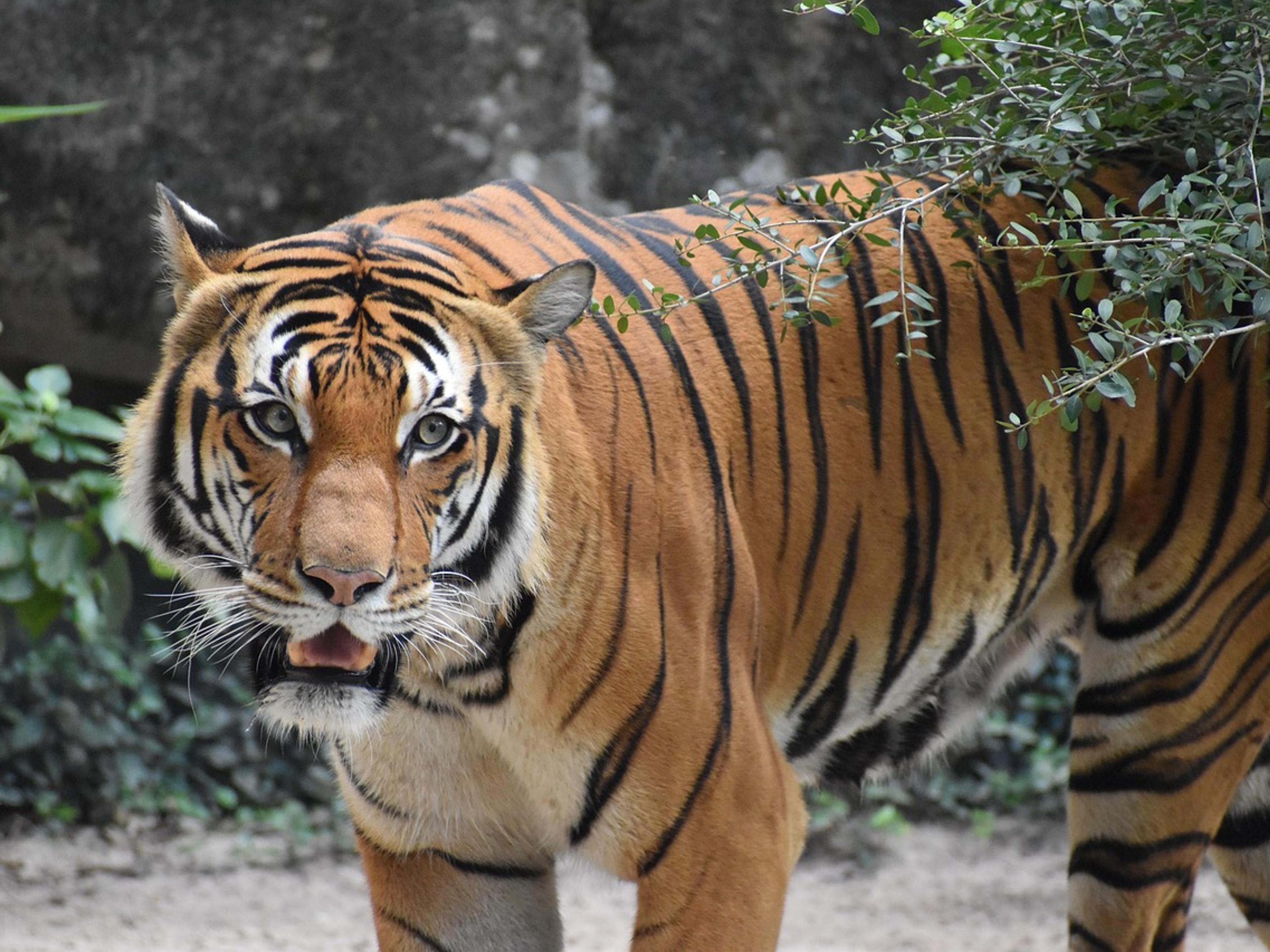
Thai tigress Mae Kaew has raised nine cubs, and now her daughter is a mother too
Camera traps in Thailand's Western Forest Complex show a wild tigress named Mae Kaew has raised three litters, nine cubs in all, and one of her daughters has now had two cubs of her own.