Olive ridley turtles lay the first sea turtle nests ever recorded on the US West Coast
Two olive ridley sea turtles nested on Orange County beaches in September, a first for any sea turtle on the US West Coast. Their 204 eggs are now incubating at the Aquarium of the Pacific.
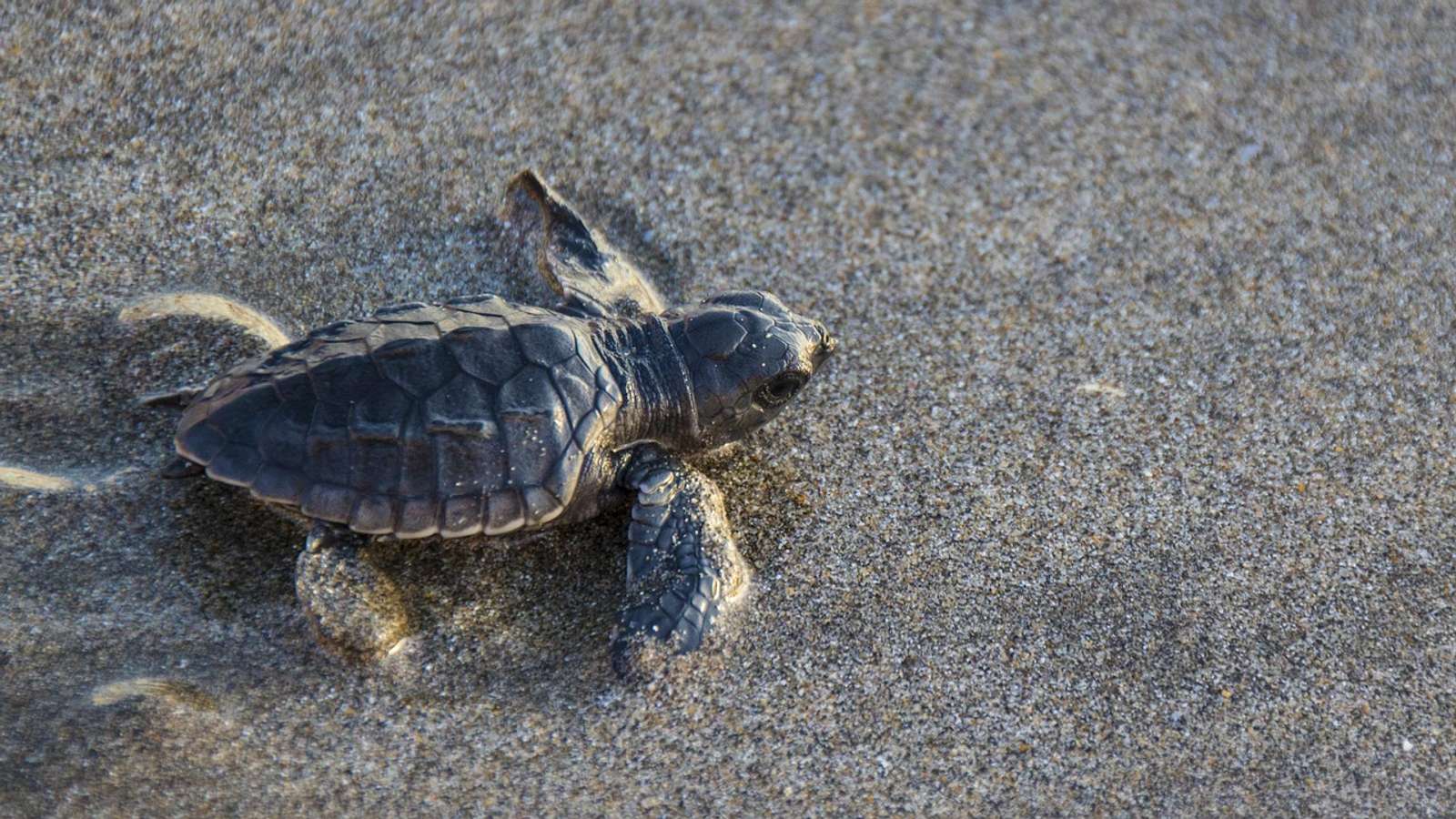
An olive ridley sea turtle dug a nest and laid her eggs on the beach near Seal Beach, in Orange County, California, on 16 September, the first nest recorded for any sea turtle species on the US West Coast, according to NOAA Fisheries. Three days later, a second olive ridley nested about 8 miles away, near the Huntington Beach Pier.
Both clutches, 204 eggs in total, are now incubating at the Aquarium of the Pacific in Long Beach. If they hatch, the young turtles will be released on the beaches where they were laid.
The nearest known nesting beach is near Todos Santos in Mexico
Olive ridleys have never before been documented nesting on the US West Coast. Their closest regular nesting site is in the western Cape region of Baja California, near Todos Santos, with a few scattered nests near Magdalena Bay on the Pacific side of the peninsula, NOAA Fisheries said. Nothing farther north had been recorded until now.
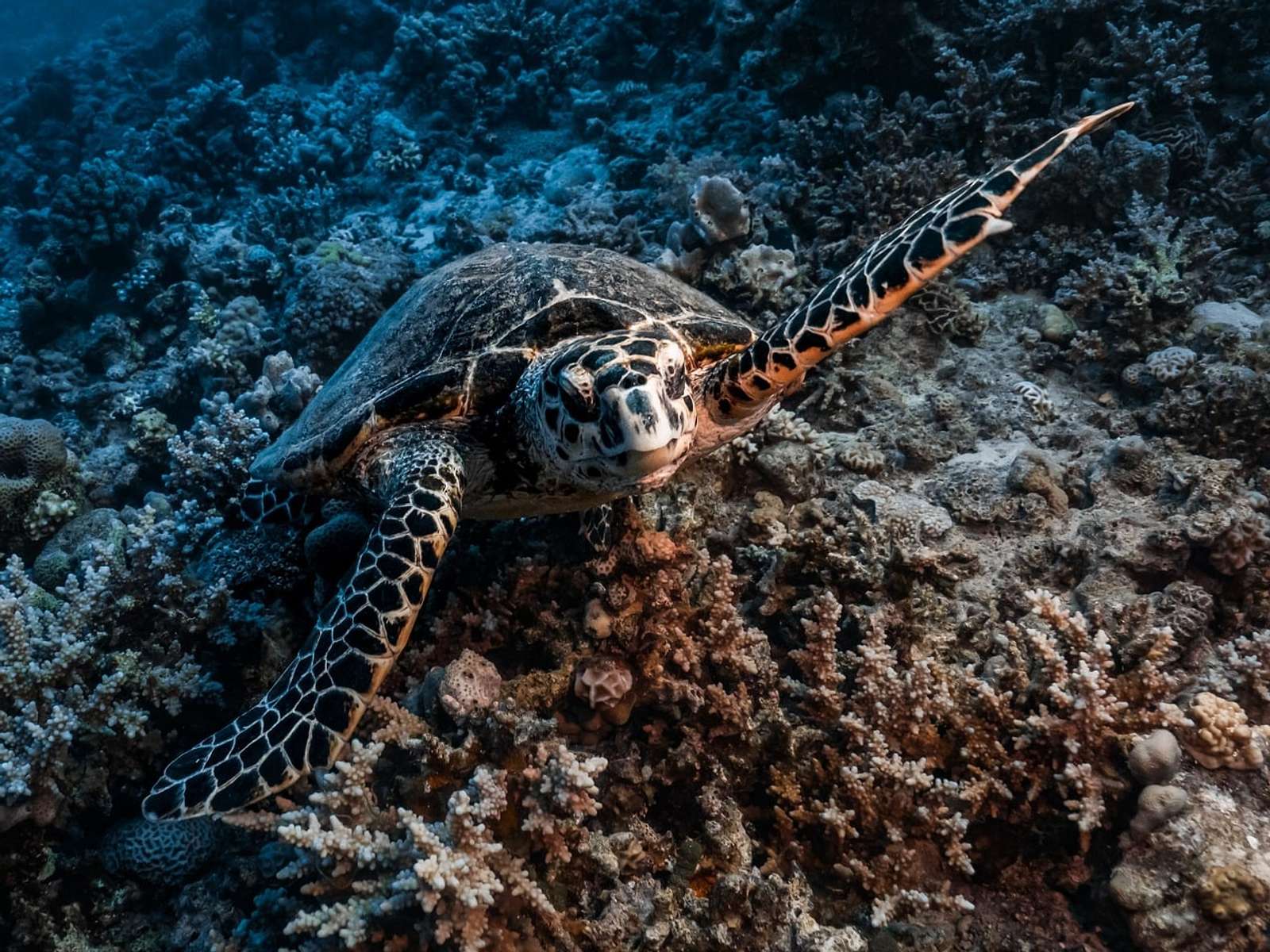
At first it was unclear whether one animal had nested twice, since an olive ridley usually lays two or three clutches a season, about two weeks apart. Cali Turner Tomaszewicz, a research biologist at NOAA's Southwest Fisheries Science Center, settled the question with a photo analysis. She compared body shape, the number and position of barnacles, and the pattern of scutes, the large scales on the shell that work much like a fingerprint. They were two different turtles.
A hurricane swell forced the eggs off the beach
Both nests were fenced, roped off and signposted. Then forecasts showed large swells from Hurricane Polo heading for the coast, and federal and state wildlife officials decided the eggs would stand a better chance indoors. Two teams set out at 6 a.m. on 25 September and dug up 104 eggs at Seal Beach and 100 at Huntington Beach, Aquarium of the Pacific president Jeffrey Flocken told Spectrum News.
The eggs now sit in sand-filled containers in a quiet room of the aquarium's Molina Animal Care Center, where staff control temperature and humidity, the aquarium said. Incubation usually takes 45 to 60 days, which points to early November at the soonest.
“This is an unprecedented situation, and we’re proud to provide a temporary home for these eggs as they incubate.” — Dr. Lance Adams, veterinarian, Aquarium of the Pacific
Whether any of them will hatch is an open question. NOAA Fisheries said there is a lot it does not know about the eggs, including whether they were fertilized or are viable.
Warm water and El Niño are the leading explanations
Why the turtles came this far north is uncertain. NOAA Fisheries named warm sea temperatures from ongoing marine heatwaves and the incoming El Niño as likely key factors, and added that the species is nomadic and that navigational errors may also have played a part.
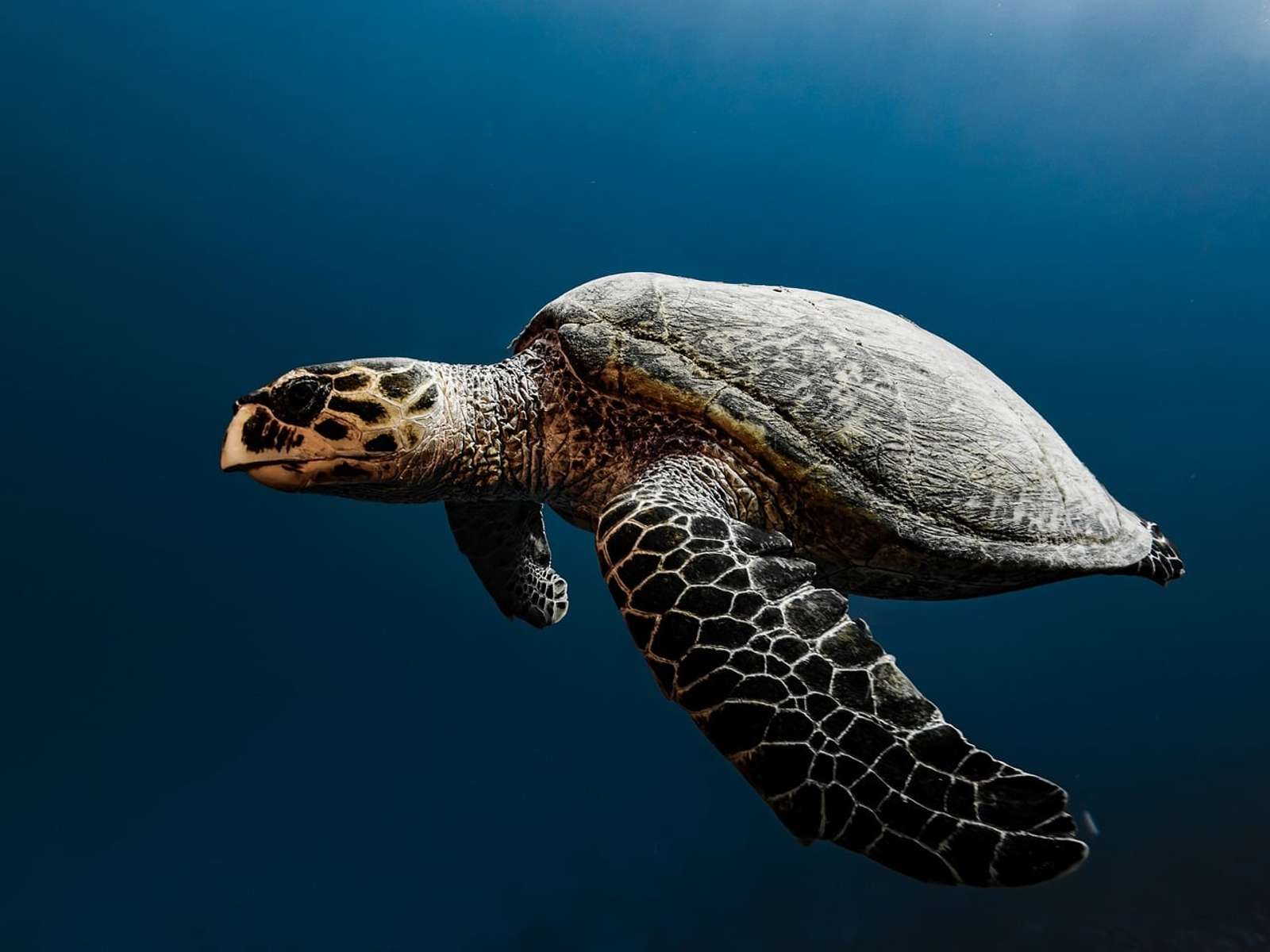
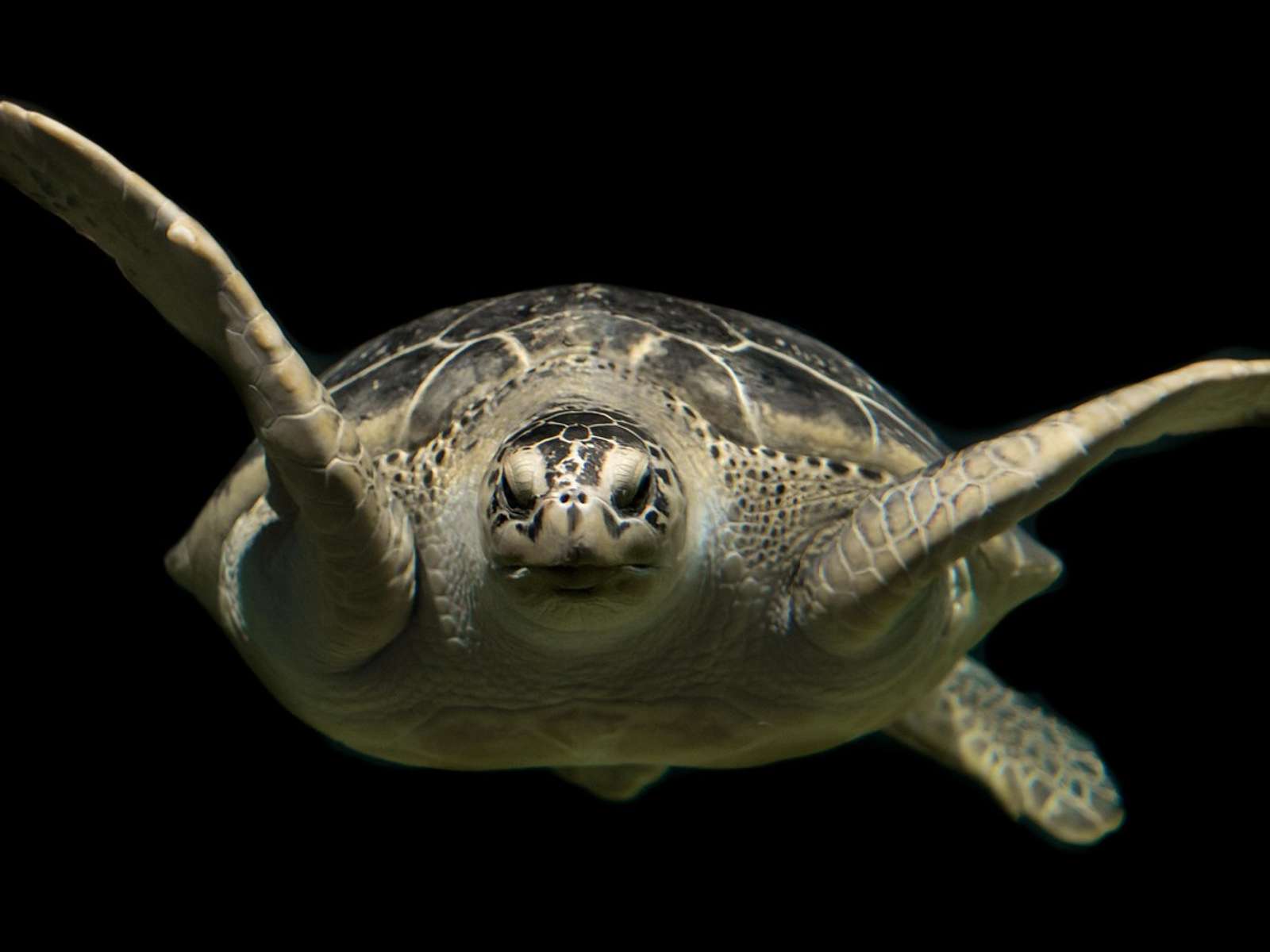
Olive ridleys are among the smallest sea turtles, with adults weighing up to 100 pounds. They are also among the most widespread, yet far below their past numbers: up to 10 million may once have roamed the Pacific, according to NOAA's species profile. Under the US Endangered Species Act, the breeding colonies on Mexico's Pacific coast are listed as endangered and all other populations as threatened.
Mexico is one of the species' strongholds, and its beaches work on a very different scale. One arribada beach, La Escobilla, hosts an estimated 450,000 nesting females. On Mexico's Caribbean coast, where other species nest, Playa del Carmen alone counted more than 22,000 hatchlings this season.
Biologists are watching Orange County beaches for more nests. Anyone who sees a turtle on the sand is asked not to disturb it and to call the NOAA West Coast stranding hotline at (562) 506-4315 or alert lifeguards.
Sources
- NOAA Fisheries · fisheries.noaa.gov
- spectrumlocalnews.com
- aquariumofpacific.org
How we choose and verify sources: editorial policy.