A North Atlantic right whale calf nobody knew about turns up off Quebec, likely the season's 24th
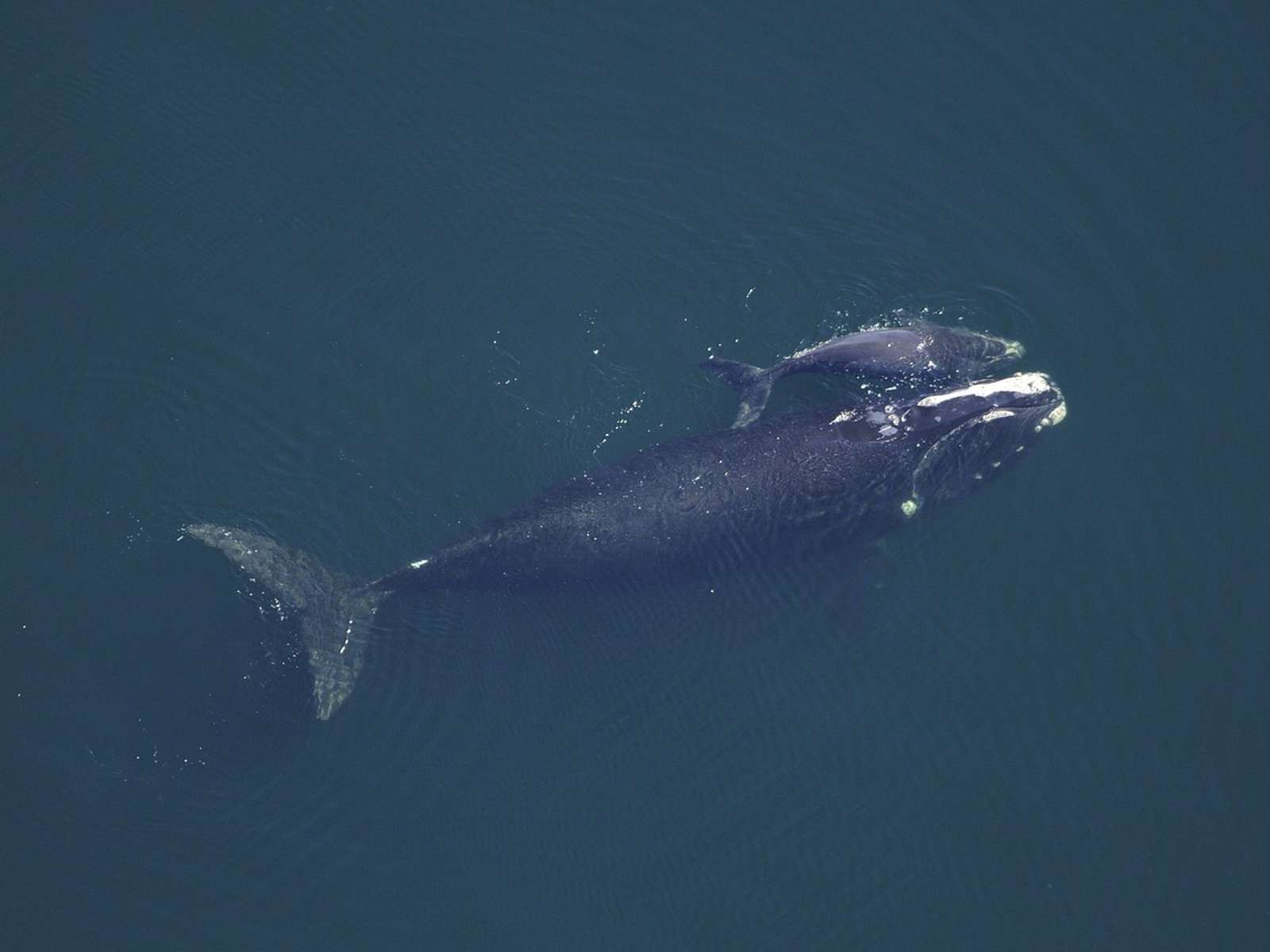
Researchers photographed a right whale mother and an unknown calf near Anticosti Island, Quebec, on 25 September. The New England Aquarium says it is likely the 24th calf of the 2025-2026 season, for a species of about 380 whales.
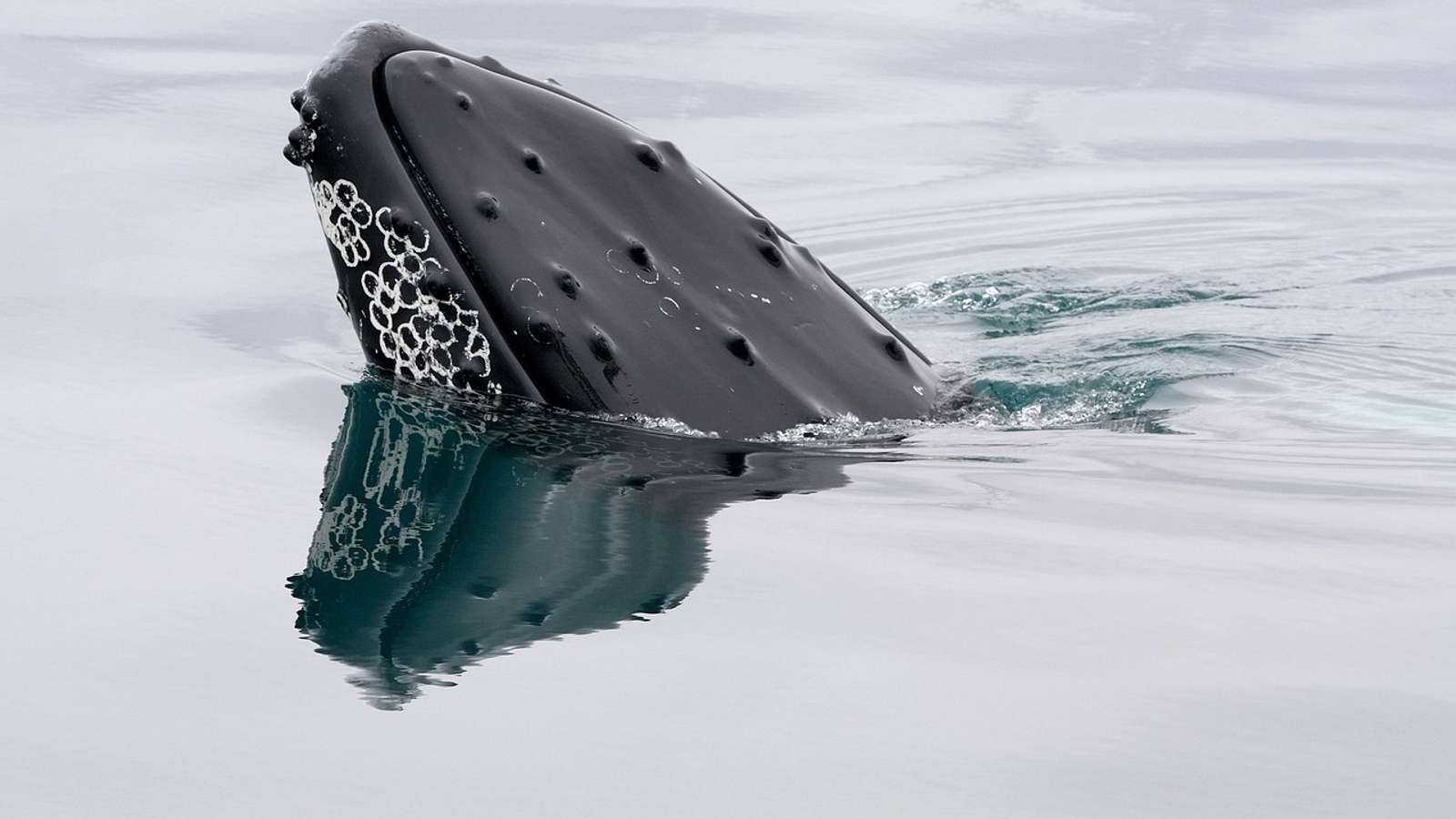
A North Atlantic right whale calf that went unseen all winter has been photographed in Canadian waters, the New England Aquarium said on 2 November. Researchers from the Mingan Island Cetacean Study photographed the mother and calf near Anticosti Island, Quebec, on 25 September. Scientists at the aquarium's Anderson Cabot Center, which manages the North Atlantic Right Whale Catalog, then identified the pair.
Silt, a mother at least 38 years old
The mother is Silt, Catalog #1817, who is at least 38 years old. She has given birth to six known calves. Silt was seen in the southeastern US calving grounds in February 2026, and the calf went unseen in the winter surveys.
“This is an exciting discovery for us so late in the year.” — Amy Warren, scientist, Anderson Cabot Center, New England Aquarium
Warren said “it's possible she had the calf there but snuck away before they were documented together.”
A strong season for a species of about 380
The surveys off the southeastern US had recorded 23 mother-calf pairs in the 2025-2026 season, the fourth-highest count on record. The new sighting likely brings the total to 24. The species is critically endangered, with an estimated population of about 380. In the Southern Hemisphere, a related species has been in the news as well: southern right whales from New Zealand's Auckland Islands were tracked on two very different migration routes.
Entanglement and ship strikes remain the threats
The aquarium's scientists hope to document the calf again. They also hope it avoids the dangers right whales face at sea, including entanglement in fishing gear and collisions with vessels.
Sources
- New England Aquarium · neaq.org
How we choose and verify sources: editorial policy.