Hawaii starts sinking a 'living breakwater' designed to calm waves and house corals
Eight of 60 concrete structures were in place off Kalaeloa Harbor on O'ahu by 20 October, part of a $27 million DARPA-funded hybrid reef meant to reduce wave energy and give corals a home, Mongabay reported. Installation should finish by January 2027.
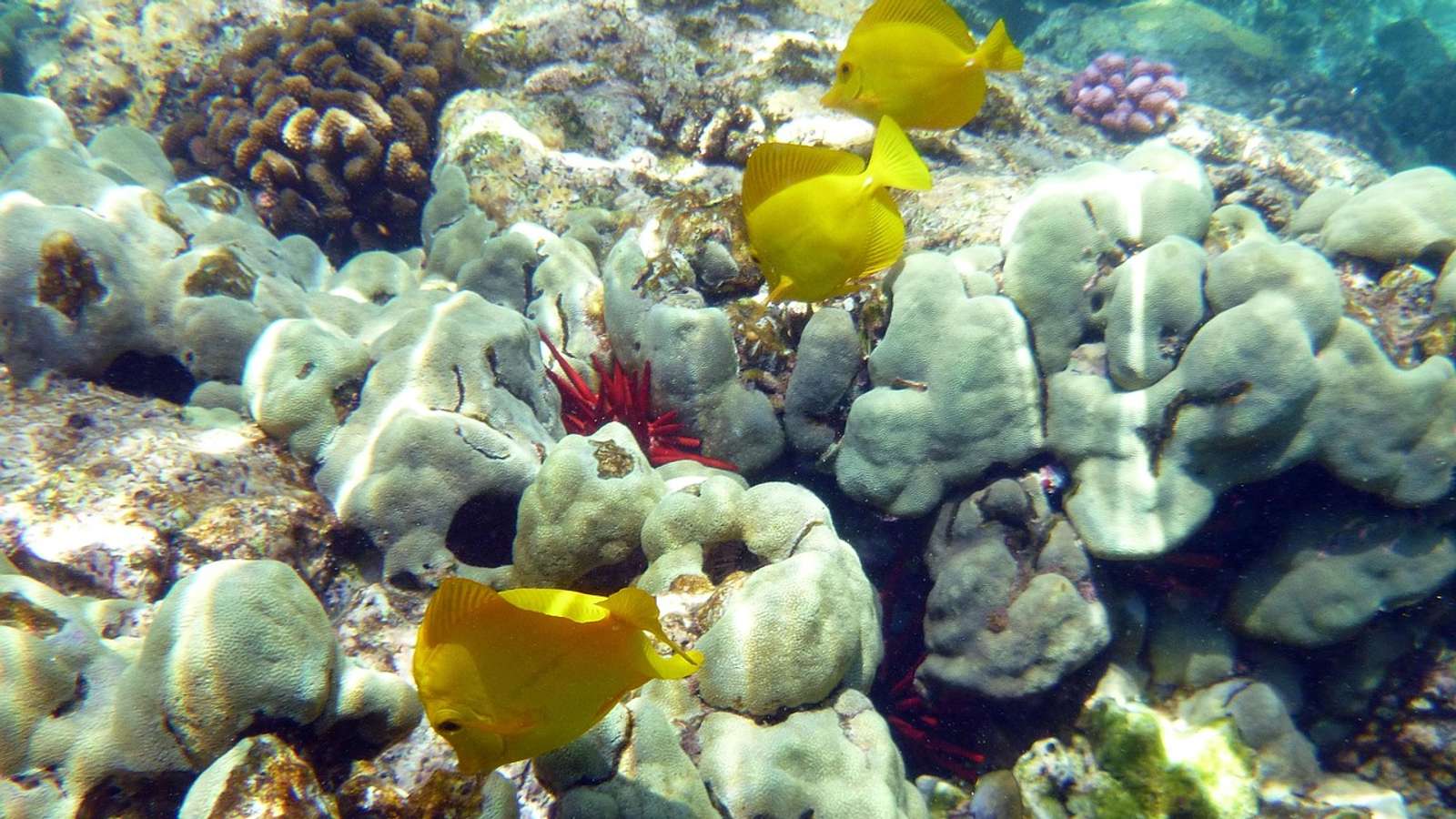
Crews in Hawaii have started placing the first pieces of a hybrid reef meant to weaken waves and shelter corals, Mongabay reported on 4 November. The first structure was sunk off Kalaeloa Harbor, on West O'ahu, on 18 September; by 20 October, eight of a planned 60 were in place.
“It's the first artificial, call it a hybrid, reef designed to protect coastlines.” — Ben Jones, University of Hawai'i Applied Research Laboratory
Concrete frames with room for coral
Each structure weighs about 4 metric tons and is a porous concrete frame fitted with ceramic “helix recesses” where corals can attach. Placed about 64 m offshore and spanning about 50 m, they are meant to act like speed bumps for waves. A quarter-scale model tested in an Oregon State wave tank reportedly dissipated about 80% of wave energy. DARPA, the US defense research agency, is paying $27 million through its Reefense program, and the state adds $915,000 in Green Fee funds for the first year of operation.
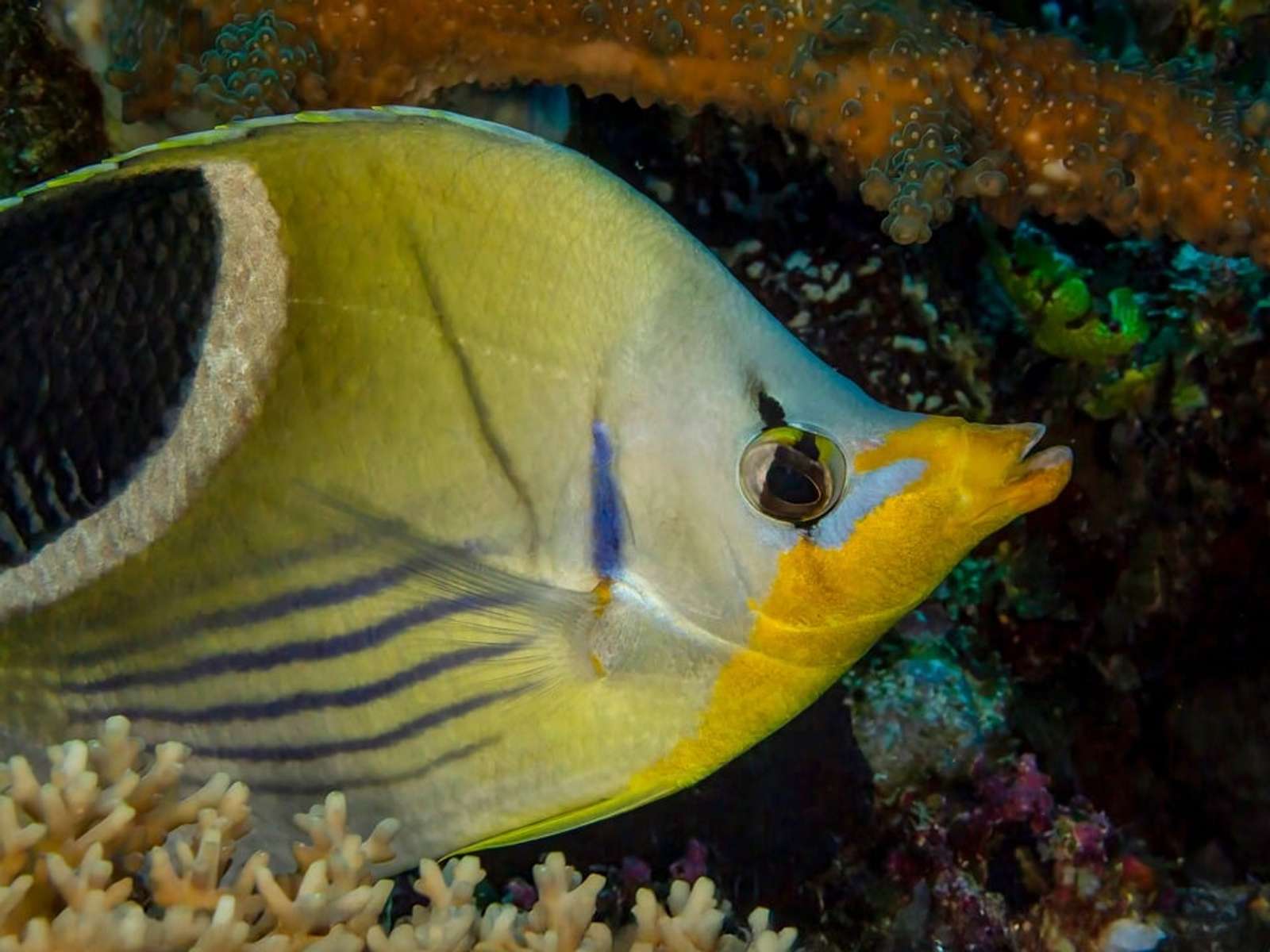
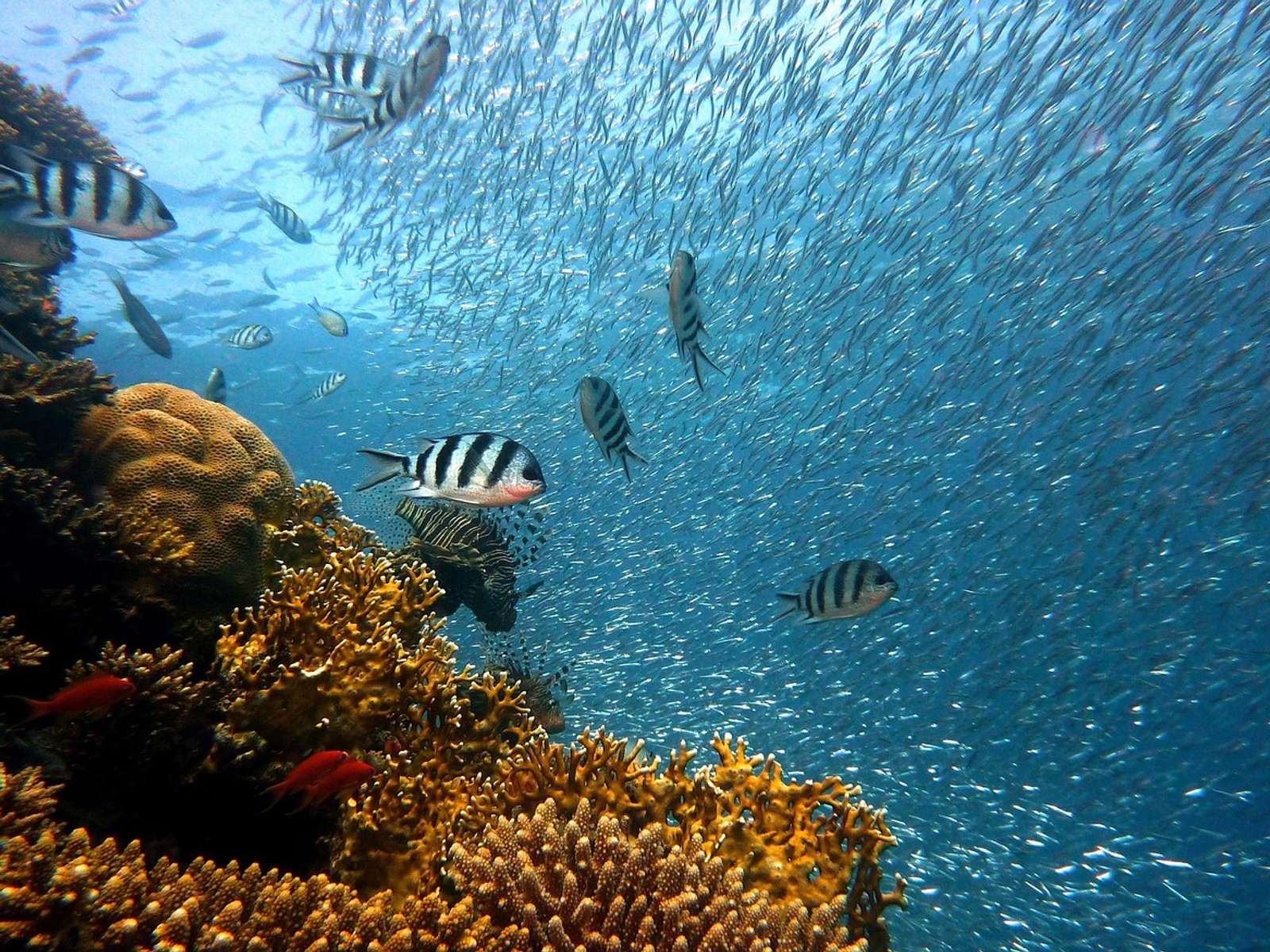
Crews moved lobe corals and cauliflower corals to clear the site, and these will be replanted on the frames with help from Kuleana Coral Restoration. Scripps researchers plan to play recordings of healthy reefs through underwater speakers to encourage corals to settle. Scientists from the University of Hawai'i's Institute of Marine Biology are also involved.
An alternative to seawalls
“Traditional coastal infrastructure has a lot of issues with it,” said Catherine Campbell of DARPA, which wanted something more self-sustaining. State Rep. Darius Kila said residents want neither more seawalls nor restricted shoreline access. Alika Peleholani Garcia of Kuleana said he sees no other project as ambitious, though the planted corals will face strong waves.
A small prototype, with years of testing ahead
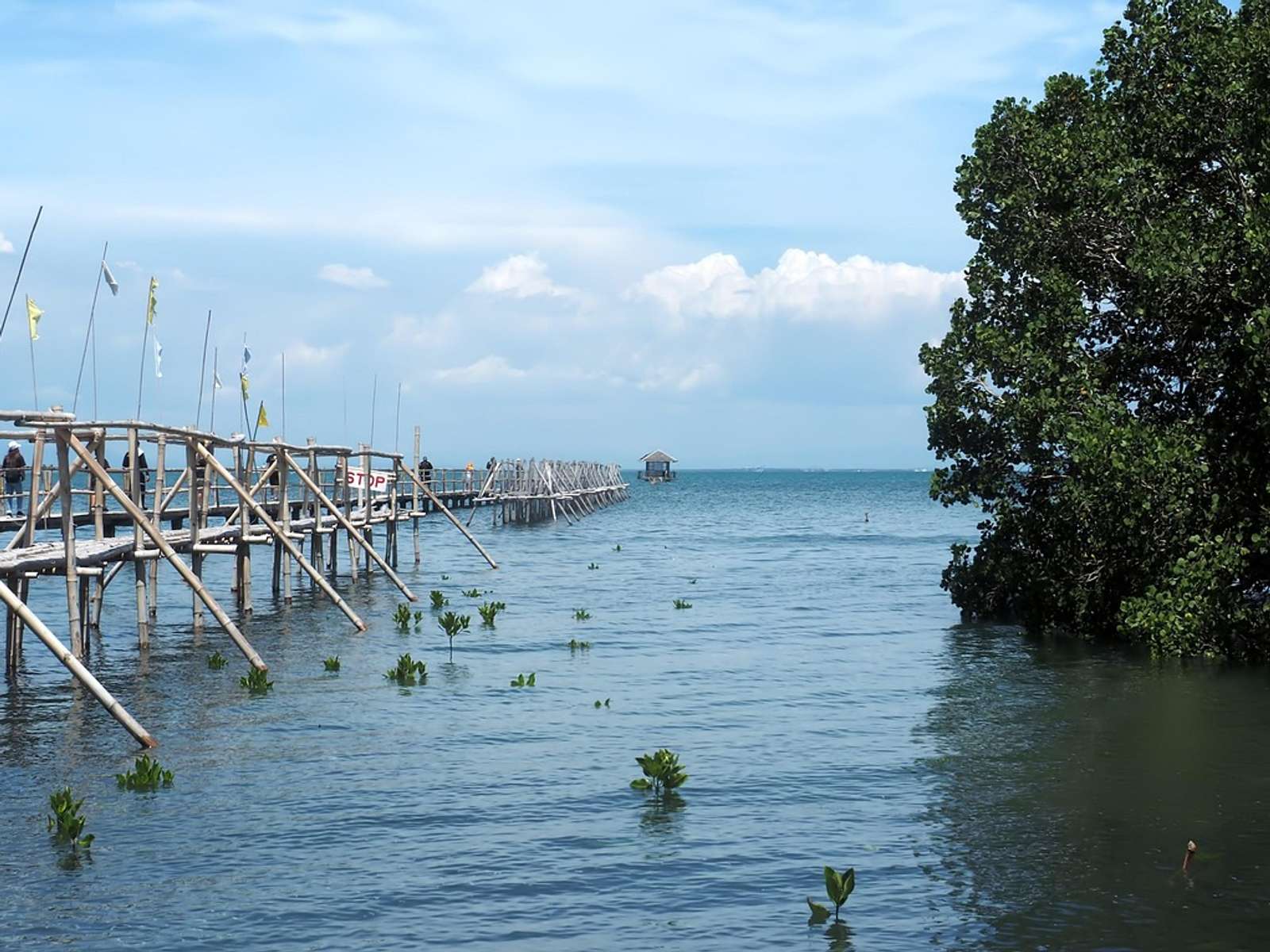
This is a test. Jones said substantial protection would take a structure about 1 km long. All 60 pieces should be in place by January 2027, when wave measurements begin, and the state transportation department will take ownership after installation. Community leader Anthony Makana Paris pressed for accountability, citing the harbor's history of heavy-metal contamination. A very different approach is under way in the Philippines, where a fishing village built flood defenses from bamboo and oyster shells.
Sources
- Mongabay · news.mongabay.com
How we choose and verify sources: editorial policy.