A Norwegian device lets red deer and foxes put on their own GPS collars, with no capture
Richard Bischof of the Norwegian University of Life Sciences built bait-lured units that fit a GPS collar on an animal without catching it. The proof of concept worked on red deer and red foxes. Its effects on behavior have not been tested yet.
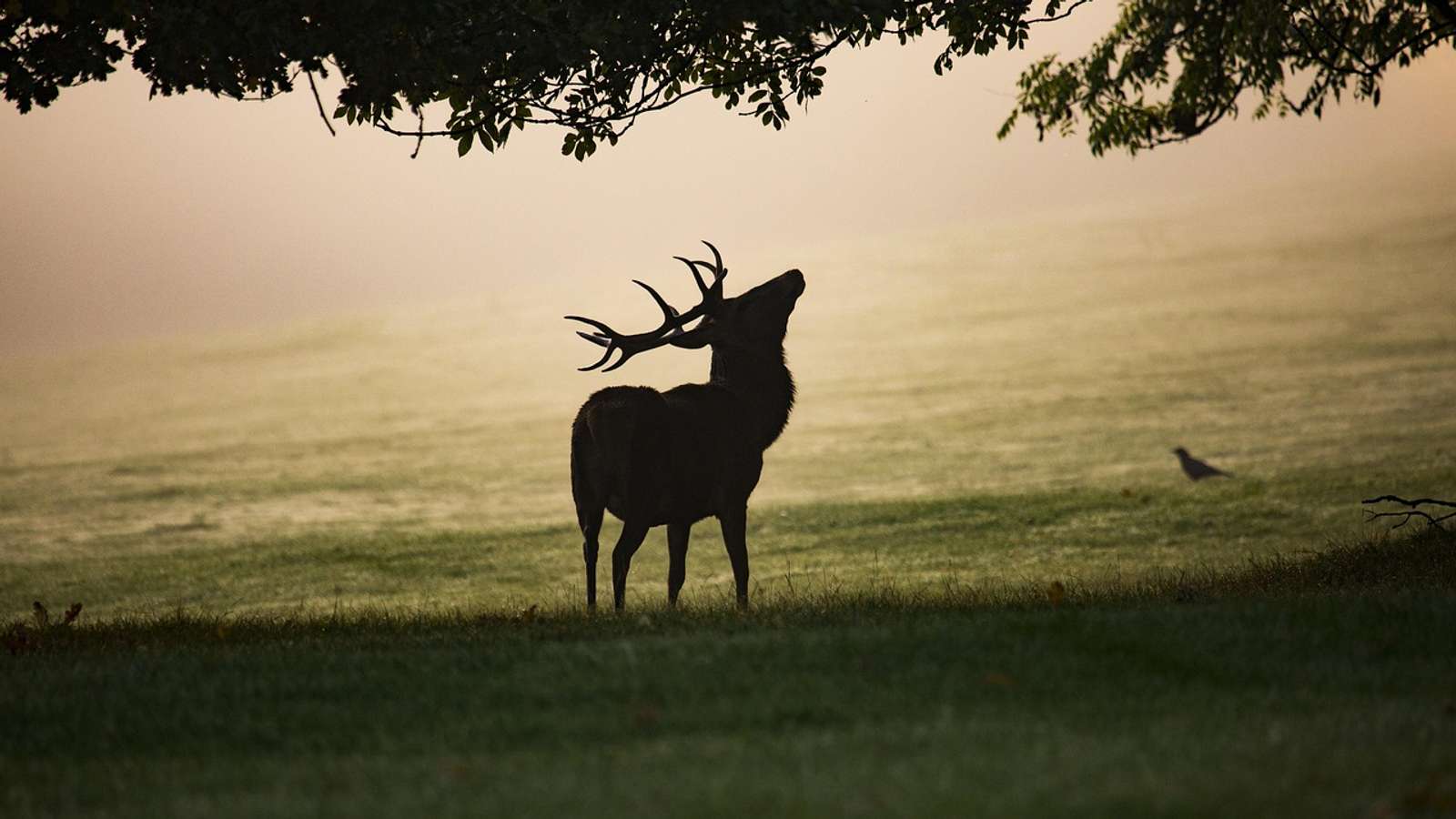
A researcher in Norway has built a device that puts a GPS collar on a wild animal without anyone catching it, Phys.org reported. Professor Richard Bischof of the Norwegian University of Life Sciences (NMBU) calls the method Capture-Free Telemetry and describes it in BioScience. The study is a proof of concept, tested on red deer and red foxes.
Why catching animals is the weak link
To fit a collar, researchers normally have to capture an animal, often with drugs to keep it still. That is invasive, costly and risky, and it can stress the animal and change how it behaves. Because of that, many studies track only a few individuals. In a preprint, Bischof calls capture and immobilization the most invasive, costly and logistically hard parts of tracking work.
Bait, a collar and a weak spot
The units are autonomous and built for each species. Bait draws the animal in, and the device closes a collar around its neck. Trials on deer took place at the Norwegian Deer Centre. The collars adjust to the animal's neck size and drop off after a few weeks or a couple of months. Built-in weak spots let them come apart if the animal is uncomfortable or gets entangled.
The idea is not entirely new. Bischof was partly inspired by largely forgotten studies on automatic animal marking from the 1950s to the 1970s, and by snare-based devices, which are controversial because they can catch the wrong animals and are misused by poachers. He calls his alternative “finer-touch telemetry”: collaring more animals, less invasively, for shorter periods.
The key comparison is still to come
Whether this method actually disturbs animals less than capture has not been tested. Bischof and colleagues plan to compare the two and try it on other species. Tracking data has already changed what scientists know about migration, such as the rufous hummingbirds followed from Alaska to Mexico.
Sources
How we choose and verify sources: editorial policy.